
MALDIVES: WHERE TURQUOISE DREAMS MEET ENDLESS HORIZONS
The Indian Ocean's Ultimate Island Paradise
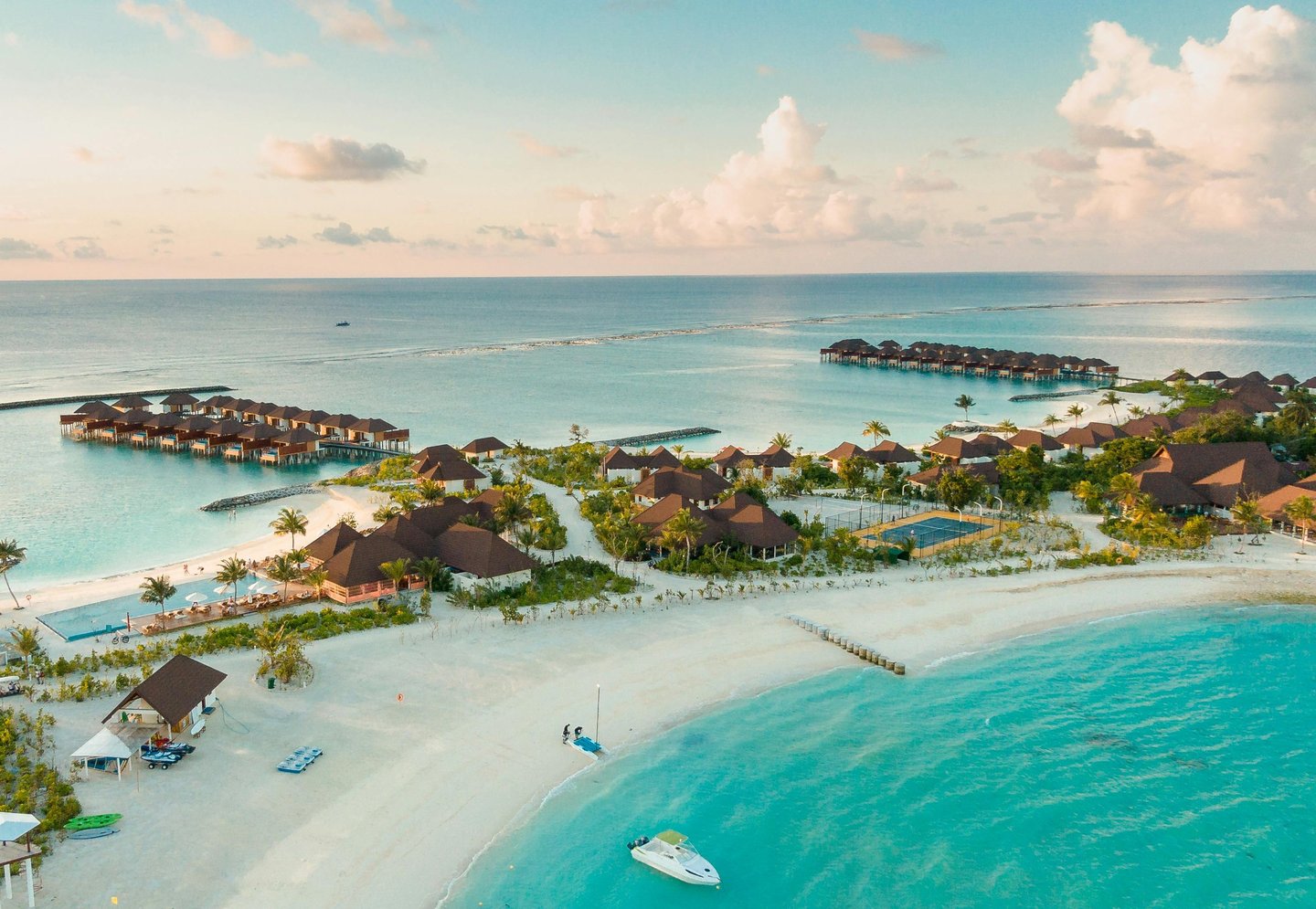
The Maldives mesmerizes as Earth's most idyllic tropical destination, where 1,190 coral islands scattered across 26 atolls create an endless expanse of turquoise lagoons, powder-white beaches, and crystalline waters. This extraordinary nation of just 540,000 people epitomizes barefoot luxury, offering overwater villas suspended above coral reefs, underwater restaurants surrounded by marine life, and privacy so complete that each resort occupies its own private island. Here, you can snorkel with manta rays at sunrise, indulge in spa treatments over glass floors revealing tropical fish below, dine on deserted sandbars under star-filled skies, and watch bioluminescent plankton illuminate the ocean at night—all while experiencing hospitality that transforms service into art.
Beyond its postcard-perfect beauty, the Maldives captivates with extraordinary marine biodiversity, genuine cultural warmth, and commitment to sustainable luxury that protects this fragile paradise. The shallow atolls harbor some of the world's most pristine coral reefs, attracting whale sharks, manta rays, sea turtles, and over 2,000 species of fish. World-class diving reveals dramatic drop-offs, underwater caves, and vibrant coral gardens, while surface snorkeling from resort jetties provides daily encounters with tropical marine life. From ultra-luxury resorts setting global standards for overwater accommodation to budget guesthouses on local islands making paradise accessible, from sunrise yoga on wooden decks to sunset dolphin cruises, the Maldives delivers romance, adventure, and natural splendor that exceed even the most vivid imagination.
Or compare on Expedia
Why Visit the Maldives
Iconic Overwater Villas and Barefoot Luxury
The Maldives pioneered overwater bungalows and continues to set global standards for luxury island accommodation. Villas feature private infinity pools, glass floor panels revealing marine life below, direct lagoon access via private stairs, outdoor showers under tropical skies, and butler service anticipating every need. Resorts occupy entire private islands accessible only by seaplane or speedboat, creating absolute exclusivity and privacy. Many properties achieve architectural excellence through sustainable design, using natural materials, solar power, and desalination while maintaining impeccable luxury standards. The combination of pristine natural beauty, cutting-edge design, exceptional service, and complete seclusion creates the ultimate escape from the modern world.
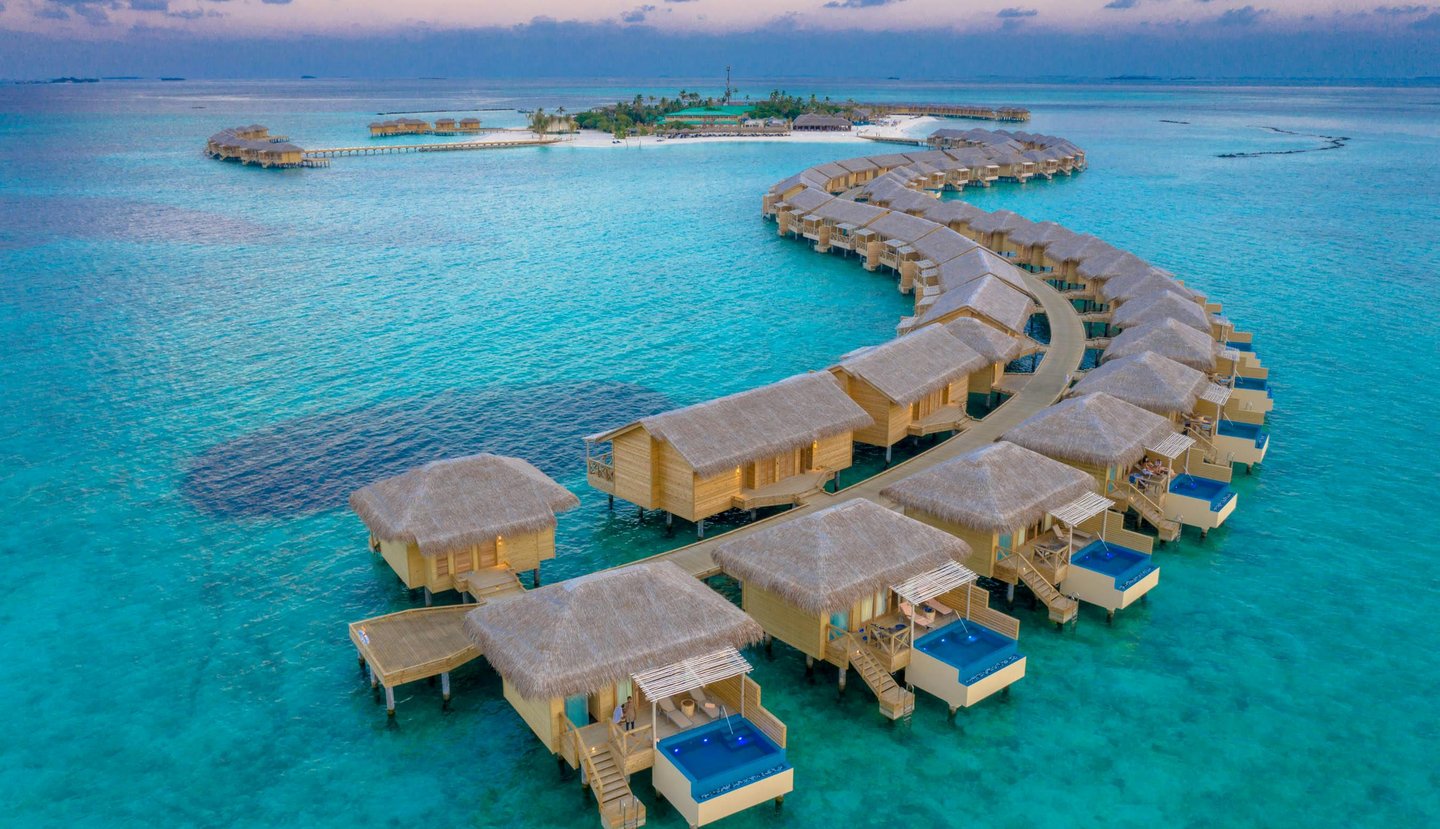
Overwater villas feature private pools, glass floors, and direct lagoon access
World-Class Diving and Snorkeling
The Maldives offers some of Earth's best diving with warm, clear water ranging between 26-30°C year-round (79-86°F), excellent visibility (often 30+ meters), and extraordinary marine biodiversity. The atolls' unique geology—ring-shaped coral reefs surrounding deep lagoons—creates diverse diving environments from shallow coral gardens to dramatic channel dives where currents attract pelagic species. Whale shark sightings occur regularly at specific atolls (particularly South Ari), manta rays gather at cleaning stations throughout the year, and sea turtles, reef sharks, moray eels, and countless tropical fish inhabit every reef. Many resorts offer house reefs accessible directly from the beach, providing world-class snorkeling without boats. The combination of accessibility, biodiversity, and pristine conditions makes the Maldives a diver's paradise.
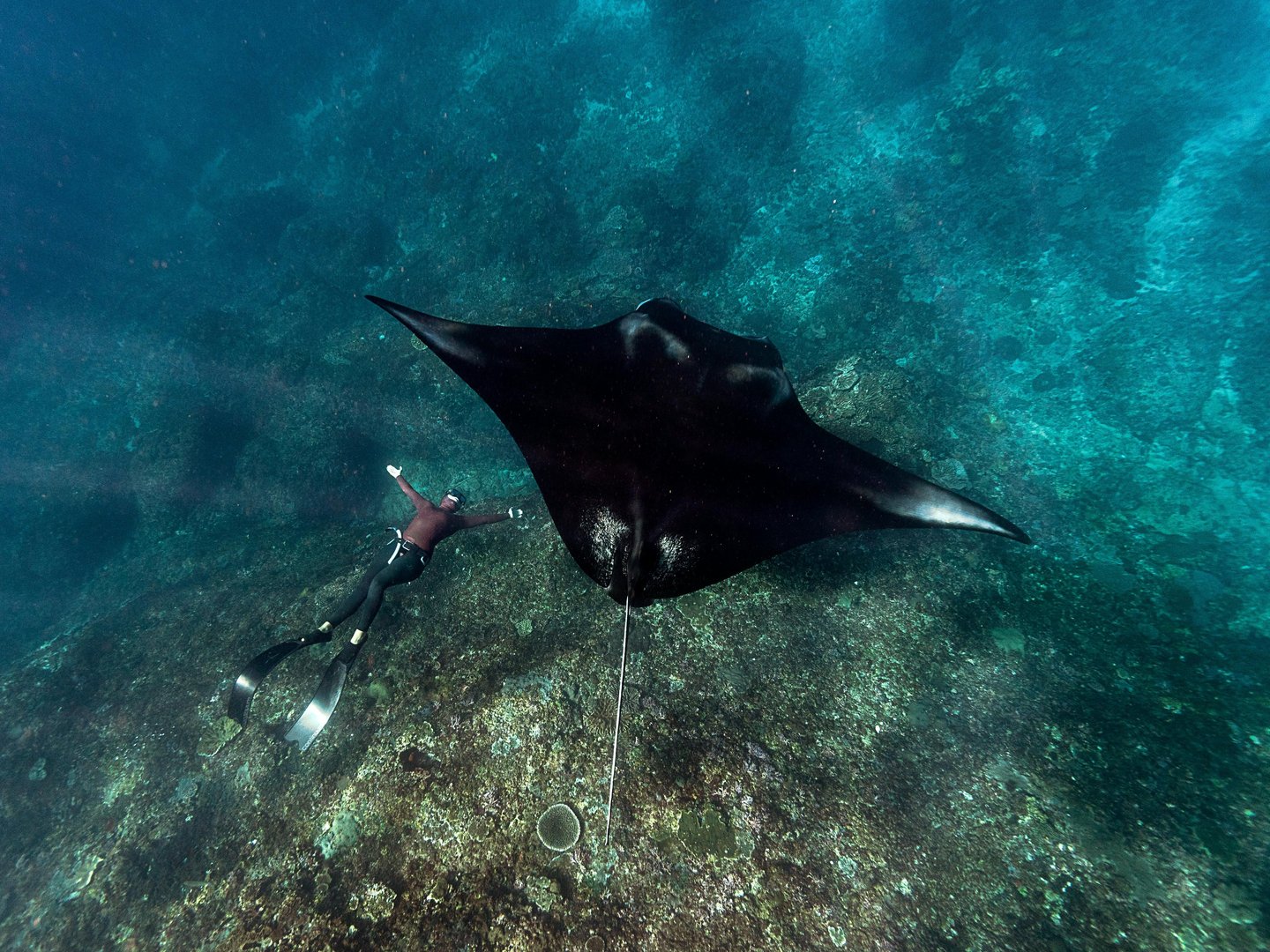
The Maldives offers world-class diving with manta rays, whale sharks, and pristine reefs
Absolute Privacy and Romantic Seclusion
The Maldives epitomizes romantic escape through its geography—each resort on its own island means complete privacy, no crowds, and intimate atmosphere. The nation has become synonymous with honeymoons and anniversary celebrations through packages including candlelit beach dinners, couples' spa treatments in overwater pavilions, private sandbank picnics, and sunset cruises. The absence of high-rise buildings, traffic, and urban noise creates tranquil sanctuary where time slows and connection deepens. Many resorts prohibit children or maintain adults-only policies, ensuring romantic atmosphere. The spectacular natural beauty—sunsets painting skies in brilliant colors, stars visible without light pollution, gentle waves lapping pristine shores—provides perfect backdrop for celebration and renewal.
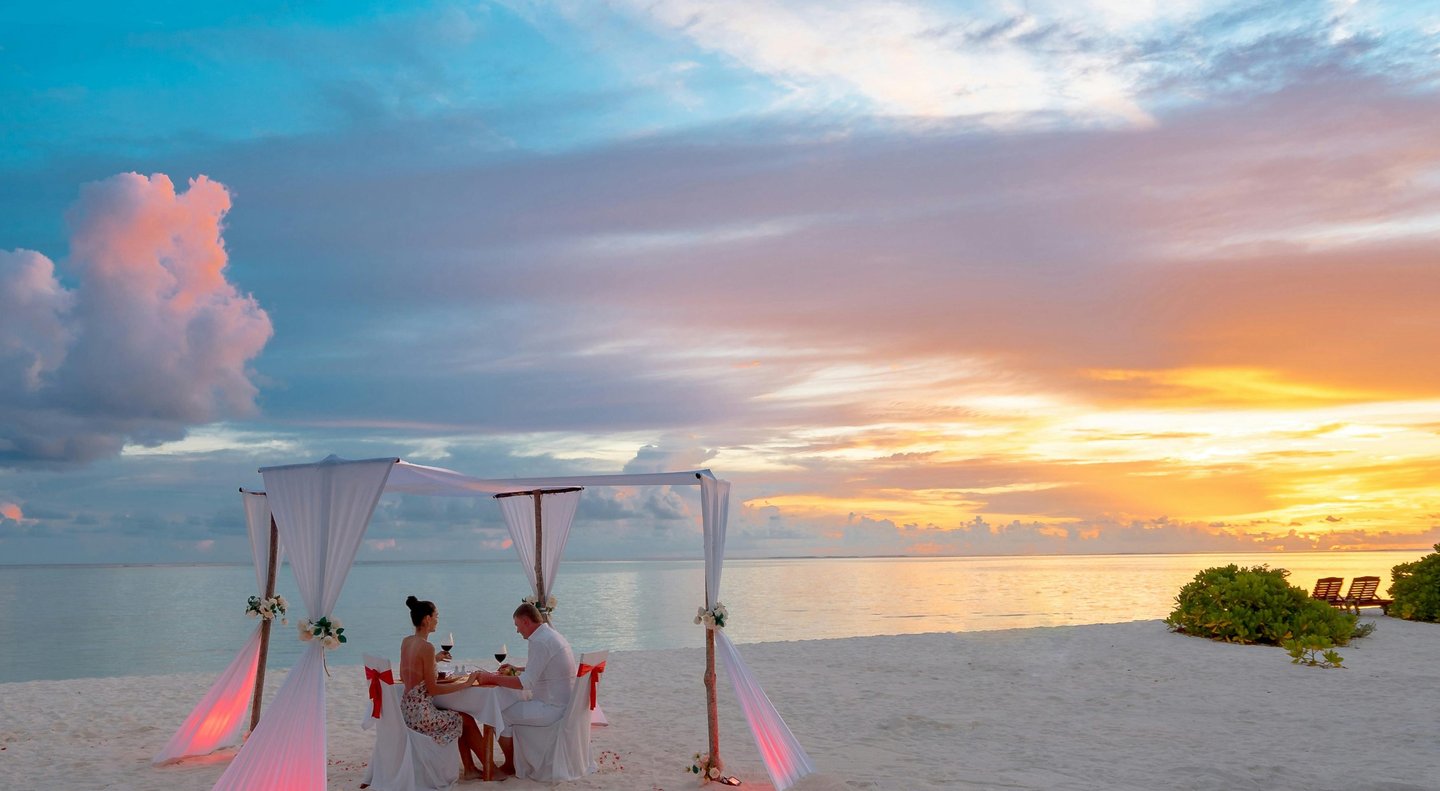
Private island resorts provide complete seclusion and romantic atmosphere
Pristine Beaches and Crystal-Clear Waters
The Maldives delivers the quintessential tropical beach experience through powder-soft white sand beaches, water so clear you can see your feet at 10 meters depth, and lagoons in every shade of blue and turquoise. The shallow, protected lagoons provide safe swimming, while outer reefs create natural pools where water temperature remains bath-warm year-round. Many islands feature both sunrise and sunset beaches, allowing optimization of sun exposure throughout the day. The consistently excellent weather during dry season (November-April) ensures endless days of beach perfection, while the flat coral islands mean beaches extend directly from villa doors with no climbing or navigation required—barefoot luxury literally from bed to beach in seconds.
Exceptional Water Sports and Marine Activities
Beyond diving and snorkeling, the Maldives offers comprehensive water sports programs at most resorts. Stand-up paddleboarding across glassy lagoons, kayaking to deserted islands, windsurfing in steady trade winds, parasailing over reef-ringed atolls, jet skiing through channels, and sailing traditional dhonis provide active alternatives to beach lounging. Night snorkeling reveals nocturnal reef life, dolphin watching cruises encounter spinner dolphins performing acrobatics, and sunset fishing trips offer traditional Maldivian experiences. The calm, protected lagoons create ideal conditions for learning new water sports, while advanced practitioners find excellent conditions for windsurfing and kitesurfing at specific atolls with consistent winds.
Cultural Authenticity and Sustainable Tourism
While luxury resorts dominate tourism, the Maldives maintains genuine cultural identity through Islam, traditional fishing communities, and distinctive Dhivehi culture. Visits to local islands (inhabited by Maldivians rather than resort staff) reveal authentic island life with mosques, fishing boats, traditional crafts, and warm hospitality. The nation's vulnerability to climate change—as the world's lowest-lying country with highest point just 2.4 meters above sea level—drives serious commitment to sustainable tourism. Many resorts pioneer renewable energy, coral restoration programs, marine protection, and plastic reduction. Choosing environmentally conscious resorts supports preservation of this fragile paradise while experiencing world-class luxury with clear conscience.
Best Time to Visit the Maldives
Dry Season (November-April) - Peak Season
The northeast monsoon brings the Maldives' best weather with minimal rainfall, low humidity, calm seas, and endless sunshine—perfect conditions for beach days, diving, and water sports. December-March represents peak season with guaranteed excellent weather but highest prices and advance booking requirements (particularly for popular resorts and Christmas/New Year period). November offers early dry season advantages with lower prices and fewer crowds as season begins, while April provides end-of-season value before rains arrive. Diving conditions excel during dry season with best visibility, calmest seas, and reliable weather for boat trips. Manta ray sightings peak during this period at western atolls.
Wet Season (May-October) - Value and Surf
The southwest monsoon brings more rainfall, higher humidity, and occasional storms but shouldn't discourage visitation—many days feature morning sunshine with afternoon showers, and even "rainy days" often include sunshine between showers. This season offers exceptional value with resort rates 30-50% lower than peak season, easier last-minute availability, and fewer guests creating more intimate atmosphere. Surfing season runs June-September when consistent swells reach eastern atolls, attracting surfers to breaks like Pasta Point and Chickens. Manta ray feeding frenzies occur at eastern atolls (particularly Hanifaru Bay) during May-November. While weather is less predictable, the significant price savings and still-beautiful conditions make wet season viable for budget-conscious luxury travelers.
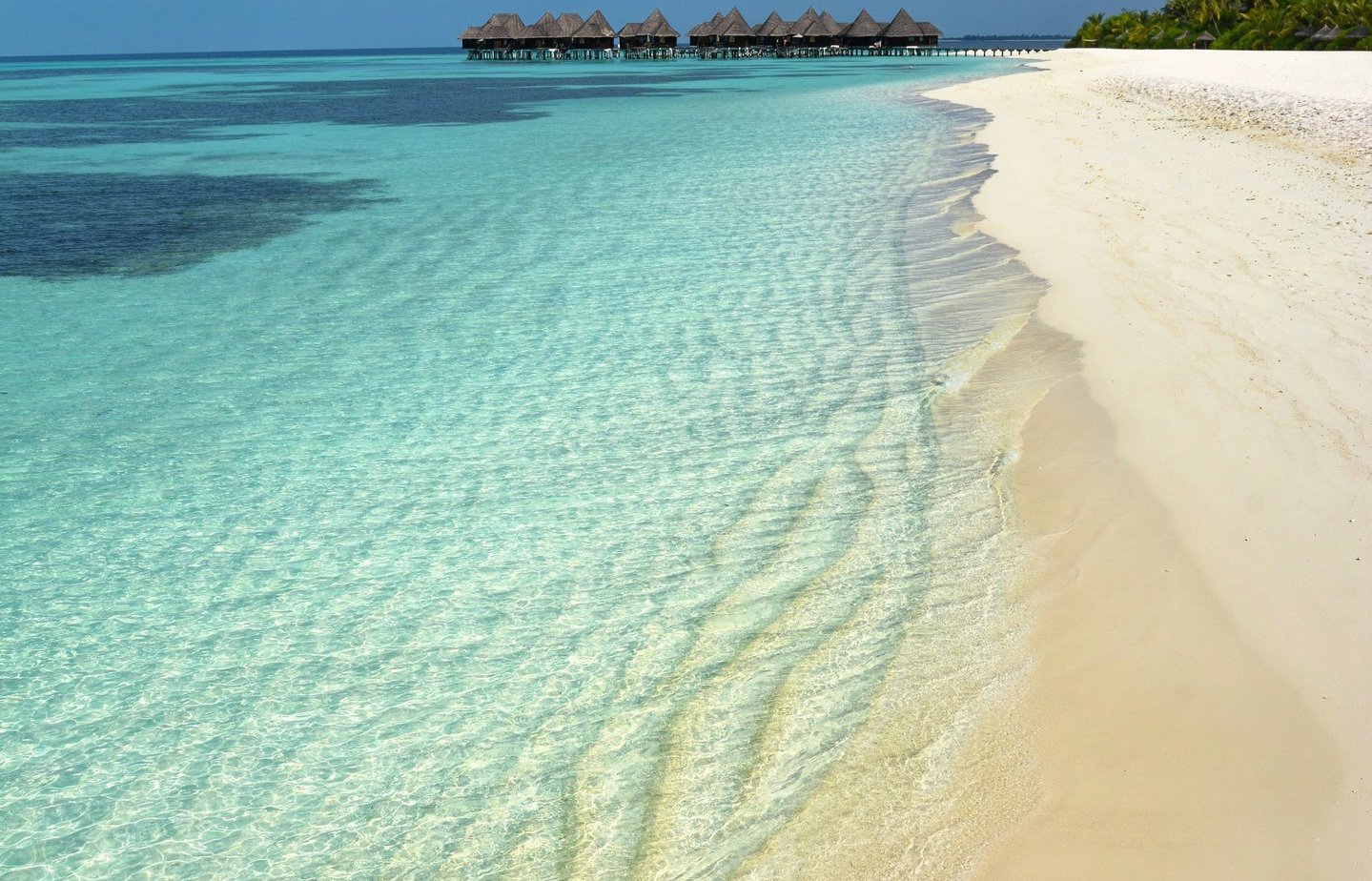
The dry season (November-April) offers guaranteed sunshine and calm seas
Diving and Marine Life Calendar
Whale sharks congregate year-round at South Ari Atoll but peak sightings occur January-April and August-November. Manta rays follow monsoon patterns—western atolls (Baa, North Male) during dry season (November-April), eastern atolls (Baa Atoll's Hanifaru Bay) during May-November. Sea turtle nesting occurs year-round with peak activity during southwest monsoon (May-October). Understanding these patterns helps divers time visits for specific species. Water temperature remains consistently warm (26-30°C) year-round, but visibility peaks during dry season with 30+ meter visibility common versus 15-25 meters during wet season.
Best Overall Time
December-March offers guaranteed perfect weather, optimal diving conditions, and reliable manta ray encounters, justifying premium prices for those seeking absolute weather certainty. November and April provide sweet spots with excellent conditions at reduced prices. May-October works well for budget travelers, surfers, and those accepting weather variability for significant savings—you'll likely experience beautiful days just with less predictability.
Iconic Maldives Experiences
Overwater Bungalow Living
Staying in an overwater villa represents the quintessential Maldives experience—waking to sunrise over the lagoon, descending private stairs directly into warm turquoise water, watching tropical fish through glass floor panels while enjoying breakfast, and falling asleep to gentle waves lapping stilts below. The best villas combine privacy, luxury amenities, architectural excellence, and prime positioning for sunrise or sunset views. Many feature private infinity pools, outdoor rain showers, day beds suspended over water, and spacious decks for lounging. Butler service, in-villa dining, and personalized touches transform accommodation into comprehensive experience. While expensive, the unique sensation of living above the ocean justifies the splurge for special occasions.
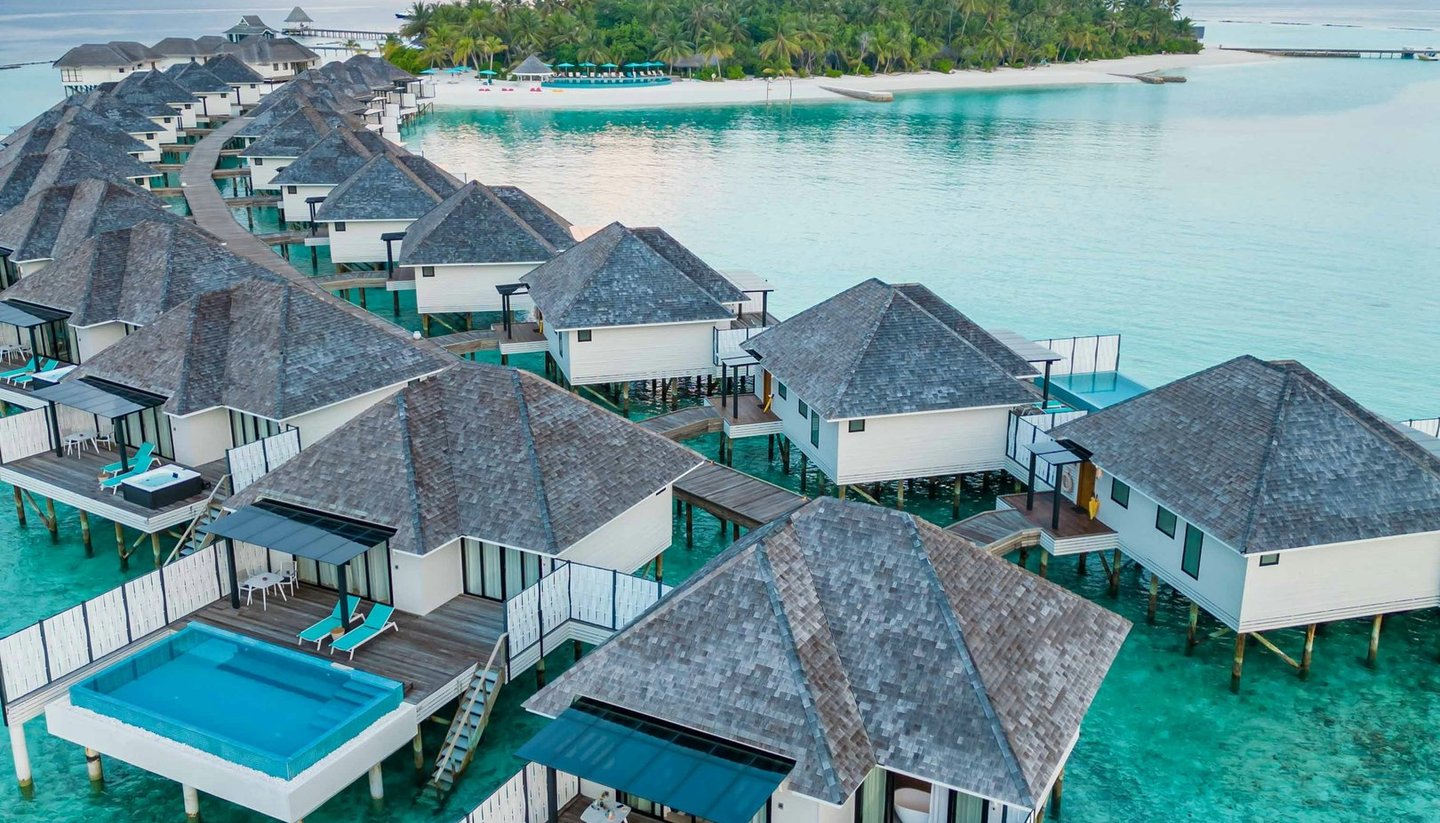
Living over turquoise water represents the quintessential Maldives experience
House Reef Snorkeling
Many Maldives resorts maintain pristine house reefs accessible directly from the beach or jetty, providing world-class snorkeling without boats. These coral gardens harbor clownfish, parrotfish, triggerfish, angelfish, butterfly fish, and often larger species like reef sharks, eagle rays, and sea turtles. The convenience of unlimited snorkeling at any time—sunrise snorkeling before breakfast, sunset snorkeling before dinner, night snorkeling with flashlights—creates daily marine encounters. Some house reefs feature drop-offs where reef meets deep blue, creating dramatic underwater landscapes. Asking about house reef quality during resort selection ensures this amenity, as reef quality varies significantly between properties.
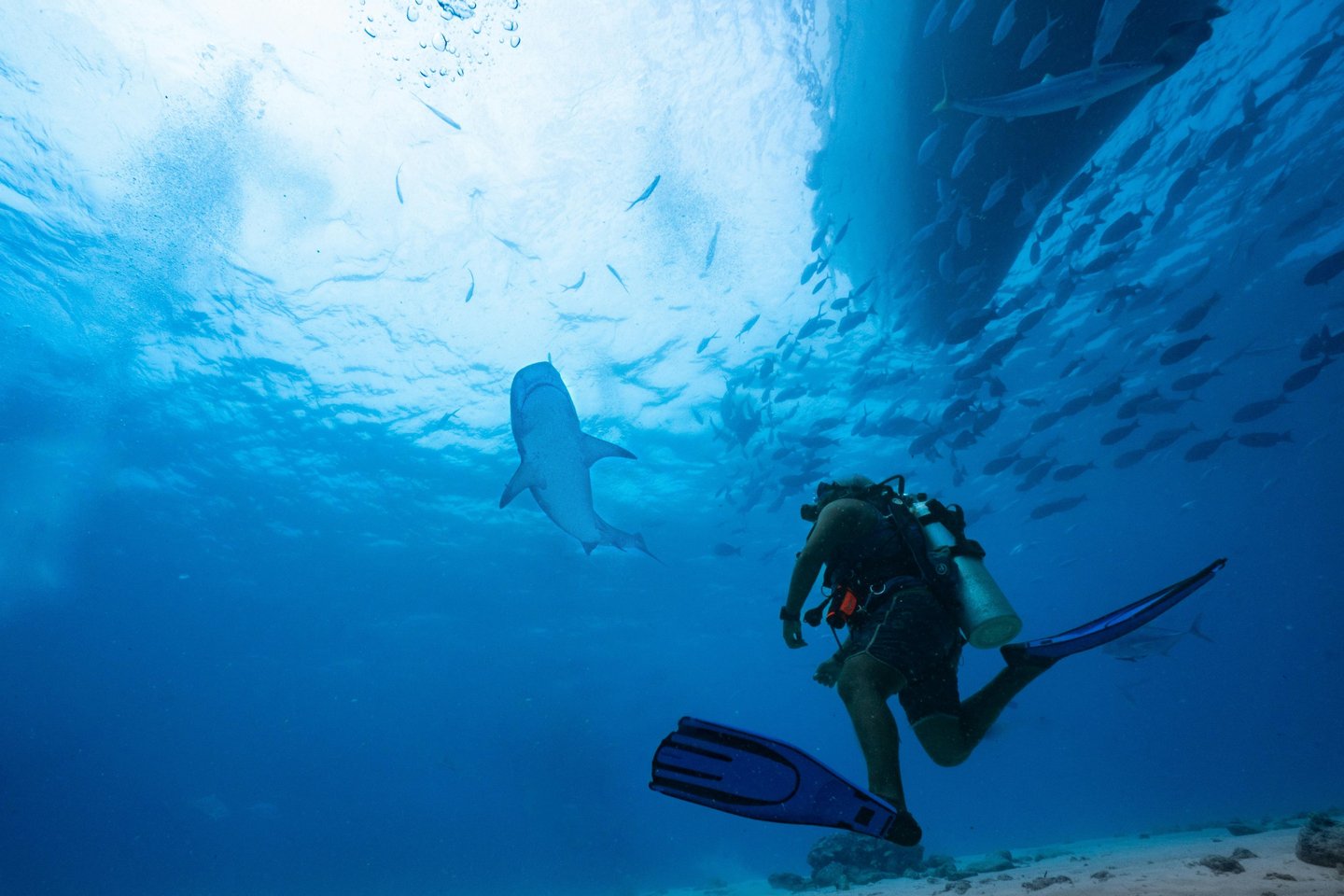
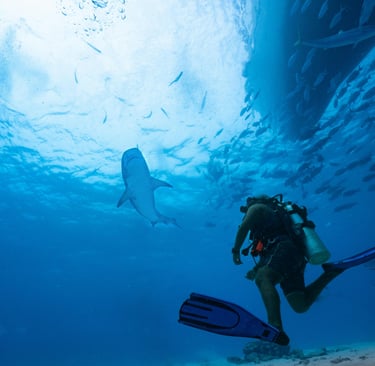
House reefs provide world-class snorkeling, steps from your villa
Swimming with Manta Rays
The Maldives offers reliable manta ray encounters through cleaning stations where these gentle giants come to be cleaned by smaller fish. Hanifaru Bay in Baa Atoll (UNESCO Biosphere Reserve) features dramatic feeding frenzies during southwest monsoon when hundreds of mantas gather in the shallow bay, creating one of nature's great spectacles. Western atolls like North Male and South Male offer year-round manta encounters at specific cleaning stations. Swimming (not diving) with these graceful creatures as they glide past just meters away represents an unforgettable experience. Responsible operators maintain distance and follow protocols protecting both mantas and habitat.
Sunset Dolphin Cruises
Traditional wooden dhoni boats depart resorts at sunset for cruises seeking spinner dolphins that live in Maldivian waters. These athletic dolphins perform spectacular aerial displays—spinning, leaping, and playing in boat wakes as the sun sets over calm seas. The combination of marine mammal encounters, traditional boat experiences, and dramatic tropical sunsets creates magical hour on the water. Most resorts include complimentary sunset cruises, while private charters offer more intimate experiences. The calm seas and abundant dolphin populations make sightings highly reliable, though nature provides no guarantees.
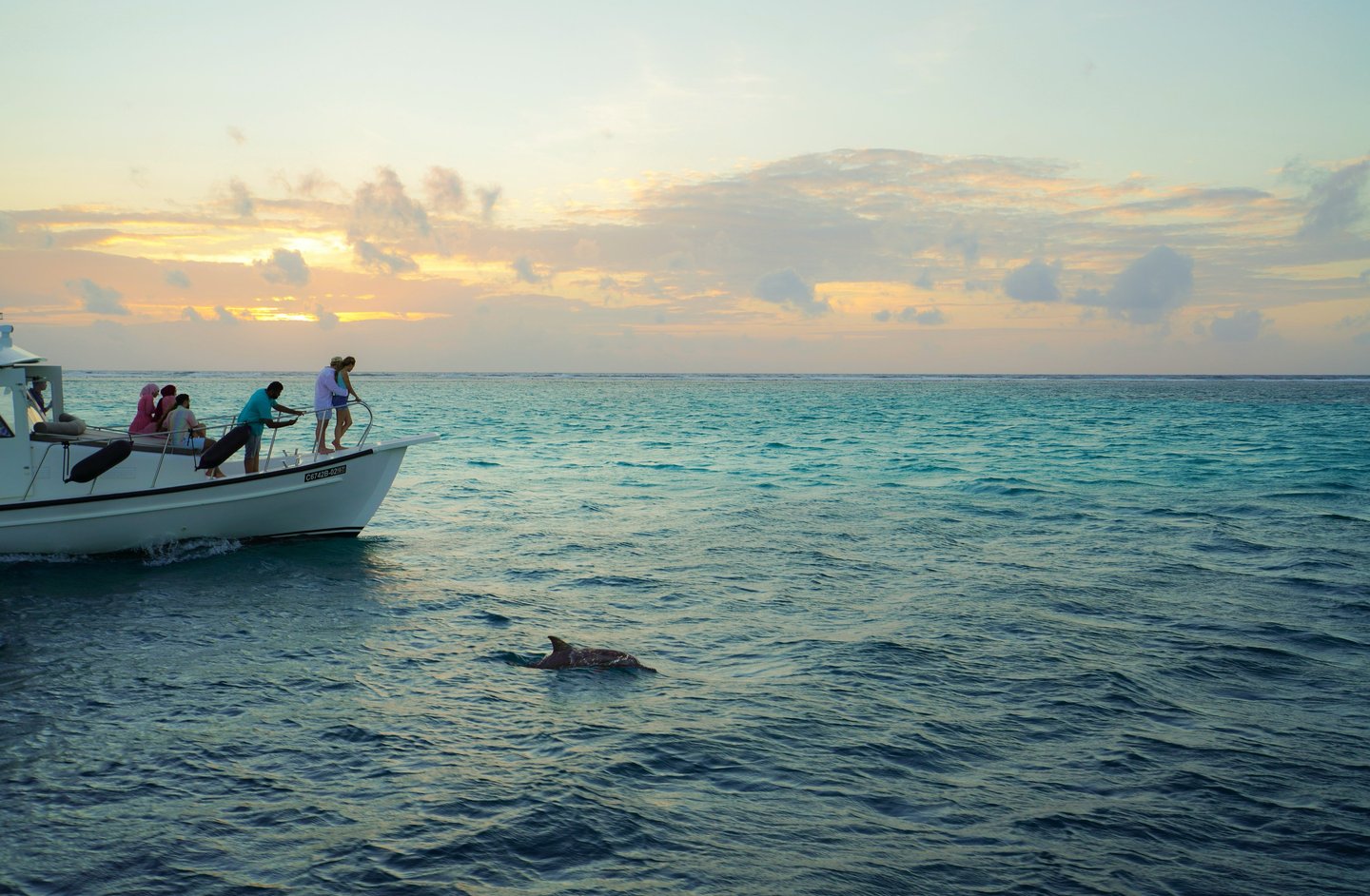
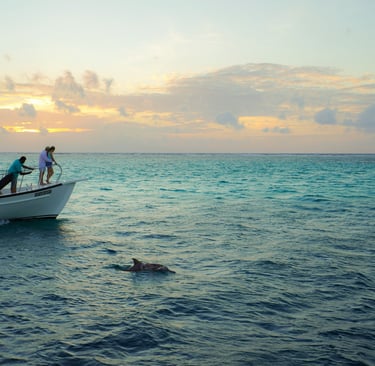
Sunset cruises on traditional dhoni boats reveal spinner dolphins
Private Sandbank Dining:
Many resorts arrange private dining on deserted sandbars—tiny islands of white sand appearing at low tide, accessible only by boat. Staff prepare tables, lanterns, and full dining setups on these temporary islands, creating utterly romantic experiences surrounded by turquoise water and stars. The isolation, the sound of gentle waves, the star-filled sky unobscured by light pollution, and exceptional cuisine create memories justifying the premium cost. Some resorts include this once per stay, while others charge $500-1,500 depending on luxury level. The combination of complete privacy, natural beauty, and personalized service epitomizes Maldives romance.
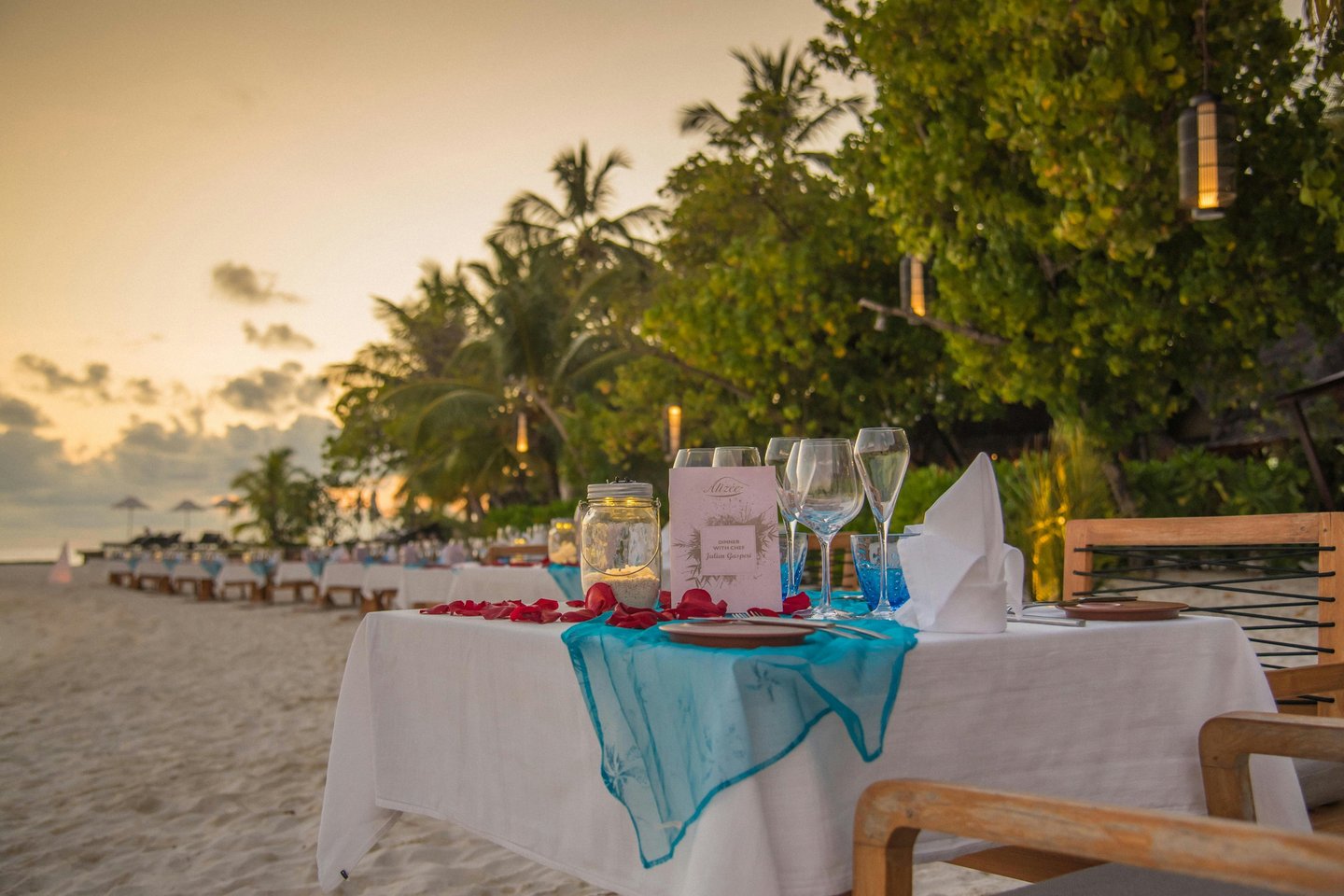
Private sandbank dining creates unforgettable romantic experiences
Underwater Dining
Several Maldives resorts pioneer underwater restaurants where guests dine surrounded by marine life viewing through acrylic walls. Ithaa Undersea Restaurant at Conrad Maldives Rangali Island, Subsix at PER AQUUM Niyama, and 5.8 Undersea Restaurant at Hurawalhi offer surreal experiences of fine dining while sharks, rays, and reef fish swim past. The novelty, engineering feat, exceptional cuisine, and unique ambiance justify prices ($200-500+ per person). Advance reservations essential, particularly at Ithaa which seats only 14. These restaurants demonstrate Maldives innovation in luxury hospitality while providing genuinely unique experiences unavailable elsewhere.
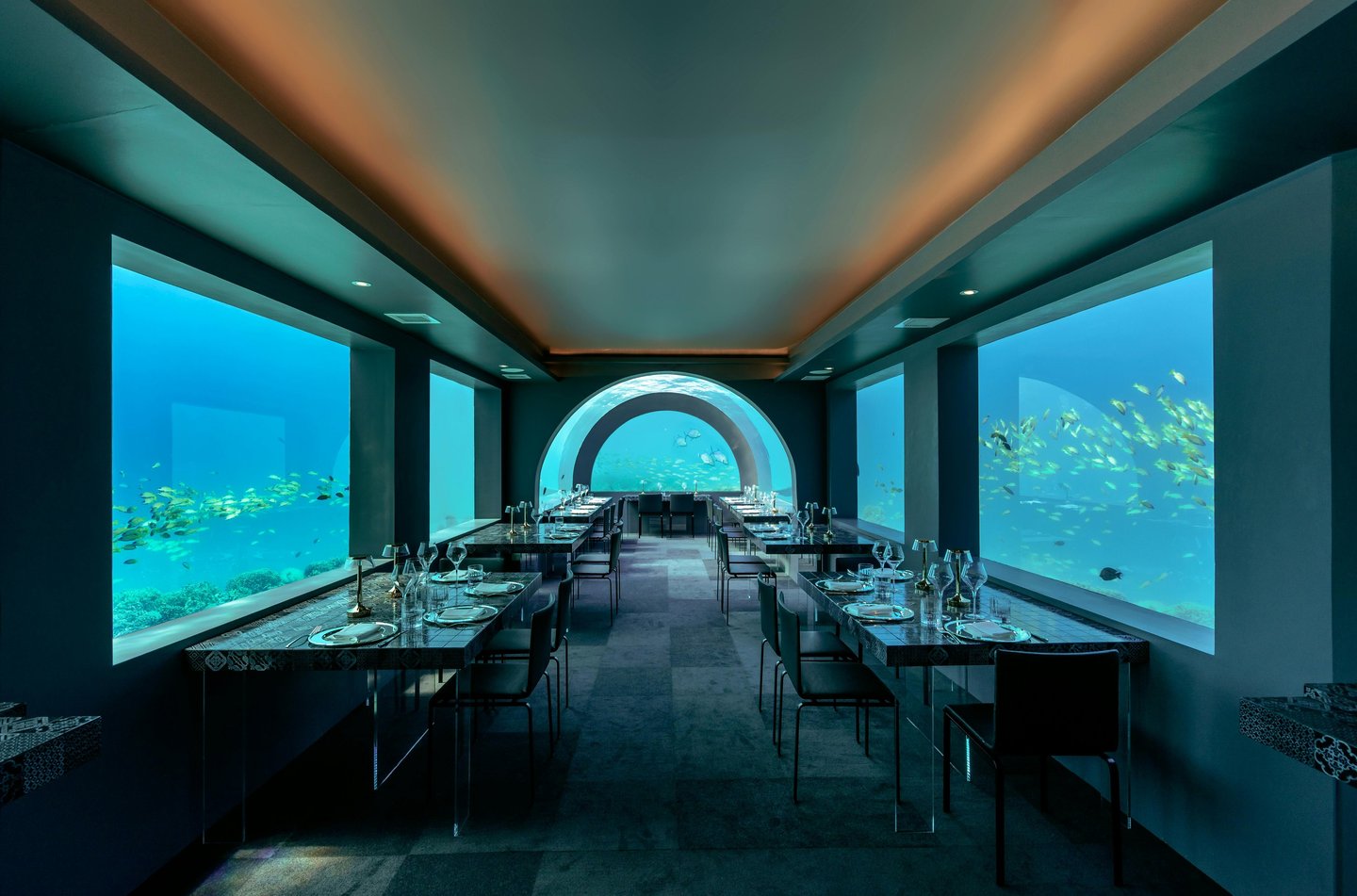
The Maldives features several unique underwater restaurants, including the world's first, Ithaa.
Local Island Visits
Visiting inhabited local islands provides cultural context and authentic Maldivian life contrasting with resort isolation. Organized tours from resorts or independent visits via ferry reveal traditional fishing communities, mosques, schools, and local crafts. Respect for Islamic culture requires modest dress (covered shoulders and knees), no public displays of affection, and no alcohol. Local island guesthouses offer budget accommodation alternative to resort luxury, allowing extended stays at fraction of resort costs. These communities welcome tourism revenue while maintaining traditional lifestyles, creating genuine cultural exchange opportunities.
Spa Treatments Over Water
Overwater spa pavilions epitomize Maldives wellness experiences—massage tables positioned over glass floors revealing tropical fish below, ocean breezes flowing through open-sided treatment rooms, and rhythmic waves creating natural soundtrack. Treatments blend Ayurvedic traditions, Thai massage techniques, and modern therapies using natural ingredients. The combination of skilled therapists, luxurious products, and stunning natural setting creates transformative relaxation. Most resorts maintain extensive spa menus with couples' treatments, multi-day wellness packages, and yoga sessions on overwater platforms or beaches at sunrise.
Where to Stay in Maldives
Ultra-Luxury: Soneva Fushi (Baa Atoll)
This pioneering eco-luxury resort defines barefoot luxury through vast villas (largest 9 bedrooms) with private pools, slides to lagoons, rooftop star beds, personal butler service, and commitment to sustainability without compromising comfort. The resort's "no news, no shoes" philosophy encourages complete disconnection, while exceptional dining includes overwater restaurant, chocolate room, organic gardens, and ice cream parlor. The house reef ranks among Maldives' best, the spa occupies its own island, and the overall experience combines environmental consciousness with uncompromising luxury. The Cinema Paradiso—outdoor movie theater on the beach—and Observatory with astronomer-in-residence demonstrate creative luxury beyond standard resort amenities. Villas from $1,500-20,000+ per night reflect extraordinary quality, size, and service.
Ultra-Luxury: Gili Lankanfushi (North Male Atoll)
This rustic-chic resort embraces natural materials and local craftsmanship through overwater villas built with sustainably-sourced wood, reaching up to 1,700 square meters for the Private Reserve—one of the world's largest overwater villas. Each villa includes personal butler ("Mr./Ms. Friday"), water bicycles, snorkeling gear, and thoughtful amenities like pillow menus and guitar libraries. The organic garden supplies restaurants, the menus emphasize fresh seafood, and the overwater spa delivers exceptional treatments. The proximity to Male (20 minutes by speedboat) provides easy access while maintaining absolute tranquility. The property attracts celebrities, honeymooners, and those seeking understated luxury emphasizing experience over ostentation. Villas from $1,200-8,000+ per night.
Luxury: Conrad Maldives Rangali Island (South Ari Atoll)
This dual-island resort offers comprehensive luxury through 150 villas ranging from beach villas to two-story overwater suites, 12 restaurants including Ithaa Undersea Restaurant, extensive spa, and family-friendly amenities making it suitable for couples and families. The underwater restaurant attracts global attention, while the house reef provides excellent snorkeling with regular whale shark sightings in season. The resort balances sophistication with accessibility—children welcome but also providing adults-only areas. The South Ari Atoll location offers whale shark encounters while seaplane transfers from Male (30 minutes) create dramatic arrival experiences. Rates from $600-3,000+ per night deliver luxury at various price points within single property.
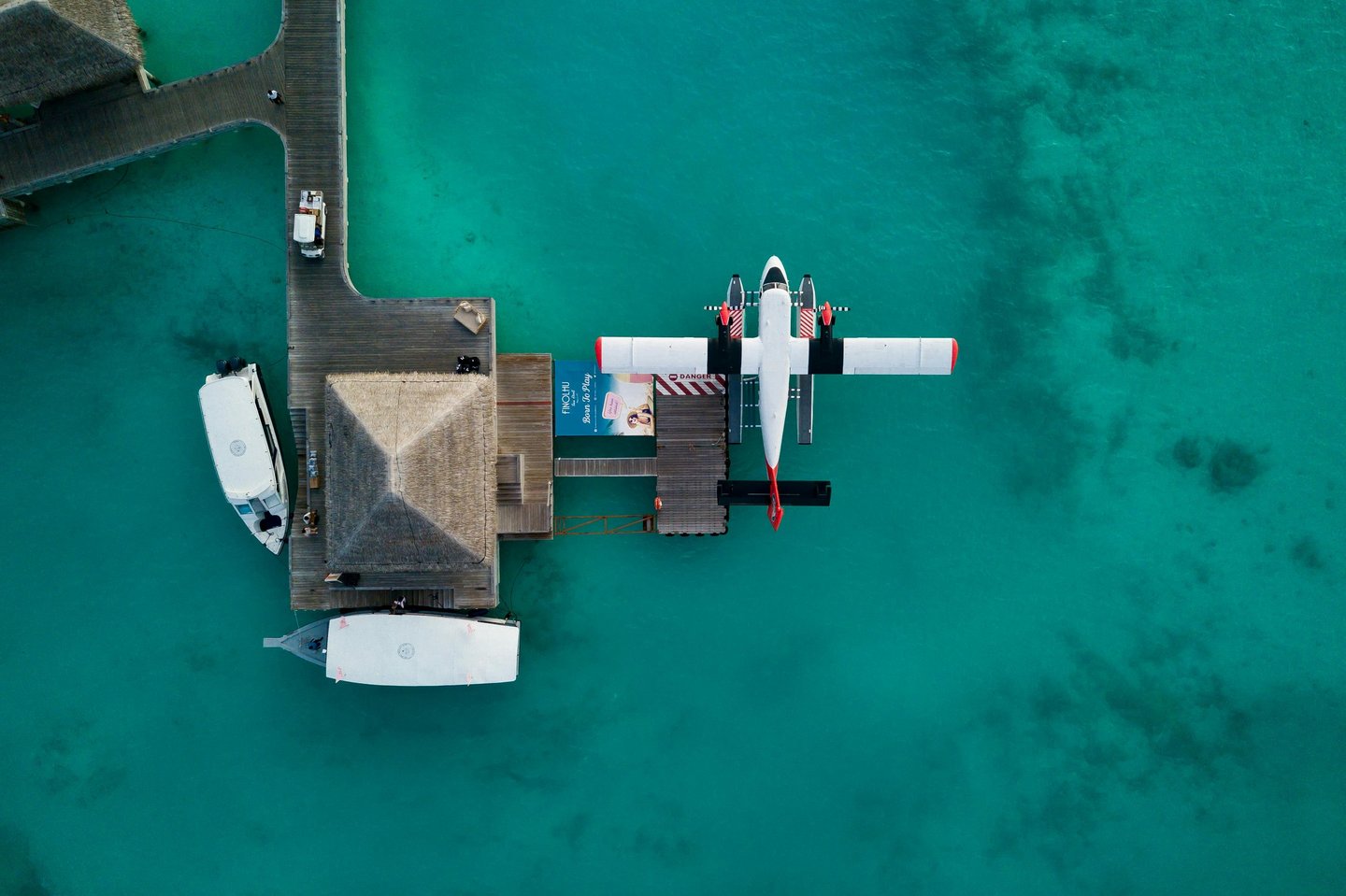
Luxury resorts occupy entire private islands, accessible by seaplane
Mid-Range Resort: Kuramathi Maldives (Rasdhoo Atoll)
This large resort island (1.8 km long) provides varied accommodation from garden villas to overwater bungalows, multiple restaurants, extensive facilities, and better value than smaller boutique properties. The size allows diverse experiences—quiet beaches, lively pool areas, multiple dining options, and comprehensive activities. The long house reef, three lagoons, and consistent marine life provide excellent snorkeling, while the island's size means guests can find solitude despite 360+ villas. The property suits couples seeking resort experience at moderate prices, families wanting variety, and divers accessing excellent sites. Speedboat transfer (90 minutes from Male) costs less than seaplane. Rates from $300-900 per night offer Maldives luxury at accessible prices.
Budget: Local Island Guesthouses (Various Atolls)
Local islands hosting guesthouses provide budget Maldives access with rooms from $50-150 per night including accommodation, often meals, and authentic cultural experiences. Properties like Arena Beach Hotel (Maafushi), Crystal Beach Inn (Guraidhoo), and Rashu Hiyaa (Rasdhoo) offer clean, comfortable rooms, rooftop terraces, and activities like diving, snorkeling, and island hopping. Guests experience genuine Maldivian life, eat at local cafés, and access excellent diving at fraction of resort costs. Limitations include no alcohol (Islamic law), modest dress requirements outside designated "bikini beaches," and fewer amenities than resorts. Ferries connect local islands to Male and between islands, though comfort and schedules vary.
Mid-Range: Safari Liveaboards
Diving liveaboards offer alternative accommodation combining budget savings with comprehensive diving access—7-10 day cruises visiting multiple atolls with 3-4 dives daily, all meals included, and opportunities to dive world-class sites impossible to reach from fixed resorts. Vessels range from basic (shared cabins, $1,000-1,500 per week) to luxury (en-suite cabins, $2,500-4,000+ per week). The combination of diving immersion, diverse atolls, social atmosphere, and relative value appeals to serious divers willing to sacrifice resort luxuries for underwater experiences. Routes visit different atolls seasonally following best conditions and marine life—central atolls (North/South Male, Ari) year-round, northern atolls during northeast monsoon, and southern atolls during southwest monsoon.
Maldives Culinary Highlights
Maldives cuisine combines fresh seafood, coconut, and spices reflecting centuries of trade between India, Sri Lanka, and the Middle East. While resort dining often emphasizes international cuisine, seeking traditional Maldivian dishes and fresh seafood provides authentic culinary experiences.
Traditional Maldivian Cuisine
Local dishes feature tuna (the national fish) prepared numerous ways—mas huni (shredded smoked tuna with coconut, chili, and lime) traditionally served for breakfast with roshi (flatbread), garudhiya (fragrant fish soup) served with rice and condiments, and rihaakuru (thick fish paste) used as condiment or cooking base. Curries incorporating coconut milk, fish, and spices demonstrate Indian and Sri Lankan influences, while short eats (hedhikaa) like bajiya (pastries filled with fish or vegetables) and kulhi boakibaa (spicy fish cakes) appear at tea time. Local island cafés and resort cultural nights offer authentic preparations, though resort menus tend toward international cuisine to accommodate diverse guests.
Fresh Seafood Excellence
The Maldives' island geography ensures exceptional seafood freshness—tuna, snapper, grouper, lobster, prawns, and octopus caught daily by local fishermen. Resort restaurants prepare seafood through various methods—grilled over coconut husks, steamed in banana leaves, prepared as sashimi and ceviche, or incorporated into international dishes. Beach barbecues featuring grilled fish, lobster, and shellfish demonstrate simple preparations highlighting ingredient quality. The yellowfin tuna (kandu mas) particularly impresses in its versatility—from raw preparations to curries. Many resorts operate fishing trips allowing guests to catch fish prepared same evening by resort chefs.
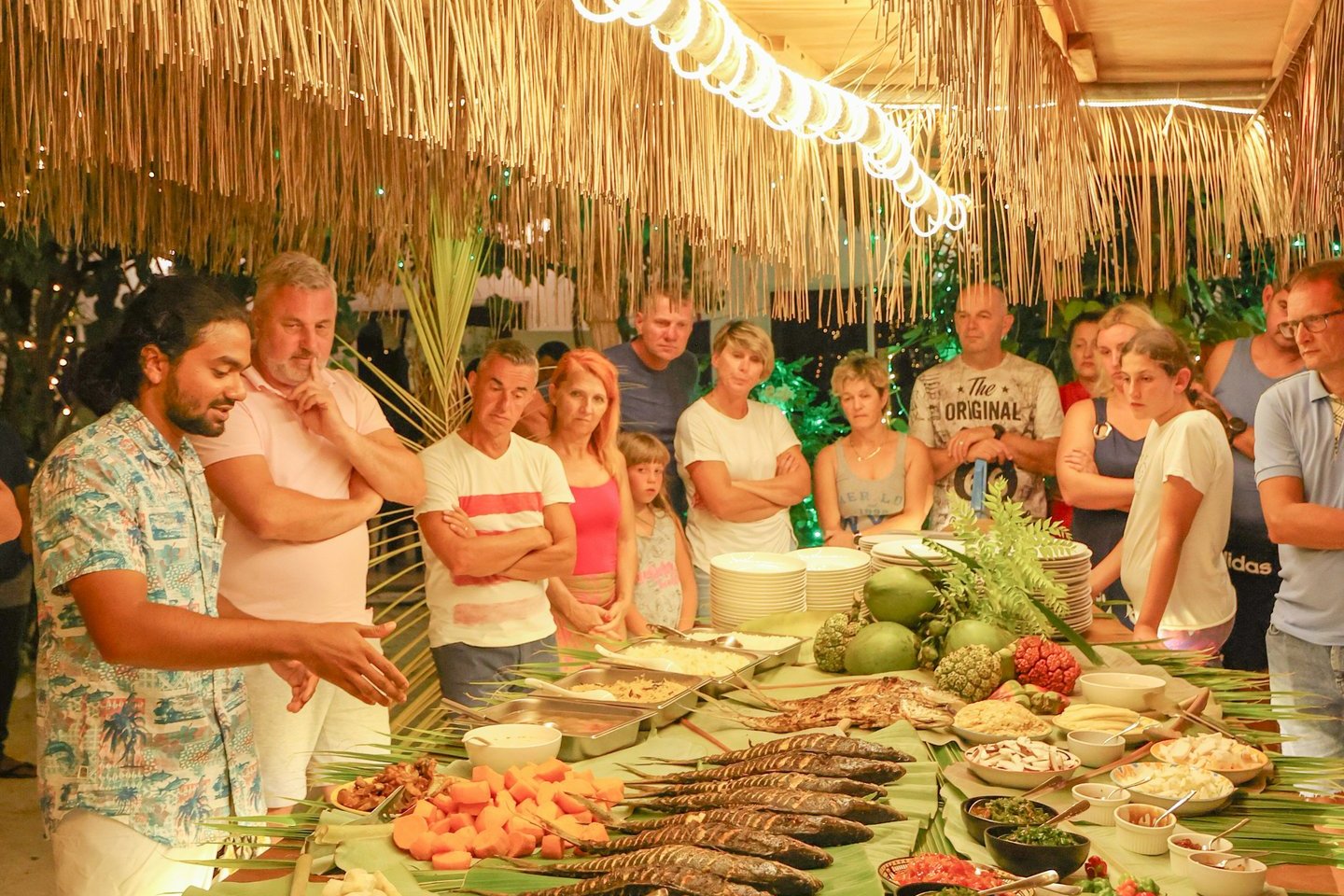
Fresh seafood caught daily features prominently in Maldivian cuisine
International Fine Dining
High-end resorts attract celebrated chefs creating restaurants rivaling global fine dining destinations. Japanese, Italian, Middle Eastern, and contemporary European cuisines appear across resort portfolios, with emphasis on fresh, premium ingredients and creative presentations. Wine cellars stock extensive international collections, often with sommelier pairings for tasting menus. The combination of stunning locations (overwater, beachfront, treetop), exceptional ingredients, skilled chefs, and comprehensive service justifies premium prices ($100-500+ per person). Advance reservations essential for specialty restaurants, particularly during peak season.
Resort Dining Experiences
Beyond traditional restaurants, resorts create memorable dining through location and concept—breakfast floating on lagoons delivered to overwater villas, champagne breakfasts on sandbanks, private island dinners under stars, sunset cocktails on boat decks, and themed nights celebrating various cuisines. All-inclusive packages typically include main restaurants with à la carte specialty dining requiring reservations and possible supplements. The variety, quality, and presentation standards at top resorts rival luxury hotels globally while incorporating stunning natural settings unique to the Maldives.
Budget Options on Local Islands
Local island cafés and restaurants serve authentic Maldivian food at local prices ($3-8 per meal)—curries, fried fish, short eats, and fresh juices. While lacking resort sophistication, these establishments provide genuine cuisine in unpretentious settings. Some local islands feature high-end restaurants catering to guesthouse guests, offering fresh seafood and international dishes at moderate prices ($15-30 per meal)—significant value compared to resort dining. The alcohol prohibition on inhabited islands means no wine pairings, though fresh juices and coconuts provide refreshing accompaniment.
Practical Maldives Tips
Getting There and Transfers
Velana International Airport (Male) serves as the Maldives gateway, with direct flights from major hubs in Middle East, Asia, and increasingly Europe. Resorts arrange transfers by speedboat (for nearby resorts, 20-90 minutes, $100-300 per person round-trip) or seaplane (for distant resorts, 20-60 minutes, $300-800+ per person round-trip). Seaplane flights operate daylight only, so arrivals after approximately 3:30 PM may require overnight in Male. Seaplanes provide spectacular aerial views of atolls, making premium cost worthwhile. Domestic flights on small planes serve more distant atolls. Transfer costs add significantly to overall trip expenses—factor these into budget planning.
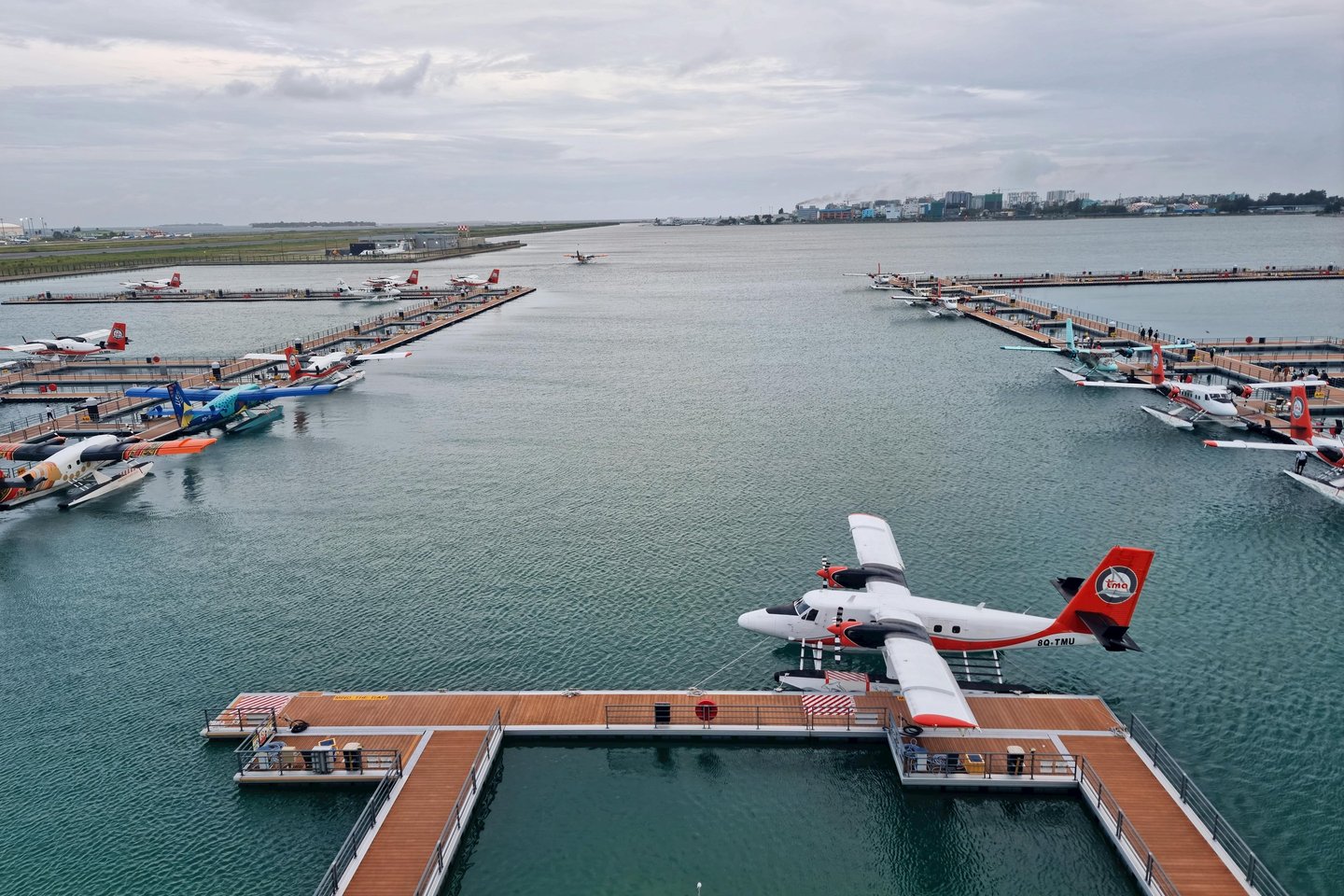
Seaplane transfers provide spectacular aerial views of the Maldives
Costs and Budgeting
The Maldives ranks among the world's most expensive destinations, though budget options exist. Luxury resorts range $800-2,000+ per night (many all-inclusive), mid-range $300-800, and local island guesthouses $50-150. All-inclusive packages provide better value at high-end resorts where à la carte dining, drinks, and activities quickly accumulate charges. Hidden costs include transfers, diving/spa/excursions, specialty dining, alcohol (heavily taxed), and departure tax. Budget travelers can experience the Maldives via local islands with guesthouses, local ferries, dive shops, and cafés totaling $80-120 daily versus $500-2,000+ daily at resorts.
What to Pack
Bring reef-safe sunscreen (many resorts ban chemical sunscreens protecting corals), quality snorkeling gear if particular about fit/comfort (though resorts provide equipment), underwater camera or phone housing for marine life photography, light breathable clothing, and modest cover-ups for local island visits. Most time spent barefoot—pack minimal footwear. Resorts maintain casual elegance dress codes (smart casual for dinner, no formal requirements). Bug spray for sunset hours, though mosquitoes typically minimal on resort islands. Power adapters for British-style three-pin sockets (230V).
Alcohol Policies
Resorts serve alcohol as they operate outside Islamic restrictions applying to inhabited islands. Local islands prohibit alcohol completely—attempting to bring alcohol to local islands results in confiscation and potential fines. Resorts charge premium prices for alcohol due to import costs and taxes—cocktails $15-25, wine by glass $12-20, bottles $60-200+. Some all-inclusive packages include alcohol (specify brands/tiers), others exclude or limit quantities. Departure duty-free at Male airport offers last chance to purchase alcohol for home at reasonable prices.
Tipping and Service Charges
Most resorts add 10% service charge and 12% GST (goods and services tax) to all bills—factor 22% additional cost beyond quoted rates. Despite service charges, tipping remains customary—$2-5 per day for housekeeping, $5-10 per day for butler service, 10% for spa treatments if not included, and discretionary amounts for exceptional service. Consolidate tips at departure or use resort tip envelopes rather than daily cash. On local islands, tipping less expected but appreciated—round up restaurant bills, tip dive instructors $5-10 per dive.
Environmental Consciousness
The Maldives' vulnerability to climate change (rising seas threatening to inundate this low-lying nation) makes sustainable tourism crucial. Choose resorts with environmental initiatives—solar power, desalination, coral restoration, plastic reduction, and marine protection. Use reef-safe sunscreen, avoid touching coral while snorkeling/diving, don't purchase coral or shell souvenirs, minimize plastic use, and respect marine life distance. Many resorts participate in coral planting programs allowing guests to contribute. Your tourism dollars and conscious choices support preservation of this fragile paradise.
Health and Safety
The Maldives is exceptionally safe with virtually no crime. Primary health concerns involve sun exposure (use high SPF sunscreen, seek shade midday, stay hydrated), marine hazards (never touch coral, watch for urchins, follow dive guides), and occasional seasickness during rough seas. Tap water generally safe at resorts (desalinated seawater) but bottled water available. Resorts maintain medical clinics with doctors, though serious issues require evacuation to Male or neighboring countries—comprehensive travel insurance essential. Dive insurance covering hyperbaric chamber and evacuation strongly recommended for divers.
Cultural Sensitivity
While resorts operate outside Islamic restrictions, respect remains important. When visiting local islands, dress modestly (shoulders and knees covered), avoid public displays of affection, and respect prayer times when shops/restaurants may close briefly. Remove shoes when entering homes and mosques. No alcohol or pork on inhabited islands. Photography of locals (particularly women) requires permission. Friday (Islamic holy day) sees reduced services. The Maldivian people are warm and welcoming, appreciating respectful interest in their culture beyond resort boundaries.
The Maldives rewards every type of traveler—whether you seek ultimate luxury in overwater villas, diving adventures exploring pristine reefs, romantic seclusion on private islands, or authentic cultural experiences on local islands. This remarkable nation's combination of natural perfection and hospitality excellence, pristine marine ecosystems and sustainable luxury, absolute privacy and genuine warmth creates a destination that exceeds imagination. From your first glimpse of turquoise atolls from your seaplane window to your final sunset from your villa deck, from swimming alongside gentle manta rays to dining under stars on a private sandbar, the Maldives delivers moments of transcendent beauty that transform travelers and create lifelong devotion to these extraordinary islands in the Indian Ocean.
Luxury Resorts • Overwater Villas • Island Paradise
Compare on Expedia | Find activities on GetYourGuide
“© 2025-2026. All rights reserved.
This blog may contain affiliate links, which means I might earn a small commission, at no extra cost to you, if you decide to make a booking through one of these links. I only recommend products and services I actually use or genuinely believe will bring value. For more information visit http://paidforadvertising.com. Thank you for your support!
Affiliate Disclosure


Important Links
Continents
Find Us Here
Follow Us
Welcome to The Gilded Globe, your premier guide to crafting journeys that are seamless as they are extraordinary. We believe that travel is not just about the destination, it's about the richness of the experience - from the first spark of inspiration to the memories you bring home.