
TOKYO: WHERE ANCIENT TRADITION MEETS FUTURISTIC INNOVATION
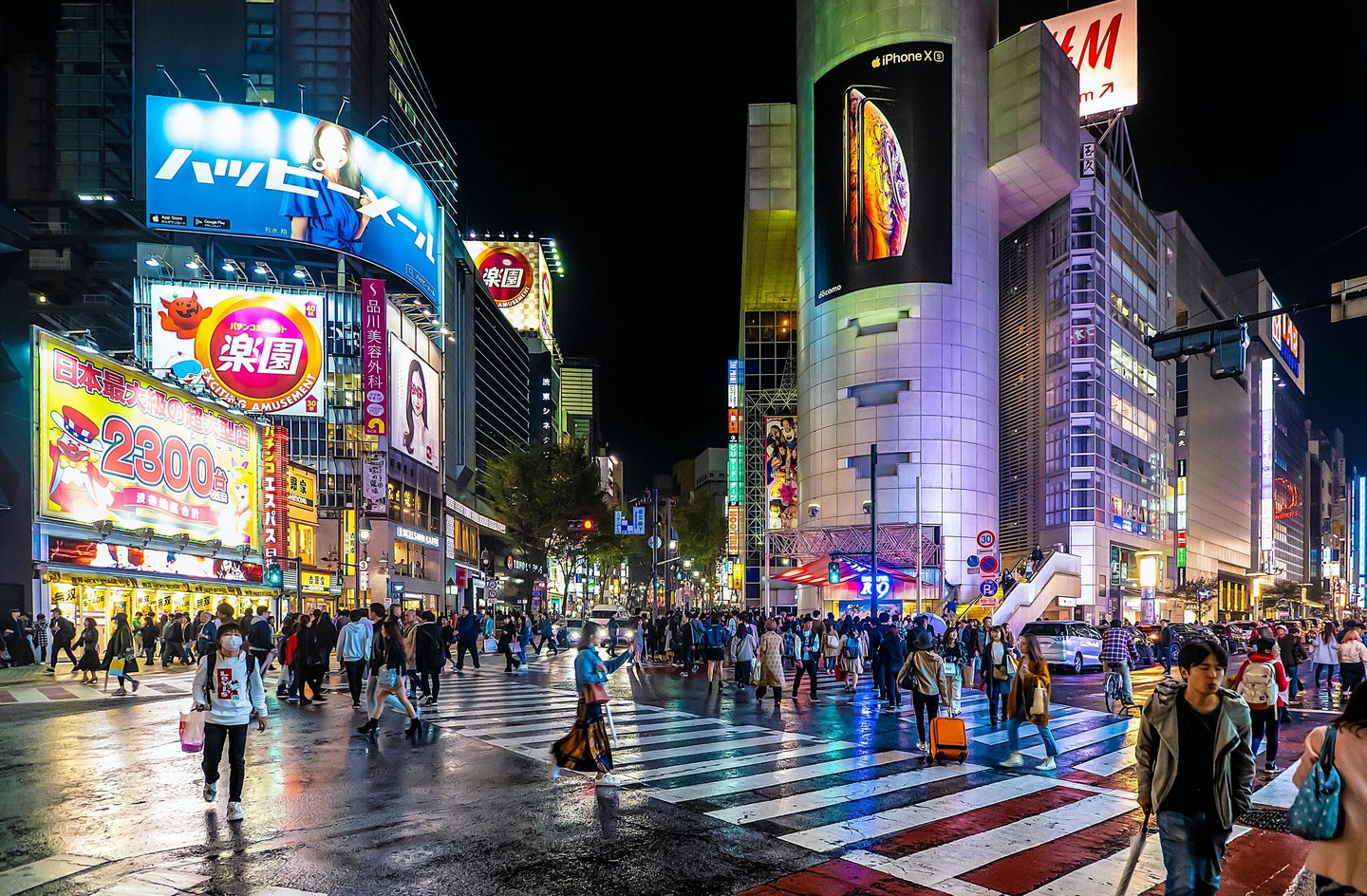
Japan's Captivating Capital
Tokyo mesmerizes as the world's most fascinating metropolis, where centuries-old temples stand beside neon-lit skyscrapers, traditional tea ceremonies coexist with robot restaurants, and impeccable manners meet cutting-edge technology. This extraordinary capital of 14 million people seamlessly blends ancient and ultramodern, creating experiences found nowhere else on Earth.
Spend your mornings exploring serene Buddhist temples, your afternoons savoring world-class sushi at intimate counters, and your evenings dancing in futuristic nightclubs—all within a few subway stops. With over 226 Michelin stars and legendary hospitality, Tokyo delivers cultural depth, culinary excellence, and unforgettable moments at every turn.
Whether planning a first visit or returning to explore deeper, this comprehensive Tokyo guide reveals the best hotels, must-see attractions, hidden gems, and insider tips to help you experience Japan's capital like a seasoned traveler.
Or compare on Booking.com
Tokyo's Cultural Heritage
400 Years of Edo History
Tokyo, originally named Edo, emerged as Japan's political center in 1603 when Tokugawa Ieyasu established his shogunate here. For over 250 years, Edo flourished as the world's largest city, developing unique culture, arts, and traditions. The 1868 Meiji Restoration renamed the city Tokyo ("Eastern Capital") as the imperial seat moved from Kyoto.
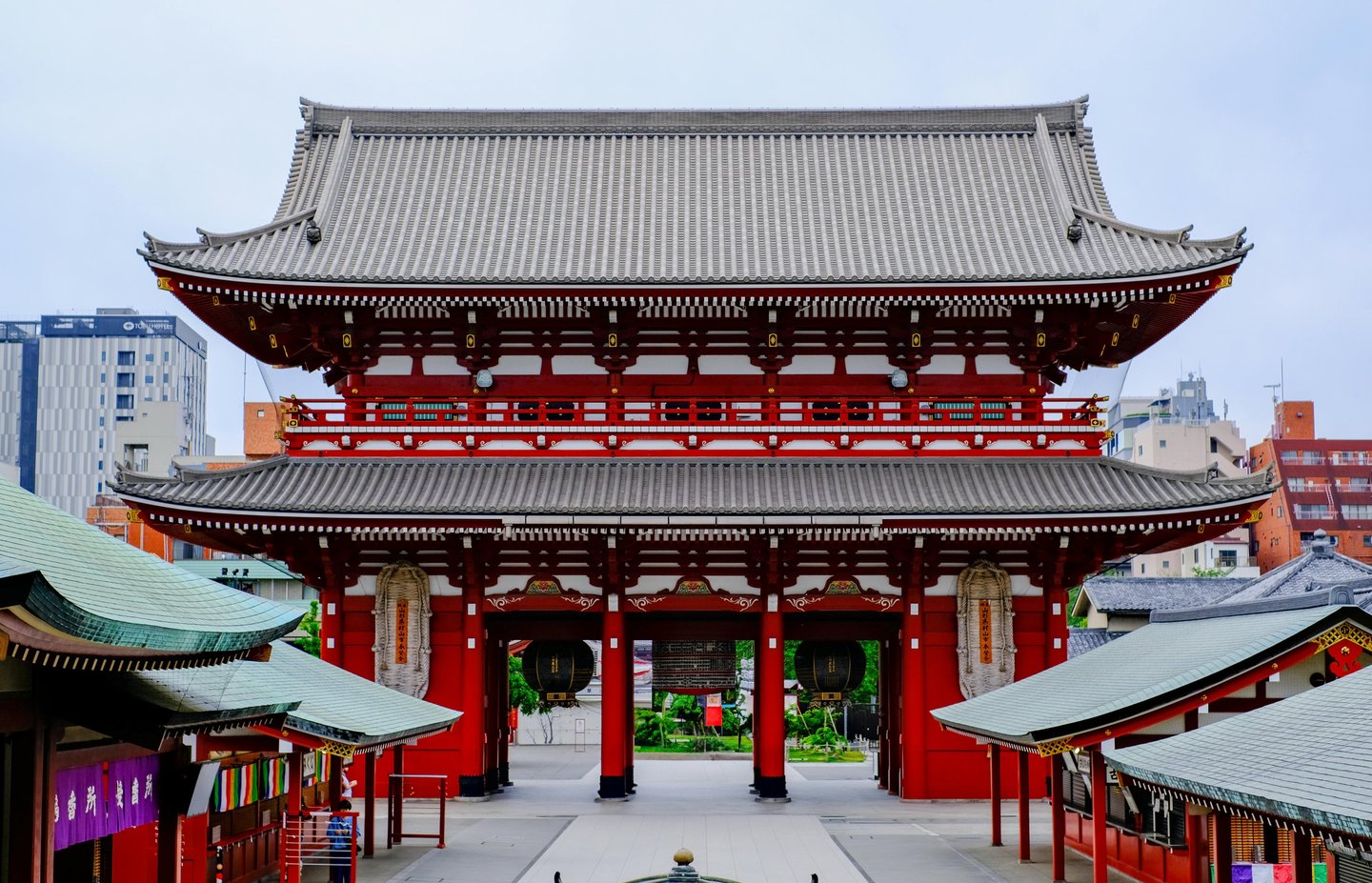
Senso-ji Temple, founded in 645 AD, preserves Tokyo's ancient heritage
Today's Tokyo preserves this rich heritage through historic temples like Senso-ji (founded 645 AD), traditional gardens, and neighborhoods like Asakusa where Edo-period atmosphere survives. The city's legendary hospitality—omotenashi—reflects centuries of refined cultural practice, while seasonal celebrations like hanami cherry blossom viewing continue traditions dating back generations.
Best Time to Visit Tokyo
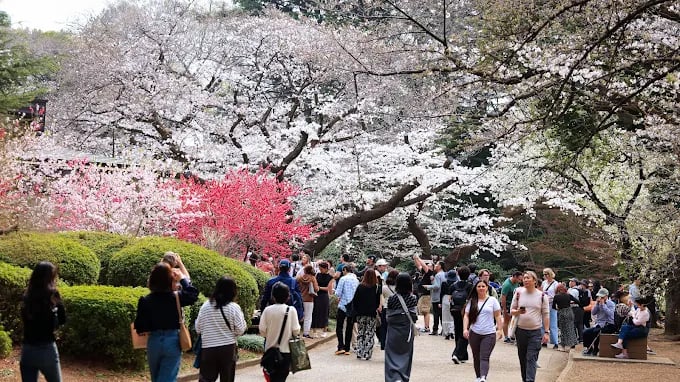
Cherry blossoms transform Tokyo each late March through early April
Tokyo offers year-round appeal, though each season brings distinct advantages.
Spring (March-May) - Peak Season
Cherry blossom season (late March-early April) transforms Tokyo into pink wonderland. Parks fill with hanami viewing parties, creating magical atmosphere. Expect highest prices, largest crowds, and advance booking requirements. May offers pleasant 60-75°F weather with fewer tourists after blossoms fade. Best for cherry blossom enthusiasts and those seeking Tokyo's most iconic experience.
Summer (June-August) - Hot & Humid
Heat, humidity, and June-July rainy season bring fewer international tourists. Summer offers spectacular fireworks festivals, rooftop beer gardens, and atmospheric Obon celebrations. Air conditioning provides refuge throughout the city. Best for festival lovers and those avoiding peak prices.
Autumn (September-November) - Ideal Season
Comfortable 60-75°F temperatures, lower humidity, and spectacular autumn foliage peaking in November. Temple gardens display vibrant colors, clear skies dominate, and walking weather proves perfect. Rivals spring as Tokyo's best season without cherry blossom crowds. Best for photographers and comfortable exploration.
Winter (December-February) - Best Value
Mild 35-50°F temperatures with clear, sunny days. Lowest hotel rates, smallest crowds, spectacular illumination displays citywide, and unique New Year shrine experiences. Too cool for outdoor activities but perfect for museums, dining, and authentic local atmosphere. Best for budget travelers and cultural immersion.
Insider tip: Target late September through November for optimal weather, manageable crowds, and reasonable prices.
Tokyo's Major Events
January: New Year shrine visits; Late March-Early April: Cherry blossom season; Late May-June: Sanja Matsuri festival; July-August: Sumida River fireworks; Mid-August: Obon festival; November: Autumn foliage peak; December: Winter illuminations city wide.
Where to Stay in Tokyo: Best Neighborhoods
Shinjuku - Best for First-Time Visitors
Tokyo's transportation hub and entertainment district with unmatched train access to all attractions. Widest hotel selection across all budgets. Walking distance to Shinjuku Gyoen Garden and free observation decks. Endless dining from budget ramen to Michelin-starred. Direct airport connections. Can be overwhelming with neon overload and crowds. Best for maximizing convenience and options.
Shibuya - For Energy & Youth Culture
Iconic Shibuya Crossing, vibrant nightlife, excellent shopping, and walking distance to Harajuku and Meiji Shrine. Central metro connections and safe late-night streets. Loud at ground level—request upper floors. Best for experiencing modern Tokyo energy and youth culture.
Ginza - For Luxury & Sophistication
Tokyo's premier shopping district with flagship boutiques, department stores, and upscale dining. Sunday afternoon pedestrian paradise when main boulevard closes to traffic. Quieter, elegant atmosphere versus Shibuya chaos. Walking distance to Tsukiji Market and Tokyo Station. Best for luxury travelers and shoppers.
Roppongi - For International Atmosphere
Cosmopolitan district with multilingual services, diverse global cuisine, world-class museums (Mori Art Museum, National Art Center), and vibrant nightlife. Western-friendly environment. Hotels in Midtown/Hills complexes quieter than street-level. Best for international business travelers and museum enthusiasts.
Asakusa - For Traditional Atmosphere
Historic district centered on Senso-ji Temple with preserved Edo-period character. Traditional ryokan inns, classic restaurants, and more affordable rates than central districts. Walking distance to Tokyo Skytree. Experience morning temple rituals before crowds. Best for cultural immersion and budget-conscious travelers.
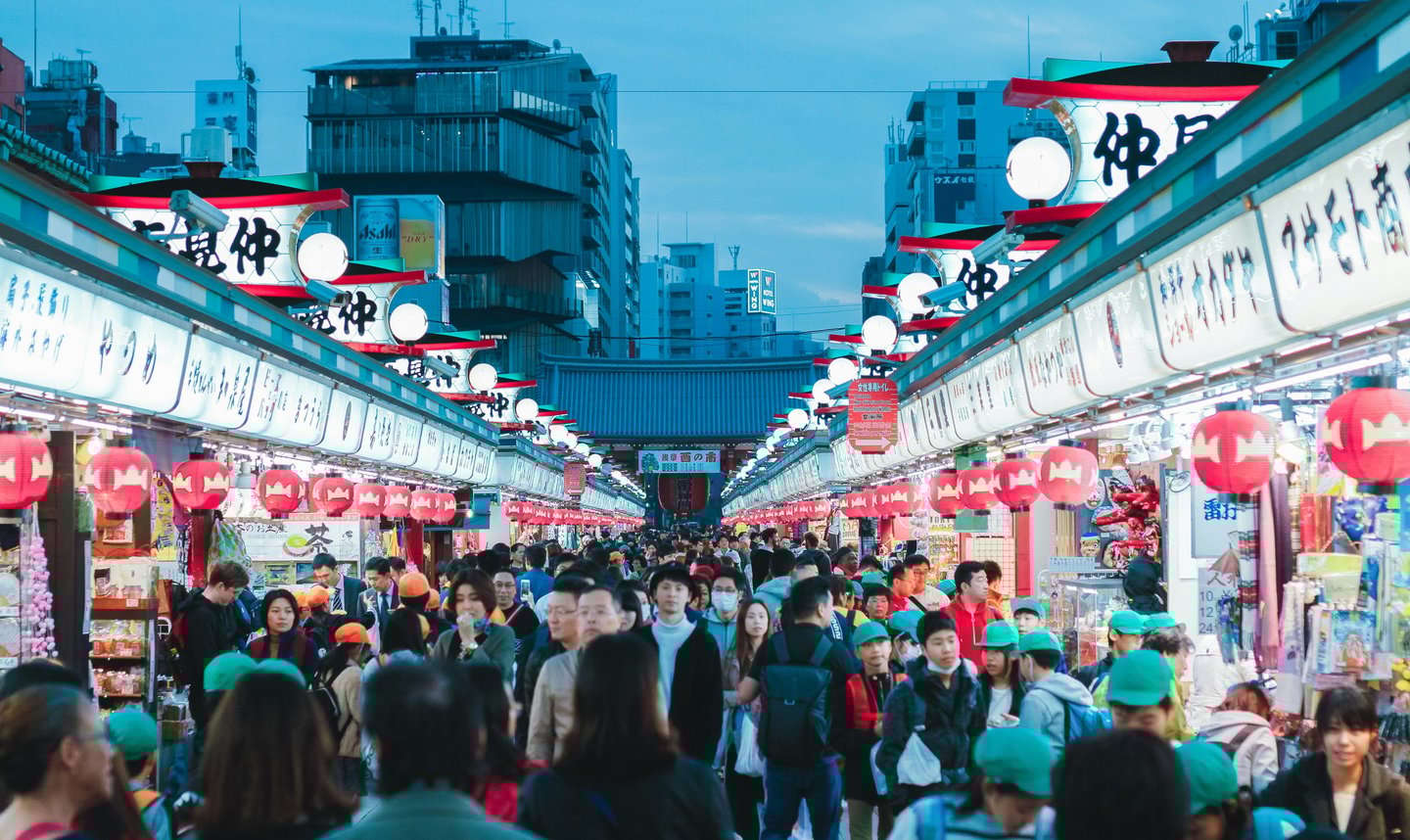
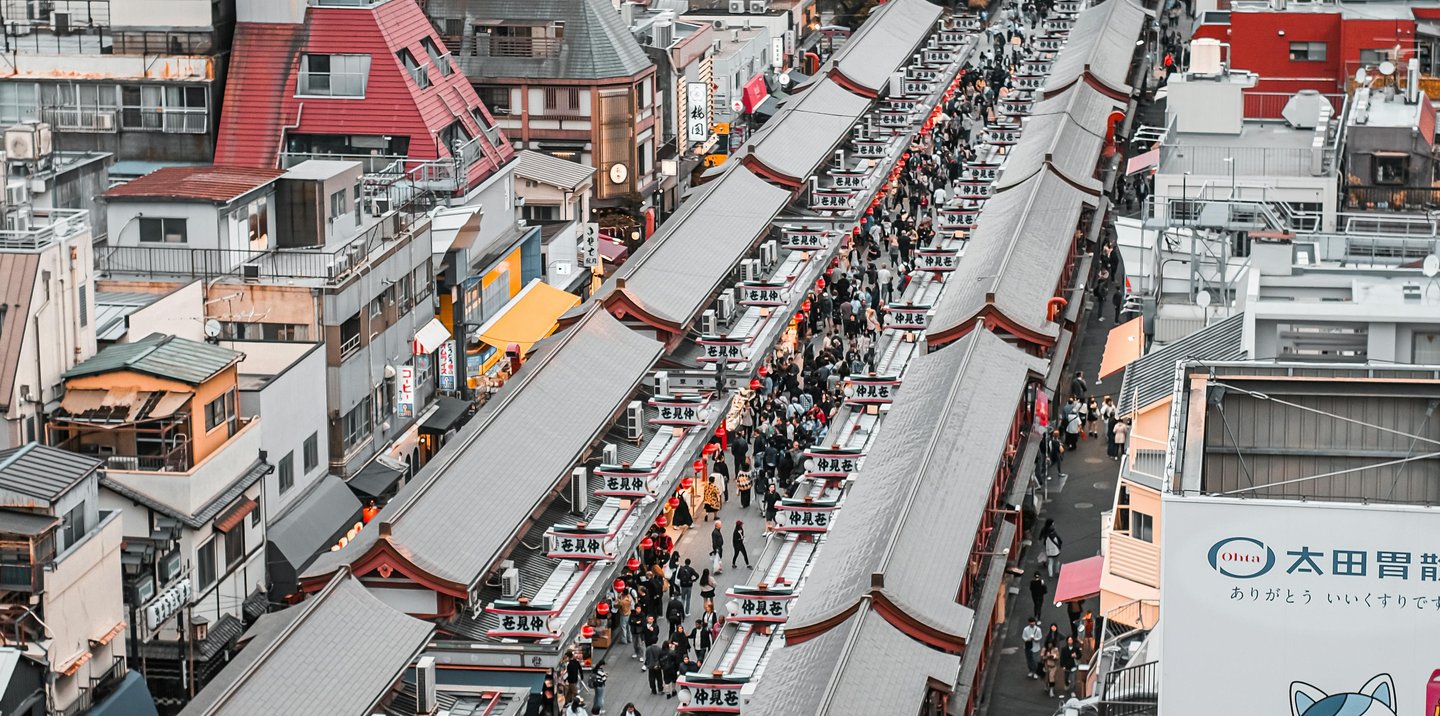
Asakusa's Nakamise shopping street leads to Senso-ji Temple
Best Luxury Hotels in Tokyo
Four Seasons Hotel Tokyo at Otemachi
Perched on floors 39-52 of a sleek tower, offering Tokyo's finest views—particularly Mount Fuji on clear days from west-facing rooms. Just 57 intimate rooms with floor-to-ceiling windows, deep soaking tubs positioned for skyline views, and exceptional French restaurant SÉZANNE. Direct underground connection to Tokyo Station for seamless bullet train access. Award-winning spa with seasonal treatments.
Rates: From $800-1,200 | Book: [Booking.com] [Expedia]
Insider tip: 39th-floor lobby provides immediate escape above the city. Request west-facing rooms for Mount Fuji views and sunset perspectives.
Mandarin Oriental Tokyo
Bold contemporary luxury rising above Nihonbashi district on top nine floors of Mitsui Tower. Expansive rooms (Tokyo's largest) with Mount Fuji window views, vibrant design with Japanese art accents, and legendary breakfast. Spectacular 37th-floor spa, Michelin-starred dining, and 38-meter city-view pool. Walking distance to Ginza.
Rates: From $600-900 | Book: [Booking.com] [Expedia]
Insider tip: The spa and breakfast justify splurging on room category—both are extraordinary experiences worth the premium.
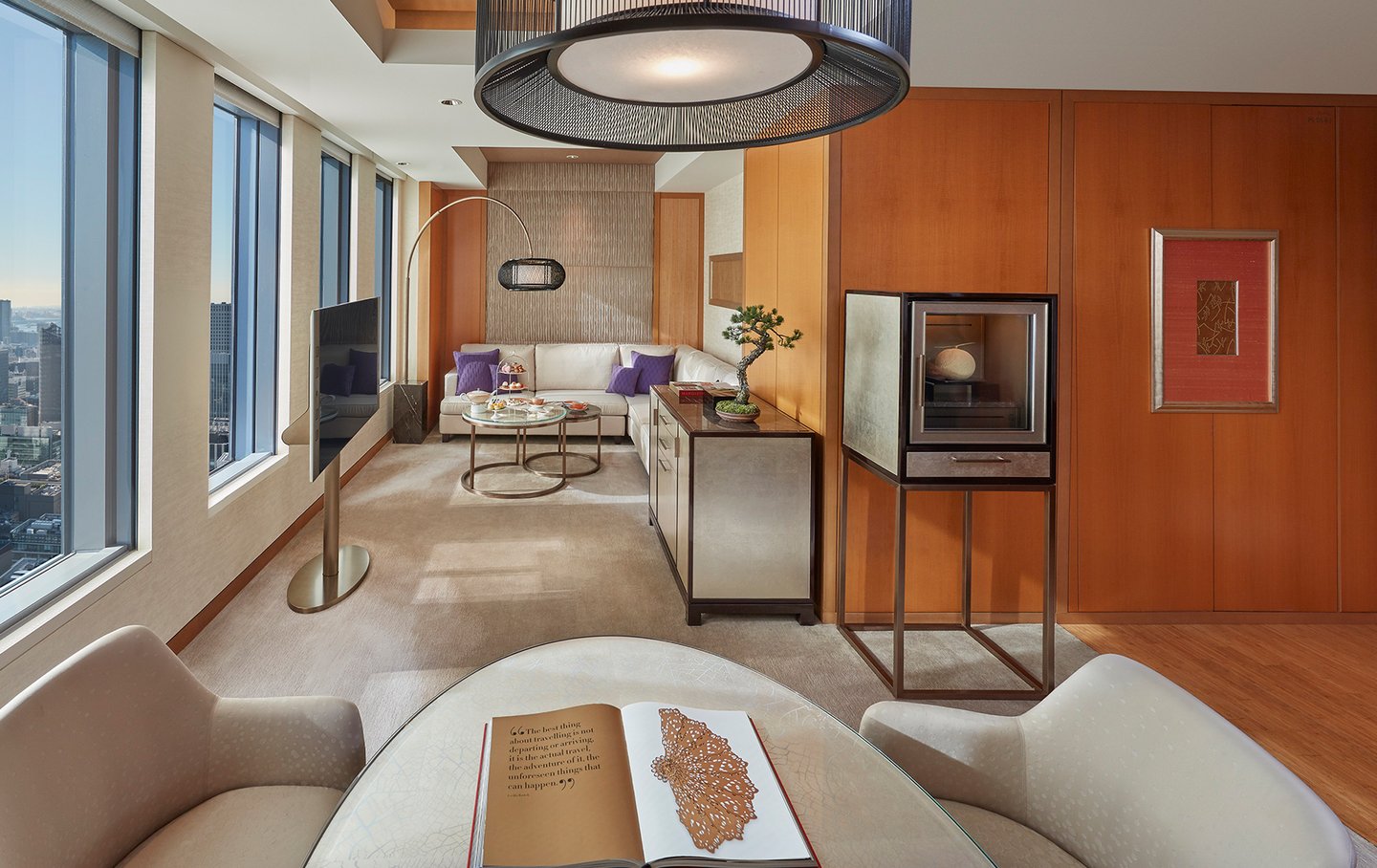
Luxury hotels in Tokyo offer spectacular city
The Ritz-Carlton Tokyo
Sky-high luxury occupying floors 45-53 of Roppongi's tallest building. Floor-to-ceiling windows frame Tokyo below with Mount Fuji rising beyond. Classic Ritz-Carlton elegance, impeccable service consistently praised as Tokyo's finest, 46th-floor pool overlooking the city, and excellent restaurants. Prime Roppongi location near nightlife and museums.
Rates: From $700-1,000 | Book: [Booking.com] [Hotels.com]
Insider tip: Staff excellence exceeds even the spectacular views. Request south-facing rooms for best Mount Fuji perspectives.
Aman Tokyo
Occupying floors 33-38 of Otemachi Tower, delivering serene luxury above financial district. Minimalist Japanese-inspired design, spacious rooms with ofuro soaking tubs, exceptional spa, and peaceful atmosphere creating urban sanctuary. Proximity to Tokyo Station and Imperial Palace. Traditional Japanese hospitality meets contemporary elegance.
Rates: From $800-1,200 | Book: [Booking.com] [Expedia]
Insider tip: The peaceful atmosphere and traditional Japanese design details distinguish Aman from other luxury properties' more contemporary aesthetics.
The Peninsula Tokyo
Forbes Five-Star property overlooking Imperial Palace gardens from Marunouchi location. Spacious Japanese-Western design rooms, Michelin-starred dining, spectacular spa, and technology including bedside controls for curtains and bath. Central location, exceptional service, and elegant afternoon tea. Easy access to Ginza shopping.
Rates: From $600-900 | Book: [Booking.com] [Hotels.com]
Insider tip: The Imperial Palace garden views and central location between Tokyo Station and Ginza make this ideal for first-time luxury travelers.
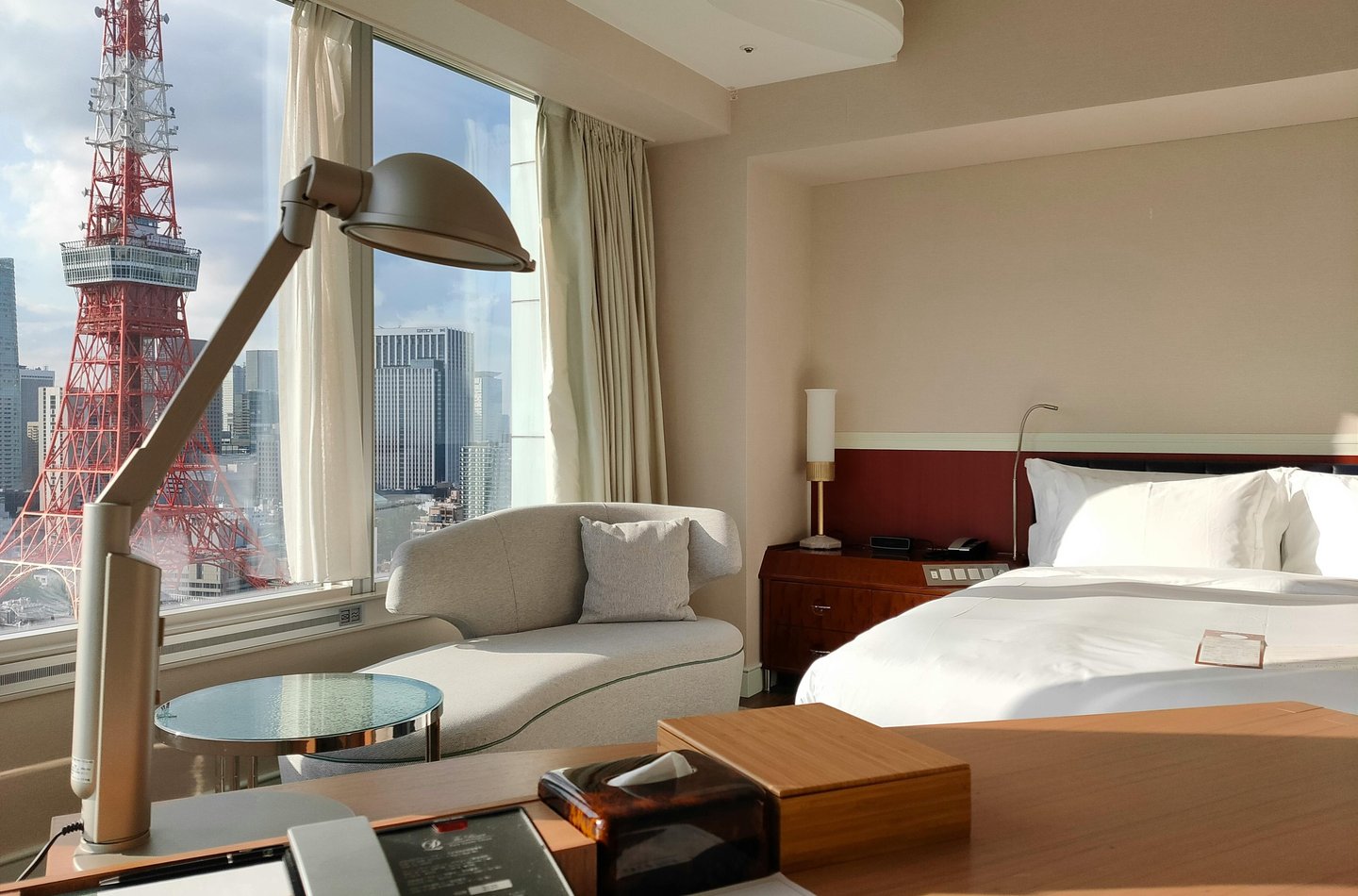
Tokyo offers excellent mid-range and boutique hotels across all neighborhoods
Top Picks Hotels for Different Styles
Hotel Ryumeikan Ochanomizu Honten (Mid-Range Excellence)
Boutique hotel blending traditional Japanese aesthetics with modern comfort. Contemporary design with Japanese touches, friendly English-speaking staff, excellent value, and convenient location between Asakusa and Akihabara. Easy train access citywide.
Rates: From $150-250 | Best for: Mid-range travelers seeking character and convenience.
Shibuya Excel Hotel Tokyu (Unbeatable Location)
Directly above Shibuya Station with spectacular upper-floor views of Shibuya Crossing. Compact but efficient rooms with modern amenities. Instant access to trains, shopping, dining, and nightlife.
Rates: From $180-280 | Best for: Travelers prioritizing location and convenience over space.
Nui. Hostel & Bar Lounge (Stylish Budget)
Hip Kuramae district hostel with contemporary design, private rooms and dorms, social café-bar atmosphere, and authentic neighborhood experience. Excellent coffee shops and craft breweries nearby.
Rates: Private rooms $70-110; Dorms $30-45 | Best for: Budget travelers and backpackers seeking social atmosphere.
Capsule Hotel Anshin Oyado Shinjuku (Authentic Experience)
Quintessential Japanese capsule hotel with clean modern pods, personal TVs, communal baths (gender-separated), and excellent Shinjuku value. Represents efficient Japanese design and authentic experience.
Rates: From $30-50 | Best for: Adventurous budget travelers wanting unique Japanese experience.
Park Hyatt Tokyo (Iconic Luxury)
Made famous by "Lost in Translation," offering sophisticated luxury in west Shinjuku with spectacular city and Mount Fuji views, exceptional service, and refined dining. Sky-high location creates serene escape.
Rates: From $600-900 | Best for: Film fans and those seeking refined luxury with cultural cachet.
Top Things to Do in Tokyo
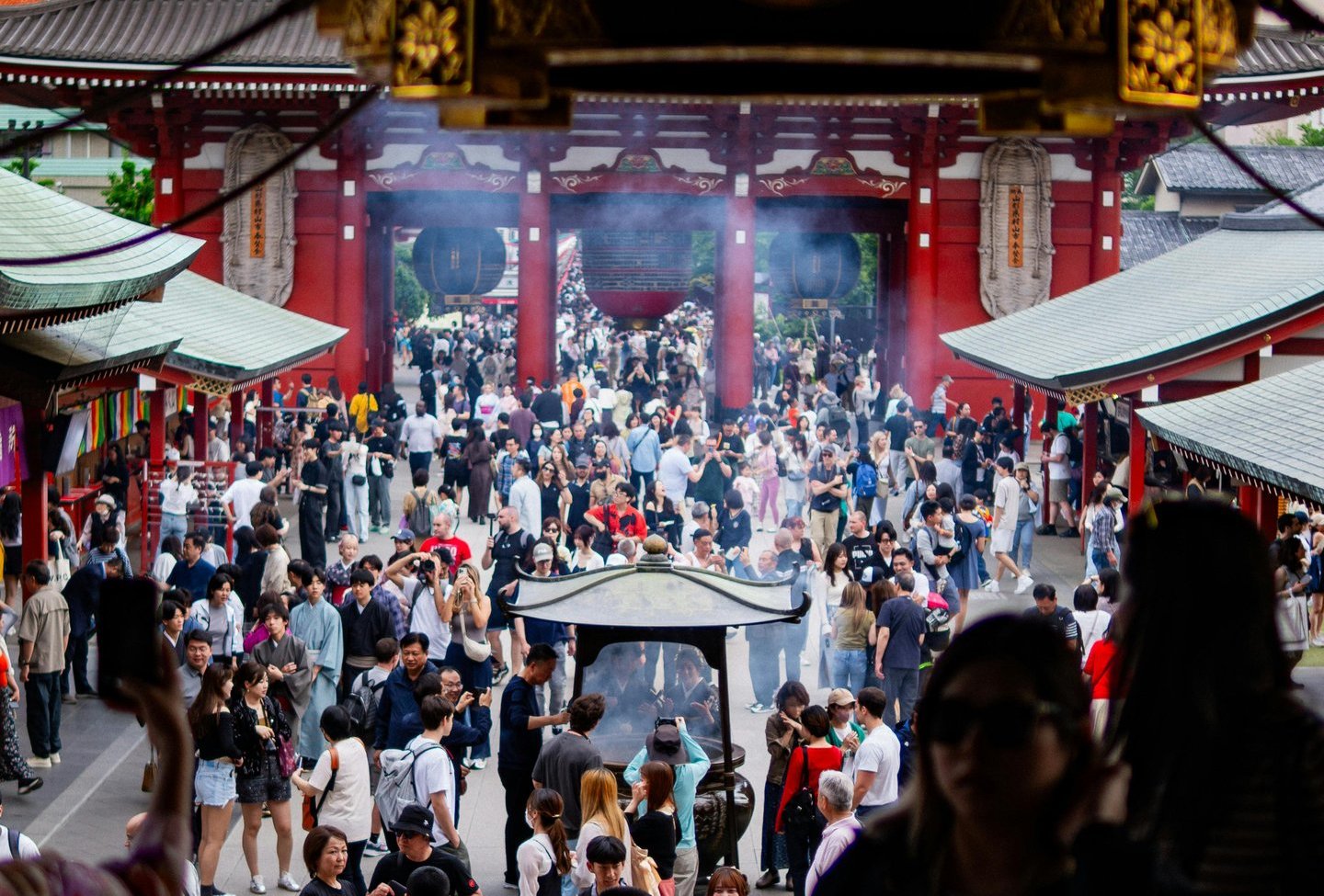
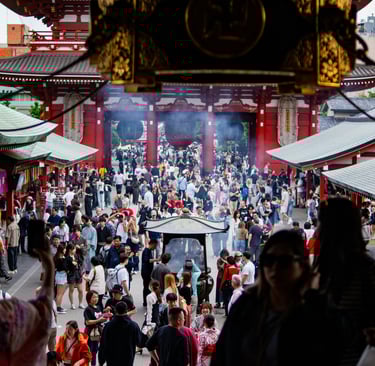
Kaminarimon Gate marks the entrance to Senso-ji Temple
Senso-ji Temple (Asakusa)
Hours: 24/7; Main hall 6:00 AM-5:00 PM | Admission: Free | Transport: Asakusa Station, 5-minute walk
Tokyo's oldest temple (founded 645 AD) features massive red Kaminarimon gate, atmospheric Nakamise shopping street with 90+ traditional stalls, and magnificent main hall. Early morning visits offer peaceful ceremonies before crowds. Evening illumination creates magical atmosphere. Five-story pagoda and surrounding Edo-period district preserve old Tokyo character.
Time needed: 1.5-2 hours including shopping street
Insider tip: Arrive before 8:00 AM for serene morning rituals. If you draw bad fortune (凶), tie it to racks to leave bad luck behind.
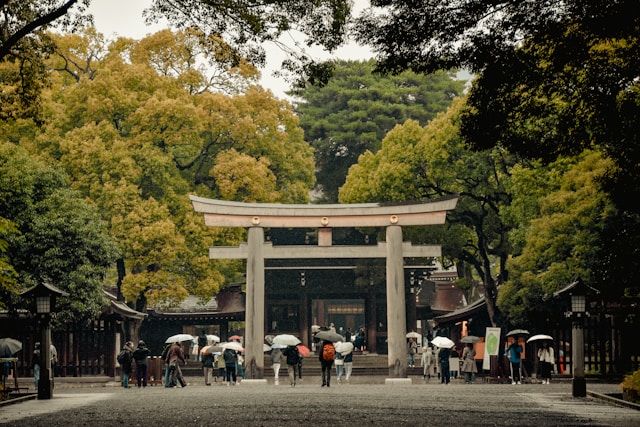
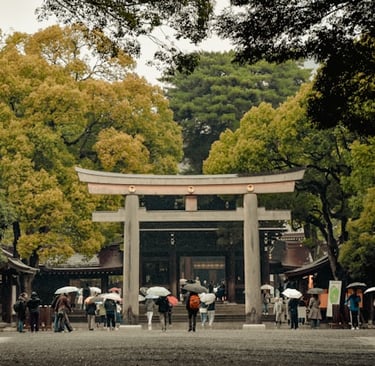
Meiji Shrine's forest path offers tranquility in central Tokyo
Meiji Shrine (Harajuku)
Hours: Sunrise to sunset (varies seasonally) | Admission: Free; Inner Garden ¥500 | Transport: Harajuku Station, 1-minute walk
Serene Shinto shrine within 170-acre forest of 120,000 trees creates tranquil oasis minutes from Harajuku chaos. Massive torii gates, gravel approach through forest, frequent wedding processions in traditional dress, and peaceful atmosphere. Adjacent Yoyogi Park excellent for people-watching and cherry blossoms.
Time needed: 1-1.5 hours; add 30 minutes for Inner Garden
Insider tip: Opening time offers most peaceful experience with possible miko (shrine maiden) sightings. Weekends feature traditional weddings—observe respectfully.
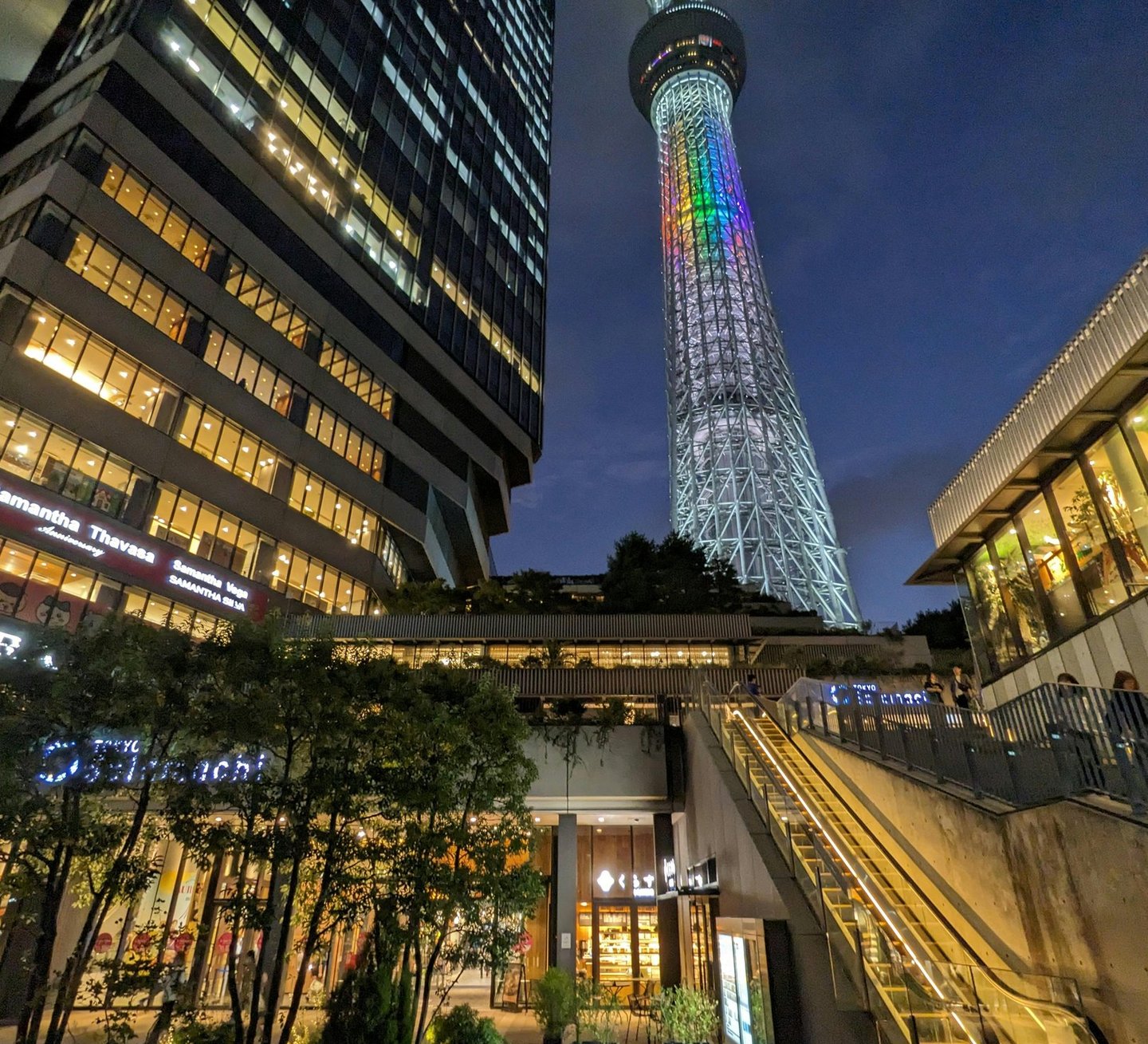
Tokyo Skytree stands 634 meters tall as the world's tallest tower
Tokyo Skytree
Hours: 10:00 AM-9:00 PM daily | Admission: Tembo Deck ¥2,100-2,300; Combo ticket ¥3,100-3,400 | Transport:Tokyo Skytree Station, direct access
World's tallest tower at 634 meters offering breathtaking 360-degree views from 350m and 450m observation decks. Clear days reveal Mount Fuji. Visit at sunset for day-to-night transition. Tokyo Solamachi shopping complex at base features 300+ shops.
Time needed: 1.5-2 hours including queues
Insider tip: Book fast-track tickets online to skip 1-2 hour queues. Weekday mornings shortest lines. Winter mornings best for Mount Fuji views.
Tsukiji Outer Market offers Tokyo's freshest sushi and seafood
Tsukiji Outer Market
Hours: Most shops 5:00 AM-2:00 PM; Closed Sundays, Wednesdays | Admission: Free | Transport: Tsukijishijo Station, immediate access
Over 400 shops offering freshest sushi, sashimi, grilled seafood, and Japanese specialties. Arrive early (7-9 AM) for liveliest atmosphere. Sample fresh uni, toro, and tamagoyaki at standing stalls. Browse professional kitchen tools and Japanese knives.
Time needed: 1.5-2 hours for exploration and breakfast
Insider tip: Bring cash—most vendors don't accept cards. Come hungry for multiple stall tastings. Wednesday/Sunday closures catch tourists off-guard.
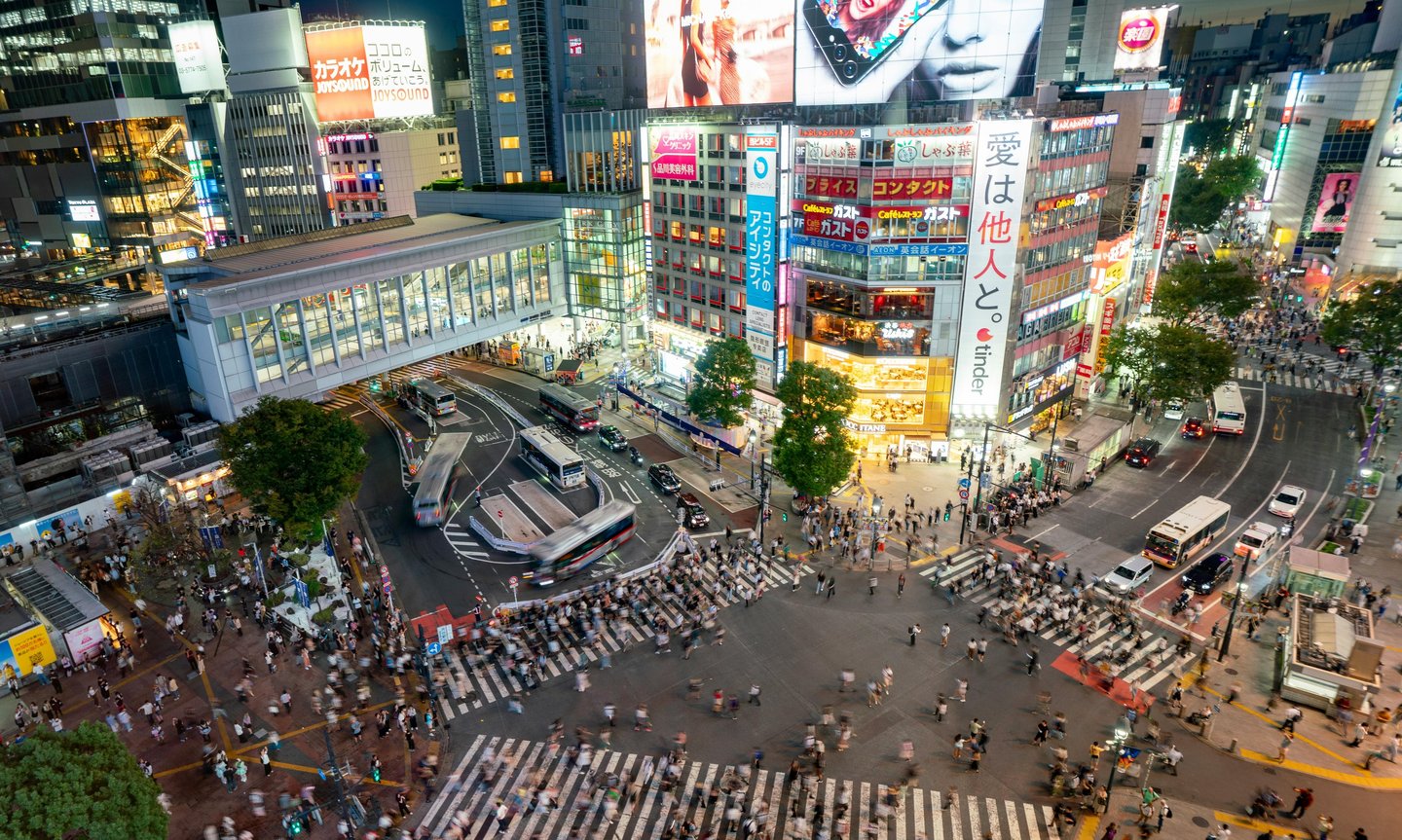
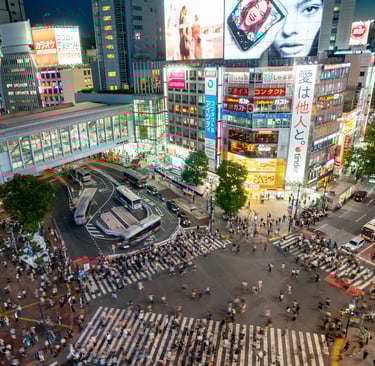
Up to 3,000 people cross Shibuya simultaneously during peak hours
Shibuya Crossing
Hours: 24/7; Most impressive evening rush (6-8 PM) | Admission: Free | Transport: Shibuya Station, Hachiko Exit
World's busiest pedestrian intersection with up to 3,000 people crossing simultaneously. Experience crossing itself, then view from second-floor Starbucks (arrive early for window seats) or Scramble Square observation deck (¥2,000). Visit Hachiko statue—Tokyo's most popular meeting point.
Time needed: 30 minutes to 1 hour
Insider tip: Friday/Saturday evenings (7-8 PM) offer maximum crowds and energy. Rainy evenings create photogenic umbrella scenes.
Akihabara Electric Town
Hours: Shops typically 10:00 AM-8:00 PM | Admission: Free | Transport: Akihabara Station, Electric Town Exit
Otaku culture district offering floors of electronics, anime, manga, video games, and maid cafés. Multi-story buildings sell everything from vintage cameras to latest gadgets. Even non-fans appreciate the sensory overload and cultural observation.
Time needed: 2-3 hours
Insider tip: Visit Super Potato (retro games) and Yodobashi Camera (electronics). Sunday afternoons feature cosplayers on pedestrianized Chuo-dori.
Imperial Palace East Gardens
Hours: 9:00 AM-4:00 PM (until 5:00 PM March-October); Closed Mondays, Fridays | Admission: Free | Transport:Otemachi Station, 5-minute walk
Beautiful Japanese landscaping, Edo Castle historical ruins, seasonal flowers, and peaceful paths. While palace remains closed (except two days yearly), gardens provide respite while showcasing Japanese garden aesthetics. Surrounding moat offers popular jogging routes.
Time needed: 1-1.5 hours
Insider tip: Visit during cherry blossom season or autumn foliage (November) for spectacular beauty. Enter through Ote-mon Gate for impressive approach.
TeamLab Borderless Digital Art Museum
Hours: 10:00 AM-7:00 PM (varies); Closed irregular Tuesdays | Admission: Adults ¥3,200; advance booking required | Transport: Azabudai Hills, Kamiyacho Station, 5-minute walk
Immersive digital art using projections, mirrors, and interactive technology creating otherworldly environments. Art flows between rooms responding to visitors. Instagram-worthy installations epitomizing Tokyo's technology-as-art embrace. Relocated to Azabudai Hills in 2024.
Time needed: 2-3 hours
Insider tip:
Book 1-2 weeks ahead as it sells out quickly. Wear comfortable shoes. Weekday mornings offer fewer crowds for better photos.
Book on Trip.com | Booking.com | Hotels.com | GetYourGuide
Tokyo Food & Dining
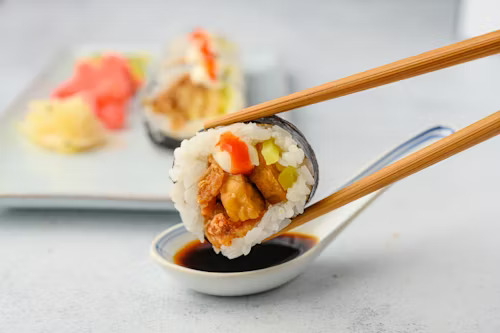
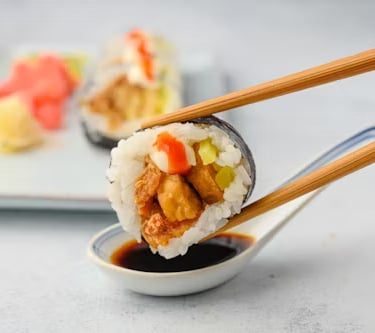
Tokyo's 226 Michelin stars make it the world's culinary capital
Sushi Excellence
Tokyo claims more Michelin stars (226) than any city globally. High-end Edomae-style sushi at intimate counters ranges $300-500 per person (book months ahead). Excellent mid-range sushi-ya where chefs source from Toyosu market daily offer authentic experiences $50-80. Conveyor belt chains (Sushiro, Kura Sushi) serve quality fish at $1-3 per plate.
Ramen Culture
Regional styles from rich tonkotsu to lighter shoyu and miso. Famous shops like Ichiran offer individual booth dining. Neighborhood favorites serve bowls $8-12. Tsukemen (dipping noodles) provides refreshing summer variation.
Izakaya Experience
Japanese pubs serve small shareable plates with beer, sake, or shochu. Order yakitori, edamame, karaage, and seasonal specialties. Chains like Torikizoku offer consistent quality with English menus, while independent izakayas reward adventurous diners.
Depachika Food Halls
Department store basements showcase Japan's finest food products with stunning presentation. Mitsukoshi, Takashimaya, and Isetan offer culinary tours through Japan. Visit around 7-8 PM when prepared foods receive discounts.
Kaiseki Fine Dining
Multi-course meals (8-12+ courses) represent Japanese haute cuisine. Establishments like Kikunoi and Kanda offer Michelin-starred experiences ($200-400) showcasing seasonal ingredients and culinary artistry.
Practical Information
Getting to Tokyo
Narita Airport (NRT): 60km from city; Narita Express train to Tokyo Station (60 minutes, ¥3,070) or Keisei Skyliner to Ueno (40 minutes, ¥2,520). Haneda Airport (HND): Closer at 15km; Tokyo Monorail (20 minutes, ¥500) or Keikyu Line (15 minutes, ¥300). Taxis expensive: Narita ¥20,000-30,000, Haneda ¥6,000-8,000.
Getting Around
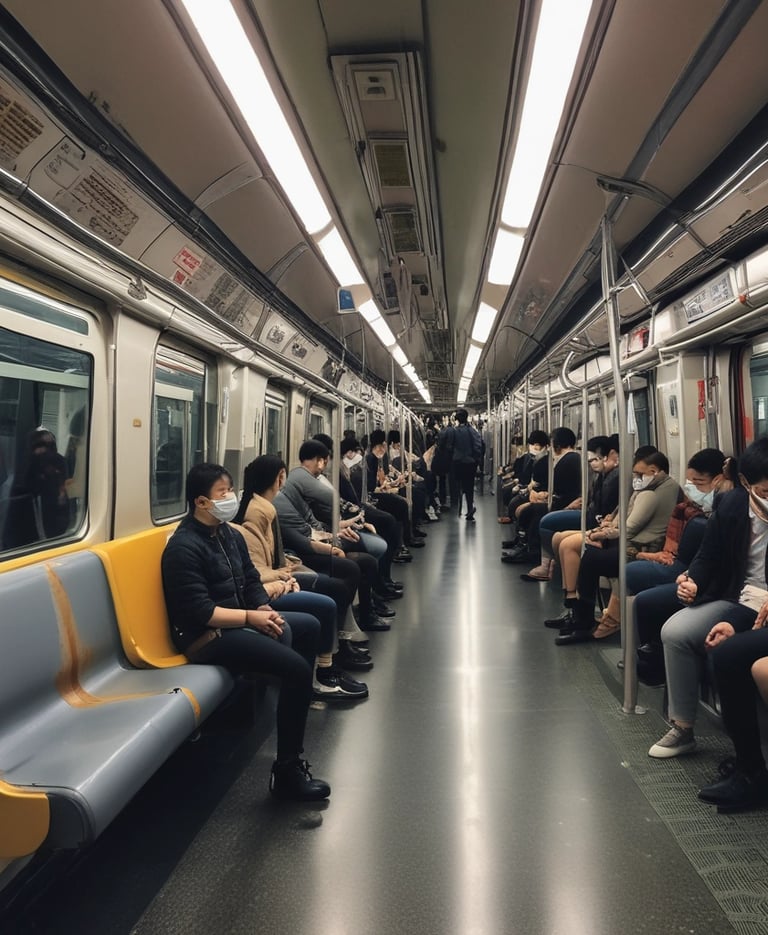
Purchase Suica or Pasmo IC card at any station for seamless train/subway/bus travel. JR Yamanote Line circles central Tokyo connecting major stations. Google Maps provides excellent English transit directions. Avoid rush hours (7:30-9:30 AM, 5:30-7:30 PM) when trains pack to capacity.
Money & Costs
Japan remains surprisingly cash-based. Convenience store ATMs (7-Eleven, Lawson, FamilyMart) accept foreign cards 24/7. Budget: $100-150 daily. Mid-range: $200-300 daily. Luxury: $400+ daily. Coffee ¥500, ramen ¥800-1,200, casual dinner ¥2,500-4,000. Tipping not customary and can cause confusion.
Essential Etiquette
Remove shoes when entering homes, traditional restaurants, temples. Don't eat while walking. Keep voices low on trains; silent phone conversations. Line up orderly and let passengers exit before boarding. These courtesies show respect for Japanese culture.
Language Tips
Few Tokyo residents speak conversational English. Download Google Translate's offline Japanese pack. Learn basic phrases: sumimasen ("excuse me"), arigato gozaimasu ("thank you"). Many restaurants display plastic food models—point to order. Carry hotel business card in Japanese for taxi drivers.
Day Trips from Tokyo
Nikko: UNESCO temples, ornate Toshogu shrine (2 hours by train). Kamakura: Great Buddha, Zen temples, beach atmosphere (1 hour). Hakone: Mt. Fuji views, hot springs, art museums (1.5 hours). Mt. Fuji: Climb during July-August season.
Safety
Tokyo ranks among world's safest major cities. Violent crime exceptionally rare, petty theft uncommon. Women walk alone comfortably at night. Biggest dangers: bicycle accidents (bikes speed on sidewalks) and getting lost. Trust efficient public transportation and ask for help—locals often go out of their way to assist.
Frequently Asked Questions
How many days do I need in Tokyo?
Minimum 4-5 days covers main attractions: Senso-ji Temple, Meiji Shrine, Shibuya Crossing, Tsukiji Market, Tokyo Skytree, Akihabara. Add 2-3 days for Harajuku, Roppongi museums, day trips, and relaxed exploration. Week allows comprehensive Tokyo experience plus excursions.
What's the best transportation option?
Suica/Pasmo IC card essential for all public transport. JR Yamanote Line circles central Tokyo. Tokyo Metro extensive subway network. Trains fastest and most economical. Taxis expensive but convenient late night when trains stop (around midnight).
Is Tokyo expensive?
Yes, relatively expensive especially accommodation. However, excellent budget options exist: conveyor belt sushi ($1-3 per plate), convenience store meals ($5-8), capsule hotels ($30-50). Many attractions free or low-cost. Expect $100-150 daily budget minimum.
Do I need to speak Japanese?
Not essential but helpful. Major stations have English signage. Google Translate invaluable. Learn basic phrases. Restaurant plastic food models allow pointing. Younger Tokyo residents increasingly speak some English. Patience and politeness overcome most language barriers.
What's the best area to stay?
Shinjuku: Best for first-timers wanting convenience and options. Shibuya: For modern energy and nightlife. Ginza: For luxury and sophistication. Asakusa: For traditional atmosphere and budget options. All neighborhoods connect efficiently via metro—choose based on atmosphere preference.
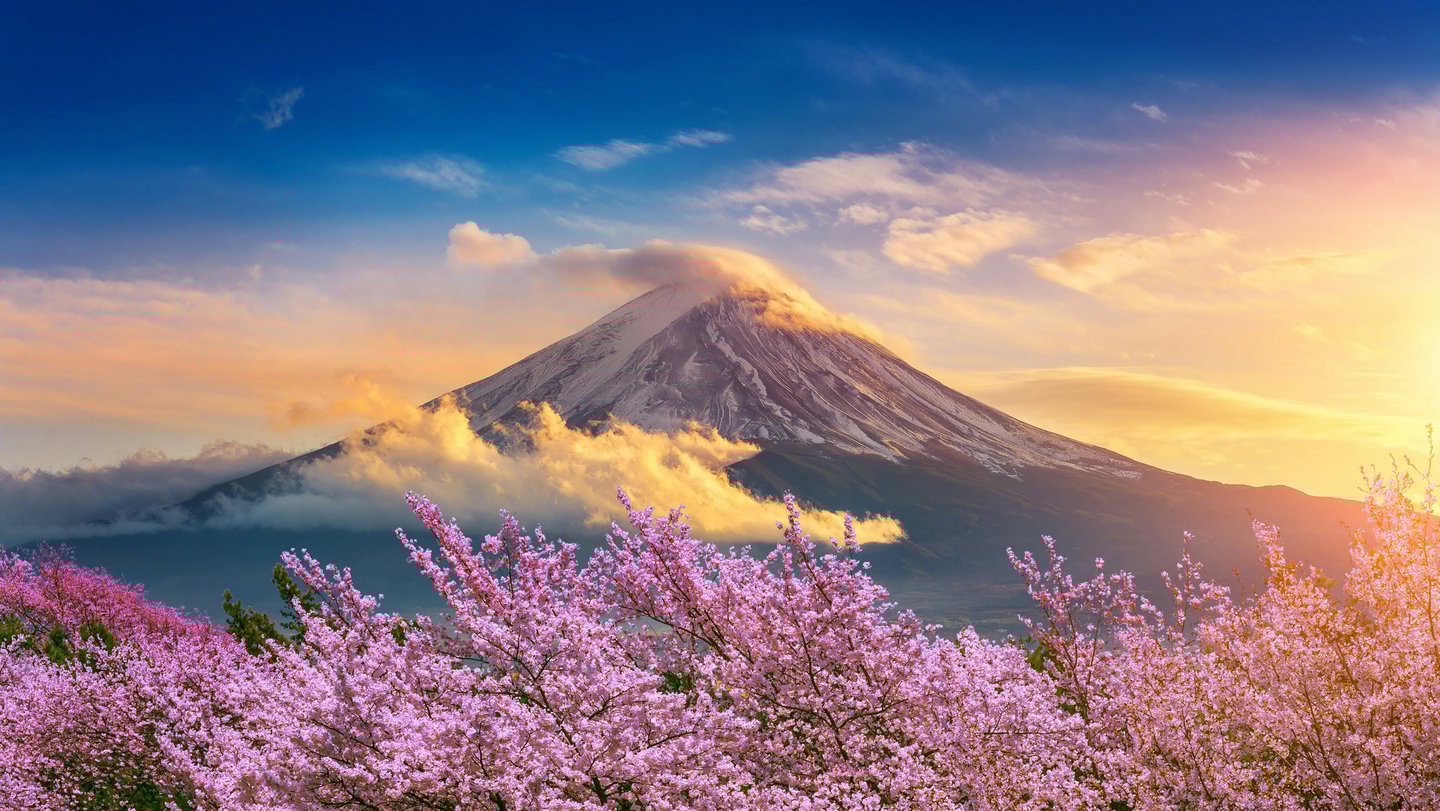
Mount Fuji is the highest mountain in Japan, the second highest volcano on any Asian island
Plan Your Tokyo Adventure
Tokyo delivers experiences found nowhere else—from ancient temple rituals to Michelin-starred sushi, from peaceful shrine forests to electric Shibuya energy. The city's seamless blend of tradition and innovation, culinary excellence and impeccable hospitality, creates unforgettable memories that draw travelers back repeatedly.
Use this guide to navigate Tokyo's neighborhoods, book accommodations, discover essential attractions, and experience Japan's capital like a seasoned traveler. With year-round appeal and world-class infrastructure, Tokyo promises extraordinary moments at every turn.
Ready to explore Tokyo? Compare hotels, flights, and tours with our trusted partners.
Compare hotels on Booking.com | Browse curated tours on GetYourGuide
Hotels • Flights • Tours • Activities
“© 2025-2026. All rights reserved.
This blog may contain affiliate links, which means I might earn a small commission, at no extra cost to you, if you decide to make a booking through one of these links. I only recommend products and services I actually use or genuinely believe will bring value. For more information visit http://paidforadvertising.com. Thank you for your support!
Affiliate Disclosure


Important Links
Continents
Find Us Here
Follow Us
Welcome to The Gilded Globe, your premier guide to crafting journeys that are seamless as they are extraordinary. We believe that travel is not just about the destination, it's about the richness of the experience - from the first spark of inspiration to the memories you bring home.