
Rome: The Eternal City
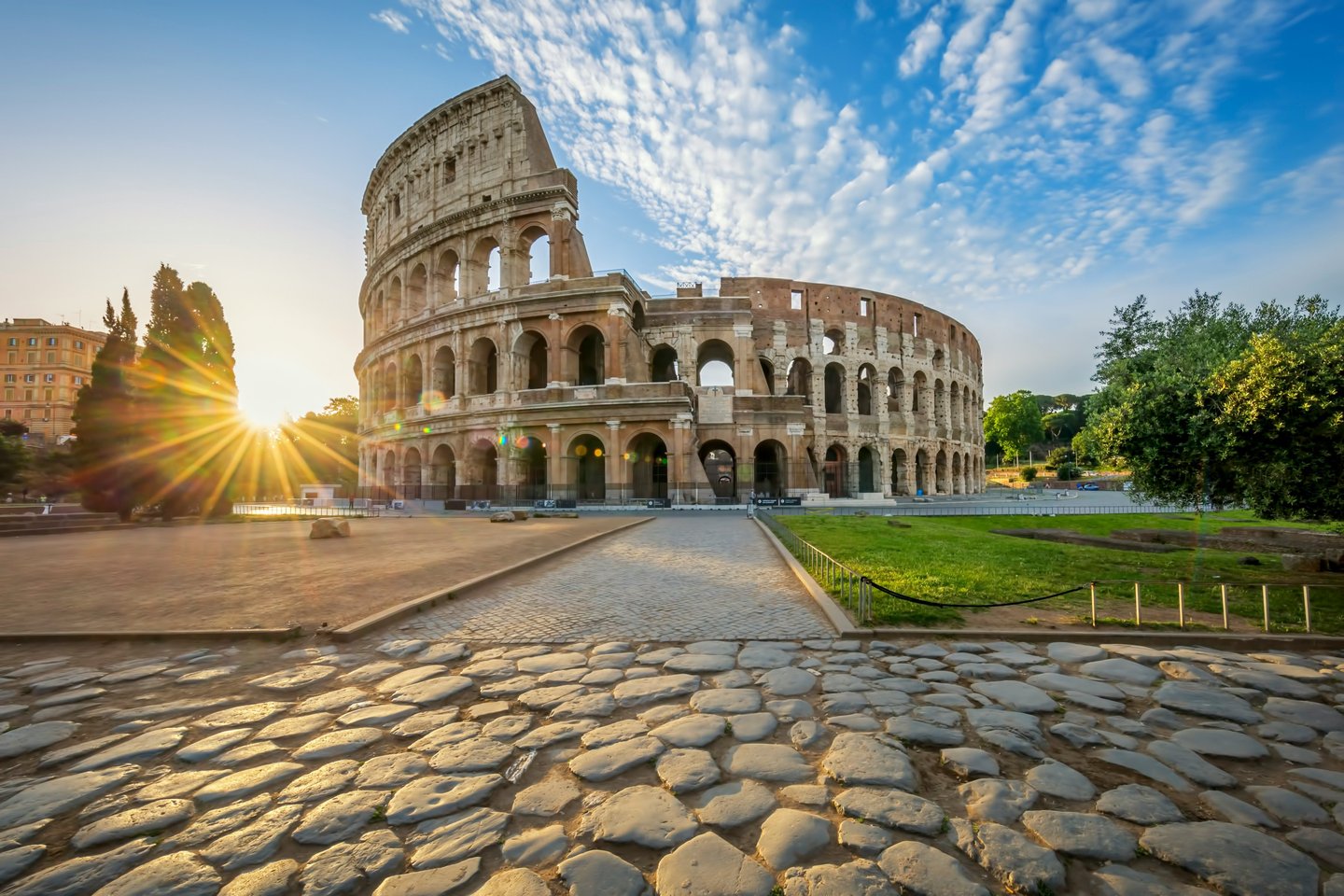
Where Ancient Glory Meets La Dolce Vita
Rome is not simply a city—it is a living museum, a timeless masterpiece where millennia of history unfold at every corner. The Eternal City captivates with its intoxicating blend of ancient ruins, baroque fountains, Renaissance art, and vibrant street life. Here, emperors once ruled an empire, popes shaped the course of history, and artists created works that define Western civilization. To walk through Rome is to traverse the very foundations of European culture, where each cobblestone whispers stories of triumph, devotion, and artistic genius.
Beyond its monumental heritage, Rome embraces you with warmth and vitality. The aroma of espresso mingles with the scent of fresh pasta, golden light bathes terracotta facades at sunset, and the sound of laughter spills from trattorias onto ancient piazzas. This is a city that rewards wanderers—those who lose themselves in the maze of Trastevere's medieval streets, who pause to admire a hidden church's frescoed ceiling, who understand that Rome must be savored slowly, like a fine Chianti. Whether you're standing before the Pantheon's perfect dome, tossing a coin into the Trevi Fountain, or simply enjoying gelato on a sunlit square, Rome invites you to embrace the art of living well.
Why Visit Rome
Rome offers an unparalleled journey through human achievement and Italian charm. The city holds more artistic and architectural treasures than most countries, yet never feels like a mere collection of monuments—it pulses with contemporary life and timeless traditions. From the awe-inspiring grandeur of the Colosseum to the intimate beauty of hidden courtyards, Rome satisfies both the curious mind and the romantic soul. The Italian capital seamlessly blends antiquity with modern sophistication, offering world-class dining, exceptional shopping, and some of Europe's finest hotels. For travelers seeking cultural depth, aesthetic beauty, and the pleasure of simply being present in an extraordinary place, Rome delivers an experience that resonates long after departure.
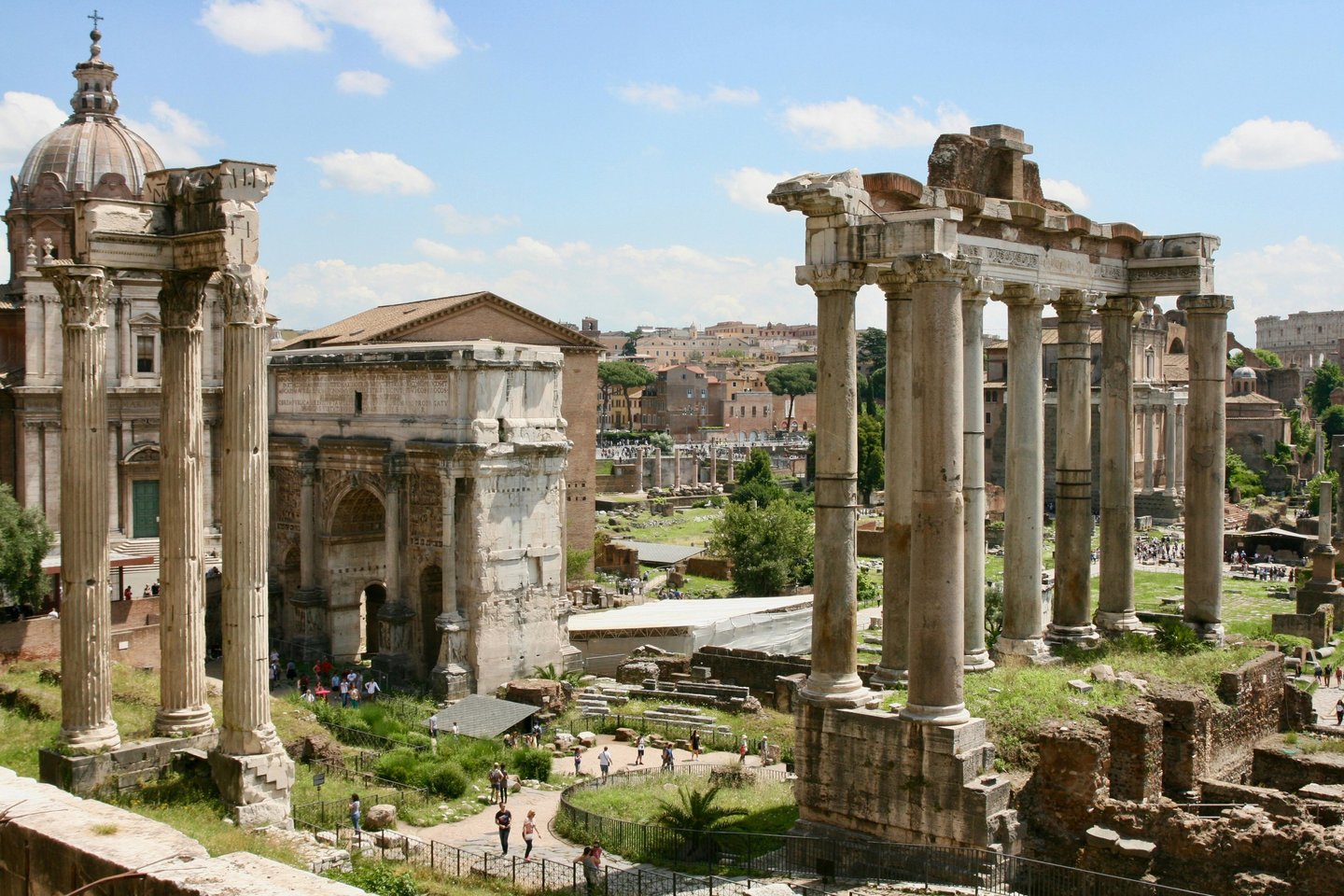
Photo of Roman Forum
Or compare on Expedia
Best Time to Visit
Spring (April to June) and autumn (September to October) offer Rome at its most enchanting. During these seasons, the weather is gloriously mild—perfect for exploring archaeological sites and wandering through gardens without summer's oppressive heat. Spring brings blooming wisteria cascading over ancient walls, while autumn bathes the city in golden light and brings the harvest season's culinary delights. These months see fewer crowds than peak summer, allowing for more intimate experiences at major attractions.
Summer (July-August) brings intense heat and peak tourist numbers, though evening strolls and late dinners on outdoor terraces hold their own magic. Winter (November-March) offers the advantage of smaller crowds and lower prices, with mild temperatures that rarely dip below freezing. Christmas and New Year transform Rome into a festive wonderland, while January and February provide the most peaceful, authentic experience of daily Roman life.
Iconic Attractions
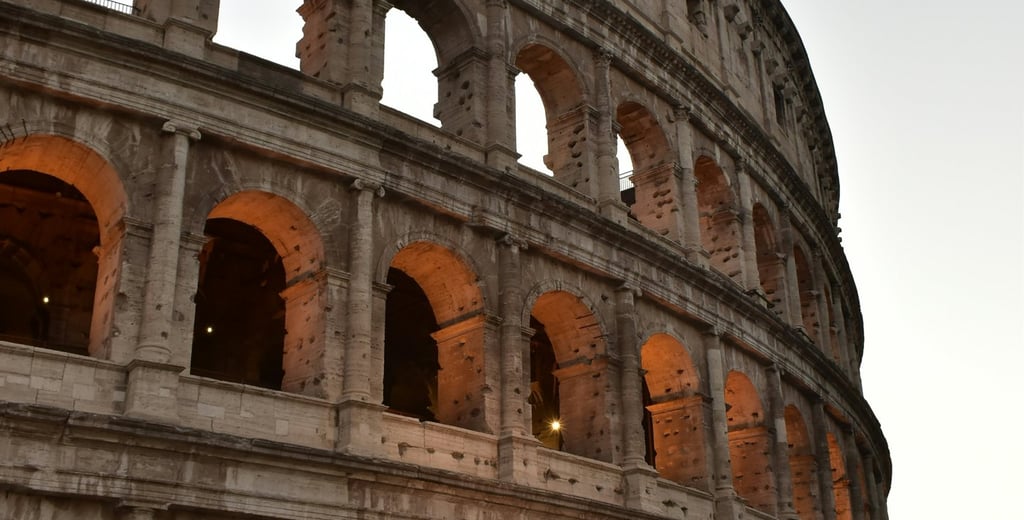
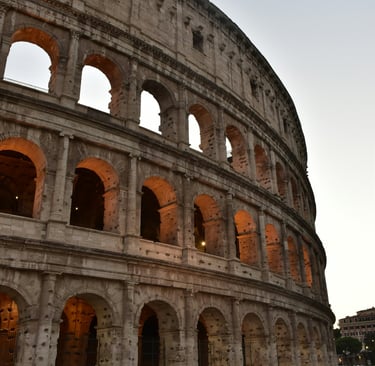
The Colosseum stands as Rome's most powerful symbol—an engineering marvel where gladiators once fought and 50,000 spectators roared. Walking through its weathered arches transports you to the height of Roman power. Book skip-the-line tickets and consider a guided tour that includes access to the underground chambers and upper levels for the most comprehensive experience.
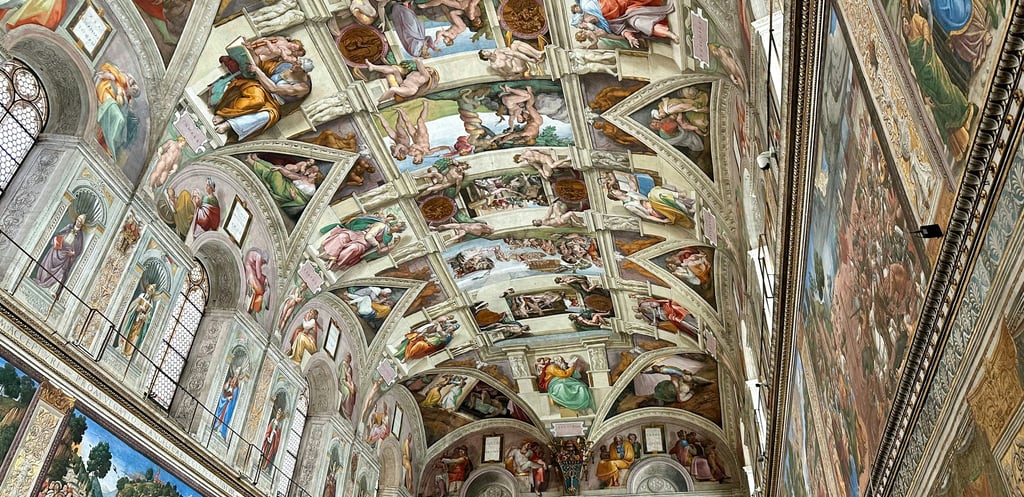
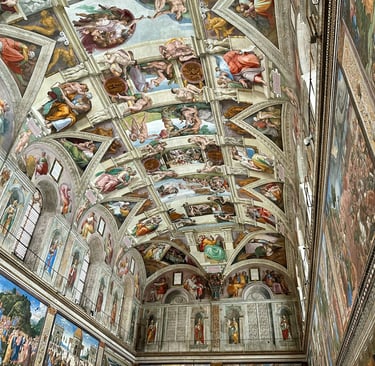
The Vatican Museums and Sistine Chapel house one of humanity's greatest art collections. Michelangelo's ceiling in the Sistine Chapel alone justifies the visit, but the museums contain countless masterpieces from Raphael's rooms to ancient sculptures. Book tickets online well in advance and visit early morning or late afternoon to avoid overwhelming crowds.
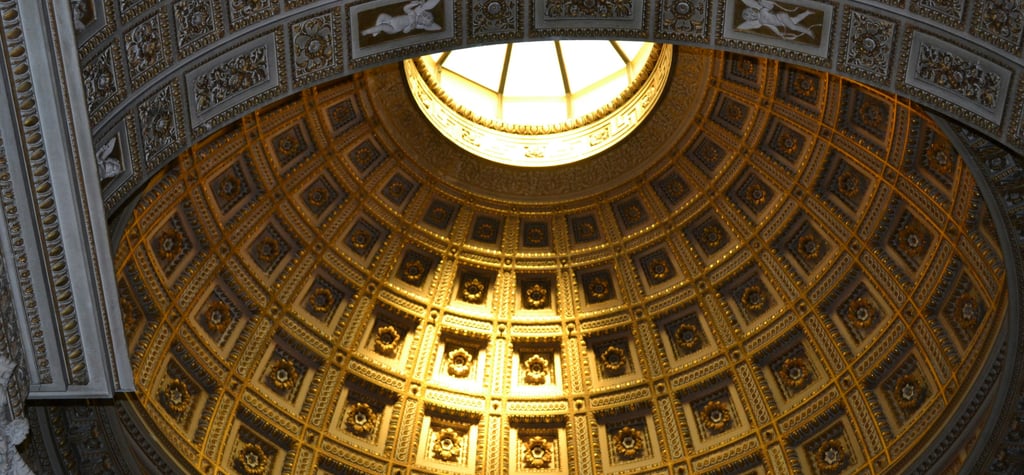
The Pantheon remains Rome's most perfectly preserved ancient building—a temple turned church with a dome that has inspired architects for two millennia. The oculus in the ceiling opens to the sky, creating an ever-changing play of light. Entrance is free, making it accessible yet no less magnificent.

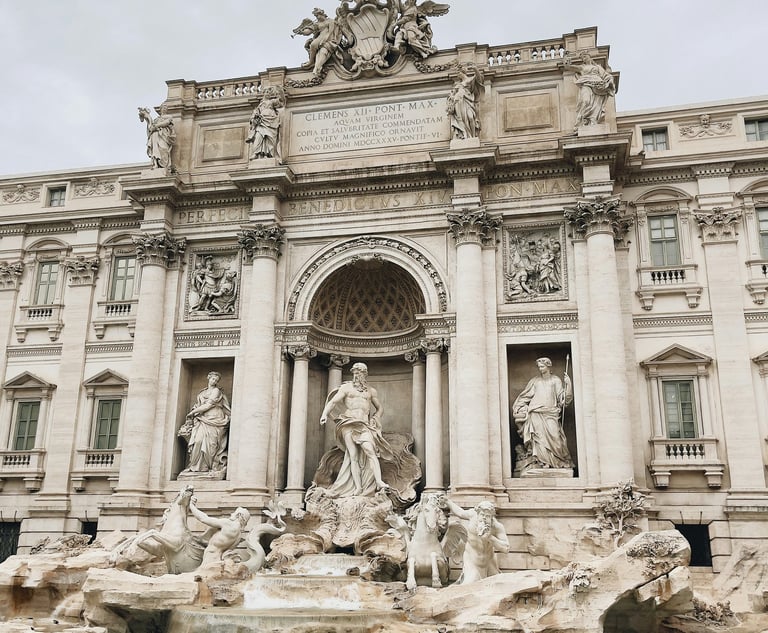
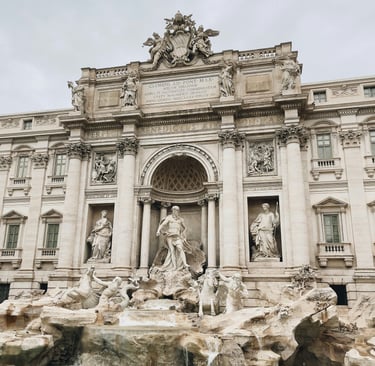
Trevi Fountain epitomizes baroque drama with its theatrical sculptural ensemble. Visit at dawn for a magical, crowd-free experience, then return at night when illumination transforms the marble into a glowing theatrical scene. The tradition of tossing a coin over your shoulder ensures your return to Rome—a custom that proves irresistible.
The Roman Forum and Palatine Hill form the heart of ancient Rome, where temples, basilicas, and government buildings once stood. Walking these ruins requires imagination, but the experience of standing where Caesar walked and senators debated remains profound. The Palatine Hill offers both archaeological treasures and stunning views across the city.
Piazza Navona showcases baroque Rome at its most elegant, with Bernini's Fountain of the Four Rivers commanding the oval space built atop an ancient stadium. The piazza thrives as a gathering place where artists, musicians, and cafes create a perpetually animated scene.
Where to Stay
Centro Storico (historic center) places you within walking distance of major monuments and offers an immersive experience in Rome's heart. Stay near Piazza Navona, the Pantheon, or Campo de' Fiori to wake up in the midst of ancient beauty. Luxury options include boutique hotels in converted Renaissance palaces, while charming guesthouses offer character at mid-range prices.
Trastevere provides bohemian charm across the Tiber, with narrow cobblestone streets, ivy-covered buildings, and authentic Roman atmosphere. This neighborhood comes alive at night with trattorias and wine bars, offering a more local experience while remaining centrally located.
Monti appeals to those seeking a trendy, village-like atmosphere near the Colosseum. This former working-class district now hosts boutique shops, wine bars, and intimate restaurants, attracting a sophisticated crowd while maintaining neighborhood authenticity.
Prati near the Vatican offers elegant residential neighborhoods with excellent restaurants and shopping along Via Cola di Rienzo. This area provides a more refined, less touristy base while keeping major sites easily accessible.
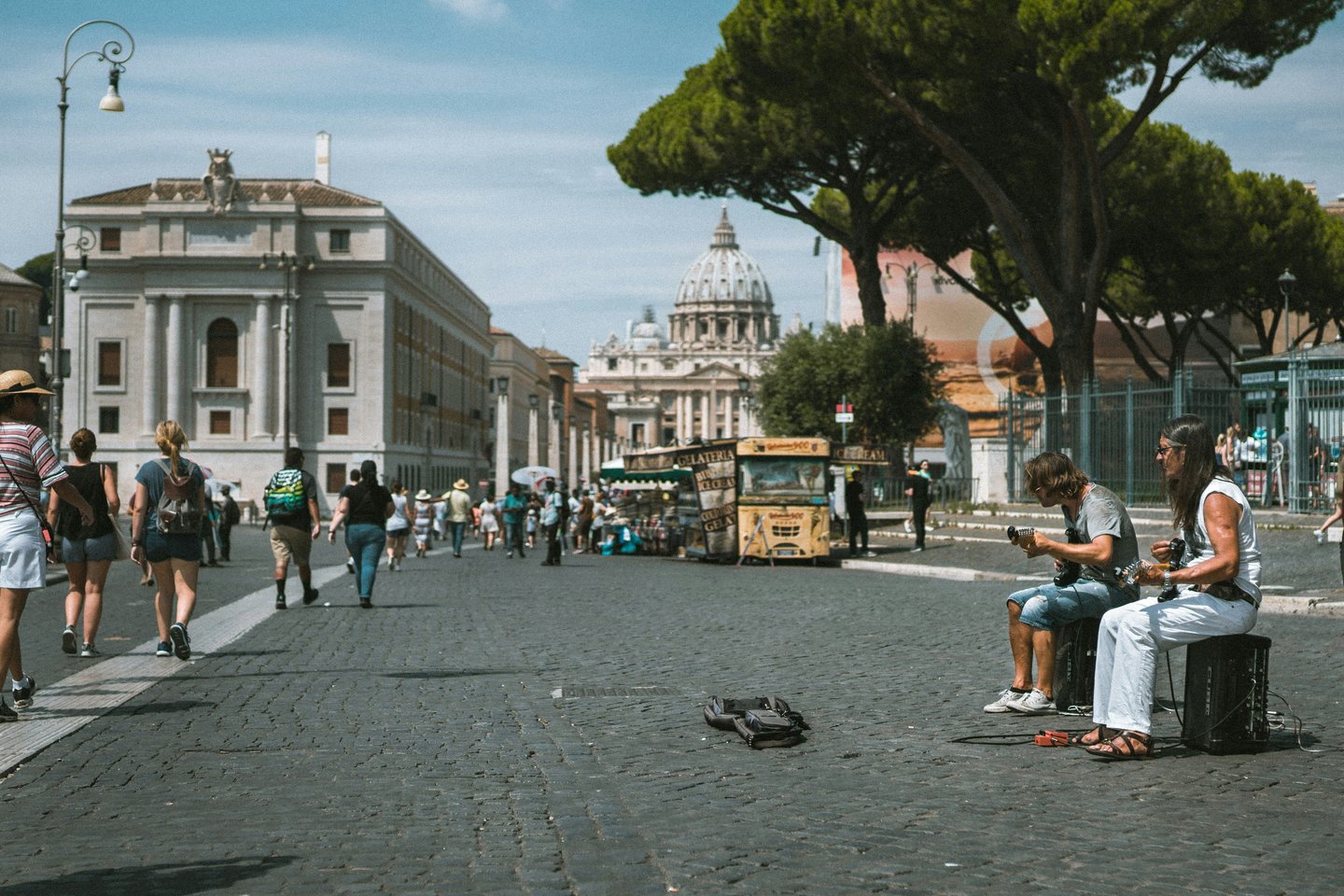
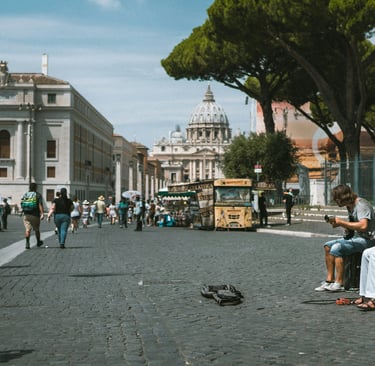
Photo of a street in Rome near the Vatican
Recommended Hotels
LUXURY
Hotel Eden is a splash-the-cash stay in the Eternal City, fit for countless stars of stage and screen, within easy reach of all the city’s iconic attractions. Between marble pillars, stairs lead to a sultry library bar where fashionable guests slurp cappuccinos. Contemporary art lines the walls, and I’m later told the intention is to create the atmosphere of a collector’s home – an environment familiar to many of this property’s return guests. Renovated guestrooms and suites accentuate the natural light, which floods my room through the doors to the balcony, from which I soak up views of the Villa Borghese Gardens.
Hotel de Russie Located between Piazza del Popolo and the Spanish Steps, this elegant five-star hotel combines refined sophistication with a tranquil secret garden. The Stravinskij Bar terrace offers one of Rome's most enchanting settings for aperitivo, while rooms feature classical Italian design with modern luxuries. The location provides easy access to Villa Borghese and the historic center's shopping districts.
J.K. Place Roma This intimate boutique hotel near the Spanish Steps epitomizes understated luxury. Each room showcases exquisite Italian craftsmanship, from marble bathrooms to custom furnishings. The rooftop restaurant delivers exceptional dining with panoramic views, while the attentive service creates a home-away-from-home atmosphere for discerning travelers.
UPSCALE
Hotel Artemide Situated near Termini Station yet feeling worlds away, this four-star gem offers contemporary elegance with a rooftop terrace overlooking the city. The rooms blend classic Roman style with modern comfort, while the central location places you within walking distance of major attractions. Excellent value for the quality and convenience offered.
Hotel Campo de' Fiori Perched above the vibrant Campo de' Fiori square, this charming hotel puts you in the heart of Centro Storico's energy. The rooftop terrace provides stunning views across Rome's rooftops, perfect for breakfast or evening drinks. Rooms vary in size but all feature character and thoughtful touches that reflect the building's historic architecture.
MID-RANGE
Hotel Smeraldo Steps from Campo de' Fiori, this family-run hotel offers genuine Roman hospitality at accessible prices. Rooms are comfortable and well-maintained, some featuring original frescPantheoned ceilings. The location proves unbeatable for exploring on foot, with the Pantheon, Piazza Navona, and Trastevere all nearby.
Monti Palace Hotel In the trendy Monti neighborhood, this hotel provides modern comfort near the Colosseum. Clean, contemporary rooms offer good value, while the area's restaurants, wine bars, and boutiques create an authentic local atmosphere. The neighborhood's village-like charm offers respite from tourist crowds while keeping attractions accessible.
BUDGET-FRIENDLY
Hotel Santa Maria Hidden in Trastevere, this converted convent surrounds a peaceful courtyard filled with orange trees—a serene escape from the city's energy. Simple, clean rooms offer excellent value, while the location in Rome's most charming neighborhood provides endless dining and exploring options. Book well ahead as this gem fills quickly.
The Beehive Near Termini Station, this eco-friendly hostel offers both private rooms and dorms with thoughtful design and a welcoming community atmosphere. The American owners create a home-like environment with a vegetarian café, art installations, and helpful local recommendations. Perfect for budget-conscious travelers who appreciate character and sustainability.
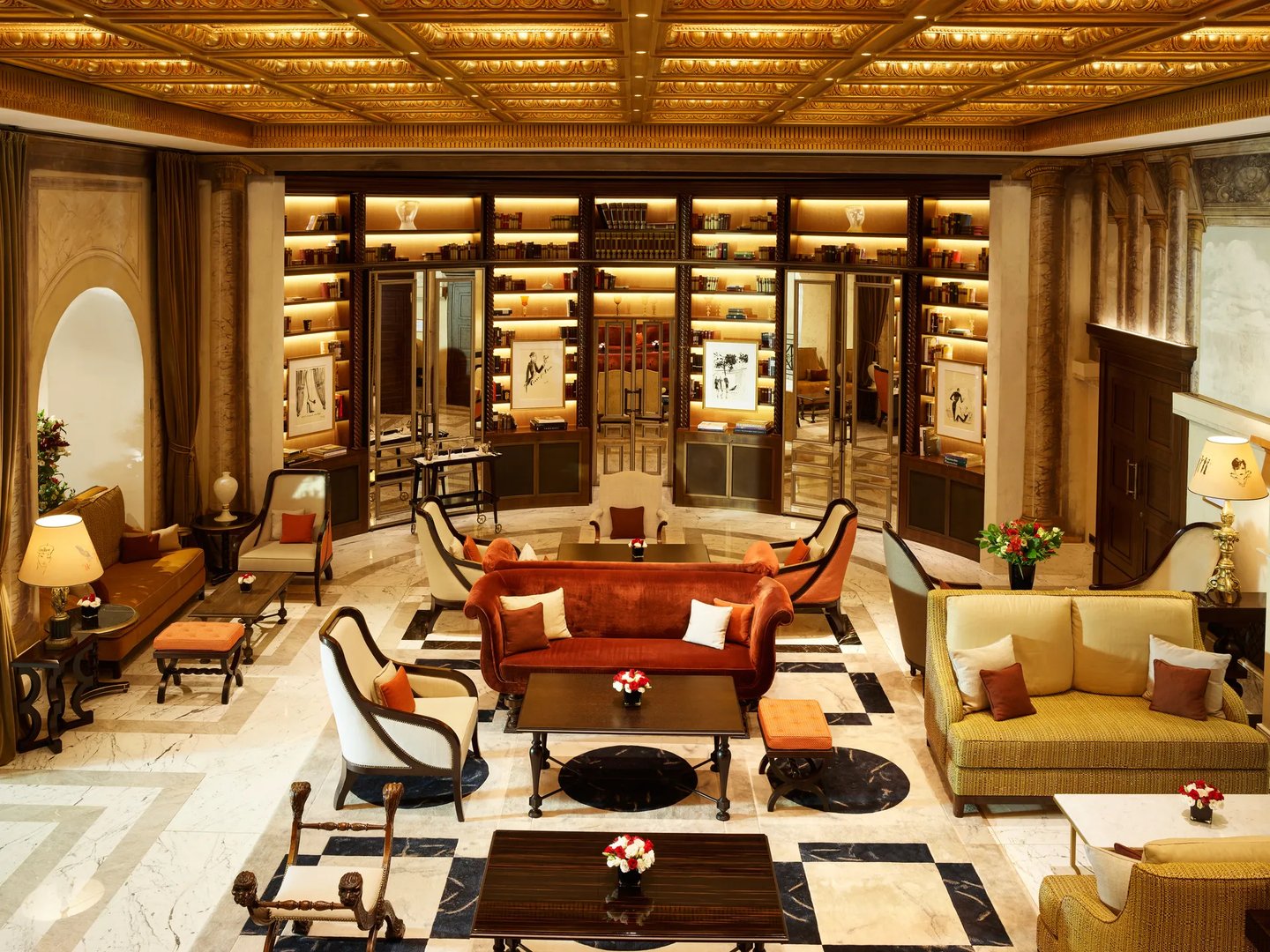
Hotel Eden, Via Ludovisi
Book on Booking.com | Expedia | Trip.com
Find tours on GetYourGuide
Culinary Delights
Roman cuisine celebrates simple perfection—a few exceptional ingredients prepared with centuries-old techniques. The city's four classic pasta dishes deserve devotion: cacio e pepe (pecorino cheese and black pepper), carbonara (guanciale, egg, and pecorino), amatriciana (tomato and guanciale), and gricia (guanciale and pecorino). Seek these at traditional trattorias in Testaccio or Trastevere, where recipes pass through generations. Carciofi alla giudia (Jewish-style artichokes) from the Ghetto district offer crispy, golden perfection, while supplì (fried rice balls) make the ideal street food. Roman pizza comes thin and crispy—pizza al taglio (by the slice) from bakeries throughout the city provides quick, delicious sustenance while exploring.
The aperitivo tradition transforms early evening into a social ritual. Order a Negroni Sbagliato or Aperol Spritz and enjoy complimentary appetizers while watching Rome's golden hour unfold. For fine dining, Rome's Michelin-starred establishments reinterpret traditional dishes with contemporary creativity, while neighborhood osterie continue serving timeless recipes with warmth and pride.
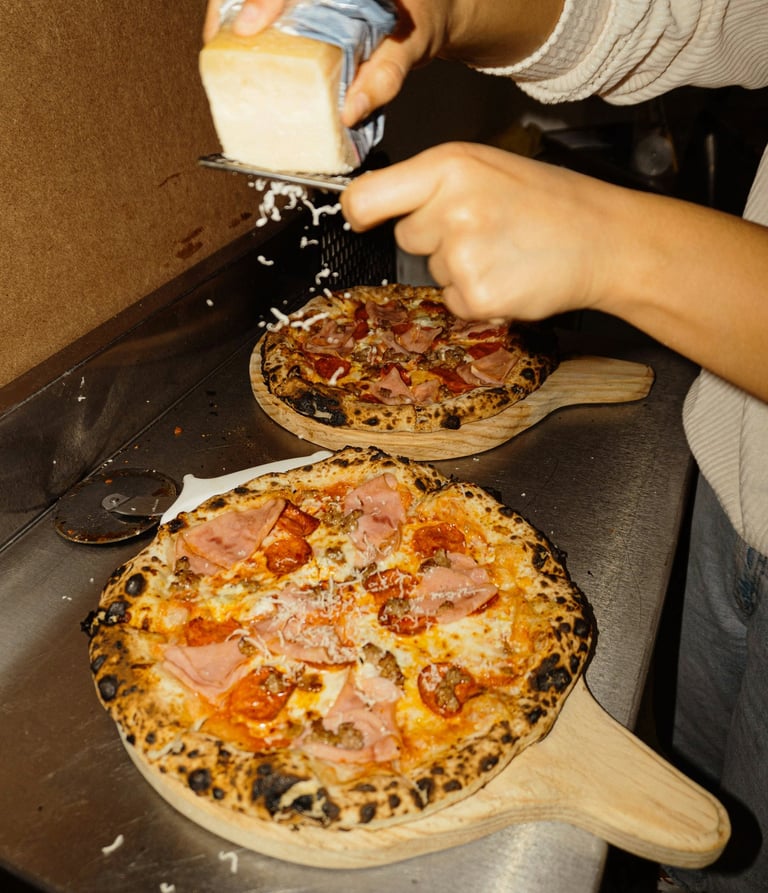
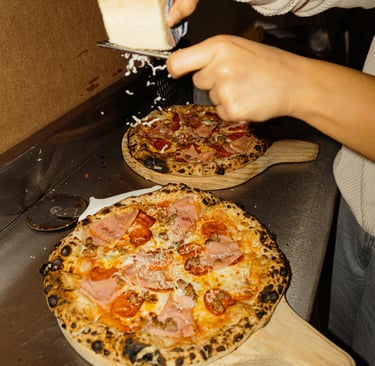
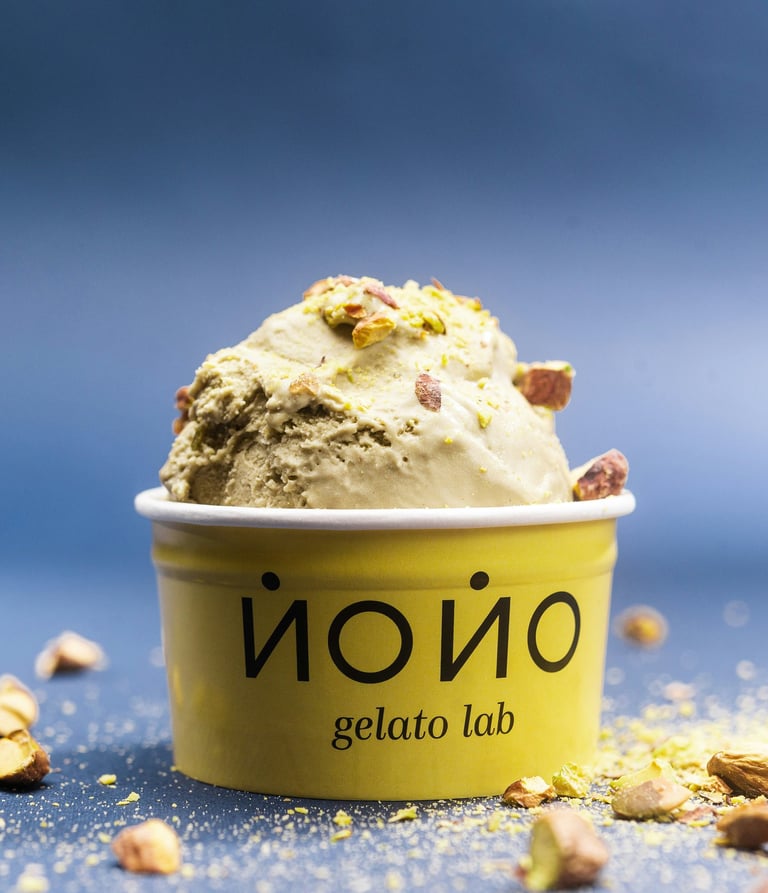
Photos of typical italian food
Practical Tips
Transportation: Rome's historic center is best explored on foot—most major attractions lie within walking distance. The metro serves outlying areas and provides quick access to the Vatican and Colosseum. Taxis and ride-sharing apps offer convenience, though traffic can be challenging during peak hours.
Dress Code: Many churches, including St. Peter's Basilica, enforce modest dress codes requiring covered shoulders and knees. Carry a light scarf or shawl for easy compliance. Romans dress well, and elevating your style helps you blend into the sophisticated atmosphere.
Reservations: Book Borghese Gallery tickets well ahead—entrance is limited and timed. Reserve tables at popular restaurants, especially for dinner. Purchase skip-the-line tickets for the Vatican Museums and Colosseum to maximize your time.
Siesta Tradition: Many shops and some restaurants close between 1-4 PM. Plan museum visits or long lunches during these hours, then enjoy the city's revival as evening approaches.
Water Fountains: Rome's numerous nasoni (drinking fountains) provide fresh, potable water throughout the city. Carry a reusable bottle and refill freely—the water is excellent and the fountains charming.
Budget: Rome accommodates various budgets. Lunch menus offer better value than dinner, markets and bakeries provide affordable meals, and many churches and piazzas cost nothing to visit yet offer profound beauty.
Plan Your Rome Holiday
Rome rewards every type of traveler—history enthusiasts, art lovers, food devotees, and romantics all find their paradise in the Eternal City. Whether you're planning a cultural pilgrimage, a romantic escape, or a journey through Western civilization's greatest achievements, Rome delivers experiences that transform and inspire.
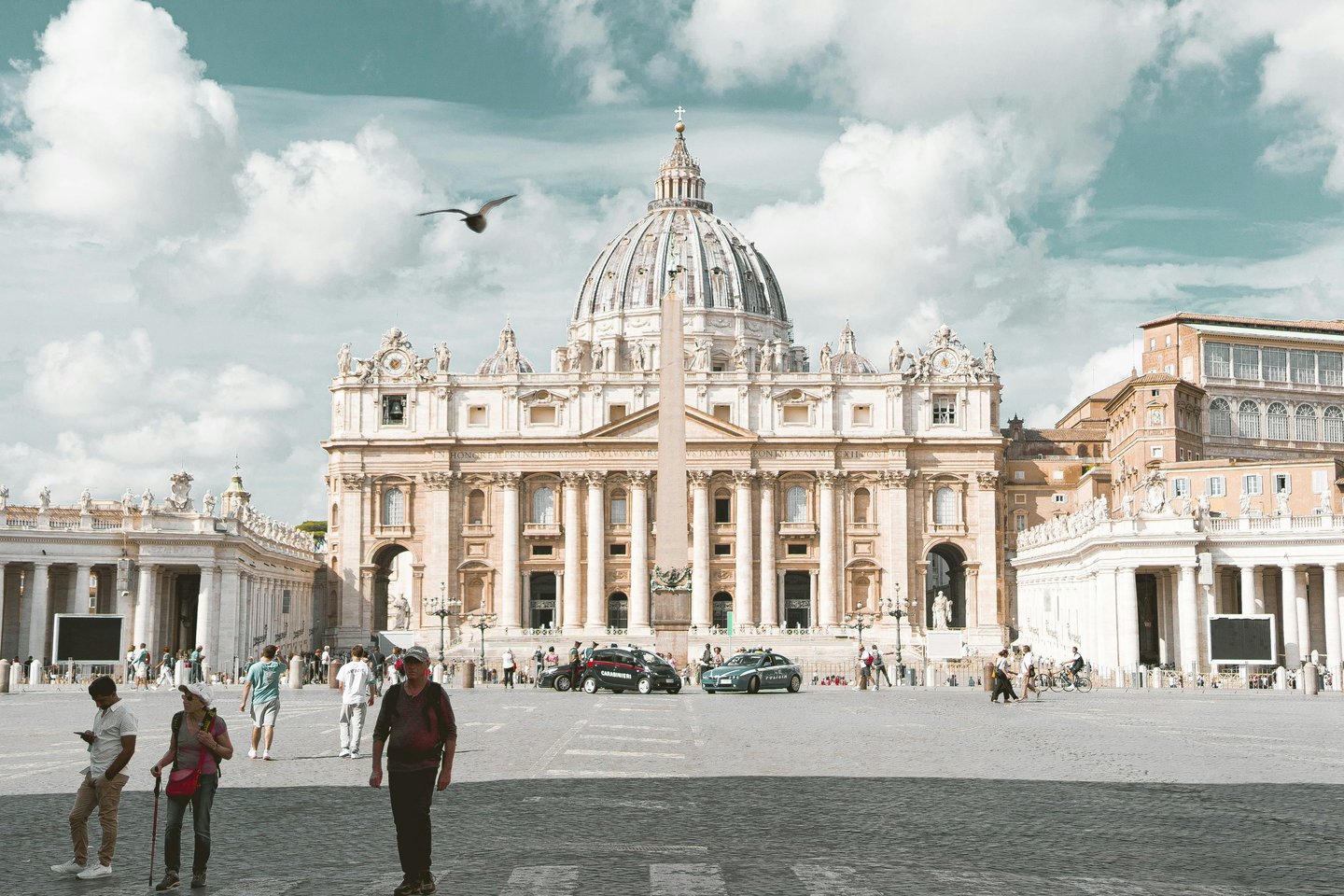
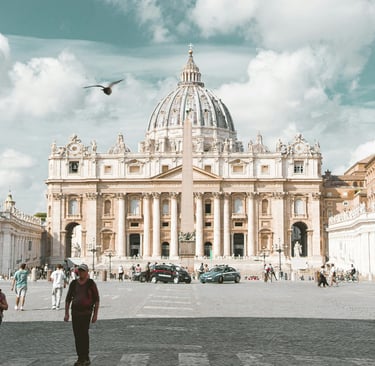
Photo of the Vatican
Ready to explore Rome? Discover the best accommodations, tours, and travel packages to make your Roman adventure unforgettable. Book Your Rome Accommodation, Find Rome Tours & Experiences and Compare Flight Deal.
Hotels • Apartments • Vacation Rentals • Travel
Compare hotels on Expedia | Find curated tours on GetYourGuide
“© 2025-2026. All rights reserved.
This blog may contain affiliate links, which means I might earn a small commission, at no extra cost to you, if you decide to make a booking through one of these links. I only recommend products and services I actually use or genuinely believe will bring value. For more information visit http://paidforadvertising.com. Thank you for your support!
Affiliate Disclosure


Important Links
Continents
Find Us Here
Follow Us
Welcome to The Gilded Globe, your premier guide to crafting journeys that are seamless as they are extraordinary. We believe that travel is not just about the destination, it's about the richness of the experience - from the first spark of inspiration to the memories you bring home.