
LISBON: WHERE HISTORY MEETS COASTAL ELEGANCE
Portugal's Enchanting Capital of Seven Hills
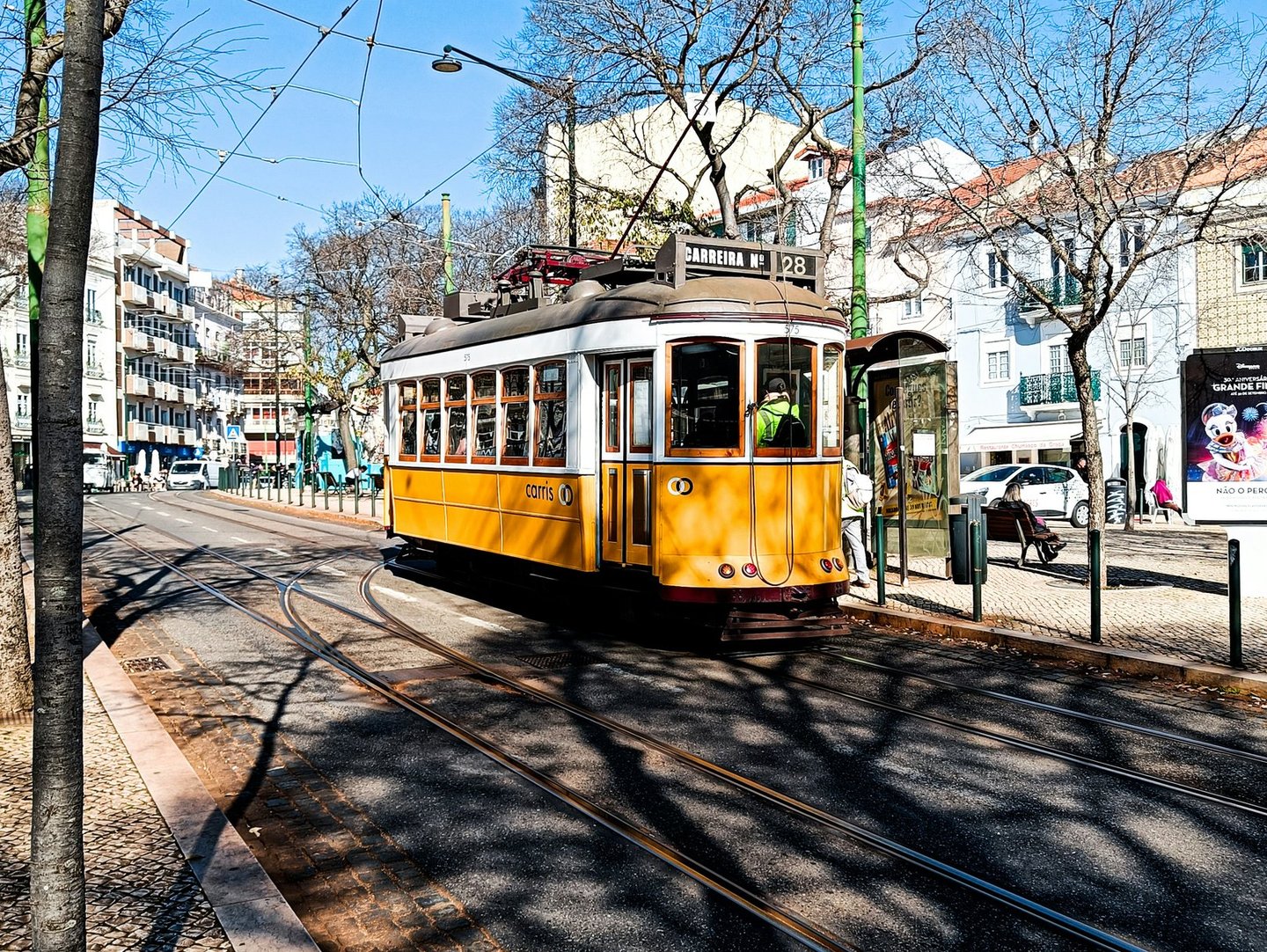
Lisbon captivates as Europe's most sun-drenched capital, where seven hills cascade down to the sparkling Tagus River estuary, creating a city of dramatic viewpoints, colorful ceramic tiles (azulejos), iconic yellow trams climbing steep cobblestone streets, and neighborhoods preserving centuries of maritime history. This remarkable city of 505,000 people (2.8 million metro area) combines Moorish castles overlooking terracotta rooftops with trendy waterfront districts, traditional fado music echoing through medieval alleyways with contemporary art galleries, and family-run taverns serving fresh seafood and the legendary pastel de nata alongside Michelin-starred restaurants. From the UNESCO-listed Belém district celebrating Portugal's Age of Discovery to the bohemian Bairro Alto's nightlife, from azulejo-covered buildings shimmering in golden light to miradouros (viewpoints) offering breathtaking panoramas, Lisbon delivers Mediterranean warmth, Atlantic Ocean breezes, and a relaxed pace that feels refreshingly unhurried compared to other European capitals.
Beyond its historic beauty, Lisbon enchants with genuine authenticity where locals still gather at neighborhood cafés for morning coffee and pastries, traditional shops sell artisan goods, and family traditions continue across generations. The city's compact center allows walking between major attractions, while vintage Tram 28 provides scenic transport through historic districts. The spring-like climate year-round, affordable prices compared to Western European peers, safety, and Portuguese hospitality create welcoming atmosphere for all travelers. From sunrise at the Tagus River to sunset cocktails at rooftop bars, from exploring Alfama's maze-like streets to day trips to fairy-tale Sintra, Lisbon offers layers of discovery rewarding repeat visits while remaining accessible for first-timers seeking European charm without overwhelming crowds or prices.
Or compare on Expedia
Why Visit Lisbon
Historic Neighborhoods and Architectural Heritage
Lisbon's distinct neighborhoods each preserve unique character and history. Alfama—the city's oldest district—survived the devastating 1755 earthquake with its Moorish layout of narrow winding streets, hidden squares, and traditional fado houses. The São Jorge Castle crowns the hill offering spectacular city views and 2,500 years of fortification history. Belém showcases Portugal's Age of Discovery through UNESCO World Heritage monuments including the Jerónimos Monastery displaying Manueline architecture's elaborate stone carvings, and the Belém Tower standing sentinel where explorers departed for the New World. The Baixa district demonstrates 18th-century urban planning through its grid of elegant streets rebuilt after the earthquake. Buildings throughout the city feature stunning azulejos (decorative ceramic tiles) in intricate patterns covering façades, metro stations, and church interiors. The combination of Moorish influences, medieval quarters, earthquake reconstruction, and Portuguese maritime glory creates architectural diversity and historical depth.
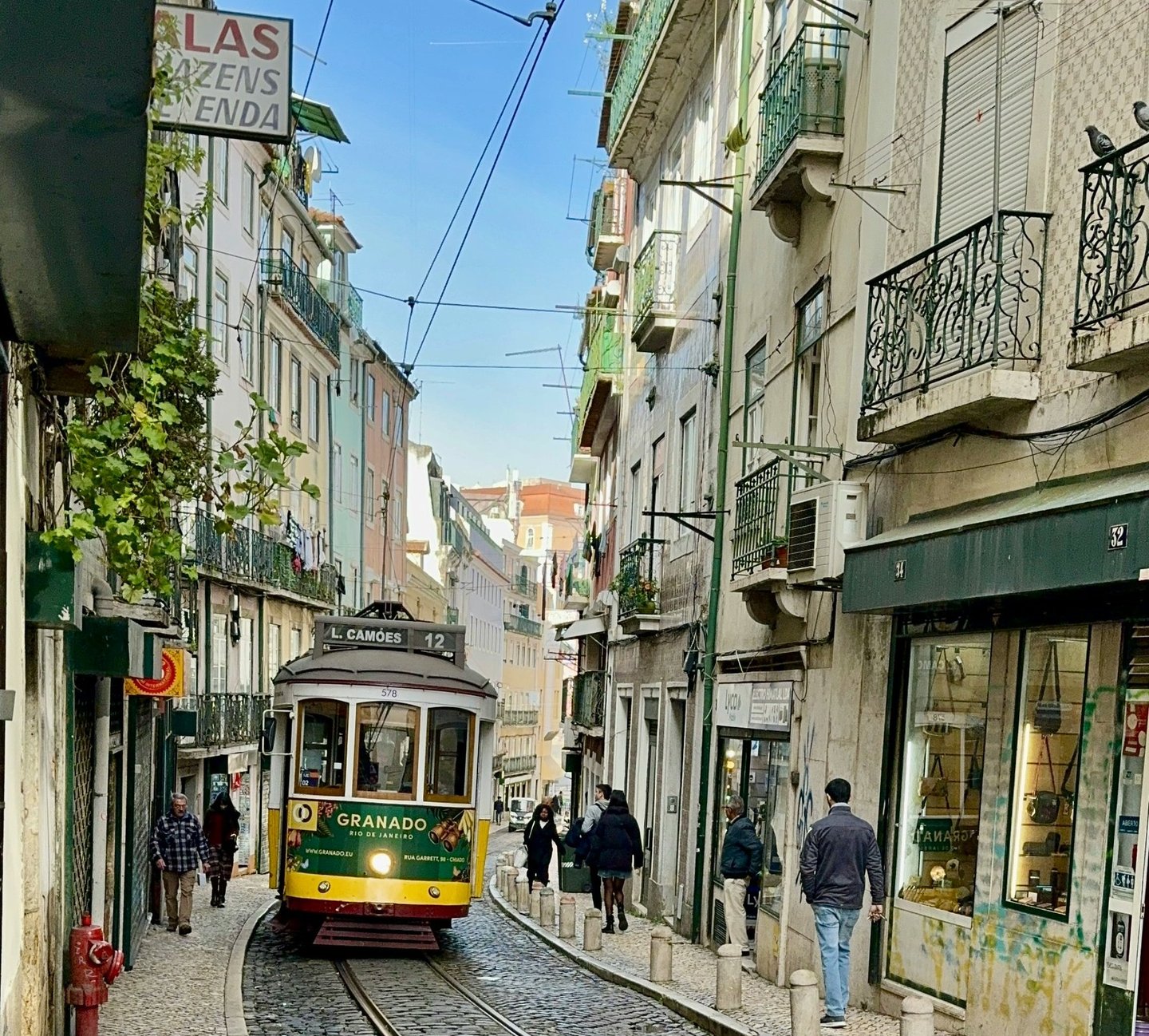
Historic neighborhoods preserve centuries of Portuguese character through azulejos and medieval streets
Pastel de Nata and Exceptional Food Scene
Lisbon's culinary identity centers on the pastel de nata—the iconic custard tart with flaky pastry and caramelized top invented in Belém and perfected over centuries. The original Pastéis de Belém bakery (since 1837) serves over 20,000 tarts daily using secret recipe passed down through generations. Beyond pastries, Lisbon excels in seafood—grilled sardines during summer festivals, bacalhau (salt cod) prepared 365 different ways, percebes (goose barnacles), octopus rice, and cataplana seafood stew. Traditional tascas (taverns) serve petiscos (Portuguese tapas) with local wine for €15-25 per person. The Time Out Market Lisbon gathers top chefs and food vendors under one historic roof. Michelin-starred restaurants like Belcanto demonstrate Portuguese haute cuisine, while neighborhood cafés maintain traditions of coffee culture and simple, fresh ingredients. The combination of Atlantic seafood, Mediterranean influences, centuries-old recipes, and contemporary innovation makes Lisbon exceptional food destination.


Pastel de nata represents Lisbon's iconic culinary tradition
Iconic Tram Rides and Hilltop Viewpoints
Lisbon's topography of seven hills creates challenge and reward—steep climbs rewarded by stunning miradouros (viewpoints) offering panoramic vistas of terracotta rooftops, the Tagus River, and Atlantic horizon. The vintage Tram 28 provides tourist attraction and practical transport, rattling through narrow streets of Graça, Alfama, and Baixa districts while passing major monuments. The journey offers glimpses into residential life, architectural details, and neighborhood character impossible from other perspectives. Numerous miradouros—Senhora do Monte, Portas do Sol, Santa Luzia, São Pedro de Alcântara—provide free viewing platforms often with cafés allowing leisurely appreciation. The three public elevators and one funicular overcome hills while offering vertical perspectives. Sunset watching from hilltop viewpoints with wine and snacks represents quintessential Lisbon experience. The combination of functional vintage transport and spectacular natural viewing platforms creates unique urban exploration.
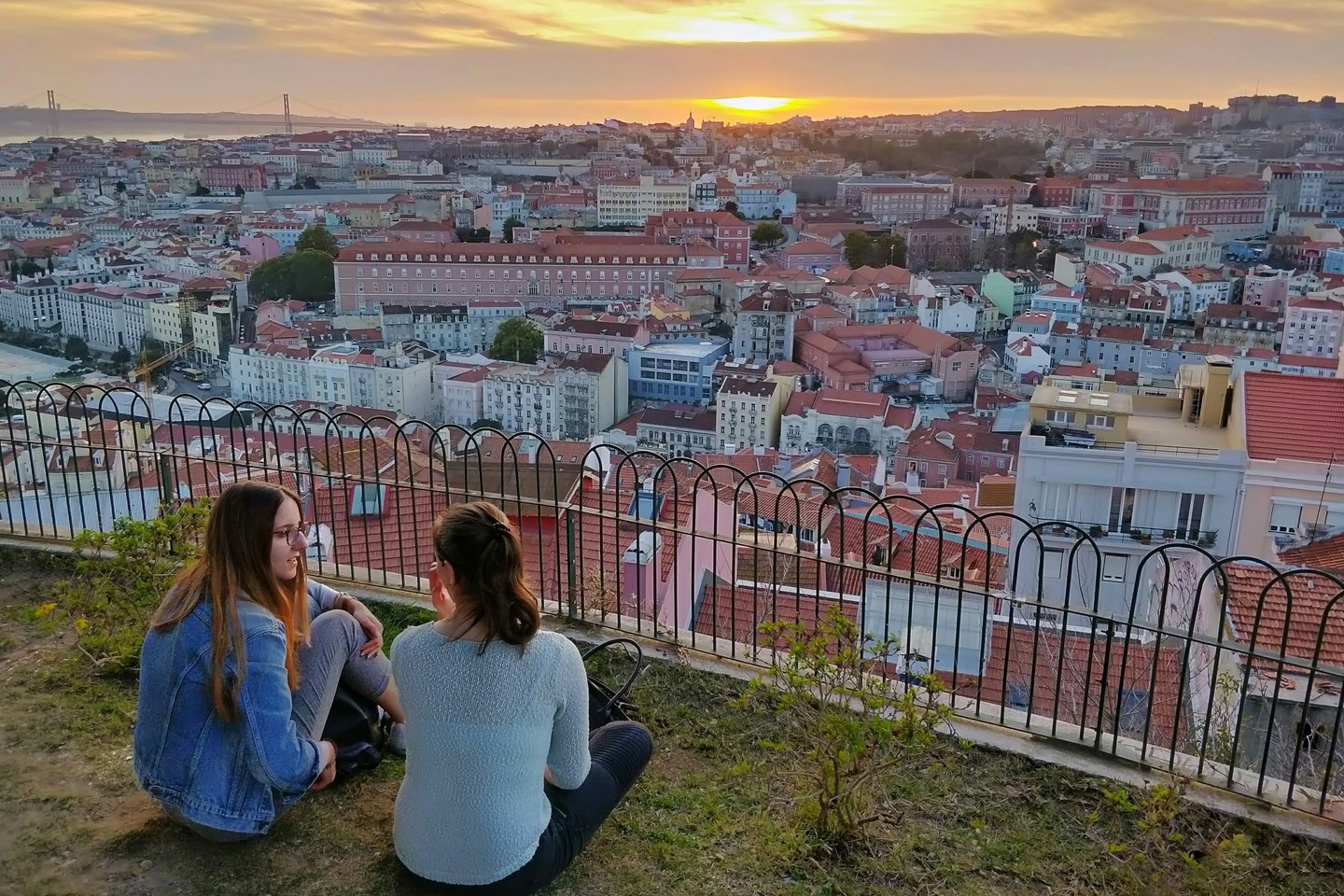
Lisbon offers exceptional value with rooftop bars and quality experiences at accessible prices
Affordable European Capital with Quality of Life
Lisbon offers remarkable value compared to other Western European capitals—quality meals for €10-15, excellent wine for €3-5 per glass, metro rides for €1.50, and boutique hotels from €80-120 per night. The cost of experiencing luxury—rooftop bars with river views, spa treatments, fine dining—runs 30-50% below Paris, London, or Rome equivalents. This affordability extends to day trips, shopping, and activities making Lisbon accessible to budget travelers while offering ample luxury options. The Mediterranean lifestyle with outdoor cafés, late dinners, and relaxed pace creates quality of life rare in major cities. The safety, walkability, efficient public transport, English proficiency, and genuine warmth from locals enhance livability. The climate—mild winters, warm dry summers, 300 days of sunshine annually—allows year-round outdoor enjoyment and beach access just 30 minutes away.
Fado Music and Cultural Authenticity
Fado—Portugal's traditional music genre characterized by mournful melodies and saudade (profound melancholic longing)—remains living tradition in Lisbon. Alfama and Bairro Alto neighborhoods host authentic fado houses where locals and tourists share intimate performances accompanied by Portuguese guitar. Unlike tourist shows elsewhere, many Lisbon fado venues operate as community institutions where established and emerging fadistas perform regularly. The music reflects Portuguese soul—maritime nostalgia, immigrant experience, love and loss—creating emotional power transcending language barriers. Museums preserve fado history, while annual festivals celebrate the art form. The combination of UNESCO Intangible Cultural Heritage designation and continued evolution keeps fado vital. Experiencing fado in candlelit tasca while dining on traditional Portuguese food offers cultural immersion impossible to replicate.
Gateway to Coastal Beauty and Day Trip Destinations
Lisbon's location provides easy access to diverse attractions within hour's reach. Sintra—UNESCO World Heritage site 30 minutes away—features fairy-tale Pena Palace, mysterious Quinta da Regaleira, and Moorish Castle amid lush mountains. Cascais offers sophisticated beach resort atmosphere with historic fort and waterfront promenade. The dramatic Cabo da Roca marks Europe's westernmost point with spectacular Atlantic cliffs. Óbidos preserves medieval walled town with castle, cobblestone streets, and ginja (cherry liqueur) tradition. The Costa da Caparica beaches stretch for kilometers with surf schools and beach bars. These day trips combine coastal scenery, mountain landscapes, palace architecture, and beach culture creating diverse experiences. The excellent train and bus connections make exploring easy without car rental stress. Lisbon serves as perfect base for discovering central Portugal's treasures.
Best Time to Visit Lisbon
Spring (March-May) - Peak Beauty
Spring brings Lisbon's most spectacular weather with temperatures 15-22°C (59-72°F), blooming jacaranda trees creating purple canopies over streets, and manageable tourist numbers before summer peak. April-May offer particularly pleasant conditions with warm days, cool evenings perfect for walking, and occasional rain keeping the city green. Hotel rates remain reasonable compared to summer, outdoor café culture thrives, and all attractions operate full schedules without overwhelming crowds. Easter celebrations add religious processions and traditional festivities. The combination of ideal weather, natural beauty, comfortable prices, and festival atmosphere makes spring Lisbon's prime season. Book accommodations 1-2 months ahead for best selection at good rates.
Summer (June-August) - Warmest and Busiest
Summer delivers hot, dry weather with temperatures 20-30°C (68-86°F), minimal rainfall, and long daylight hours extending evenings until 9 PM. The Atlantic breeze moderates heat compared to inland Spain, though afternoons can feel intense without air conditioning. June remains pleasant with fewer crowds than July-August when European vacation season peaks. Summer brings Santos Populares festivals (especially Santo António on June 12-13) with street parties, grilled sardines, and neighborhood celebrations. Beach weather attracts locals to Costa da Caparica and Cascais. The tradeoffs include highest hotel rates (advance booking essential), crowded attractions requiring early morning or late afternoon visits, and reservations necessary for popular restaurants. Summer suits travelers prioritizing beach access, festival atmosphere, and guaranteed sunshine over budget and solitude.
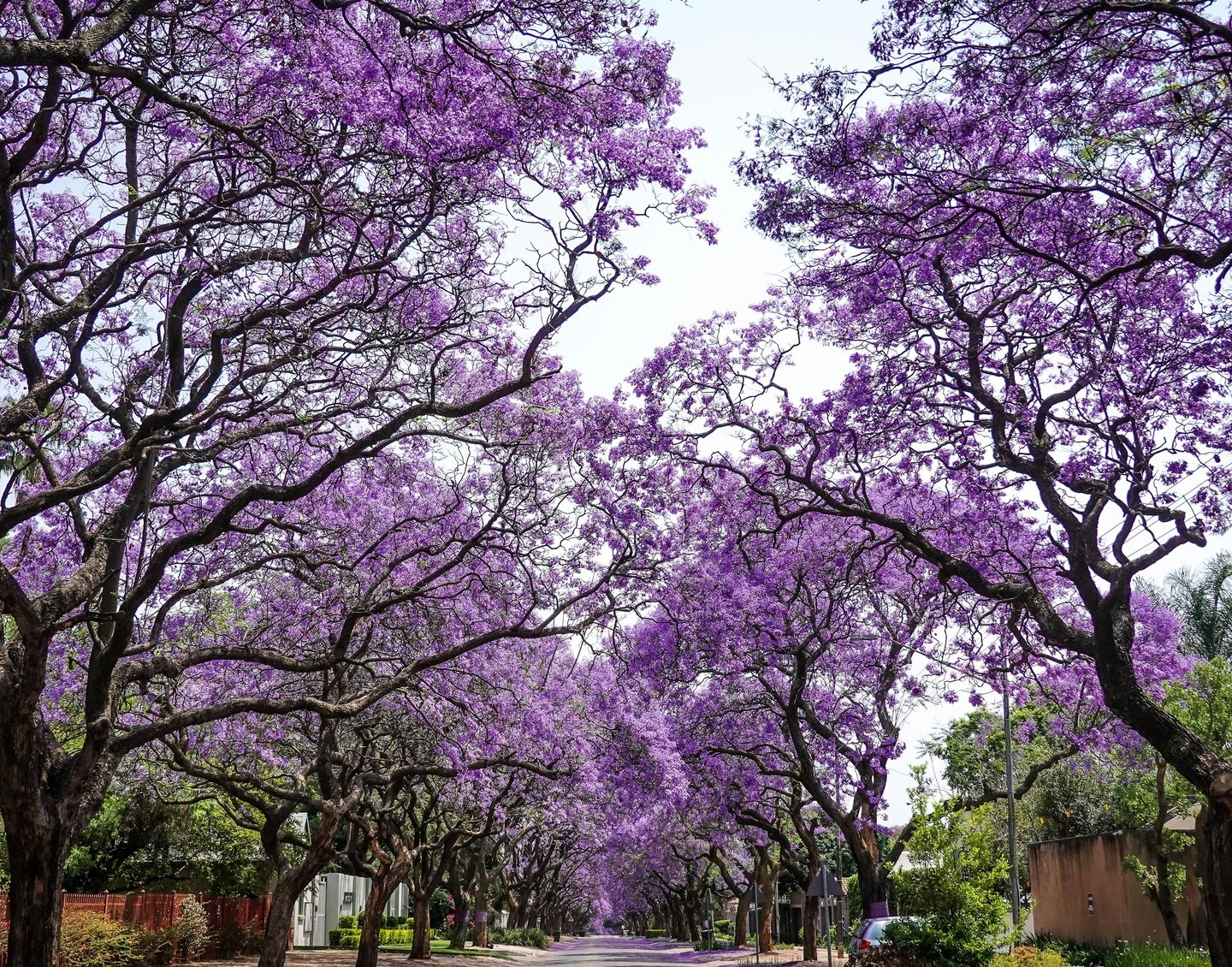
Lisbon enjoys 300 days of sunshine annually with spring and fall offering ideal conditions
Fall (September-November) - Ideal Balance
September-October rival spring as optimal visiting time with temperatures 18-25°C (64-77°F), ocean still warm from summer, fewer tourists than peak season, and lower hotel rates. September extends summer's beach season without crowds, while October brings perfect walking weather and wine harvest festivals. November introduces more rainfall but maintains mild temperatures and offers lowest prices. Fall provides authentic Lisbon experience with locals returning from vacation, cultural season beginning with concerts and exhibitions, and neighborhoods resuming normal rhythms. Restaurant reservations become easier, attractions less crowded, and interactions with Portuguese people more relaxed. The combination of excellent weather, manageable crowds, reasonable prices, and cultural vitality makes fall increasingly popular among savvy travelers.
Winter (December-February) - Mild and Authentic
Lisbon's winter brings mild temperatures 10-16°C (50-61°F), increased rainfall (though rarely all-day), shorter days, and fewest tourists creating most authentic local experience. The city never feels truly cold by Northern European standards—sunny winter afternoons allow outdoor café sitting with jacket. Christmas decorations illuminate streets, New Year fireworks over the Tagus River create spectacular displays, and traditional cafés serve seasonal sweets. Winter offers lowest hotel rates (often 40-50% below summer), easy restaurant reservations, and uncrowded museums and monuments. Rainy days suit exploring Lisbon's excellent museums, historic churches, and covered markets. The tradeoffs include occasional gloomy weather, some restaurants reducing hours, and beach swimming impossible. Winter appeals to travelers seeking authentic urban life, cultural depth over beach time, and budget-conscious exploration.
Best Overall Time
April-May or September-October offer optimal balance of weather, crowds, and prices. Summer guarantees sunshine but brings crowds and costs. Winter provides authenticity and value for those accepting weather variability. Lisbon works year-round—choose based on weather sensitivity, budget, and crowd tolerance preferences.
Iconic Lisbon Attractions
Alfama District and São Jorge Castle
Alfama—Lisbon's oldest neighborhood—survived the 1755 earthquake preserving medieval Moorish layout of labyrinthine streets, hidden squares, tiled façades, and authentic taverns. Walking Alfama means surrendering to getting lost—discovering neighborhood laundry hanging from windows, elderly residents chatting on stoops, fado music drifting from doorways, and viewpoints revealing unexpected panoramas. The São Jorge Castle crowns the hill with 2,500 years of fortifications—Phoenician settlement, Roman garrison, Moorish citadel, Portuguese royal palace. The castle walls offer 360-degree views of the city, Tagus River, and beyond. Archaeological sites within reveal layers of history, while peacocks roam the gardens. Tuesday and Saturday mornings bring the Feira da Ladra flea market to nearby Campo de Santa Clara. Alfama rewards slow exploration—morning coffee at miradouros, lunch at traditional tascas, afternoon monument visits, and evening fado performances create full immersion in Lisbon's soul.
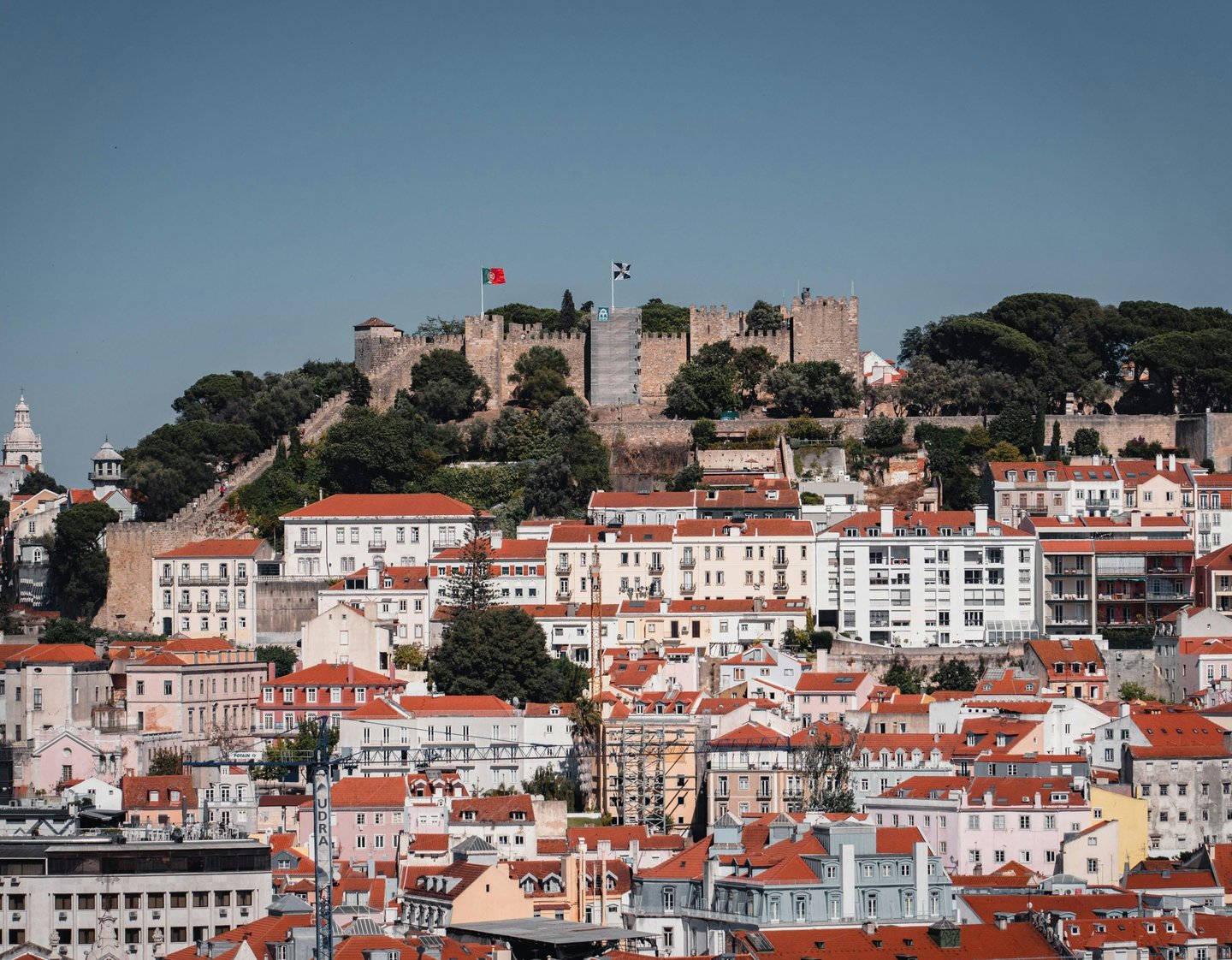
São Jorge Castle crowns Alfama with panoramic city views and 2,500 years of history
Belém District and Maritime Monuments
Belém concentrates Portugal's Age of Discovery heritage along the Tagus River where explorers departed for voyages that mapped the world. The Jerónimos Monastery (UNESCO World Heritage) showcases Manueline architecture's elaborate stone carvings incorporating maritime symbols, exotic discoveries, and religious devotion—construction funded by spice trade wealth. The monastery church contains Vasco da Gama's tomb. The nearby Belém Tower—iconic fortress on the riverbank—demonstrates Renaissance military architecture mixed with Moorish details. The Monument to the Discoveries features Henry the Navigator and other key figures from Portugal's exploration era. The modern MAAT museum displays contemporary art and architecture. Pastéis de Belém bakery draws lines for original custard tarts. Belém works as half-day or full-day visit depending on museum interest—the concentration of monuments, riverside location, and pastry tradition make it essential Lisbon experience combining history, architecture, and culinary pilgrimage.
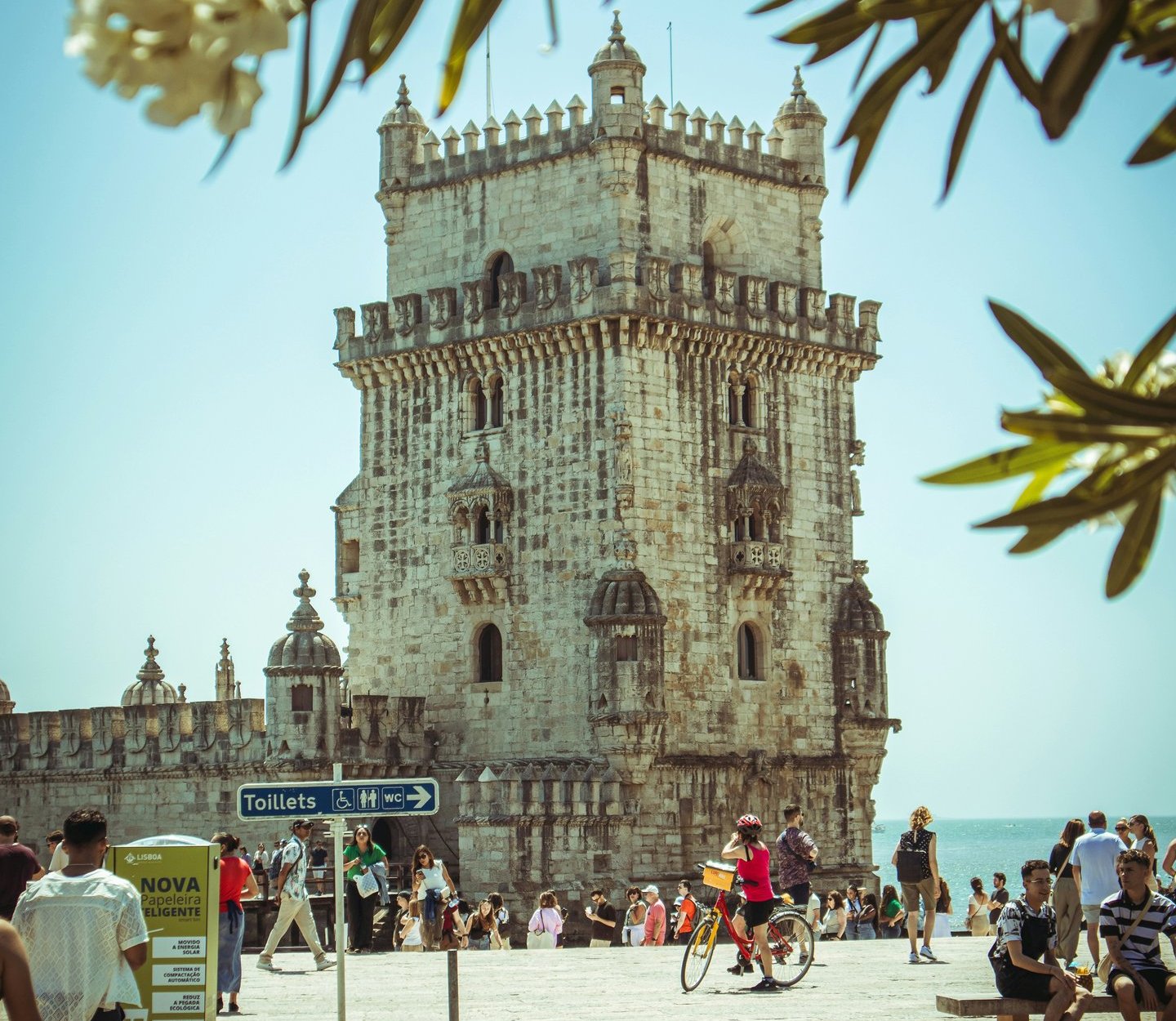
Belém's monuments celebrate Portugal's Age of Discovery and maritime heritage
Tram 28 and Historic Districts
The vintage yellow Tram 28 provides Lisbon's most scenic journey rattling through Graça, Alfama, Baixa, and Estrela districts on hour-long route showcasing the city's diversity. The historic trams navigate impossibly narrow streets, steep inclines, and tight corners while passing São Jorge Castle, Lisbon Cathedral, Baixa's elegant squares, and Basílica da Estrela. The tram functions as tourist attraction and practical transport—locals use it for daily commutes despite crowds. Board early morning (before 9 AM) or late afternoon (after 5 PM) to avoid crushing tourist crowds, or ride the entire route first to understand geography before exploring neighborhoods on foot. The journey offers continuous architectural variety, glimpses into residential life, and efficient overview of central Lisbon's topography. Combined with walking, the tram helps navigate hilly terrain while providing transportation tradition dating to 1914.
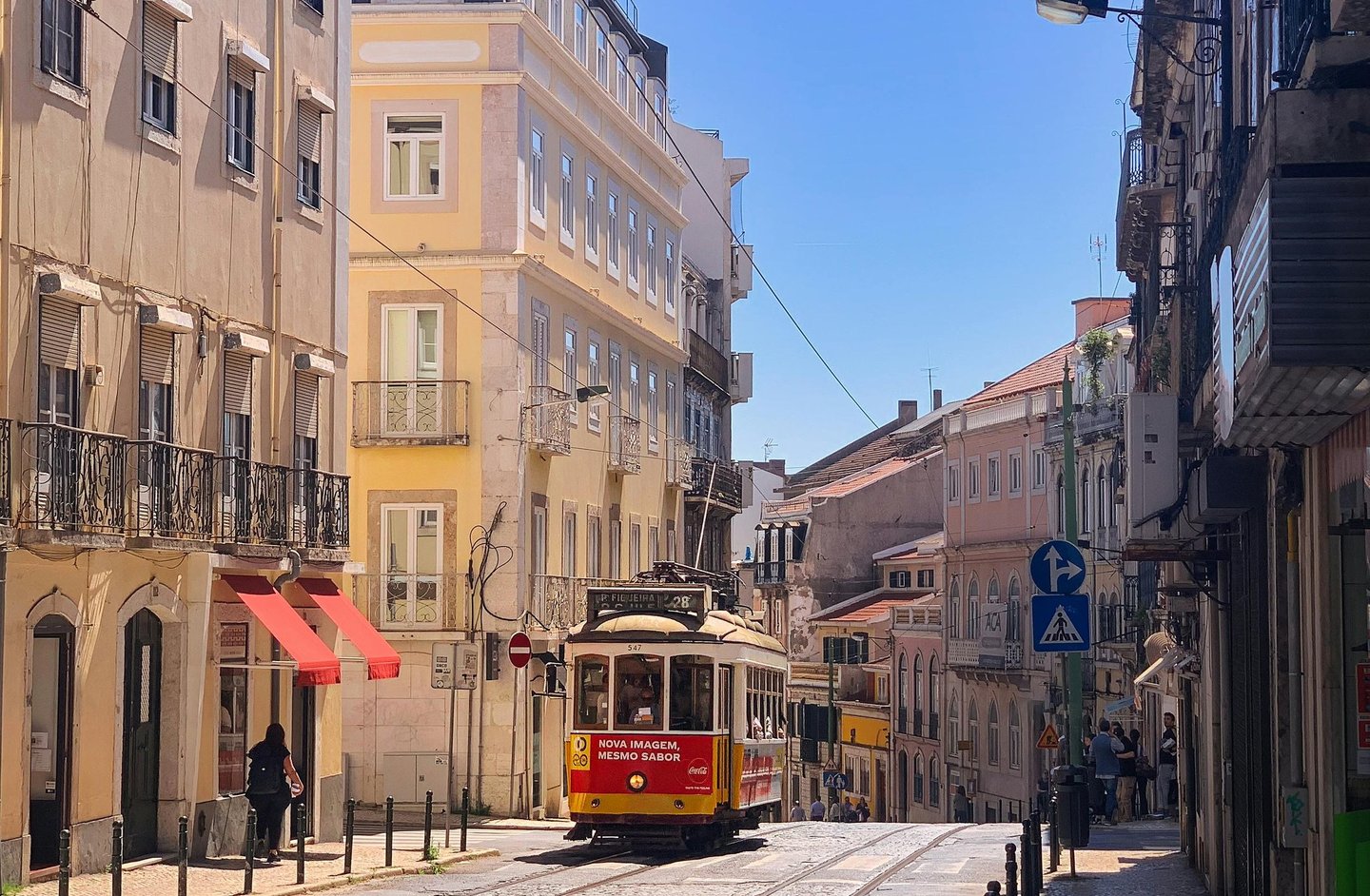
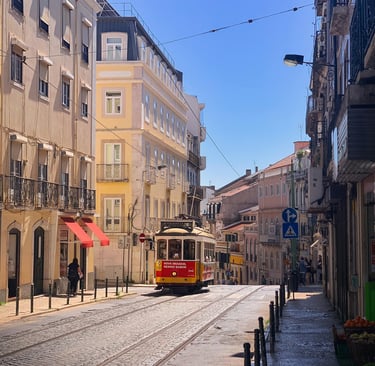
Vintage Tram 28 provides Lisbon's most scenic journey through historic districts
Sintra Day Trip
Just 30 minutes from Lisbon by train, Sintra offers UNESCO World Heritage landscapes where palaces, quintas, and castles dot forested mountains creating fairy-tale atmosphere. Pena Palace—perched on peak in brilliant reds, yellows, and blues—represents 19th-century Romanticism with eclectic architecture mixing Moorish, Gothic, and Renaissance elements. Quinta da Regaleira features mysterious gardens with hidden tunnels, initiation wells, and esoteric symbolism. The Moorish Castle ruins provide spectacular views from hilltop fortifications. The National Palace in town center displays distinctive conical chimneys and magnificent tile work. Monserrate Palace demonstrates Oriental influences in romantic gardens. Sintra's microclimate creates lush vegetation and frequent mist adding mystical quality. The town offers traditional pastries including travesseiros and queijadas. Plan full day—arrive early to beat crowds, prioritize 2-3 main sites, and expect to walk or bus between palaces as distances are significant. Sintra's concentration of architectural wonders and natural beauty makes it Portugal's most visited attraction outside Lisbon proper.
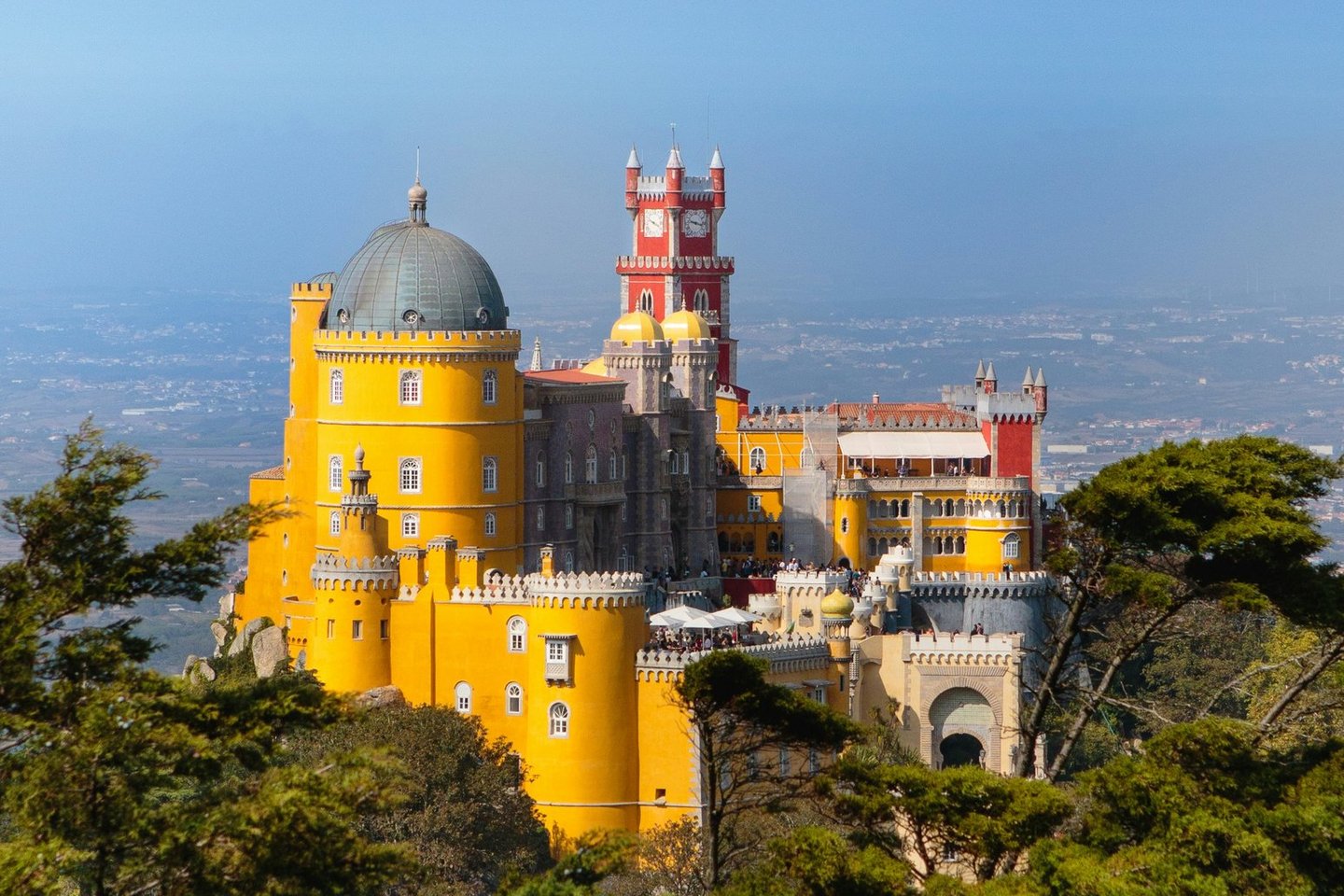
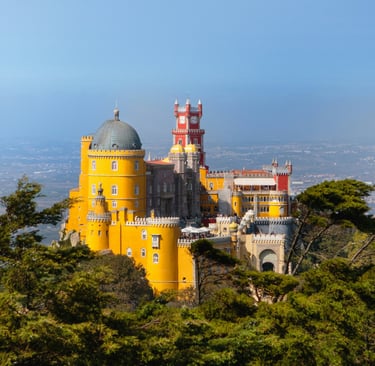
Sintra's fairy-tale palaces sit just 30 minutes from Lisbon
Oceanário de Lisboa and Parque das Nações
The 1998 World Expo transformed eastern Lisbon waterfront into modern district with contemporary architecture, riverside promenades, and the Oceanário—one of Europe's finest aquariums featuring massive central tank visible from multiple levels housing sharks, rays, and fish from four oceanic habitats. The architecture by Peter Chermayeff creates immersive experience emphasizing marine biodiversity and conservation. The surrounding Parque das Nações offers cable car rides over Tagus River, science museum, shopping center, gardens, and restaurants with more modern, less touristy atmosphere than central Lisbon. The district appeals to families with children, architecture enthusiasts, and those wanting contrast to historic neighborhoods. The metro connection makes access easy, and the riverside setting provides pleasant walking even when attractions don't appeal.
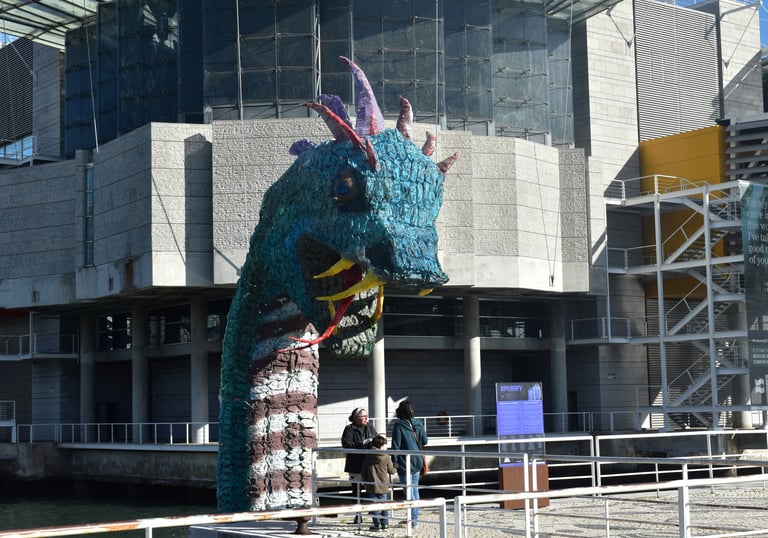
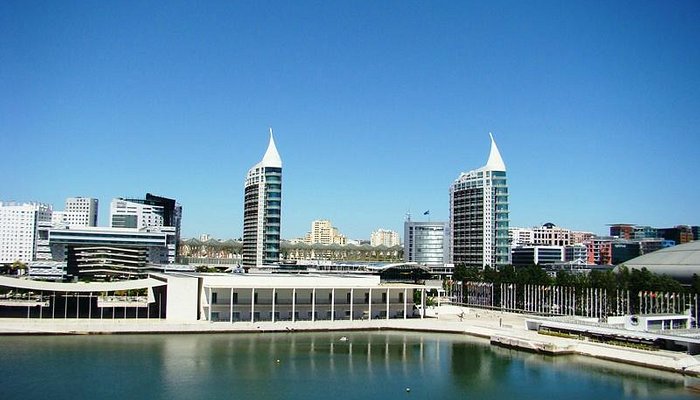
On the left, Oceanário de Lisboa, a must-see attraction. On the right, the new modern suburb of Parque das Nações
LX Factory and Contemporary Culture
This former industrial complex in Alcântara transformed into creative hub housing design shops, art galleries, restaurants, bookstores, and workspaces demonstrates Lisbon's contemporary energy. The street art-covered warehouses create Instagram-worthy backgrounds while maintaining authentic creative community. Ler Devagar bookstore features dramatic cathedral-like space with floor-to-ceiling shelves and flying bicycle installation. Weekend markets sell artisan goods, vintage clothing, and local crafts. Restaurants and bars offer everything from brunch to late-night cocktails with industrial-chic aesthetic. LX Factory represents Lisbon's evolution from traditional to modern while preserving industrial heritage—young Portuguese and international creatives work, socialize, and showcase their art in space that feels organic rather than manufactured. The complex sits beneath the 25 de Abril Bridge (Lisbon's Golden Gate Bridge lookalike) creating dramatic setting. Evening visits capture energy with restaurants full, bars buzzing, and occasional live music or cultural events.
Bairro Alto and Nightlife
This hilltop neighborhood transforms from quiet residential district by day into Lisbon's nightlife epicenter after 10 PM. Narrow streets fill with bars, fado houses, restaurants, and crowds spilling onto cobblestones with drinks from tiny establishments. The neighborhood offers diversity—traditional fado performances, craft cocktail bars, cheap beer spots, live music venues, and late-night dining. The atmosphere feels democratic with students, tourists, locals, and all ages mixing in streets where bar-hopping requires only walking a few meters. Nearby Cais do Sodré evolved from red-light district to trendy nightlife zone with Pink Street's pink-painted pavement hosting clubs and bars. The combination works well—start evening with fado and dinner in Bairro Alto, move to bars as crowds increase, then continue to Cais do Sodré if energy permits. The late Portuguese dining schedule (9-11 PM) means nightlife peaks midnight-2 AM. Safety feels comfortable even late-night due to crowds and police presence.
Time Out Market and Food Culture
The renovated Mercado da Ribeira became Time Out Market Lisboa gathering 40+ food vendors selected by food critics under one historic roof creating culinary destination showcasing Portugal's best chefs and traditional recipes. The communal seating concept allows sampling multiple vendors—fresh oysters, gourmet burgers, traditional Portuguese plates, Asian fusion, desserts, wine, and craft beer all in one location. The market combines tourist convenience with legitimate quality—many stalls represent established restaurants offering signature dishes. The energy peaks during lunch and dinner when all seats fill and Portuguese families, tourists, and workers share tables. Beyond Time Out, the surrounding Cais do Sodré neighborhood offers traditional markets, seafood restaurants, and bars creating full food experience. The market demonstrates Lisbon's food evolution from traditional to contemporary while maintaining accessibility and authentic flavors.
Where to Stay in Lisbon
Luxury: Four Seasons Hotel Ritz Lisbon
This luxury landmark overlooking Eduardo VII Park offers 282 elegant rooms and suites with views of park or city, marble bathrooms, classic furnishings, and modern amenities. The property maintains refined atmosphere with exceptional service, Michelin-starred Varanda restaurant serving Portuguese and international cuisine, comprehensive spa, and indoor pool. The location on Avenida da Liberdade provides easy metro access to downtown while maintaining upscale neighborhood quiet. The hotel attracts business travelers and discerning tourists seeking traditional luxury and professional service. Rates from €300-600+ per night reflect premium positioning, central location, and five-star facilities.
Luxury: Memmo Alfama Hotel
This boutique design hotel in Alfama's heart features 42 contemporary rooms with minimalist aesthetic contrasting beautifully with the historic neighborhood. Many rooms offer river views through floor-to-ceiling windows, modern bathrooms, and sleek furnishings. The rooftop terrace with pool, bar, and panoramic views provides stunning setting for breakfast or sunset cocktails overlooking the Tagus River and São Jorge Castle. The location puts guests in Lisbon's most atmospheric neighborhood with authentic taverns and fado houses steps away while maintaining boutique comfort. Rates from €200-400 per night offer contemporary luxury in historic setting at accessible price point for boutique property.
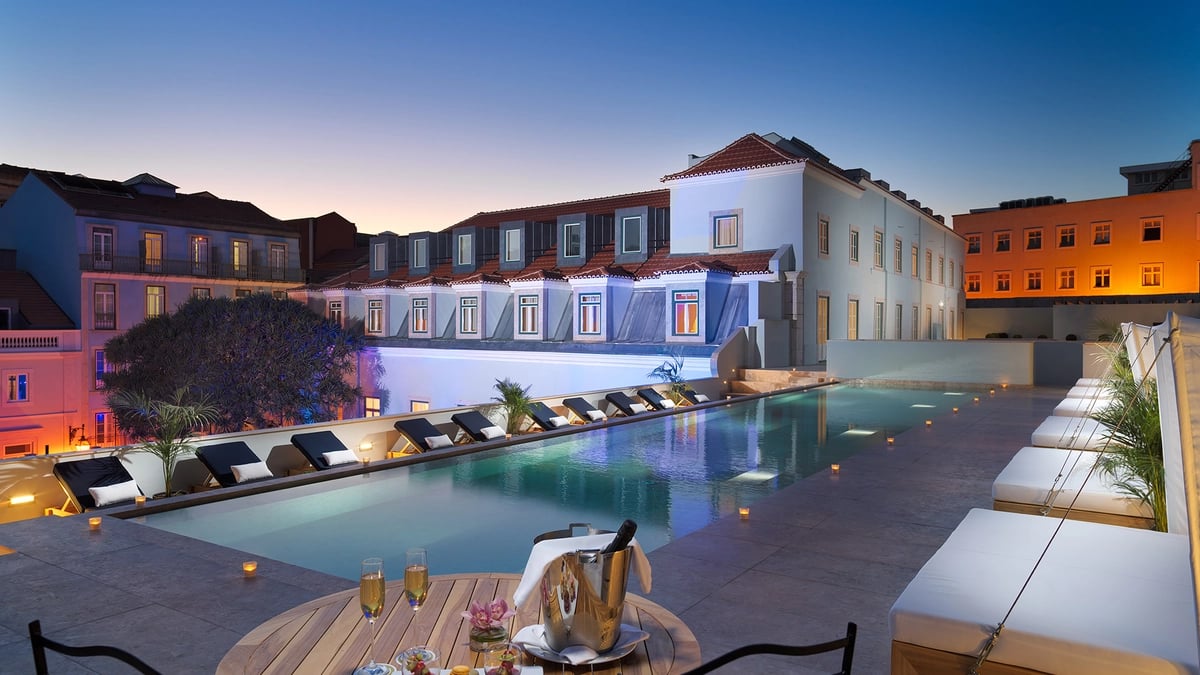
Lisbon hotels range from historic palaces to contemporary boutique properties
Mid-Range: Casa do Príncipe
This beautifully restored 19th-century palace in Príncipe Real neighborhood combines historic architecture with contemporary comfort through 11 individually designed rooms featuring Portuguese tiles, antique furniture, modern bathrooms, and attention to detail. The property preserves original features including frescoed ceilings and ornate woodwork while updating with quality beds, air conditioning, and wifi. The location in trendy Príncipe Real provides botanical garden views, proximity to Bairro Alto nightlife, local cafés and shops, and authentic neighborhood feel. The intimate size ensures personalized service. Rates from €120-200 per night deliver character and location at mid-range pricing.
Mid-Range: Dear Lisbon Gallery House
This guesthouse in Chiado features art gallery on ground floor with rotating exhibitions and six minimalist rooms above decorated with Portuguese design touches. The central location allows walking to major attractions while positioned in sophisticated shopping and cultural district. The property combines boutique style with guesthouse affordability through quality beds, modern bathrooms, breakfast included, and friendly service. The artistic atmosphere attracts creative travelers and those appreciating design without luxury hotel prices. Rooms from €100-160 per night offer excellent value for Chiado location and character.
Budget: Lost Inn Lisbon Hostel
This design hostel in Chiado provides stylish budget accommodation with dormitories and private rooms in restored historic building. The rooftop bar with castle views creates social atmosphere, while minimalist rooms feature quality beds, individual lights and power outlets, modern shared bathrooms, and thoughtful design. Common areas include kitchen, lounge, and organized activities helping travelers meet. The central location allows walking to attractions while maintaining quiet residential setting. Staff provide local tips and booking assistance. Dorms from €20-35 per bed, private rooms from €60-90 per night offer design hostel standards in prime location.
Budget: Lisbon Destination Hostel
This hostel in Rossio square's heart features colorful rooms mixing dorms and privates with creative décor, modern facilities, and comprehensive common areas. The location provides ultimate centrality—metro station outside door, walking distance to everything, surrounded by restaurants and shops. The hostel operates bar, organizes pub crawls and activities, and maintains social atmosphere while respecting quiet hours. Rooms feature air conditioning, lockers, and quality mattresses. The building's historic façade contrasts with contemporary interior. Dorms from €18-30 per bed, private rooms from €55-80 per night deliver maximum location and social atmosphere at budget prices.
Book on Booking.com | Expedia | Trip.com
Find tours on GetYourGuide
Lisbon Culinary Highlights
Lisbon's food scene combines Atlantic seafood tradition, centuries-old recipes, African and Brazilian influences from colonial history, and contemporary innovation creating unique Portuguese culinary identity.
Pastel de Nata and Traditional Pastries
The pastel de nata represents Lisbon's most iconic food—flaky puff pastry shell filled with creamy egg custard and caramelized top eaten warm with cinnamon. Pastéis de Belém (since 1837) serves the original using secret recipe with daily lines warranting wait. Manteigaria operates two locations producing excellent versions with visible kitchen. Beyond nata, Portuguese pastries include travesseiros (almond cream pillows) from Sintra, queijadas (cheese tarts), bolo de arroz (rice cakes), and conventual sweets invented in monasteries. Traditional cafés and pastelarias throughout the city serve coffee and pastries creating Portuguese breakfast or afternoon ritual. The combination of butter-rich pastry, egg-custard filling, and caramelized sugar creates addictive texture and flavor—sampling from multiple bakeries reveals subtle variations in technique and flavor.
Seafood and Bacalhau
Lisbon's coastal location and maritime heritage create seafood-focused cuisine featuring fresh fish, octopus, clams, percebes (goose barnacles), and seafood rice. Summer brings grilled sardine season during Santos Populares festivals with charcoal-grilled fish served on bread with peppers. Bacalhau (salt cod) appears in endless preparations—bacalhau à Brás (shredded cod with eggs and potatoes), bacalhau com natas (creamed cod), and grilled versions. Cervejarias (beer halls) like Ramiro serve spectacular seafood—prawns, crab, percebes, clams—with cold beer. The restaurants at Mercado da Ribeira and Cais do Sodré specialize in fresh seafood prepared simply to highlight quality. Cataplana (seafood stew in copper pot) from Algarve appears on many menus. The Atlantic's bounty and Portuguese cooking traditions create exceptional seafood culture.


Fresh seafood/bacalhau and traditional Portuguese cuisine define Lisbon's food culture
Traditional Tascas and Petiscos
Traditional tascas (taverns) serve Portuguese home cooking in no-frills settings with paper tablecloths, tiled walls, and family atmosphere. Dishes include cozido (meat and vegetable stew), arroz de pato (duck rice), alheira sausage, and daily specials for €8-15. Many operate on handwritten menus and local wine by the jug. Petiscos (Portuguese tapas) allow sampling multiple dishes—Portuguese cheese and presunto, garlic shrimp, chouriço in aguardente, fried cuttlefish, pataniscas (cod fritters). Restaurants like Taberna da Rua das Flores, Zé da Mouraria, and A Cevicheria demonstrate contemporary Portuguese cooking respecting tradition while adding creativity. The informal atmosphere, reasonable prices, and authentic flavors make tascas essential Lisbon dining experience.
Fado and Dining
Fado houses combine traditional Portuguese music with dinner creating cultural experience unique to Lisbon and Coimbra. Authentic venues in Alfama (Clube de Fado, Mesa de Frades) and Bairro Alto (Adega Machado) operate as restaurants where established and emerging fadistas perform accompanied by Portuguese guitar. The minimum usually includes dinner (traditional Portuguese menu) and first drink with performances throughout evening. The intimate candlelit atmosphere, emotional music, and wine create memorable evenings—the music's melancholic beauty transcends language barriers. Some venues require reservations while others operate walk-in basis. The combination of cultural tradition, authentic setting, and quality food justifies premium over standard restaurants. Understanding fado etiquette (silence during performances) respects artists and tradition.
Wine and Ginjinha
Portuguese wine offers exceptional quality at affordable prices—Alentejo reds, Vinho Verde whites, Douro reds, and fortified Port/Madeira wines available by glass (€3-6) or bottle (€10-30) in restaurants and wine bars. Wine bars like By the Wine and Enoteca showcase Portuguese wine diversity through tastings. Ginjinha—cherry liqueur served in chocolate cups—represents Lisbon tradition at tiny bars like A Ginjinha and Ginjinha Sem Rival where locals knock back shots for €1.50. The combination makes Portugal wine destination where quality exceeds price across categories. The lack of pretension and focus on tradition over trend creates accessible wine culture perfect for casual exploration.
Practical Lisbon Tips
Visa and Entry Requirements
EU/EEA nationals need only ID card for entry. US, Canadian, Australian, and many other nationalities receive 90-day visa-free access within Schengen Area. Ensure passport validity extends 3+ months beyond planned departure. Portugal maintains relaxed entry standards but travelers should carry proof of onward travel and sufficient funds. Long-term visits require visa or residence permit application. Verify current requirements as policies evolve.
Getting Around Lisbon
The metro provides efficient access to major areas with four color-coded lines connecting downtown, airport, Parque das Nações, and neighborhoods. The vintage trams (especially 28) offer scenic transport through historic districts. Buses complement metro reaching all neighborhoods. Elevators and funiculars overcome steep hills—Elevador de Santa Justa provides architectural landmark and vertical transport. Buy rechargeable Viva Viagem card (€0.50) loading it with Zapping credit or day passes. Single metro/bus/tram rides cost €1.50 with card versus €2 cash. Walking remains best way to experience Lisbon's neighborhoods though hills challenge fitness. Taxis and Uber/Bolt operate affordably (€5-15 for most trips). The compact center and good public transport make car rental unnecessary.
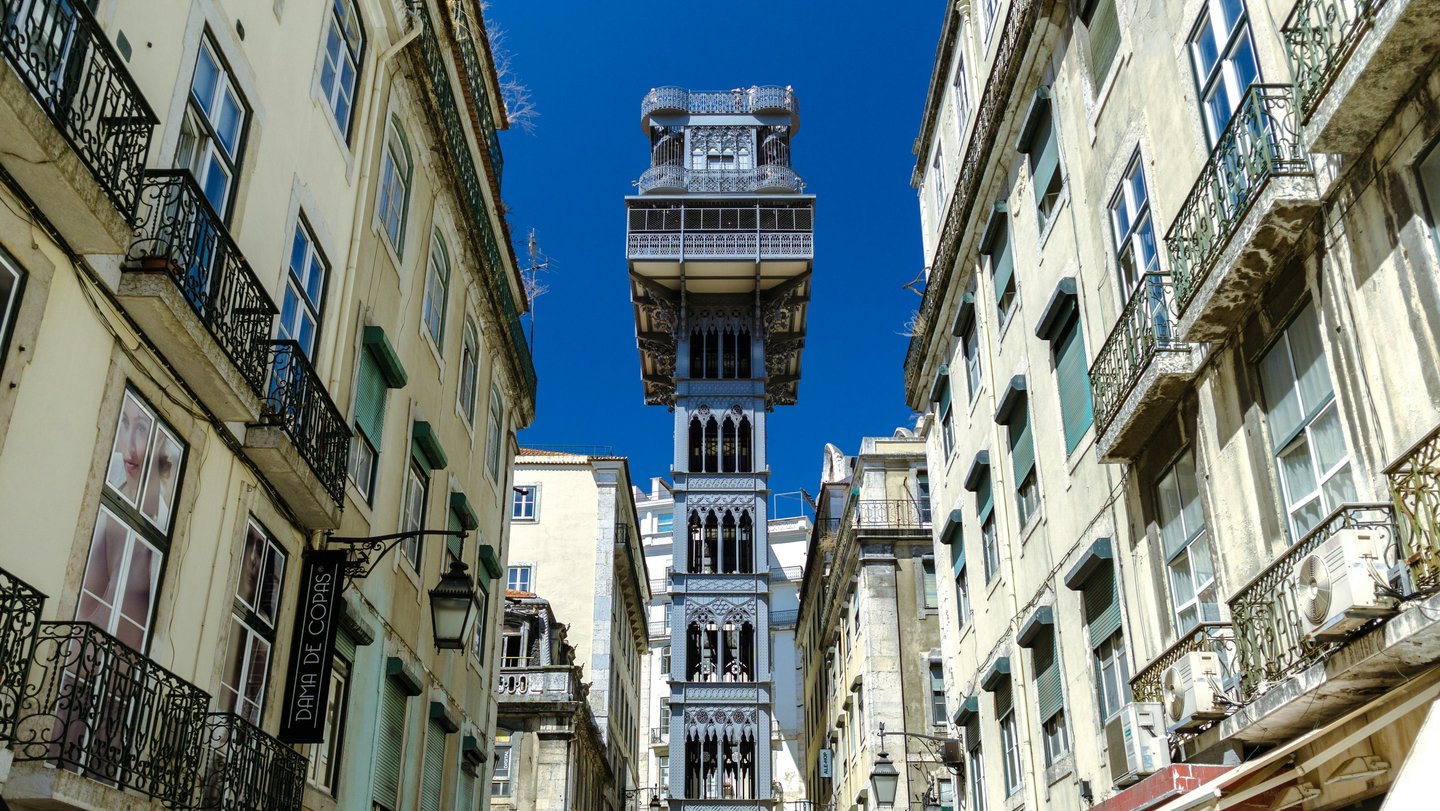
Historic elevators and funiculars help navigate Lisbon's seven hills
Hills, Cobblestones, and Footwear
Lisbon's topography creates beautiful viewpoints but challenges mobility. Steep cobblestone streets require appropriate footwear—comfortable walking shoes with good grip essential, high heels impractical. The calçada portuguesa (decorative stone pavement) becomes slippery when wet. Plan routes considering elevation changes and use elevators/funiculars to avoid exhausting climbs. The hills mean different neighborhoods sit at different levels creating terraced city where miradouros provide natural viewing platforms. Physical fitness helps but strategic use of transport, breaks at cafés, and realistic daily itineraries allow anyone to enjoy Lisbon. The reward for climbing pays off through spectacular views and reaching less-touristy elevated neighborhoods.
Money and Costs
Portugal uses the Euro with credit cards widely accepted though some traditional establishments prefer cash. ATMs abundant with reasonable fees. Tipping not mandatory but rounding up bills or leaving 5-10% appreciated for good service. Lisbon remains affordable compared to Western European peers—quality lunch menus €10-15, dinner mains €12-20, wine €3-6 per glass, coffee €0.70-1.50, pastries €1-2. Budget travelers manage €40-60 daily including accommodation, mid-range €80-120, with luxury accessible at all levels above. Museum/monument admission typically €5-12 with Lisboa Card offering unlimited public transport plus free/discounted entries. The affordability makes Lisbon accessible destination without sacrificing quality or experiences.
Language and Communication
Portuguese is the official language though English widely spoken in tourist areas, hotels, and restaurants. Learning basic Portuguese phrases (obrigado/obrigada, por favor, bom dia, boa tarde) earns smiles and appreciation. Portuguese from Portugal differs from Brazilian Portuguese in pronunciation and some vocabulary. Younger generations speak excellent English while older residents may have limited proficiency. Restaurant menus often include English translations. The Portuguese appreciate language attempts despite difficult pronunciation. Hand gestures and Google Translate overcome communication gaps. The challenge never prevents basic interaction or navigation.
Safety and Health
Lisbon ranks among Europe's safest capitals with low violent crime. Petty theft (pickpockets) occurs in tourist areas, crowded trams (especially 28), and metro—keep valuables secure and bags closed. Avoid empty streets late night and excessive alcohol consumption making you vulnerable. Tap water is safe to drink. Portugal's healthcare system provides quality care with EU citizens using European Health Insurance Card and others needing travel insurance. Pharmacies abundant and over-the-counter medications available. Emergency number 112. The main health concern is dehydration on hot summer days—carry water and seek shade during peak afternoon heat. Sunscreen essential year-round given Portugal's southern location and strong sun.
Cultural Sensitivity and Local Customs
Portuguese people maintain formal politeness—greet with bom dia/boa tarde/boa noite before requests. Respect local rhythms—shops close 1-3 PM for lunch, dinner starts 8-9 PM or later. Dress modestly when visiting churches. Allow locals to exit trams/metro before boarding. Don't speak loudly in restaurants or streets. Respect fado performances with silence during singing. The Portuguese appreciate effort to speak their language and cultural respect. Tipping waiters/taxi drivers appreciated but not mandatory. Sunday family lunches represent important tradition—restaurants get busy. The laid-back Mediterranean pace means things take time—embrace rather than fight it. Understanding saudade (Portuguese concept of melancholic longing) helps appreciate fado and Portuguese soul.
Best Times to Visit Specific Attractions
Visit São Jorge Castle early morning (9 AM) or late afternoon (5 PM+) avoiding midday crowds and heat. Ride Tram 28 before 9 AM or after 5 PM to avoid crushing tourist crowds—consider riding full route first then exploring neighborhoods. Visit Belém on weekday mornings to avoid weekend crowds at monastery and tower. Arrive at Pastéis de Belém when they open (8 AM) to avoid lines. Experience Alfama sunset from miradouros followed by fado dinner. Visit Sintra on weekdays arriving first train (around 9 AM) to beat crowds at palaces. Browse Time Out Market outside peak lunch/dinner (11 AM-1 PM, 7-9 PM) for easier seating. Strategic timing maximizes enjoyment while minimizing crowds and wait times.
Lisbon rewards every type of traveler—whether you seek historic neighborhoods and cultural depth, contemporary art and nightlife, coastal beauty and day trip diversity, or culinary exploration from pastry pilgrimages to wine discoveries. This remarkable city's combination of maritime heritage and modern energy, affordability and quality, Mediterranean warmth and Atlantic freshness creates a destination that exceeds expectations. From your first pastel de nata at Pastéis de Belém to your final fado performance in candlelit tasca, from sunrise at the Tagus River to sunset from hilltop miradouros, Lisbon delivers moments of beauty, flavor, and soulful connection that transform visitors into devotees of Portugal's enchanting capital.
Hotels • Apartments • Vacation Rentals • Travel
Compare hotels on Expedia | Find curated tours on GetYourGuide
“© 2025-2026. All rights reserved.
This blog may contain affiliate links, which means I might earn a small commission, at no extra cost to you, if you decide to make a booking through one of these links. I only recommend products and services I actually use or genuinely believe will bring value. For more information visit http://paidforadvertising.com. Thank you for your support!
Affiliate Disclosure


Important Links
Continents
Find Us Here
Follow Us
Welcome to The Gilded Globe, your premier guide to crafting journeys that are seamless as they are extraordinary. We believe that travel is not just about the destination, it's about the richness of the experience - from the first spark of inspiration to the memories you bring home.