
BALI: WHERE ANCIENT TEMPLES MEET TROPICAL PARADISE
Indonesia's Island of the Gods
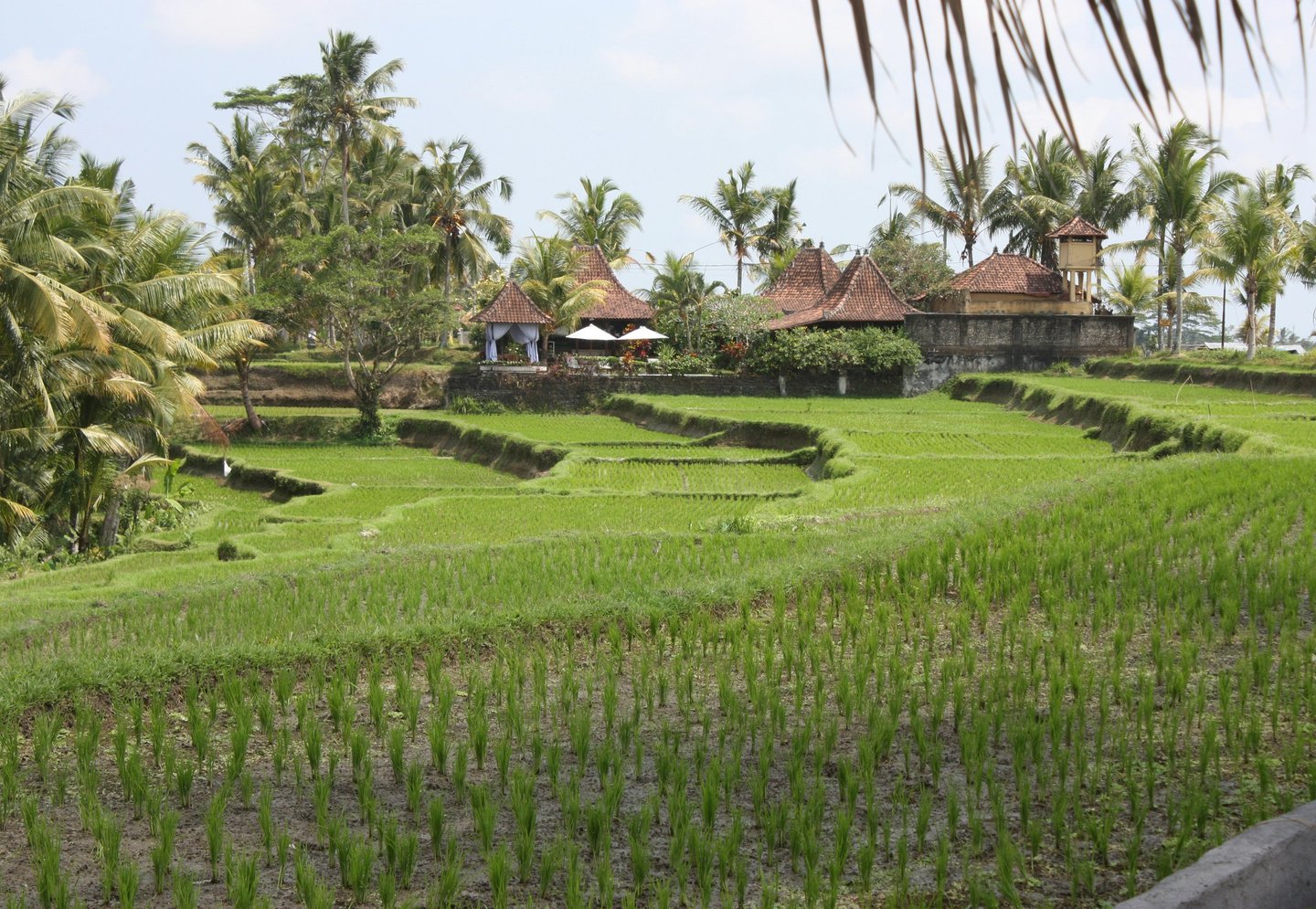
Bali mesmerizes as the world's most enchanting island destination, where emerald rice terraces cascade down volcanic slopes, ancient Hindu temples crown seaside cliffs, and turquoise waves break on pristine beaches. This extraordinary Indonesian island of 4 million people seamlessly blends spiritual devotion with natural beauty, creating experiences that rejuvenate both body and soul. Here, you can witness sunrise atop a sacred volcano, practice yoga overlooking jungle valleys by midday, explore centuries-old water temples in the afternoon, and watch traditional dance performances as sunset paints the sky in brilliant colors—all while immersed in the warmth of Balinese hospitality and culture.
Beyond its postcard-perfect landscapes, Bali captivates with profound spirituality, artistic traditions, and wellness culture that transforms ordinary vacations into transformative journeys. Daily offerings of flowers and incense grace doorways across the island, gamelan music drifts from village temples, and ceremonies celebrating life's passages occur constantly in this living, breathing Hindu culture. World-class surfing breaks attract wave riders, while inland Ubud offers artistic inspiration, healing traditions, and connection to Balinese heritage. From the beach clubs of Seminyak to the tranquil sanctuaries of the central highlands, from underwater coral gardens to mist-shrouded mountain lakes, Bali delivers natural splendor, cultural depth, and unforgettable moments that make it one of Earth's most beloved destinations.
Or compare on Booking.com
Why Visit Bali
Spectacular Natural Beauty and Diverse Landscapes
Bali's relatively small island (140 km × 80 km) encompasses extraordinary geographical diversity. The central highlands feature terraced rice paddies creating emerald staircases immortalized in countless photographs—particularly the UNESCO-listed Jatiluwih and Tegallalang terraces. Mount Batur and Mount Agung, active volcanoes, dominate the landscape offering sunrise treks rewarded with panoramic views above the clouds. Pristine beaches range from the white sands and clear waters of Nusa Dua to the dramatic black sand beaches of the north coast, while hidden waterfalls like Tegenungan and Sekumpul provide refreshing escapes into lush jungle. Coastal cliffs at Uluwatu drop dramatically into the Indian Ocean, creating one of the world's most spectacular sunset viewing locations.
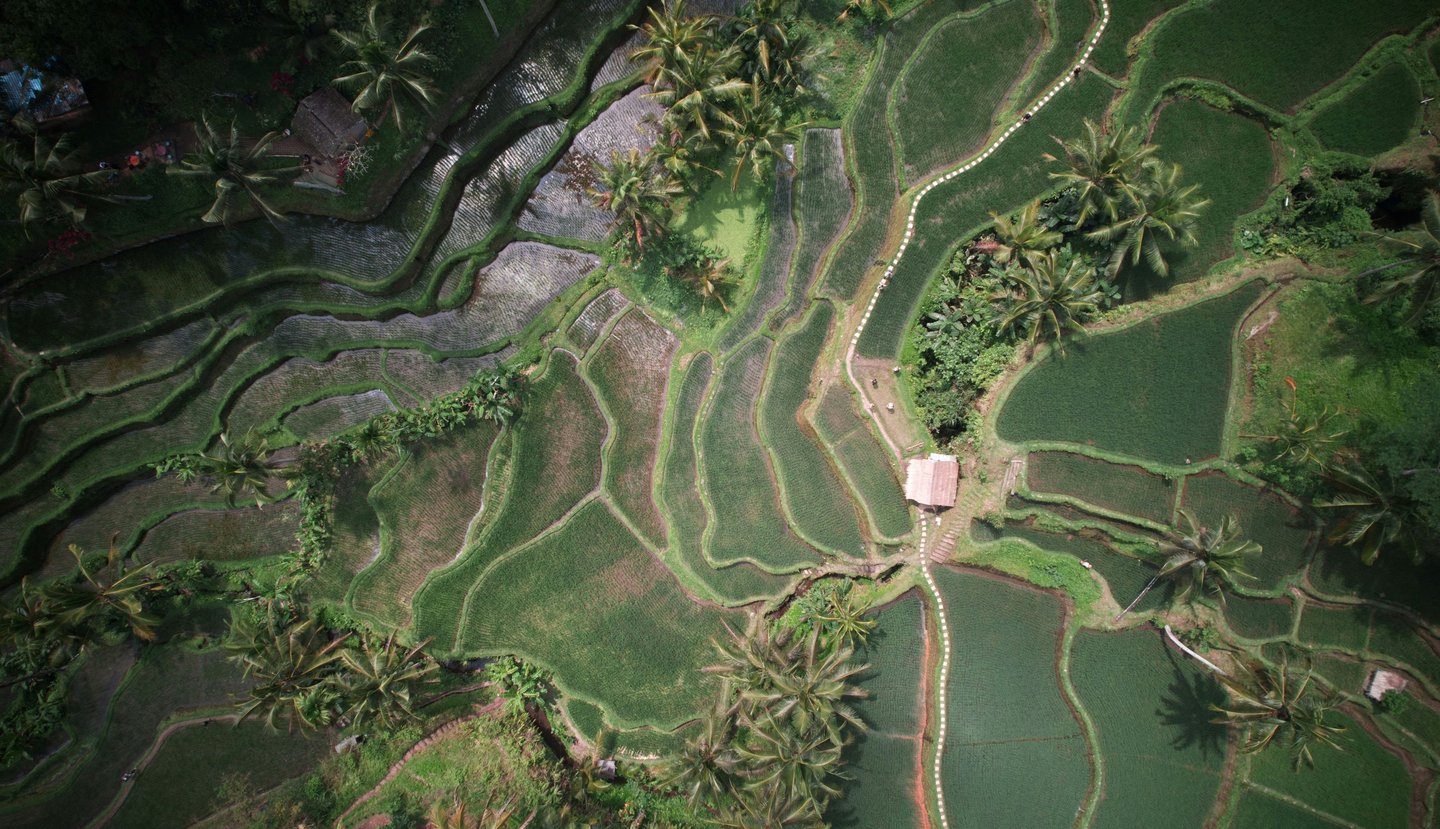
Bali's UNESCO-listed rice terraces showcase centuries-old agricultural traditions
Ancient Temples and Living Hindu Culture
Bali's unique Hindu culture—distinct from India's Hinduism—manifests through over 10,000 temples and daily spiritual practices visible throughout the island. Tanah Lot temple perches on a rock formation in the sea, accessible at low tide and magical at sunset. Uluwatu Temple crowns clifftops 70 meters above the ocean, where traditional Kecak fire dances unfold at dusk. The water temple complex at Tirta Empul offers sacred spring bathing rituals dating back over a thousand years. Besakih, the "Mother Temple," sprawls across Mount Agung's slopes as Bali's most important spiritual site. Daily offerings (canang sari) appear on doorsteps, sidewalks, and temples, while frequent ceremonies involving elaborate costumes, gamelan orchestras, and processions demonstrate living religious traditions that shape every aspect of Balinese life.
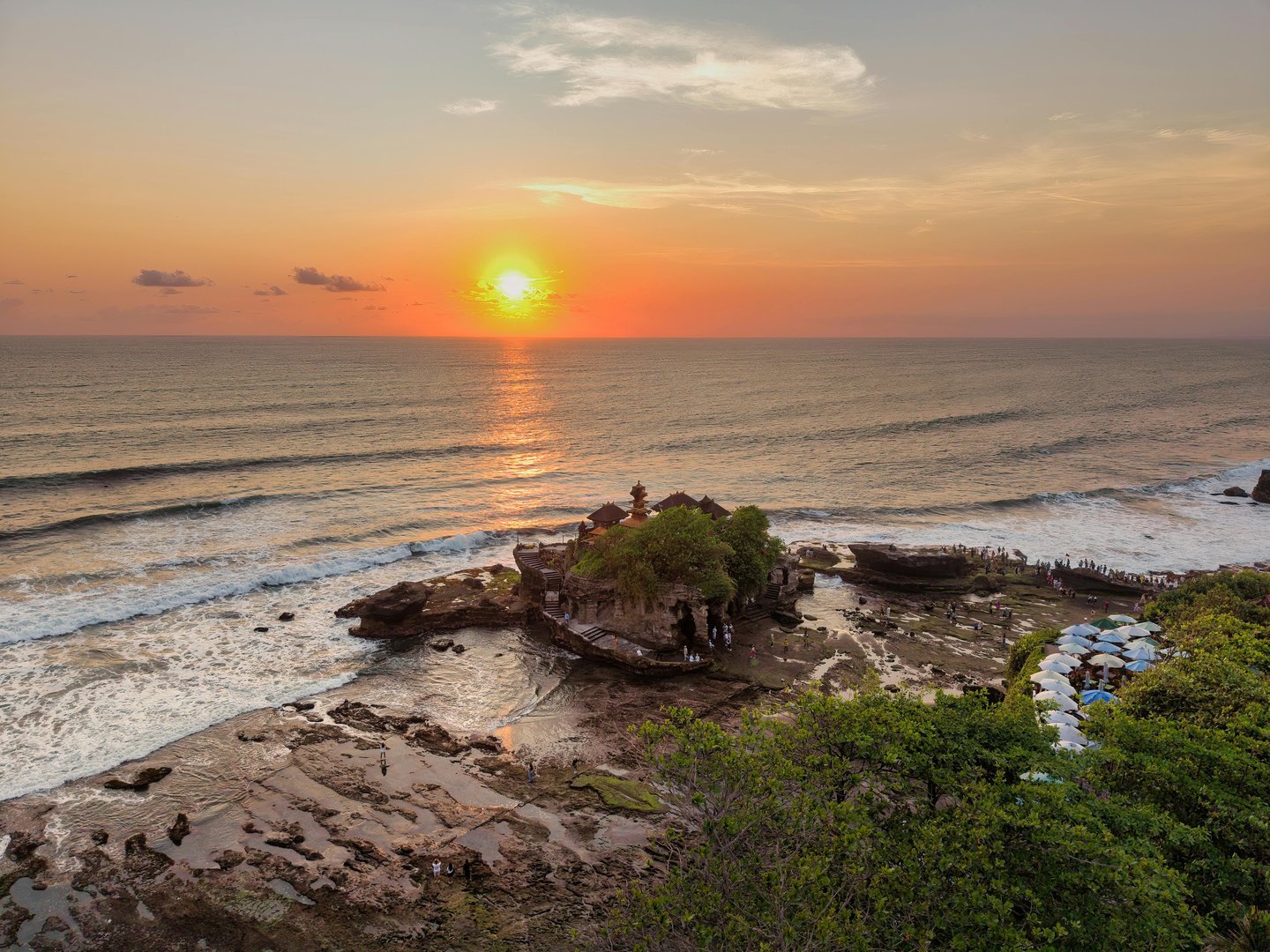
Tanah Lot Temple perches on a rock formation in the sea
World-Class Surfing and Water Sports
Bali earned legendary status among surfers for its consistent swells, warm water, and breaks suitable for all abilities. Uluwatu's reef breaks challenge experienced surfers with powerful barrels, while Canggu's beach breaks welcome beginners and intermediate riders. The Bukit Peninsula offers a dozen world-class spots within minutes of each other. Beyond surfing, the island provides exceptional diving and snorkeling—particularly around Nusa Penida, Amed, and Tulamben where the USAT Liberty shipwreck attracts diverse marine life. Stand-up paddleboarding, kitesurfing, white water rafting on the Ayung River, and freediving courses complement water-based adventures. Year-round warm water (26-28°C) and consistent swells make Bali a water sports paradise.
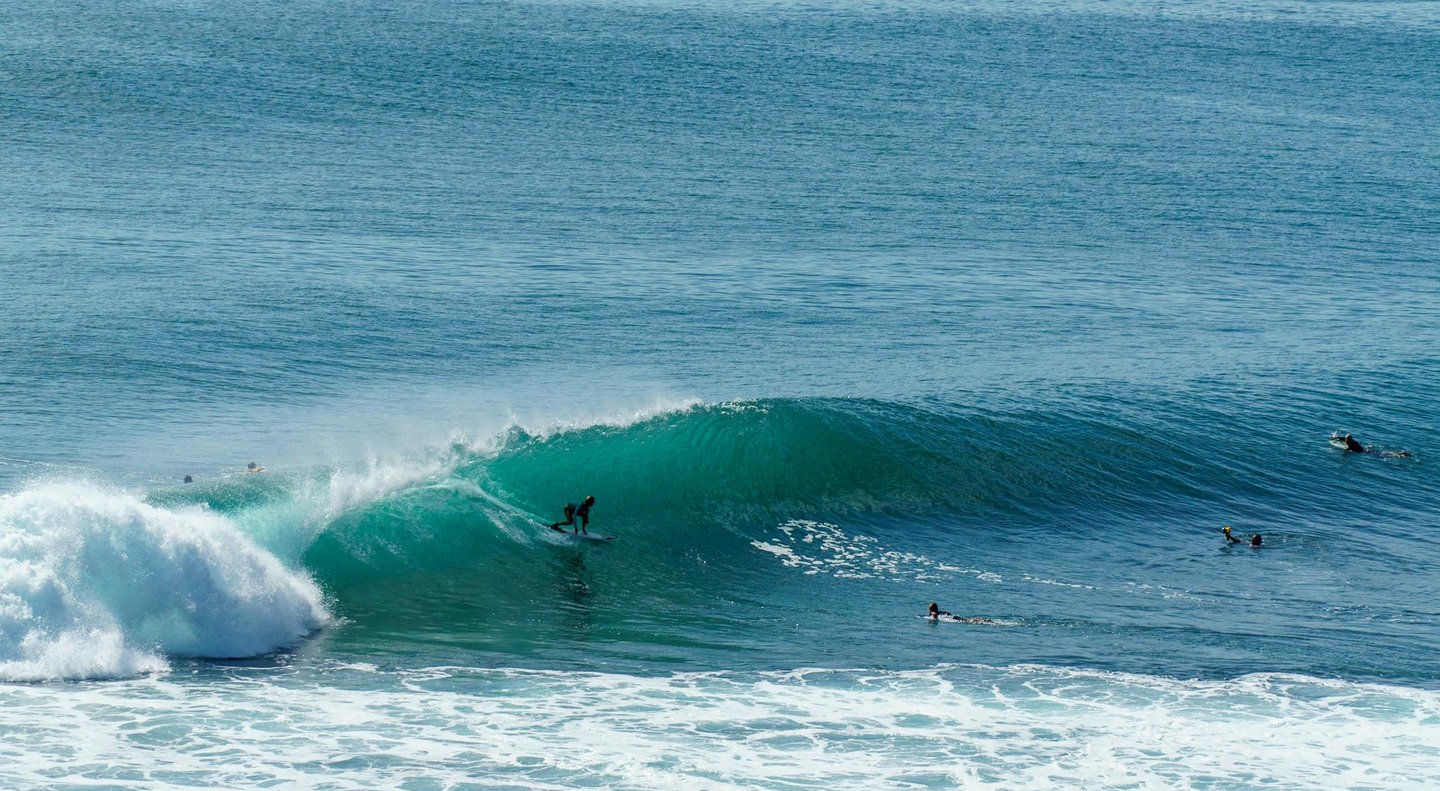
Bali's world-class surf breaks attract riders from around the globe
Wellness, Yoga, and Spiritual Healing
Bali has evolved into a global wellness destination where ancient healing traditions meet contemporary practices. Ubud functions as the spiritual heart, hosting countless yoga studios, meditation retreats, healing centers, and wellness resorts. Traditional Balinese massage, herbal treatments, and energy healing attract seekers alongside modern spa therapies in luxurious settings. Multi-day silent meditation retreats, yoga teacher training programs, sound healing sessions, and plant medicine ceremonies (legal and traditional in Bali) draw international participants. The island's natural beauty, spiritual atmosphere, and affordable wellness services create perfect conditions for transformation and renewal. Even casual visitors discover Bali's healing energy through affordable massages, yoga classes overlooking rice fields, and the general atmosphere of mindful living.
Exceptional Value and Diverse Accommodation
Bali offers remarkable value across all budget categories, from backpacker guesthouses to ultra-luxury resorts. Mid-range travelers enjoy private pool villas, daily housekeeping, and tropical gardens for $50-100 per night—prices unthinkable in most destinations. High-end resorts like Bulgari, Amandari, and Four Seasons deliver world-class luxury with dramatic settings, exceptional service, and comprehensive facilities at rates lower than comparable properties elsewhere. Budget travelers thrive on $20-30 daily including accommodation, meals, and activities. The variety ranges from surfer shacks steps from beach breaks to cliffside infinity pools, boutique heritage properties to contemporary design hotels, yoga retreat centers to family-friendly beach resorts.
Rich Artistic Traditions and Culinary Scene
Bali's artistic heritage manifests through wood carving, painting, silver work, batik textiles, and traditional dance forms preserved and practiced daily. Ubud's galleries showcase both traditional and contemporary Balinese art, while craft villages specialize in specific arts—Mas for wood carving, Celuk for silver, Batuan for painting. Traditional dance performances at temple ceremonies or tourist venues display the intricate hand movements and expressive storytelling of Legong, Barong, and Kecak dances. The culinary scene embraces everything from traditional warungs serving nasi goreng and babi guling (roast pork) for under $3 to high-end restaurants delivering innovative cuisine using local ingredients. Ubud's organic cafés, raw food restaurants, and healthy eateries cater to wellness-focused travelers, while beachfront Seminyak offers sophisticated international dining and craft cocktails.
Best Time to Visit Bali
Dry Season (April-September) - Peak Season
Bali's dry season offers the best weather with minimal rainfall, lower humidity, and consistent sunshine—ideal conditions for beach days, outdoor activities, and temple exploring. April-June represents the sweet spot before peak tourist crowds arrive, offering excellent weather with more moderate hotel rates and manageable visitor numbers at popular sites. July-August sees peak tourism with families traveling during school holidays, creating crowded beaches and attractions but also the most vibrant atmosphere with numerous festivals and events. September provides wonderful conditions as crowds diminish but weather remains excellent. Surfing is best during dry season with consistent swells, particularly May-September.
Wet Season (October-March) - Value and Green Landscapes
Bali's wet season brings afternoon thunderstorms and higher humidity but shouldn't be dismissed—many days feature morning sunshine with brief afternoon rain, and landscapes explode in vivid green as rice paddies flourish. December-January receives the heaviest rainfall but remains perfectly visitable with strategic planning (indoor activities during afternoon storms, beach mornings). This season offers exceptional value with hotel rates 30-50% lower than peak season, fewer tourists at major attractions, and lush, photogenic landscapes. Surfing conditions shift to the east coast (Sanur, Nusa Dua) while west coast spots face onshore winds. November and March represent shoulder months with less rain but still lower prices.
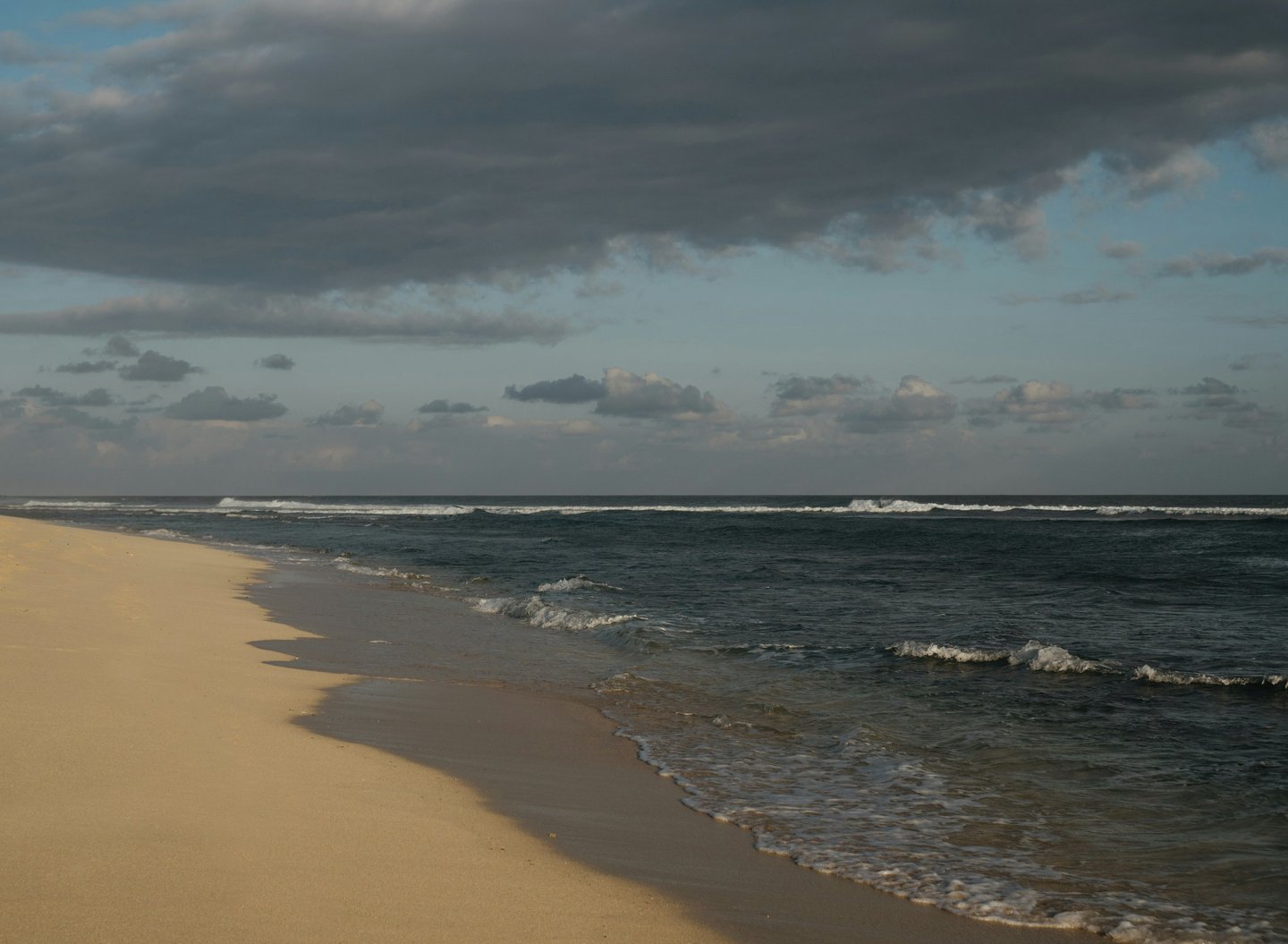
Bali's dry season (April-September) offers optimal weather for beach activities
Cultural Calendar Considerations
Bali's Hindu calendar creates constantly shifting festival dates celebrating full moons (Purnama), new moons, temple anniversaries, and major holidays. Nyepi (Balinese New Year, usually March) brings complete island shutdown for 24 hours—no lights, no noise, no travel, including closed airport—offering unique cultural experience but requiring planning around it. Galungan and Kuningan (every 210 days) feature elaborate decorations, ceremonies, and celebrations across the island, providing spectacular cultural immersion. Temple ceremonies occur almost daily somewhere on the island, offering authentic cultural experiences for respectful visitors.
Best Overall Time
April-June and September offer optimal balance of excellent weather, manageable crowds, reasonable prices, and green landscapes. However, Bali remains delightful year-round—wet season visitors discover authentic experiences and exceptional value, while peak season delivers guaranteed sunshine and maximum energy.
Iconic Bali Attractions
Tanah Lot Temple
This 16th-century Hindu temple perched on a rock formation in the sea creates one of Bali's most photographed scenes, particularly at sunset when silhouetted against colorful skies. Accessible during low tide via causeways from the mainland, the temple complex includes mainland shrines, souvenir markets, and viewpoints. While overtouristed, the dramatic setting justifies the crowds—visit late afternoon, explore the grounds, position yourself for sunset photography, and consider staying for evening illumination. The temple remains sacred and active, with ceremonies restricted to Hindu worshippers, though visitors can explore the grounds and receive blessings from priests. The surrounding cliff-top restaurants and cafés provide excellent vantage points with cold drinks as you watch the sun sink into the Indian Ocean.
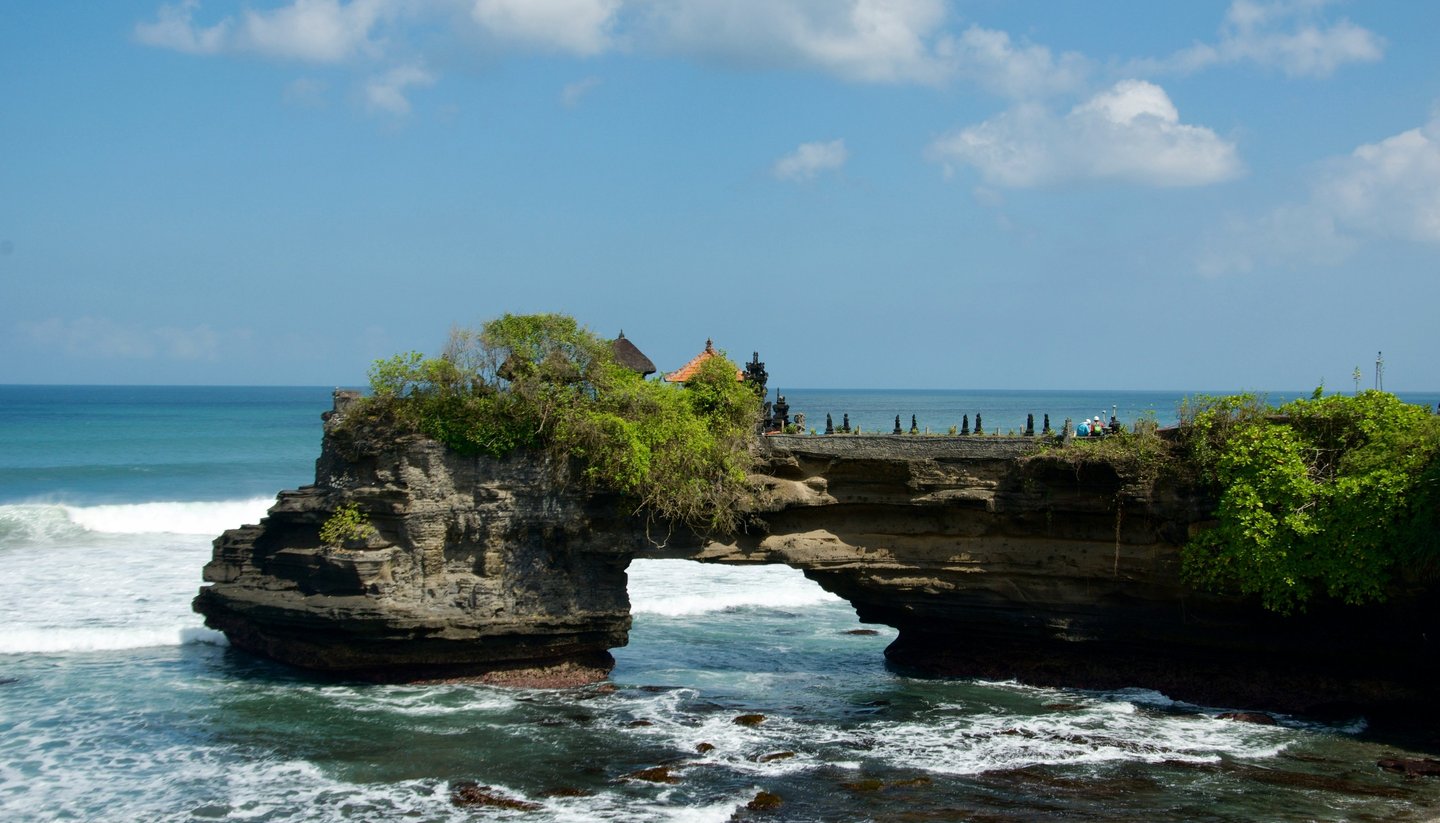
Tanah Lot creates Bali's most iconic temple silhouette
Uluwatu Temple and Kecak Dance
Perched 70 meters above the ocean on dramatic limestone cliffs, Uluwatu Temple combines stunning natural beauty with spiritual significance and cultural performances. The temple itself dates to the 11th century, dedicated to the spirits of the sea, with intricate carvings and dramatic positioning creating powerful atmosphere. Daily sunset Kecak fire dance performances feature 150+ bare-chested men chanting in synchronized rhythm while telling the Ramayana epic through dance and fire—mesmerizing cultural experience requiring advance booking during peak season. Monkeys inhabit the temple grounds (watch belongings and avoid eye contact), while clifftop pathways offer spectacular ocean views. Visit late afternoon to explore the temple, witness sunset, and attend the 6 PM Kecak performance.
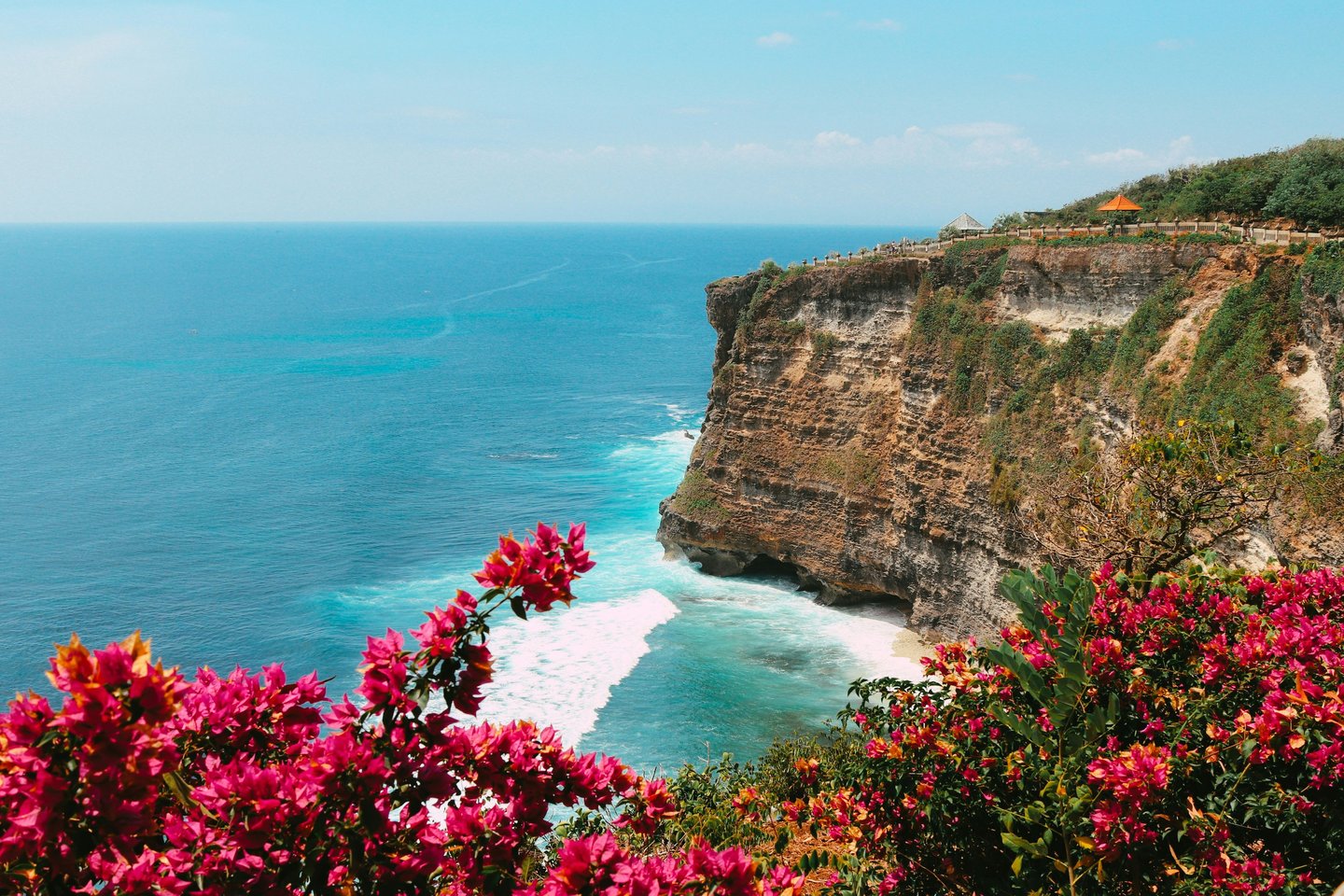
Uluwatu Temple crowns dramatic cliffs 70 metres above the ocean
Tegallalang Rice Terraces
These emerald-green stepped rice paddies cascading down hillsides north of Ubud epitomize Bali's iconic agricultural landscapes. The ancient subak irrigation system—a UNESCO World Heritage cooperative water management practice dating back 1,000 years—sustains these terraces through ingenious engineering and communal cooperation. Walk through the paddies on narrow paths between fields (small donation expected), photograph from viewpoints along the main road, or enjoy the scenery from cafés with terraced views. While touristy with numerous photo-op swings and "nests," the genuine beauty and traditional farming practices continue unaffected. Visit early morning (7-9 AM) for best light and fewer crowds. Nearby Jatiluwih offers more extensive, less developed terraces for those seeking quieter rice field experiences.
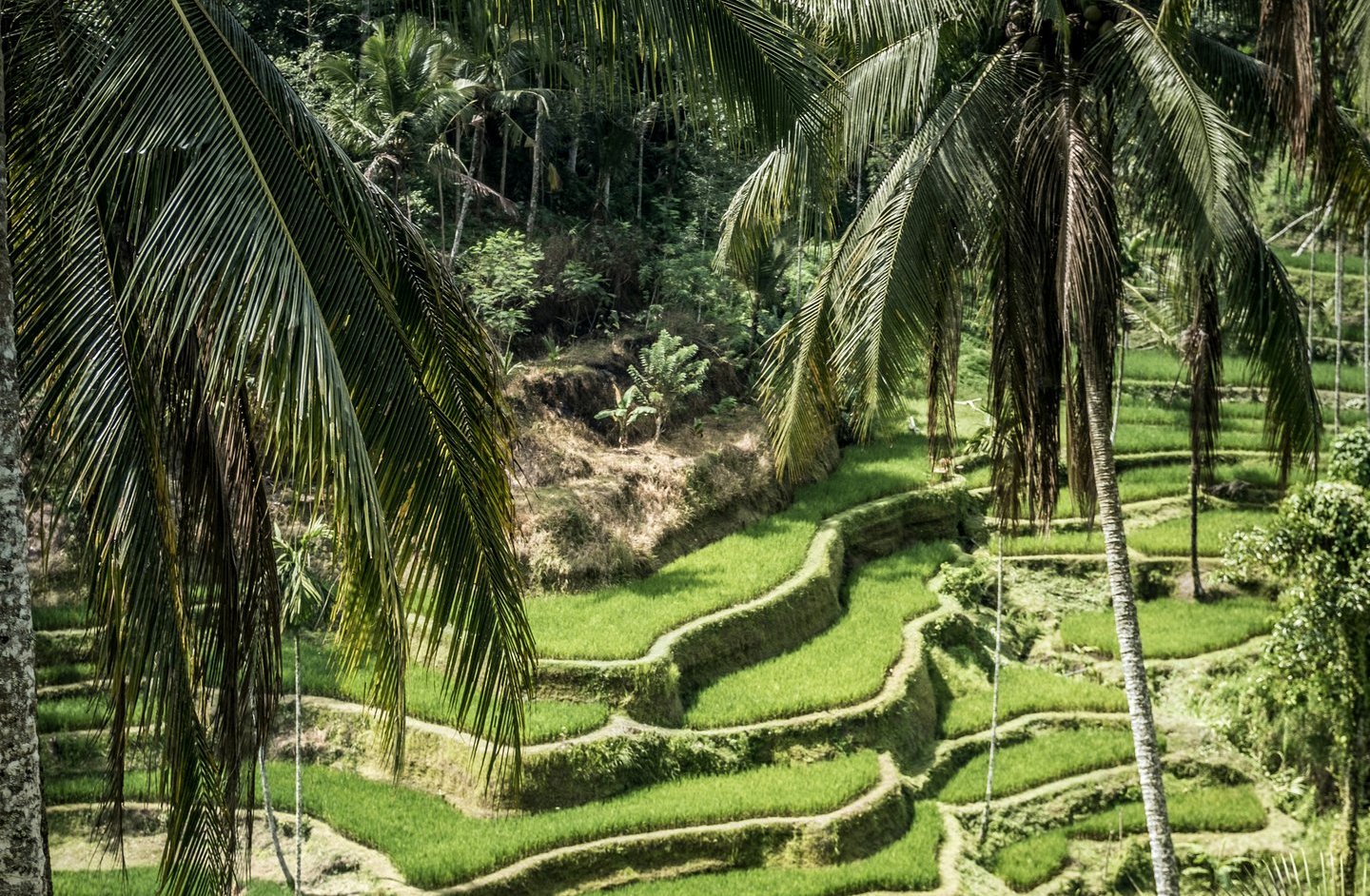
Tegallalang's emerald terraces cascade down hillsides near Ubud
Ubud Monkey Forest
This sacred sanctuary houses over 700 long-tailed macaques living within temple complex and lush forest in central Ubud. Three Hindu temples dating to the 14th century occupy the grounds, creating spiritual atmosphere amidst natural beauty. Well-maintained stone pathways wind through giant banyan trees and tropical forest, offering pleasant walks and countless monkey photo opportunities. The monkeys are wild but habituated to humans—follow rules strictly (no food visible, bags zipped, don't make eye contact or show teeth), and avoid approaching mothers with babies. Despite crowds, the forest provides genuine wildlife encounters and beautiful architecture. Visit early morning (8:30-9:30 AM) before tour groups arrive. The conservation program balances tourism with ecosystem protection and traditional Balinese spiritual beliefs.
Mount Batur Sunrise Trek
This active volcano offers one of Bali's most popular adventure experiences—a pre-dawn hike (2-2.5 hours) rewarded with spectacular sunrise views from the 1,717-meter summit overlooking Lake Batur and surrounding peaks. Tours depart hotels around 2-3 AM, arriving at the base by 4 AM to begin the hike with headlamps. The moderately challenging trail involves steep volcanic rock and ash, manageable for reasonably fit travelers. Summit breakfast features eggs cooked in volcanic steam vents as the sun illuminates the landscape in golden light, revealing Mount Agung, Mount Rinjani (Lombok), and the crater lake below. The experience combines natural beauty, achievement, and camaraderie with fellow hikers. Book with reputable operators as unlicensed guides persist despite regulations.
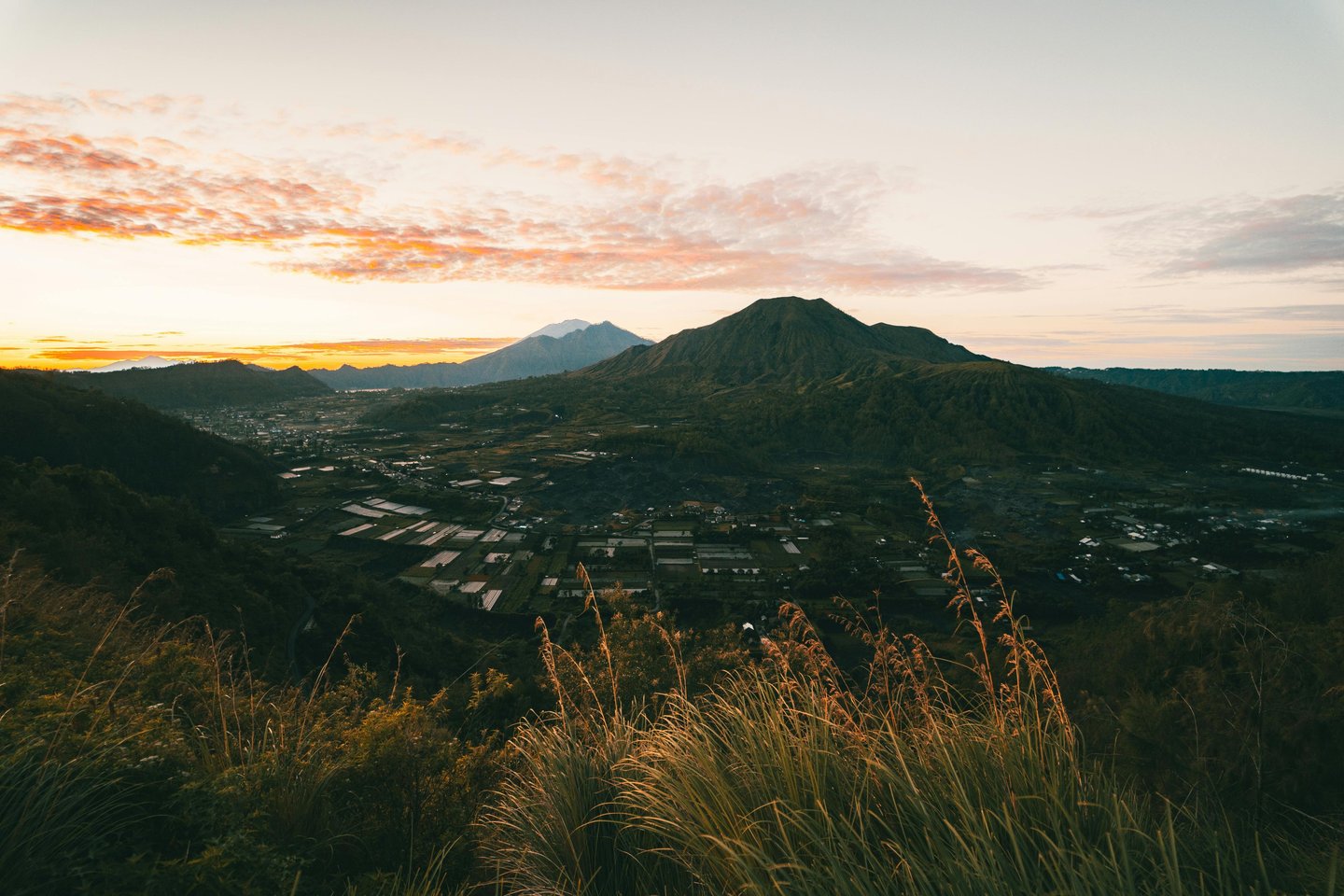
Mount Batur sunrise trek rewards hikers with spetacular volcanic views
Sekumpul Waterfall
Considered Bali's most spectacular waterfall, Sekumpul actually comprises seven waterfalls cascading through lush jungle in northern Bali. The hike involves steep paths, river crossings, and mud during wet season but rewards with pristine natural beauty and swimming beneath powerful cascades. The tallest fall drops approximately 80 meters, creating dramatic misty spray and rainbows in morning light. Unlike more accessible waterfalls near Ubud, Sekumpul requires significant effort (1-2 hour round-trip hike) but offers authentic jungle experience without crowds. Local guides (mandatory) lead visitors through villages, coffee plantations, and jungle to the falls. Bring water shoes, towel, change of clothes, and expect to get wet. The north Bali location allows combination with hot springs, temples, and coastal scenery.
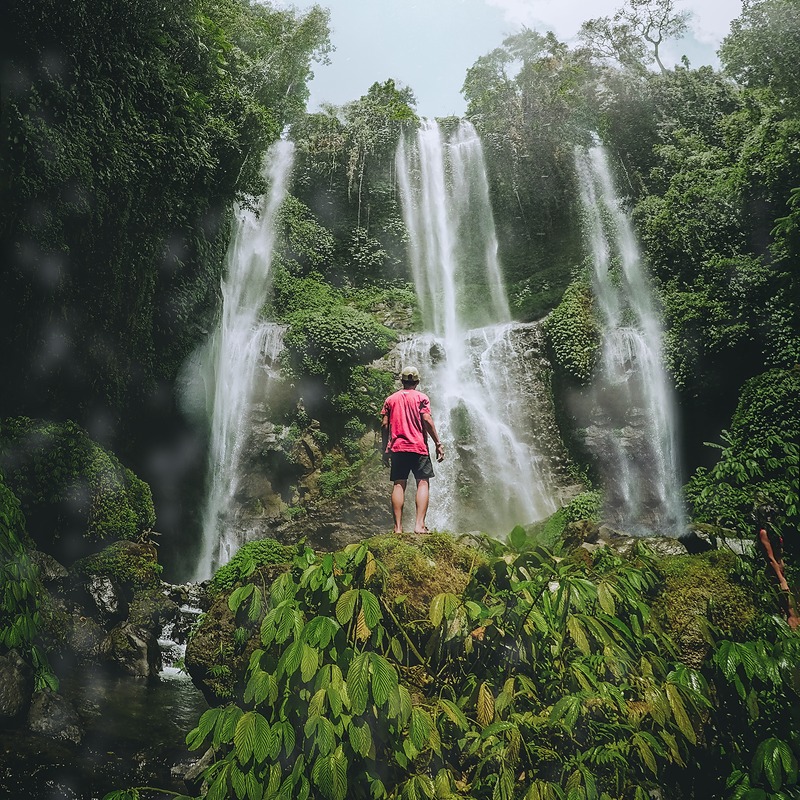
Sekumpul Waterfall is touted as the most beautiful waterfall in Bali.
Tirta Empul Water Temple
This Hindu temple complex built around sacred springs provides authentic spiritual experiences through purification rituals dating back over 1,000 years. Visitors (dressed in sarongs provided at entrance) can participate in the cleansing ceremony, moving through a series of fountains, each representing different prayers and intentions, while following local worshippers through the ritual. The elaborate Balinese architecture, koi-filled pools, and constant flow of devotees create powerful atmosphere of living tradition. Respectful participation offers profound cultural insight—consider hiring a guide to explain significance and proper etiquette. The spring produces crystal-clear water believed to have healing properties, drawing Balinese from across the island. Visit early morning (6-8 AM) to experience authentic atmosphere before tour buses arrive.
Nusa Penida Island
This rugged island southeast of Bali offers dramatic coastal scenery, pristine beaches, and excellent snorkeling/diving accessible via 30-40 minute fast boat from Sanur. Kelingking Beach features an iconic T-Rex-shaped cliff towering above white sand and turquoise water—Instagram's favorite Bali image though the beach requires treacherous descent. Angel's Billabong and Broken Beach showcase natural rock formations and emerald pools. Crystal Bay provides excellent snorkeling with possibility of manta ray sightings. The island remains relatively undeveloped with rough roads requiring scooters or hired drivers. Day trips from Bali work well, though overnight stays allow exploration of eastern coastal viewpoints and quieter beaches. Diving sites include manta ray cleaning stations (Manta Point) and the challenging drift diving at sites like Crystal Bay.
Where to Stay in Bali
Luxury: Bulgari Resort Bali (Uluwatu)
This clifftop sanctuary epitomizes ultra-luxury with Italian elegance meeting Balinese craftsmanship through villas featuring private pools, outdoor showers, and ocean views, plus cliff-edge infinity pool, private beach accessible via inclinator, Il Ristorante serving exceptional Italian cuisine, and impeccable service attending every detail. The contemporary architecture, extensive grounds, world-class spa, and attention to aesthetics create refined atmosphere attracting discerning travelers seeking exclusivity and sophistication. The dramatic clifftop setting overlooking the Indian Ocean, intimate size (59 villas), and Bulgari's luxury hotel expertise justify rates from $800-2,000+ per night. The property provides complete escape with facilities, dining, and activities making departure unnecessary.
Luxury: Amandari (Ubud)
Aman's flagship Bali property overlooks the Ayung River gorge with suites designed as traditional Balinese villages featuring private pools, outdoor living areas, rice field views, and refined simplicity characteristic of Aman properties worldwide. The infinity pool cascades toward the jungle, the restaurant delivers exceptional cuisine using organic ingredients, and the spa offers traditional Balinese healing alongside contemporary therapies. The central Ubud location provides easy access to cultural attractions, art galleries, and restaurants while maintaining serene sanctuary atmosphere. Staff anticipate needs seamlessly, excursions showcase authentic Balinese culture, and the property attracts sophisticated travelers seeking cultural immersion with uncompromising luxury. Rates from $700-1,500+ per night reflect Aman's positioning and exceptional setting.
Bali's luxury resorts offer stunning tropical views
Mid-Range: Bisma Eight (Ubud)
This contemporary design hotel combines Instagram-worthy aesthetics with excellent value through sleek rooms featuring concrete, wood, and glass architecture, rooftop infinity pool overlooking rice fields and jungle, excellent restaurant serving innovative cuisine, and central Ubud location within walking distance of galleries, cafés, and cultural sites. The modern design attracts younger, design-conscious travelers seeking style without ultra-luxury prices. Rooms feature rainfall showers, quality linens, and smart TVs, while common areas provide social atmosphere and stunning views. The property demonstrates that mid-range doesn't mean compromising aesthetics or location. Rates from $80-150 per night deliver exceptional value, particularly during shoulder season.
Mid-Range: Potato Head Suites & Studios (Seminyak)
This beachfront property brings creative energy to Seminyak through colorful retro-designed suites with private balconies, beach club with multiple pools and bars, excellent restaurants including Indonesian and plant-based options, and social atmosphere attracting international creatives and travelers. The beach club ranks among Bali's best, the Sunday roast draws expats and visitors, and the commitment to sustainability (ocean plastics awareness, reduced single-use plastics) appeals to conscious travelers. The location on Seminyak Beach provides sunset views, surfing, and beach walks, while the neighborhood offers shopping, dining, and nightlife. Rates from $120-250 per night include beach club access and vibrant social scene.
Budget-Friendly: Puri Garden Hotel & Hostel (Ubud)
This clean, well-managed budget property offers private rooms with air conditioning and ensuite bathrooms alongside dorms, swimming pool, restaurant serving affordable Indonesian and Western food, helpful staff, and excellent Ubud location near Monkey Forest and central restaurants. The property demonstrates budget doesn't mean sacrificing cleanliness, comfort, or friendly service. Gardens provide peaceful atmosphere despite central location, and the mix of private rooms and dorms accommodates different budgets. Social common areas facilitate meeting other travelers, while quiet nights ensure rest. Private rooms from $25-40 per night, dorms from $10-15 per bed offer exceptional Ubud value.
Budget-Friendly: The Chillhouse Surf (Canggu)
This surfer-focused hostel delivers Canggu's beach town vibe through dorms and private rooms, rooftop bar and hangout space, surf lessons and board rentals, organized activities from beach volleyball to movie nights, and social atmosphere attracting young international travelers. The location minutes from Echo Beach provides easy surf access while maintaining affordable rates. The hostel exemplifies Canggu's transformation from rice fields to surf town, with communal dinners, skill shares, and genuine community feel. Clean facilities, friendly staff, and party-when-you-want, chill-when-you-need atmosphere create ideal budget beach base. Dorms from $12-18 per bed, private rooms from $35-50 per night.
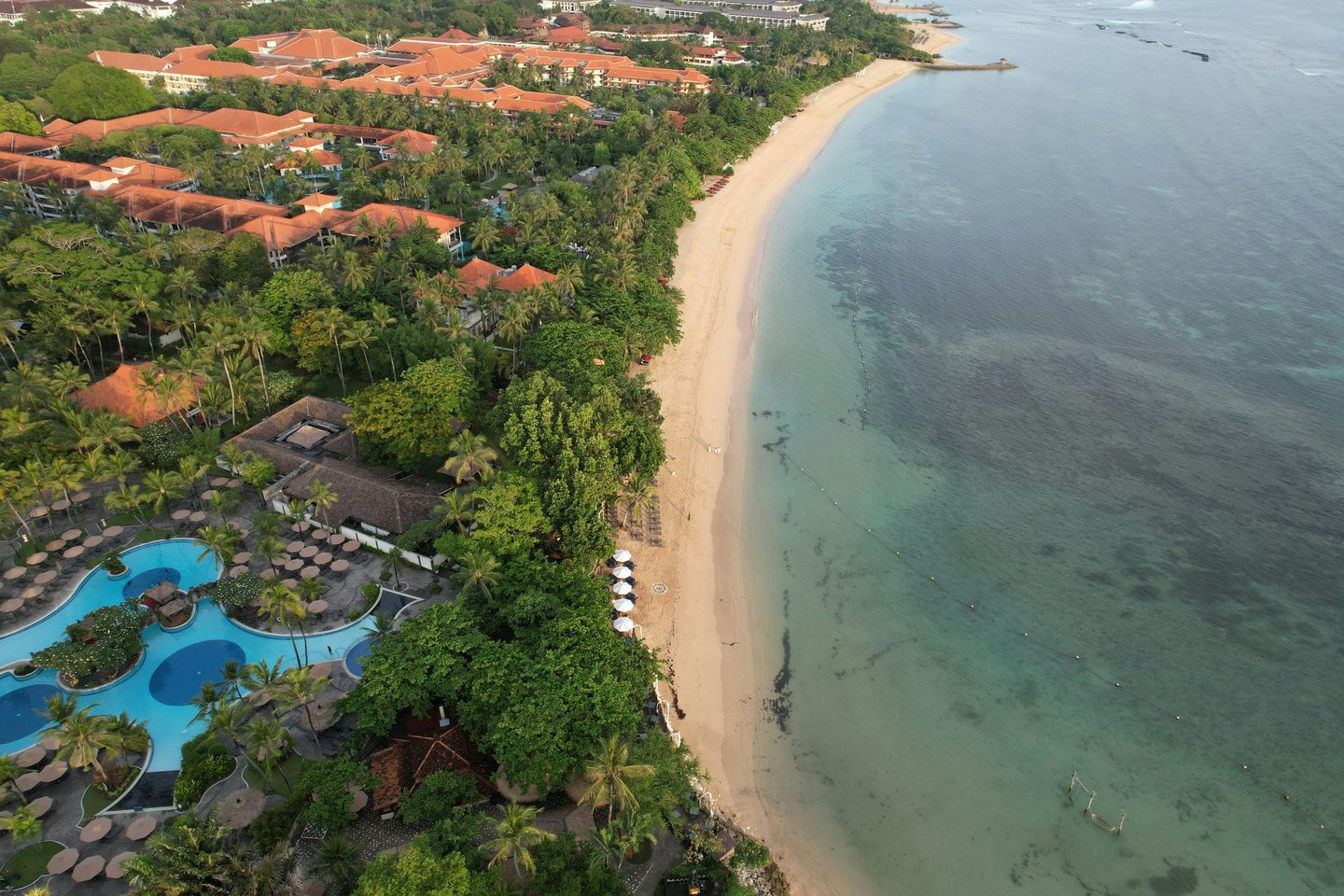
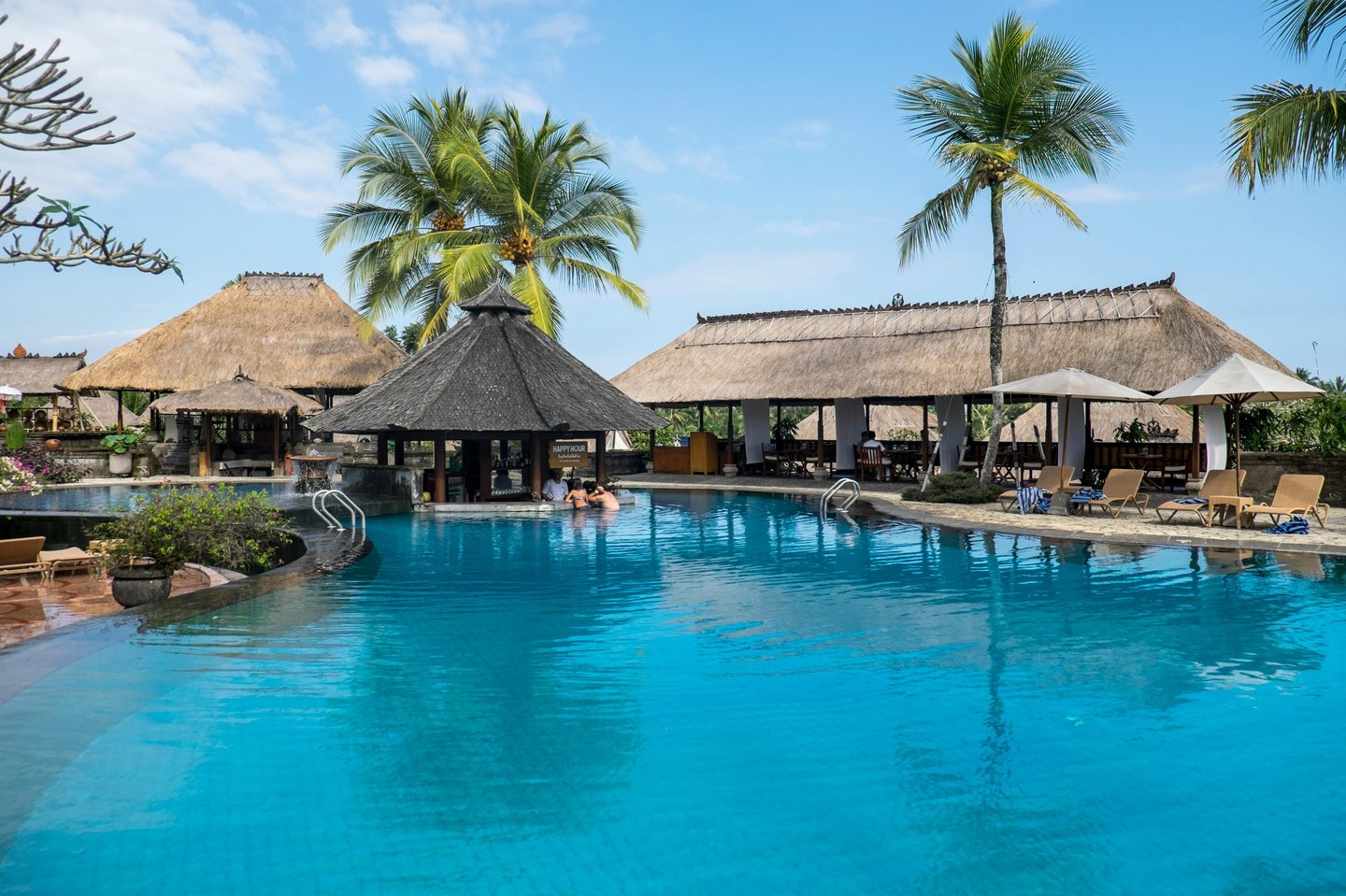
Bali's resorts have beautiful swimming pools connected to nature
Book on Trip.com | Booking.com | Hotels.com | GetYourGuide
Bali Culinary Highlights
Bali's food scene ranges from traditional warungs serving authentic Balinese dishes for under $3 to innovative restaurants pushing culinary boundaries, with growing emphasis on organic, plant-based, and health-conscious cuisine reflecting the island's wellness culture.
Traditional Balinese Cuisine
Experience authentic flavors through dishes like babi guling (spit-roasted suckling pig with spices, crispy skin, and rice), nasi campur (mixed rice with small portions of multiple dishes), lawar (minced meat with vegetables, coconut, and spices), sate lilit (minced fish satay wrapped around lemongrass), and bebek betutu (slow-cooked duck with spices). Ibu Oka in Ubud serves legendary babi guling, while local warungs throughout the island offer authentic cooking at incredibly low prices. Sambal (chili paste), arak (rice liquor), and tuak (palm wine) complement meals. Balinese food tends toward rich, complex spicing rather than fiery heat, with galangal, turmeric, lemongrass, and kaffir lime providing distinctive flavors.
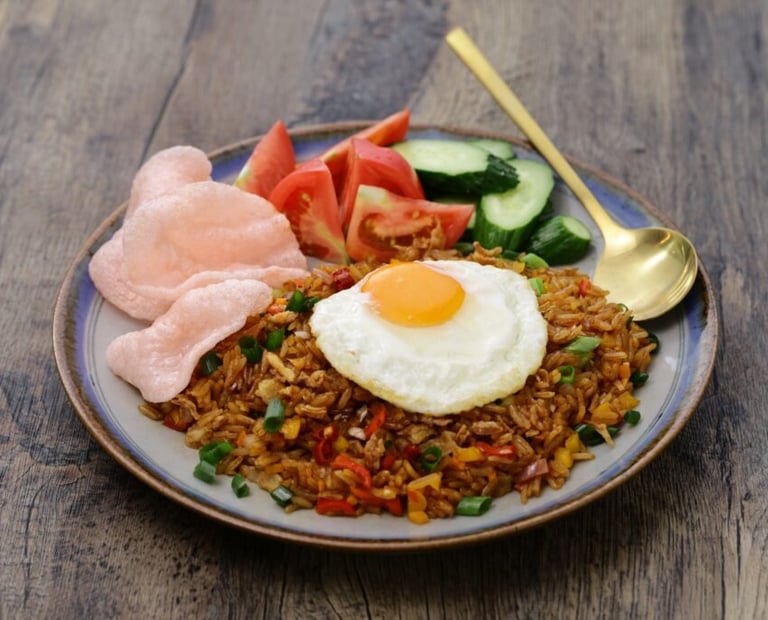
Traditional Balinese nasi-goreng
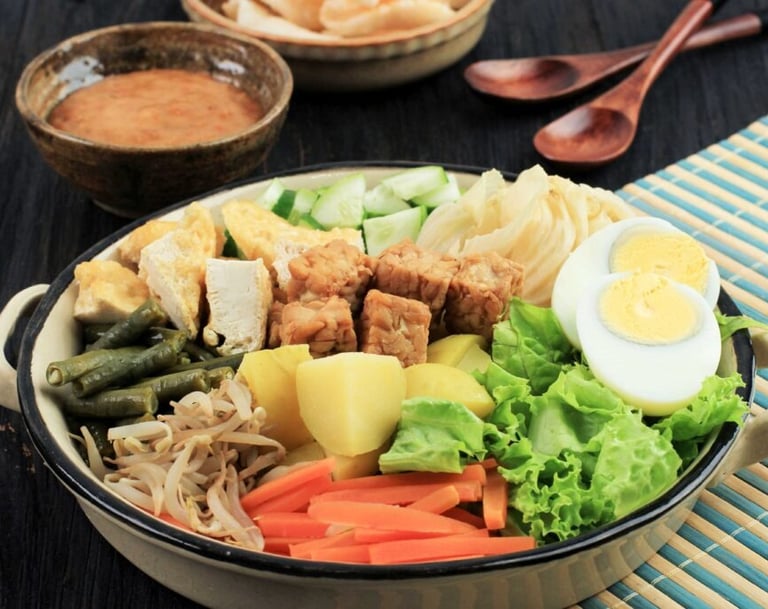
Traditional Balinese gado-gado
Organic Cafés and Health Food
Ubud leads Bali's healthy eating movement with countless cafés serving organic smoothie bowls, cold-pressed juices, raw food, vegan cuisine, and superfoods presented beautifully. Alchemy, Clear Café, and Sayuri provide Instagram-worthy presentations alongside genuine nutritional value. These spots attract digital nomads, wellness seekers, and health-conscious travelers willing to pay Western prices ($8-15 per dish) for quality ingredients and creative preparations. The trend has spread to Canggu and Seminyak, where beach cafés blend healthy eating with surfing lifestyles. While sometimes dismissed as overpriced trend food, the quality, creativity, and use of organic local produce often justify prices.
Seafood and Beachfront Dining
Jimbaran Bay's beachfront seafood cafés offer romantic sunset dinners with tables in the sand, grilled fresh fish, prawns, calamari, and lobster sold by weight, and traditional Indonesian accompaniments. While touristy and slightly overpriced, the atmosphere—waves lapping nearby, sunset painting the sky, smoke from grilling seafood—creates memorable experiences. Negotiate prices before ordering and clarify whether prices are per kilogram or per portion. Amed and northern coastal areas offer similar experiences with fewer crowds and lower prices. Beachfront warungs in Sanur provide casual seafood lunches with local atmosphere.
International Fine Dining
Seminyak and Ubud host sophisticated restaurants delivering international cuisine with Indonesian influences at quality rivaling global food capitals. Locavore in Ubud earned recognition as Asia's best restaurant (2020) through innovative tasting menus using indigenous ingredients and modern techniques, while restaurants like Merah Putih, Sardine, and Mozaic deliver exceptional dining experiences. These establishments justify $50-100+ per person through ingredient quality, culinary creativity, and refined service in beautiful settings. Reservations essential during peak season. The scene demonstrates Bali's evolution beyond beach destination into culinary destination.
Warungs and Street Food
These small, family-run eateries serve authentic Indonesian food at local prices—$1.50-3 per meal including rice, vegetables, protein, and sambal. Nasi goreng (fried rice), mie goreng (fried noodles), gado-gado (vegetables with peanut sauce), and bakso (meatball soup) appear on virtually every warung menu. Look for busy spots where locals eat, point to dishes if language barriers exist, and enjoy authentic flavors without pretense. Night markets (pasar malam) offer additional street food opportunities with satay, grilled corn, fried snacks, and sweets. Warung food provides budget travelers with sustainable eating while offering all travelers authentic culinary experiences.
Practical Bali Tips
Visa and Entry Requirements
Most nationalities receive visa-free entry for 30 days (not extendable) or can purchase visa-on-arrival ($35 USD for 30 days, extendable once for additional 30 days) at Ngurah Rai International Airport. Ensure passport validity of at least 6 months beyond arrival and have proof of onward travel. Extensions require visiting immigration offices (agents can facilitate for fee). Overstaying results in daily fines and potential deportation. Visa regulations change occasionally—verify current requirements before booking.
Transportation and Scooters
Renting scooters ($5-7 daily) provides maximum flexibility but requires international driving permit (IDP), helmet use, and defensive driving skills as Bali traffic can be chaotic. Police checkpoints target tourists without proper licenses—carry IDP, passport, and rental documents always. Taxis using meters (Blue Bird, Grab app) offer safe alternative, though prices increase during peak hours and traffic. Private drivers cost $40-60 for full day and provide air-conditioned comfort, local knowledge, and flexibility. Traffic in southern Bali (Seminyak, Canggu, Sanur) can be intense, particularly late afternoons. Northern and eastern Bali remain relatively quiet.
Money and Costs
Indonesian Rupiah (IDR) is the currency, with exchange rates around 15,000 IDR to $1 USD (rates fluctuate). ATMs widely available dispense maximum 3,000,000 IDR per transaction (check your bank's international withdrawal limits). Exchange rates at money changers often beat ATMs but verify rates, count money carefully, and avoid scams. Many businesses accept USD but give poor exchange rates. Credit cards work at hotels, high-end restaurants, and larger businesses, but most local establishments and markets operate cash-only. Bali remains affordable—budget travelers manage on $25-40 daily, mid-range $60-100 daily, with luxury available at all price points above.
Dress Code and Temple Etiquette
Entering temples requires sarongs and sashes (provided at major temples for small donation or available to purchase). Shoulders should be covered; shorts acceptable if sarong worn. Remove shoes before entering temple buildings. Don't position yourself higher than priests or ceremonies. Photography acceptable unless signs prohibit, but be respectful during prayers. Women menstruating shouldn't enter temples according to Balinese tradition. Modest dress appreciated generally—revealing beachwear appropriate at beaches but not in towns or temples. The Balinese are forgiving of cultural mistakes but appreciate efforts to dress and behave respectfully.
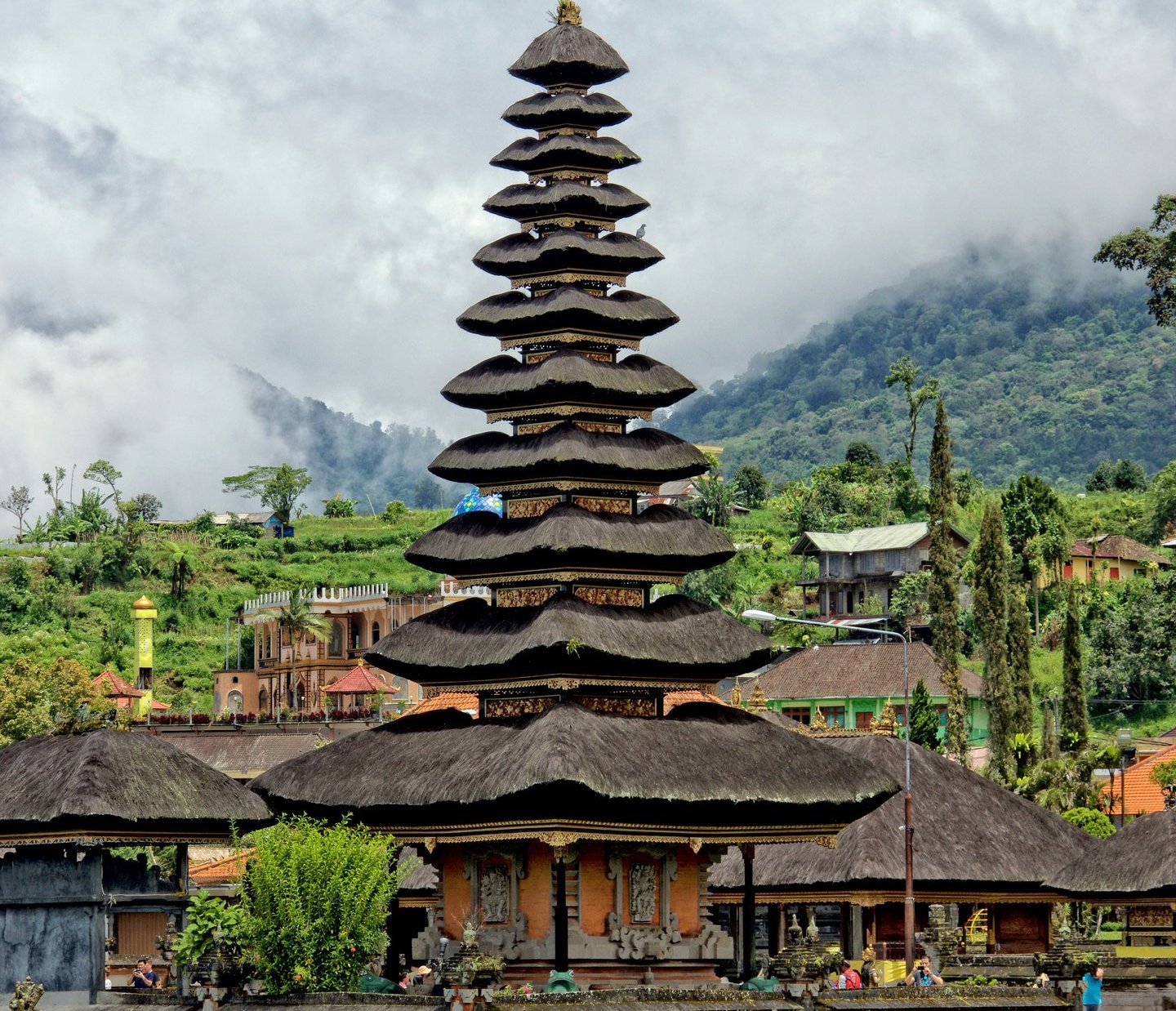
Temple ceremonies are part of Bali's living Hindu culture
Health and Safety
Tap water unsafe to drink—use bottled or filtered water exclusively, including for brushing teeth. "Bali belly" (traveler's diarrhea) affects many visitors—avoid ice in questionable establishments, eat freshly cooked food, peel fruits yourself. Dengue fever and occasionally malaria occur—use insect repellent, particularly dawn and dusk. Sun protection essential—tropical sun burns quickly. Travel insurance should cover scooter accidents if riding. Most health concerns are minor, and pharmacies (apotek) stock familiar medications. Serious medical issues require evacuation to Singapore or Australia—comprehensive insurance essential.
Respecting Local Culture
Bali's Hindu culture deserves respect from visitors. Don't point feet at people or religious objects. Use right hand for eating and giving/receiving items (left hand considered unclean). Avoid touching people's heads. Public displays of affection should be minimal. Dress modestly when away from beaches. Learn basic Indonesian phrases (terima kasih for "thank you," permisi for "excuse me"). Understand that ceremonies take precedence—streets may close, temples become inaccessible during important rituals. The Balinese are remarkably tolerant and welcoming but appreciate respectful behavior and genuine interest in their culture.
Bargaining and Tipping
Bargaining expected at markets and with unofficial transport, typically aiming for 30-50% of initial asking price. Be friendly and good-humored—it's expected interaction, not confrontation. Tipping not traditionally Indonesian but appreciated in tourist areas—10% at restaurants if service charge not included, small amounts for guides and drivers, round up taxi fares. Spa treatments don't include tips—5-10% appreciated for good service. The Balinese don't expect tips but are grateful for generosity—give what feels appropriate for service received.
Environmental Consciousness
Bali struggles with plastic pollution and waste management. Bring reusable water bottle and refill at accommodation or use refill stations (nominal fee). Refuse plastic bags and straws. Participate in beach cleanups if opportunity arises. Support businesses with environmental initiatives. Don't touch or stand on coral while snorkeling/diving. The island's natural beauty requires protection—every visitor's conscious choices contribute to solutions or problems.
Bali rewards every type of traveler—whether you seek spiritual awakening, adventure challenges, beach relaxation, cultural immersion, or wellness transformation. The island's combination of natural beauty and living Hindu culture, affordable luxury and authentic tradition, dramatic landscapes and warm hospitality creates a destination that consistently exceeds expectations and touches souls. From your first glimpse of rice terraces cascading into jungle valleys to your final sunset at clifftop temples, from morning yoga overlooking volcanic peaks to evening ceremonies in village squares, Bali delivers moments of beauty, meaning, and connection that transform travelers and create lifelong devotion to this remarkable Island of the Gods.
Compare hotels on Booking.com | Browse curated tours on GetYourGuide
Hotels • Flights • Tours • Activities
“© 2025-2026. All rights reserved.
This blog may contain affiliate links, which means I might earn a small commission, at no extra cost to you, if you decide to make a booking through one of these links. I only recommend products and services I actually use or genuinely believe will bring value. For more information visit http://paidforadvertising.com. Thank you for your support!
Affiliate Disclosure


Important Links
Continents
Find Us Here
Follow Us
Welcome to The Gilded Globe, your premier guide to crafting journeys that are seamless as they are extraordinary. We believe that travel is not just about the destination, it's about the richness of the experience - from the first spark of inspiration to the memories you bring home.