
BANGKOK: WHERE ANCIENT TEMPLES MEET URBAN ENERGY
Thailand's Vibrant Capital of Contrasts
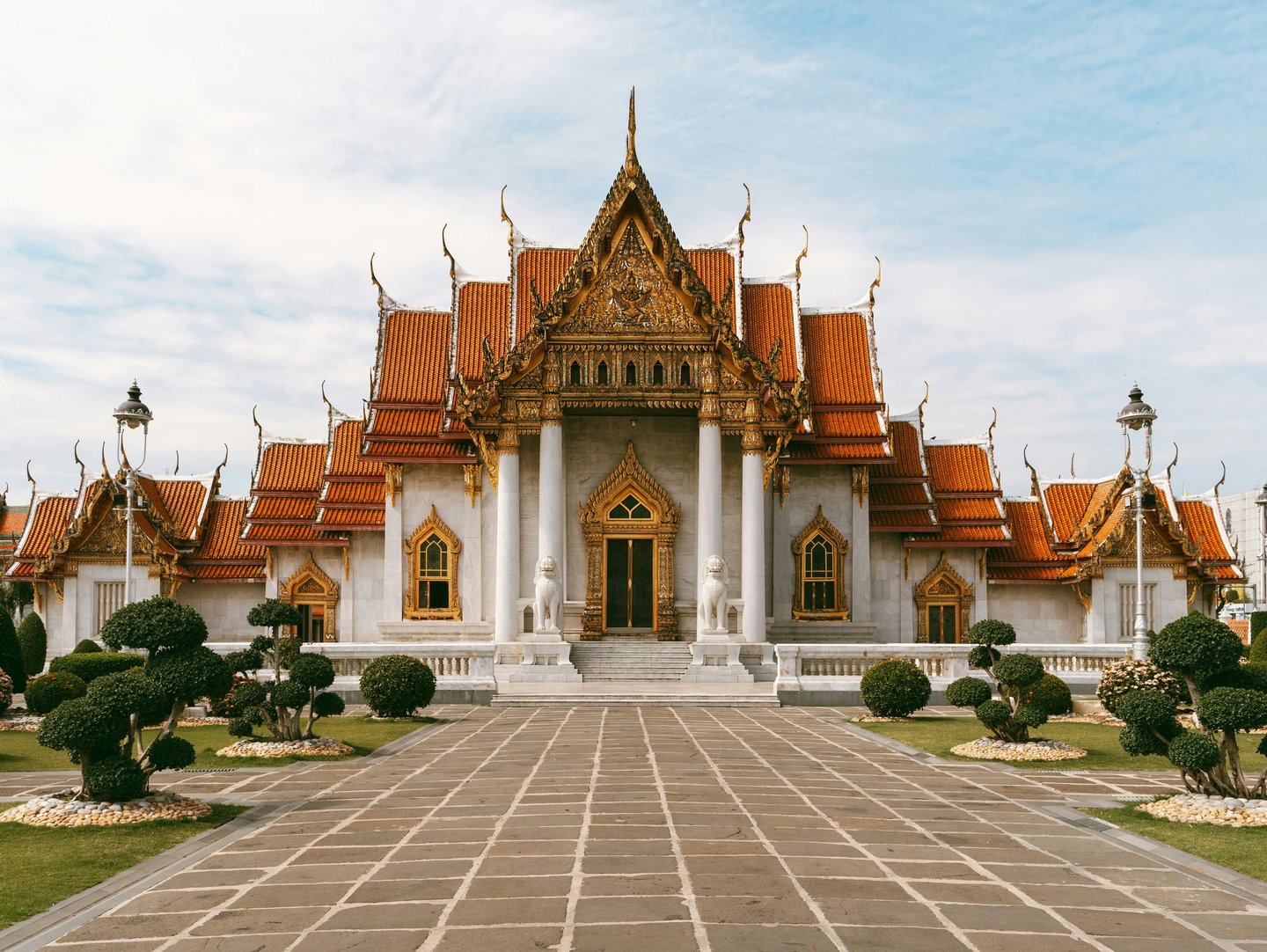
Bangkok mesmerizes as Southeast Asia's most dynamic metropolis, where golden temple spires pierce tropical skies, street food vendors serve world-class cuisine for dollars, and ancient traditions coexist with ultramodern luxury. This extraordinary city of 11 million people seamlessly blends sacred Buddhist temples with neon-lit nightlife districts, floating markets with mega shopping malls, and serene river life with frenetic street energy. Here, you can witness monks collecting alms at sunrise, explore the Grand Palace's glittering magnificence by midday, cruise along the Chao Phraya River past traditional wooden houses at sunset, and experience rooftop bars overlooking the illuminated cityscape at night—all while savoring Thai hospitality and cuisine that consistently ranks among the world's finest.
Beyond its famous temples and street food, Bangkok captivates with neighborhood diversity, shopping that ranges from night markets to luxury malls, and quality of life improvements transforming this once-chaotic city into increasingly livable metropolis. The BTS Skytrain and MRT subway make navigation efficient, while the Chao Phraya River and canals (klongs) provide romantic alternative transport. From the backpacker haven of Khao San Road to the luxury hotels along the river, from traditional massage shops to world-class spas, from street-side pad thai stalls to Michelin-starred restaurants, Bangkok delivers experiences spanning all budgets and interests while maintaining the genuine warmth and sanuk (fun-loving spirit) that defines Thai culture.
Or compare on Booking.com
Why Visit Bangkok
Spectacular Temples and Buddhist Heritage
Bangkok's Buddhist temples (wats) showcase Thailand's spiritual and artistic heritage through architecture of breathtaking beauty and craftsmanship. Wat Phra Kaew (Temple of the Emerald Buddha) within the Grand Palace complex houses Thailand's most sacred Buddha image in buildings covered in gold leaf and intricate murals. Wat Pho features the massive 46-meter Reclining Buddha covered in gold leaf, plus Thailand's most prestigious traditional massage school. Wat Arun (Temple of Dawn) on the Thonburi side displays Khmer-style architecture with spires decorated in colorful porcelain, spectacular at sunrise or sunset. These temples function as active places of worship—not museums—where you'll see Thai people making offerings, monks chanting, and daily religious practice continuing as it has for centuries. The combination of artistic excellence, spiritual atmosphere, and living tradition creates profound cultural experiences.
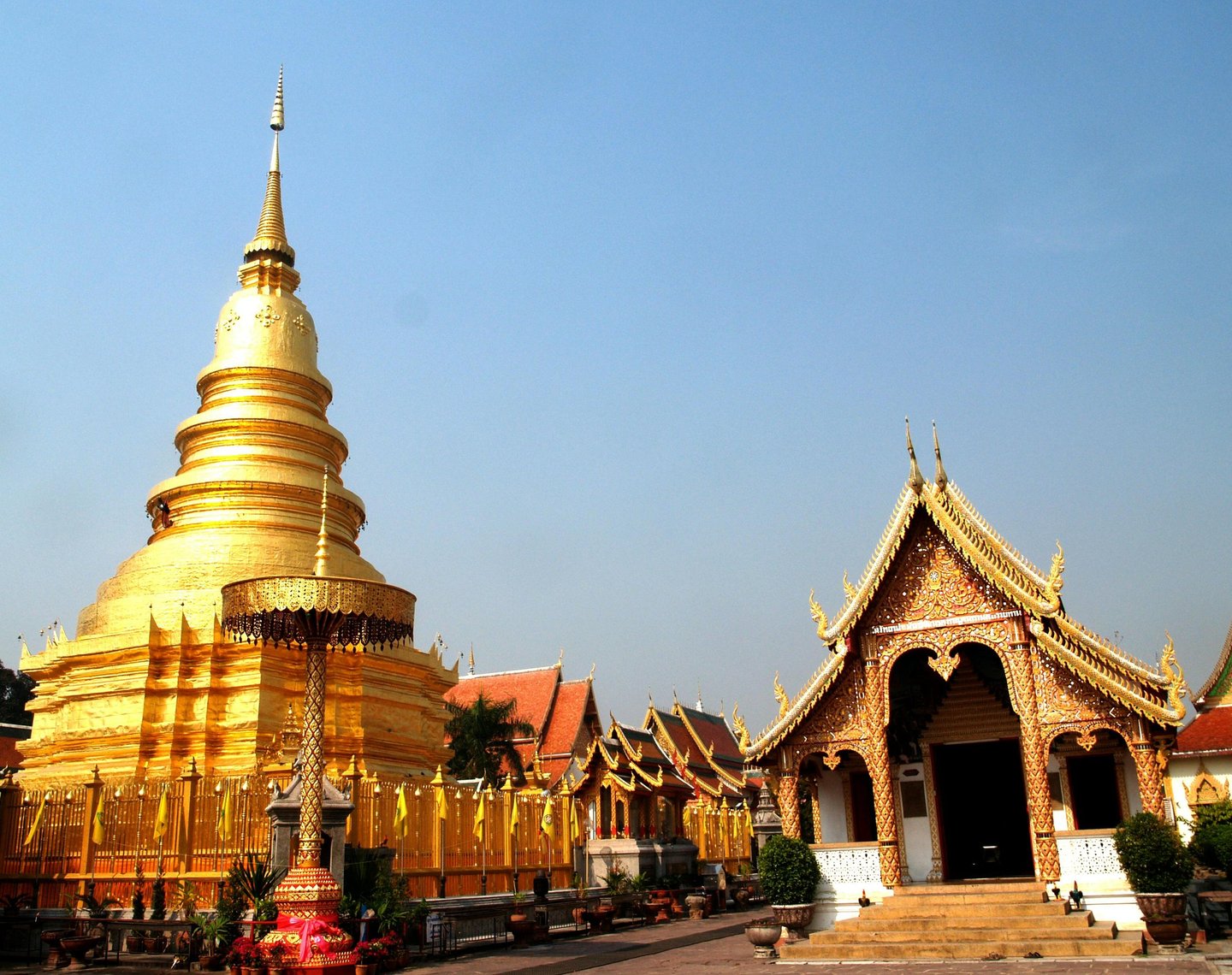
Bangkok's Buddhist temples showcase Thailand's spiritual and artistic heritage
World-Class Street Food and Culinary Excellence
Bangkok earned UNESCO Creative City of Gastronomy designation through street food culture that delivers restaurant-quality flavors at sidewalk prices. The late Jay Fai earned a Michelin star for her crab omelet and drunken noodles cooked on charcoal braziers at her street-side stall. Night markets, food courts, and street vendors throughout the city serve pad thai, som tam (papaya salad), tom yum goong (spicy shrimp soup), massaman curry, mango sticky rice, and countless regional Thai dishes for 40-100 baht ($1-3). Beyond street food, Bangkok offers exceptional dining across all categories—traditional Thai restaurants in beautiful settings, innovative fusion cuisine, international options from Italian to Indian, and multiple Michelin-starred establishments. The combination of affordability, quality, variety, and accessibility makes Bangkok a food lover's paradise.
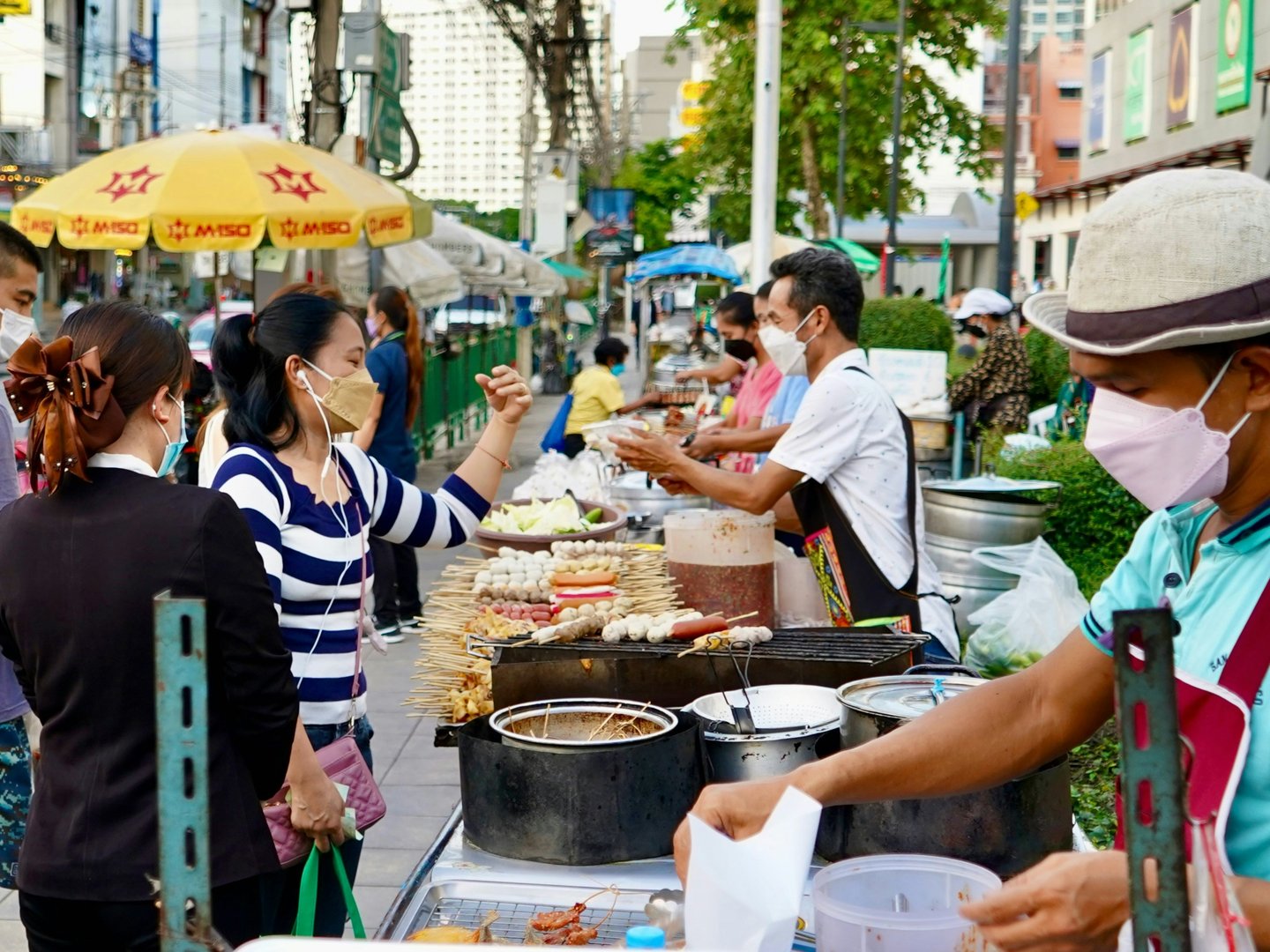
World-class street food delivers restaurant-quality flavors at sidewalk prices
Incredible Value and Affordable Luxury
Bangkok offers exceptional value where luxury experiences cost fraction of Western equivalents. Five-star hotels with rooftop infinity pools, butler service, and Michelin-starred restaurants charge $100-200 per night—prices that would buy basic accommodation elsewhere. Traditional Thai massage costs $8-12 per hour at reputable shops, world-class spas charge $50-100 for treatments costing double elsewhere, and street food meals run $1-3. Shopping ranges from night markets selling everything for negotiable prices to mega-malls with international brands at good prices. Even budget travelers thrive on $30-50 daily including accommodation, meals, transport, and activities. The ability to experience luxury—from rooftop cocktails to spa treatments to fine dining—without financial stress makes Bangkok accessible to travelers across income levels.
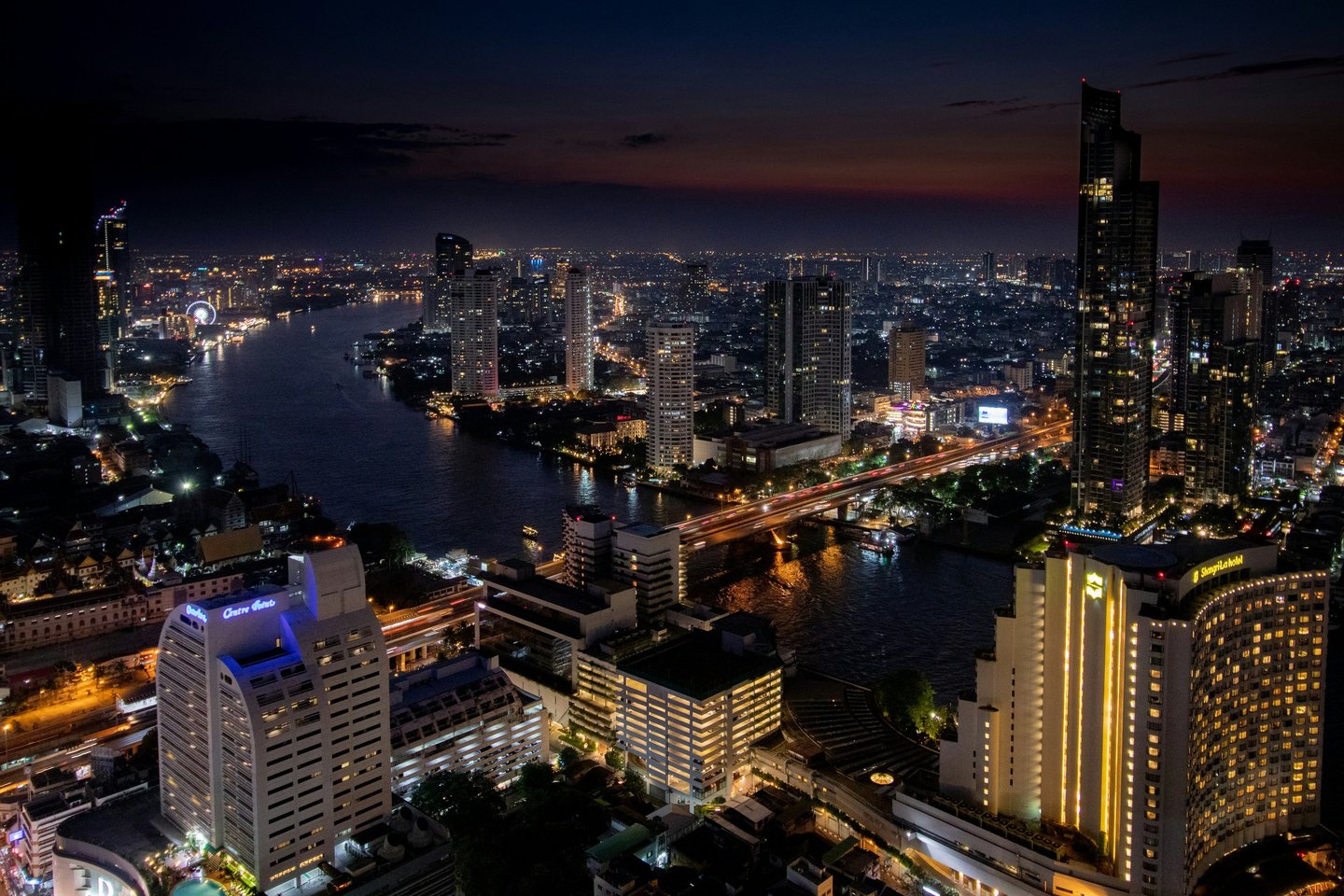
Bangkok offers exceptional value where luxury costs a fraction of Western equivalents
Vibrant Nightlife and Entertainment
Bangkok's nightlife spans everything from sophisticated rooftop bars to raucous nightclubs to traditional cultural performances. Sky bars like Lebua's Sky Bar (famous from "The Hangover Part II"), Vertigo at Banyan Tree, and Octave at Marriott Marquis offer spectacular city views with cocktails. The notorious Khao San Road provides backpacker party atmosphere, while Thonglor and Ekkamai attract Thai hipsters to craft cocktail bars and live music venues. The red-light districts (Patpong, Nana, Soi Cowboy) operate openly but represent just one facet of diverse nightlife. Calypso Cabaret and other ladyboy shows demonstrate Thailand's acceptance of gender diversity through professional productions. Night markets like Rot Fai and Talad Neon combine shopping, street food, and social atmosphere. The variety means everyone finds their scene.
Efficient Transport and Strategic Location
Bangkok's modern BTS Skytrain and MRT subway systems make navigating this sprawling city surprisingly easy—air-conditioned comfort, frequent service, and cheap fares (15-50 baht/$0.50-1.50) connect major attractions and neighborhoods. River ferries along the Chao Phraya provide scenic transport and access to riverside temples and attractions. Taxis using meters are abundant and cheap ($3-8 for most trips), while Grab (Southeast Asian Uber) provides app-based convenience. The city's central location makes it Southeast Asia hub—cheap flights reach all Thai beach destinations, neighboring countries, and throughout Asia. Bangkok serves as ideal base for exploring Thailand or starting point for regional adventures to Cambodia, Laos, Vietnam, or Myanmar.
Shopping from Markets to Megamalls
Bangkok shopping spans the spectrum from traditional markets to ultramodern malls creating retail therapy paradise. Chatuchak Weekend Market—one of the world's largest with 15,000+ stalls—sells everything imaginable from antiques to pets to clothing to home décor over 35 acres. Night markets like Asiatique combine riverside setting with shops and restaurants. MBK Center offers seven floors of everything at negotiable prices. Siam Paragon, CentralWorld, and EmQuartier provide luxury shopping in spectacular air-conditioned comfort. Specialized markets cover flowers (Pak Klong Talad), amulets (around Wat Mahathat), and fabrics (Phahurat). The combination of variety, prices, and shopping as entertainment makes Bangkok excellent destination for retail indulgence at all budget levels.
Best Time to Visit Bangkok
Cool Season (November-February) - Peak Season
Bangkok's cool season brings the most pleasant weather with temperatures 20-32°C (68-90°F), lower humidity, and minimal rainfall—optimal conditions for temple exploring, outdoor markets, and city walking. December-January represents peak tourist season with highest hotel rates and advanced booking requirements but guaranteed excellent weather and maximum festival activity. The "cool" designation is relative—days remain warm but mornings and evenings feel genuinely comfortable, and the lack of oppressive humidity makes outdoor activities pleasant. This season coincides with major festivals including Loy Krathong (floating lantern festival, usually November), Christmas, and New Year celebrations. Book hotels months ahead for December-January, particularly for Christmas/New Year period when prices peak and availability diminishes.
Hot Season (March-May) - Intense Heat
Bangkok's hot season brings extreme temperatures 28-37°C (82-99°F) with April typically the hottest month, though air conditioning provides constant refuge in hotels, malls, restaurants, and transport. The heat feels intense but manageable with strategic planning—explore air-conditioned museums and malls during peak afternoon heat (2-5 PM), save temple visits for early morning or late afternoon, and embrace the local rhythm of seeking shade and air conditioning during the hottest hours. This season offers significant advantages: lowest hotel rates (30-50% below high season), fewer tourists at attractions, and easy last-minute booking. Songkran (Thai New Year water festival, April 13-15) transforms the entire country into massive water fight—incredible cultural experience if you embrace getting soaked. The combination of value pricing and authentic atmosphere (fewer tourists, more locals) makes hot season viable for budget travelers and those tolerating heat.
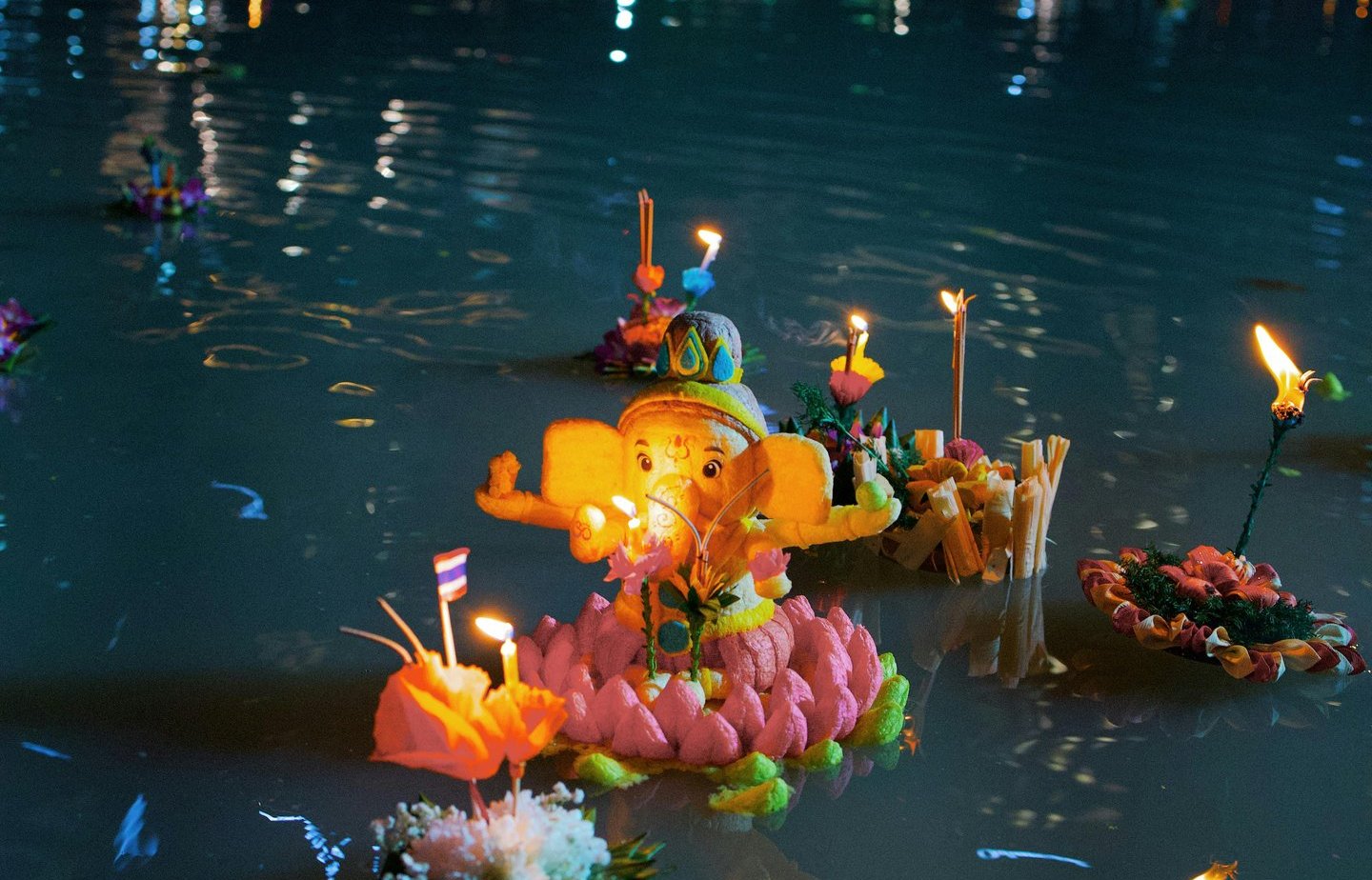
The cool season (November-February) brings festivals and optimal weather
Rainy Season (June-October) - Green and Affordable
The monsoon brings afternoon thunderstorms, high humidity, and temperatures 26-34°C (79-93°F), but "rainy season" doesn't mean constant rain—most days feature morning sunshine with afternoon/evening showers lasting 1-3 hours before clearing. This pattern allows morning temple visits, afternoon indoor activities (museums, malls, spas, massages), and evening dining and nightlife. The rain greens the city, clears pollution, and creates dramatic skies. Hotel rates remain 20-40% below high season, tourist crowds thin considerably, and Bangkok feels more authentic with locals outnumbering visitors. September-October sees heaviest rainfall and occasional flooding in low-lying areas, though tourist zones and elevated BTS/MRT systems continue functioning. The season works well for travelers prioritizing value, cultural immersion, and flexibility over guaranteed perfect weather.
Best Overall Time
November-February offers optimal weather justifying premium prices for those wanting guaranteed comfort. March-May and June-October provide excellent value and fewer crowds for those accepting weather trade-offs—hot season for budget travelers tolerating heat, rainy season for those working around afternoon showers. Bangkok remains delightful year-round with indoor attractions, air conditioning, and covered markets making even challenging weather manageable.
Iconic Bangkok Attractions
The Grand Palace and Wat Phra Kaew
Thailand's most famous landmark complex combines the former royal residence with the Temple of the Emerald Buddha (Wat Phra Kaew), creating overwhelming display of Thai artistic achievement. Built in 1782 when Bangkok became capital, the complex features ornate buildings covered in gold leaf, intricate murals depicting Buddhist cosmology and Thai history, and the small but sacred Emerald Buddha image carved from jade. The architecture demonstrates traditional Thai style at its most refined—multi-tiered roofs, golden spires, guardian demons, and meticulous detailing covering every surface. Strict dress codes require covering shoulders and knees (rental clothing available), visitors must remove shoes in temple buildings, and the crowds can be overwhelming—visit at opening (8:30 AM) or late afternoon. Plan 2-3 hours, hire guide to understand the significance, and prepare for sensory overload from the beauty, heat, and crowds.
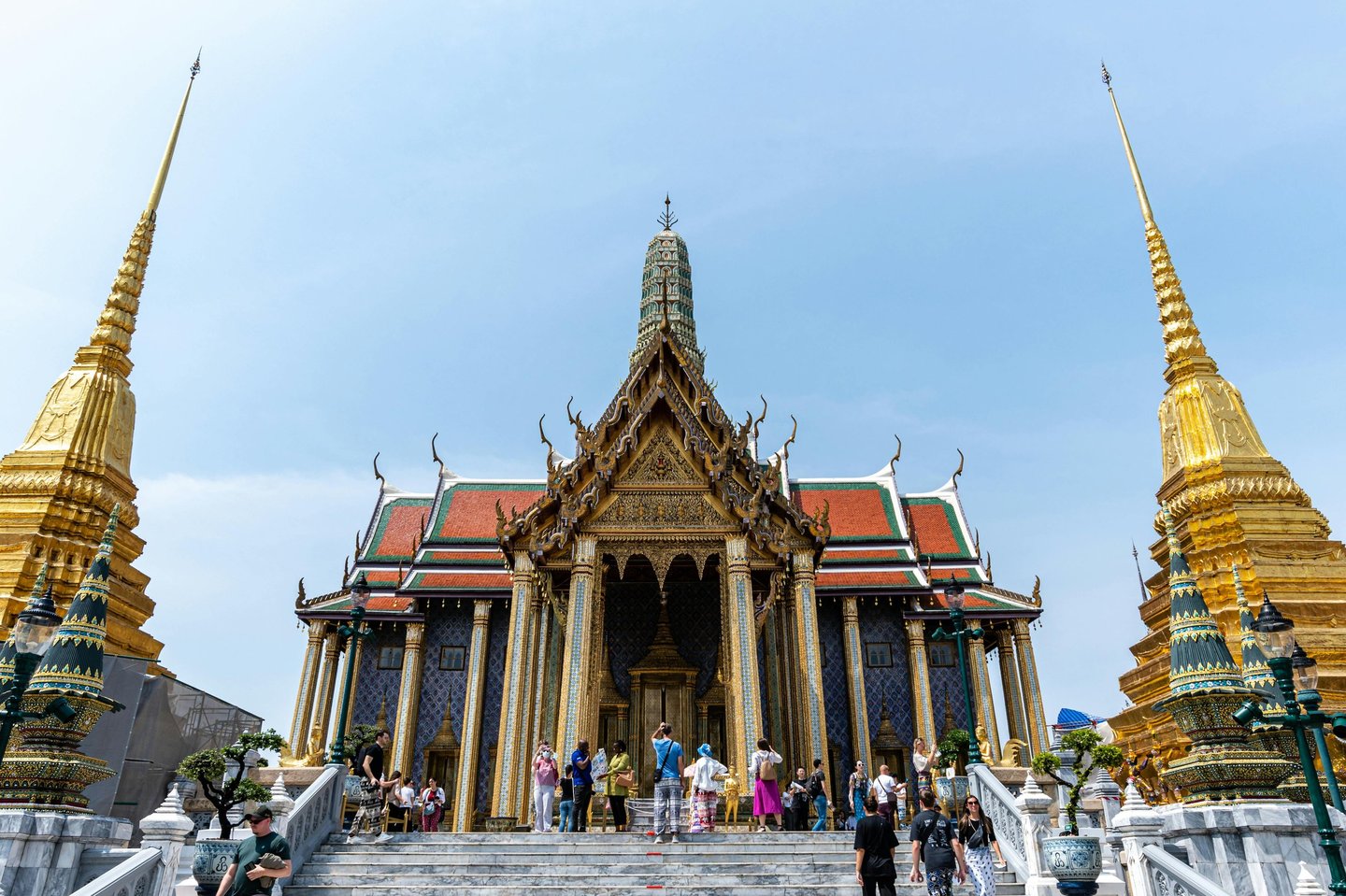
The Grand Palace and Temple of the Emerald Buddha showcase Thai artistic excellence
Wat Pho (Temple of the Reclining Buddha)
Adjacent to the Grand Palace, Wat Pho houses the massive 46-meter-long Reclining Buddha covered in gold leaf, one of Bangkok's most iconic images. Beyond the famous Buddha, the complex contains over 1,000 Buddha images, beautiful murals, ornate chedis (stupas), and tranquil courtyards. Wat Pho also houses Thailand's most prestigious traditional massage school—you can receive authentic Thai massage (260-480 baht/$8-15 for 30-60 minutes) from student practitioners in the on-site massage pavilions, or enroll in courses teaching traditional techniques. The combination of spectacular architecture, cultural significance, and massage services makes Wat Pho essential stop. Visit early morning to avoid crowds and heat, dress modestly, and consider booking massage after temple touring when your feet will appreciate the rest.
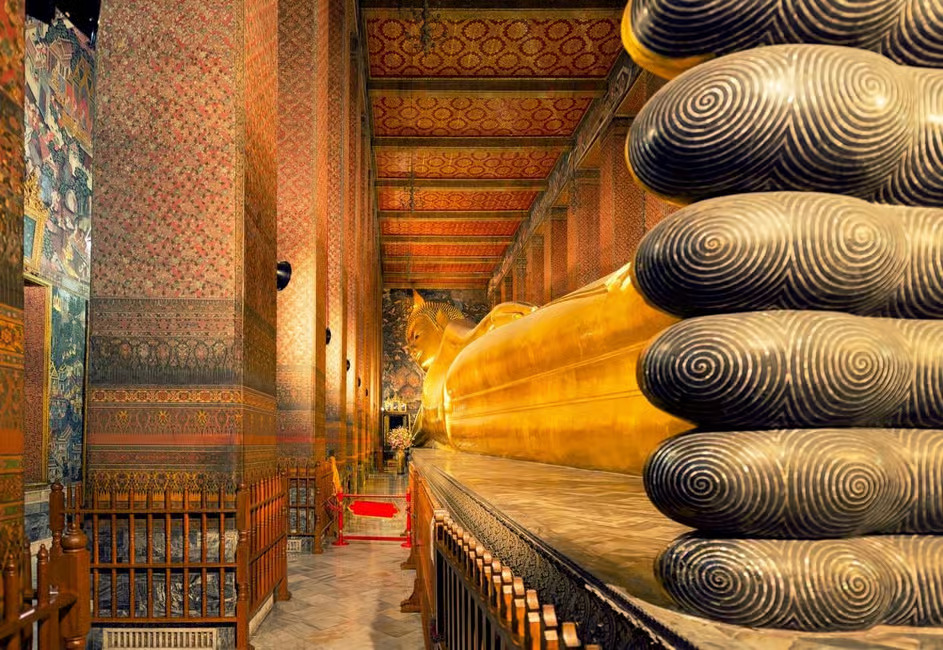
Wat Pho's 46-meter Reclining Buddha is one of Bangkok's most iconic images
Wat Arun (Temple of Dawn)
Across the Chao Phraya River in Thonburi, Wat Arun features distinctive Khmer-style prang (tower) decorated with colorful Chinese porcelain creating spectacular visual effect. The temple is most beautiful at sunrise or sunset when light illuminates the tower (despite the "dawn" name, sunset views are equally stunning). You can climb the steep steps partway up the central prang for river views—the narrow, steep stairs require care and appropriate clothing (no miniskirts). The temple demonstrates Thai incorporation of multiple cultural influences—Khmer architecture decorated with Chinese porcelain in Buddhist temple. The riverside location provides romantic sunset views, and crossing the river by ferry adds to the experience. Combine with nearby Royal Barges Museum for efficient exploration of this less-touristy side of the river.
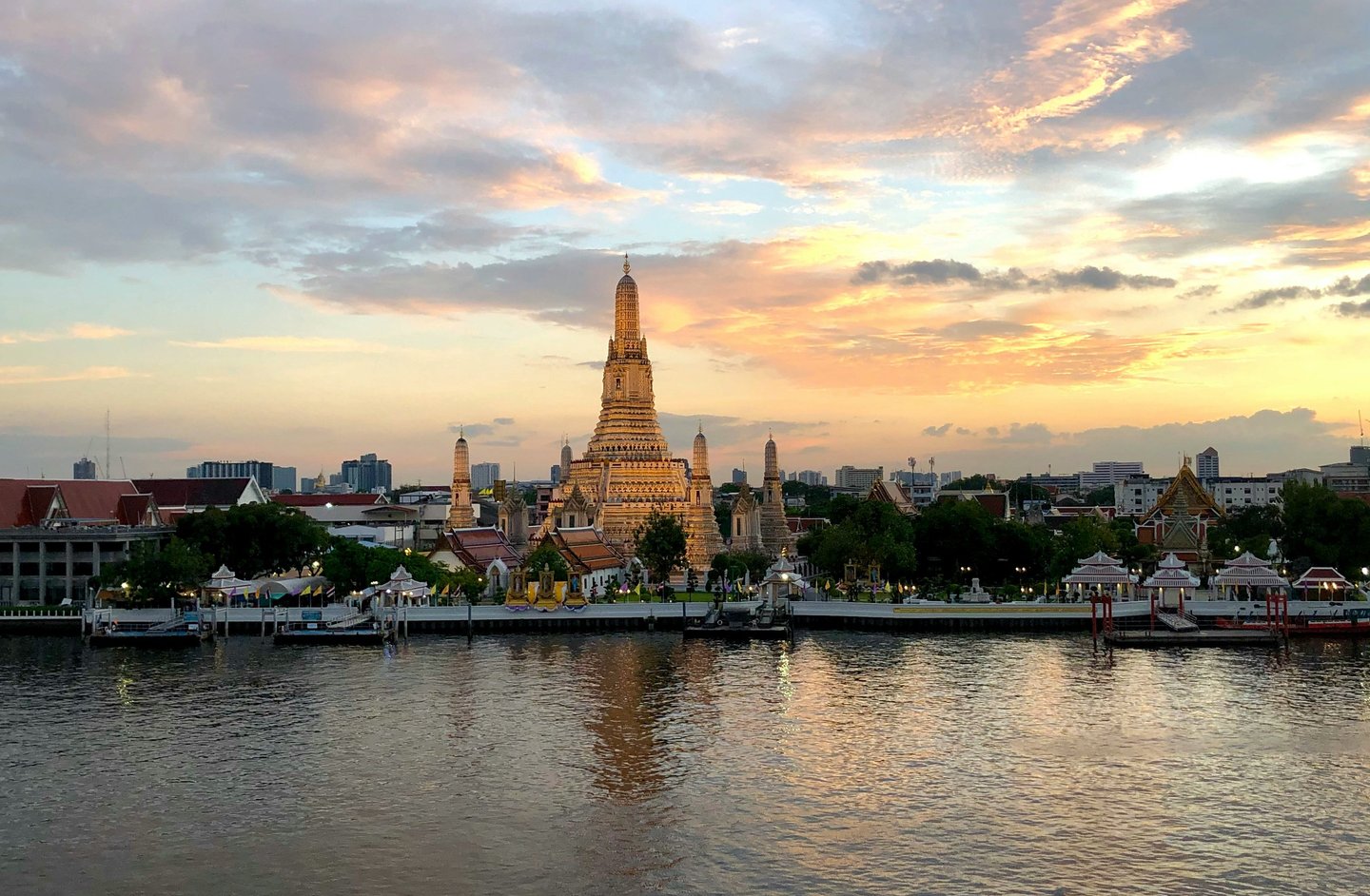
Wat Arun's Khmer-style towers create spectacular riverside silhouette
Chao Phraya River and Canal Tours
The Chao Phraya River functions as Bangkok's historical highway, with long-tail boat tours revealing traditional wooden houses on stilts, riverside temples, Royal Barges Museum, and contrasts between old and new Bangkok. The Chao Phraya Express Boat provides cheap public transport (15-40 baht) stopping at major piers near temples and hotels—sit on the roof deck for best views. Private long-tail boats navigate smaller canals (klongs) showing traditional life continuing in wooden houses despite surrounding urban development—the "Venice of the East" nickname once accurate and still visible in these waterways. Sunset dinner cruises on restored rice barges combine romantic river views with Thai cuisine and traditional dance performances. The river perspective reveals Bangkok's evolution from canal-based settlement to modern metropolis while showcasing how water remains central to city life.
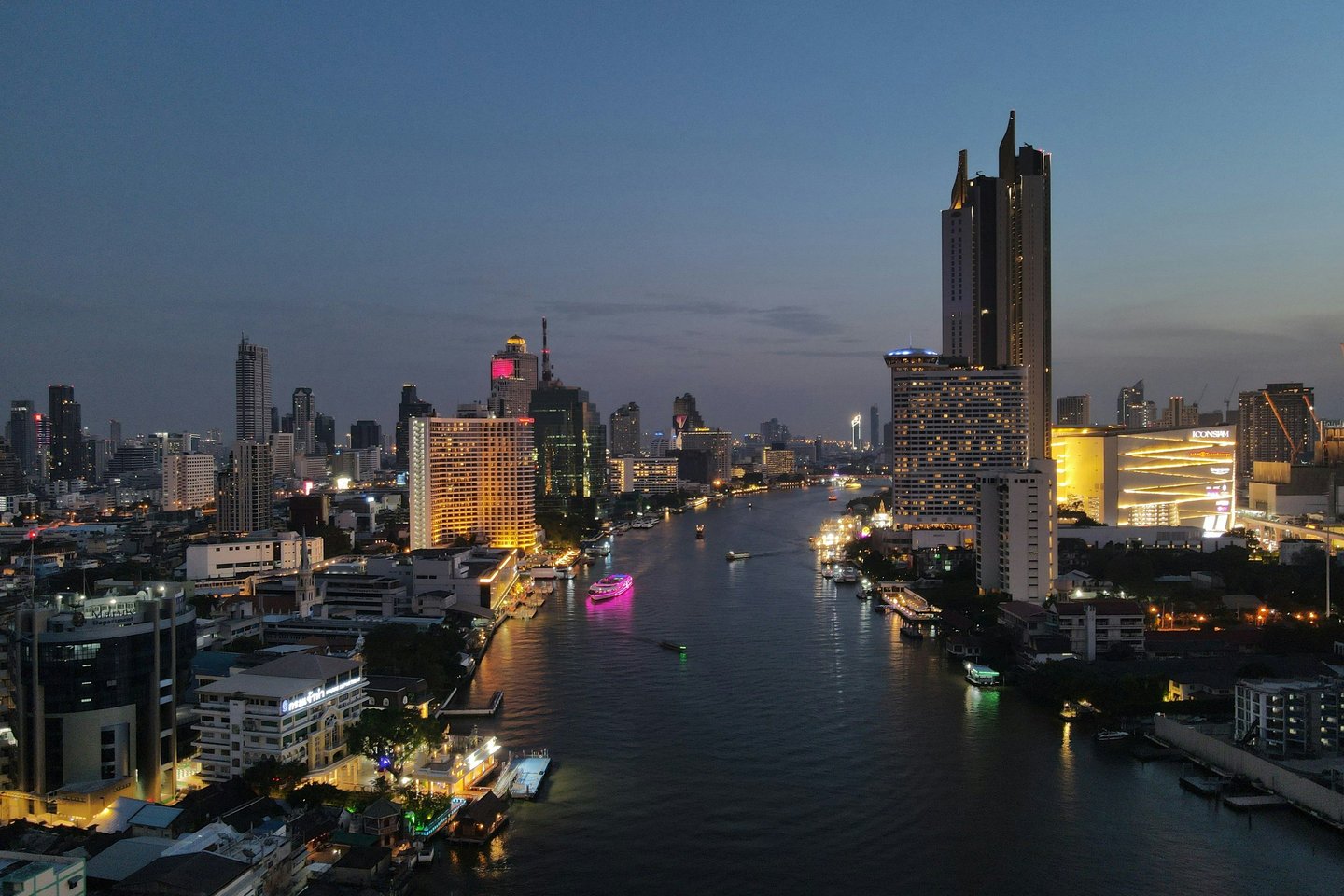
The Chao Phraya River reveals Bangkok's evolution and traditional life
Jim Thompson House
This museum preserves the traditional Thai teakwood house complex of American silk entrepreneur Jim Thompson, who revived Thai silk industry in the 1950s-60s before mysteriously disappearing in Malaysia in 1967. The mandatory guided tour (included with admission) reveals Southeast Asian art collection, traditional Thai architecture, lush tropical garden, and Thompson's fascinating life story. The house complex demonstrates traditional Thai building techniques—raised structures, steep roofs, removable wall panels—relocated from various parts of Thailand and assembled on this Bangkok property. The 30-minute tours run continuously in multiple languages, the setting provides peaceful escape from urban chaos, and the museum shop sells genuine Jim Thompson silk products. The location in central Bangkok near BTS makes it easy day-trip destination. Combine with nearby shopping at MBK Center or Siam Square.
Rooftop Bars and Sky Dining
Bangkok's rooftop bar scene offers spectacular city views with cocktails at venues ranging from sophisticated to party-focused. Sky Bar at Lebua State Tower (famous from "The Hangover Part II") provides 63rd-floor views with dress code and high prices justifying the experience. Vertigo at Banyan Tree offers 61st-floor open-air dining and drinks with sophisticated atmosphere. Octave at Marriott Marquis features three-floor rooftop complex with different bars and spectacular 360-degree views. CRU Champagne Bar at Red Sky offers sunset views and champagne focus. Prices range $10-20+ per cocktail—expensive by Bangkok standards but reasonable for the experience. Most enforce dress codes (no flip-flops, tank tops, shorts), require reservations for dining, and operate 5-6 PM onwards. The combination of views, atmosphere, and Instagram-worthy moments makes rooftop bars essential Bangkok experience despite tourist appeal.
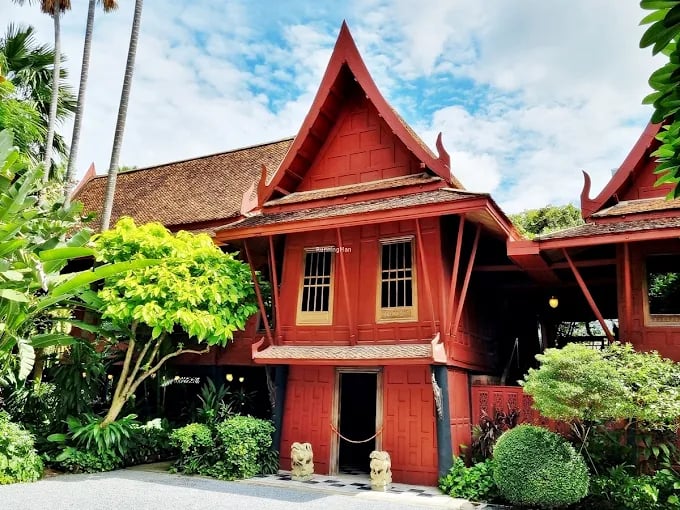
The Bangkok home and Asian art collection of the late James H.W. Thompson, also known as the “Thai Silk King”
Khao San Road and Backpacker District
This legendary backpacker street embodies budget travel culture with cheap guesthouses ($5-20 per night), street food stalls, bars, travel agencies booking onward journeys, and international travelers from every continent. While gentrifying from its original chaotic glory, Khao San Road still delivers authentic backpacker atmosphere—beer towers, banana pancakes, knockoff goods, tattoo parlors, and 3 AM pad thai carts. The surrounding streets (Rambutri, Phra Athit) offer quieter accommodation and riverside dining. The area attracts budget travelers but also serves as cultural experience—the energy, international mix, and affordability create unique Bangkok scene. Visit evening for maximum atmosphere even if staying elsewhere. The nearby Democracy Monument and October 14 Memorial provide historical context to Thailand's political evolution.
Chatuchak Weekend Market
One of the world's largest markets with 15,000+ stalls covering 35 acres sells everything imaginable—clothing, antiques, plants, pets, art, home décor, handicrafts, and street food—creating overwhelming but exciting shopping experience. The market operates Saturdays-Sundays 9 AM-6 PM with different sections specializing in categories (consult market map at entrances). Bring cash, wear comfortable walking shoes, start early before heat peaks, hydrate frequently, and embrace getting lost in the maze-like alleys. Bargaining is expected but keep it friendly. The adjacent Or Tor Kor Market offers premium produce and prepared foods in more manageable setting. Chatuchak demonstrates Thai commercial energy and provides opportunity to buy unique items, sample street food, and people-watch in quintessentially Bangkok environment. Plan half-day minimum.
Where to Stay in Bangkok
Luxury: Mandarin Oriental Bangkok
Thailand's most legendary hotel occupies prime Chao Phraya riverside location with 140-year history hosting celebrities, royalty, and discerning travelers in colonial-era Authors' Wing and modern River Wing. Rooms feature Thai silk textiles, teak furniture, river or garden views, and technology hidden to maintain classical elegance. The spa offers traditional Thai treatments in riverside sala, multiple restaurants include Michelin-starred Le Normandie, and impeccable service maintains Mandarin Oriental's global reputation. The location provides easy boat access to temples and downtown while maintaining serene atmosphere. Afternoon tea in the Authors' Lounge and sunset cocktails at the riverside terrace exemplify refined luxury. The property attracts guests seeking Bangkok's most prestigious address. Rates from $400-1,200+ per night reflect exceptional heritage, location, and service.
Luxury: The Siam
This boutique Art Deco hotel on the Chao Phraya combines 1920s-inspired design with contemporary luxury in intimate property with just 39 suites. Each suite features unique layout with private outdoor spaces, some with personal pools, all with handcrafted furnishings and original Southeast Asian art. The Opium Spa delivers exceptional treatments, the restaurant serves Thai cuisine emphasizing organic ingredients, and Muay Thai boxing ring offers private training sessions. The private pier provides boat access to attractions, while the riverside infinity pool creates peaceful retreat. The property demonstrates that boutique luxury can rival large hotels through personal service, design excellence, and exclusivity. Rates from $500-2,000+ per night attract travelers seeking intimate luxury over brand-name hotels.
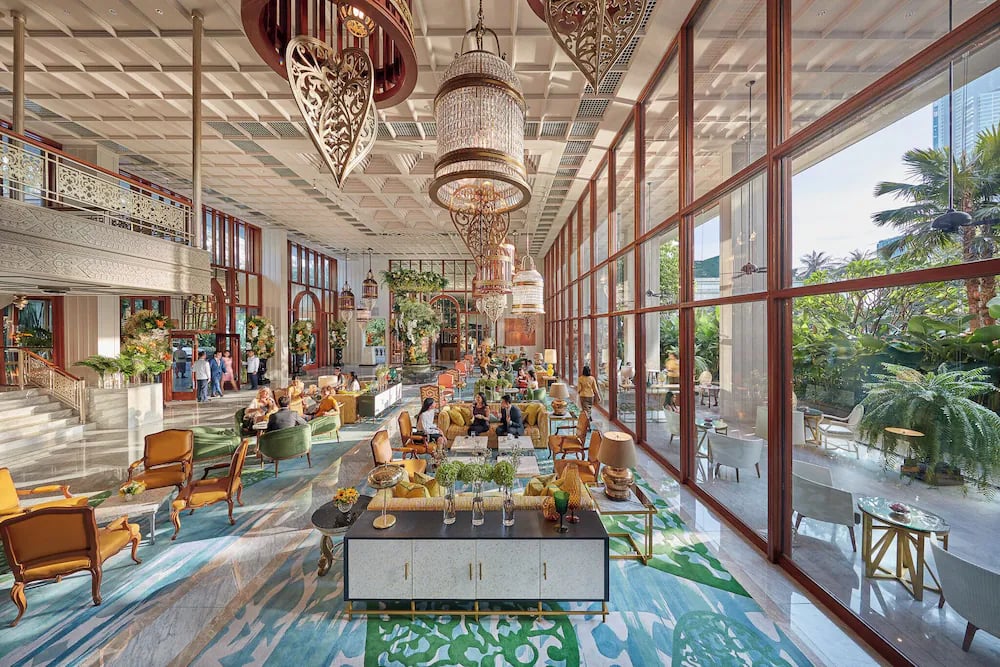
Mandarin Hotel: a riverside hotel which combines luxury with access to Bangkok's historic waterway
Mid-Range: Riva Surya Bangkok
This riverside boutique hotel combines modern design with reasonable prices through 68 rooms featuring floor-to-ceiling windows, contemporary Thai touches, and many with Chao Phraya views. The rooftop bar/restaurant provides sunset views and excellent Thai/international cuisine, the location near Khao San Road offers access to backpacker energy without the chaos, and the private pier connects to river transport. The property attracts travelers wanting riverside romance at prices significantly below luxury hotels. Staff provide genuine service, breakfast includes both Thai and Western options, and the design demonstrates boutique quality doesn't require boutique prices. Rates from $80-150 per night deliver excellent value for location, design, and river views.
Mid-Range: Lub d Bangkok Siam
This design hostel near Siam shopping district transforms budget accommodation through quirky Thai-inspired design, comprehensive facilities (rooftop bar, pool, spa, restaurant), and accommodation ranging from dorms to private rooms with ensuite bathrooms. The property combines hostel social atmosphere with hotel-quality facilities and design. The location provides easy BTS access to all of Bangkok, shopping malls are walking distance, and street food surrounds the area. The hostel demonstrates Bangkok's evolution in budget accommodation—well-designed, clean, social, and far exceeding traditional hostels. Dorms from $12-20 per bed, private rooms from $50-80 per night offer exceptional value for location and facilities.
Budget: NapPark Hostel at Khao San
This modern hostel on famous Khao San Road provides clean, comfortable accommodation with air-conditioned dorms and private rooms, rooftop terrace, café, and friendly staff. The location puts travelers in the heart of backpacker action while maintaining cleanliness and comfort impossible in older Khao San guesthouses. The hostel attracts international travelers seeking social atmosphere and central location at budget prices. Common areas facilitate meeting other travelers, staff book tours and onward travel, and the rooftop provides escape from street chaos. Dorms from $8-15 per bed, private rooms from $30-50 per night deliver Khao San location with modern hostel standards.
Budget: Bangkok Tree House
This eco-resort on the Chao Phraya in Bang Krachao ("Bangkok's green lung") offers wooden bungalows built from recycled materials, organic restaurant, river views, and peaceful atmosphere 20 minutes from central Bangkok. The property demonstrates budget travel doesn't require sacrificing character—the eco-design, river setting, and genuine commitment to sustainability create unique experience. The location trades central convenience for nature and authenticity. The resort attracts environmentally conscious travelers and those seeking escape from urban intensity. Bungalows from $40-80 per night provide rare combination of budget pricing, character, and riverside location.
Book on Trip.com | Booking.com | Hotels.com | GetYourGuide
Bangkok Culinary Highlights
Bangkok's food scene ranges from street-side noodle stalls earning Michelin stars to fine dining pushing culinary boundaries, with Thai cuisine's complexity, balance, and bold flavors showcased at every price point.
Street Food and Markets
Bangkok's street food represents world-class cuisine at impossibly low prices—pad thai for 40-60 baht ($1-2), som tam for 30-50 baht, grilled satay for 5-10 baht per stick. The late Jay Fai's Michelin-starred street stall demonstrates that sidewalk cooking can equal fine dining quality. Night markets like Rot Fai and Talad Neon combine food with shopping and atmosphere. Chinatown (Yaowarat Road) explodes with Chinese-Thai street food evenings—shark fin soup, bird's nest soup, durian, fresh seafood at metal tables under fluorescent lights. The street food culture allows sampling authentic Thai flavors without restaurant overhead—the vendors specialize in one or two dishes perfected over decades.
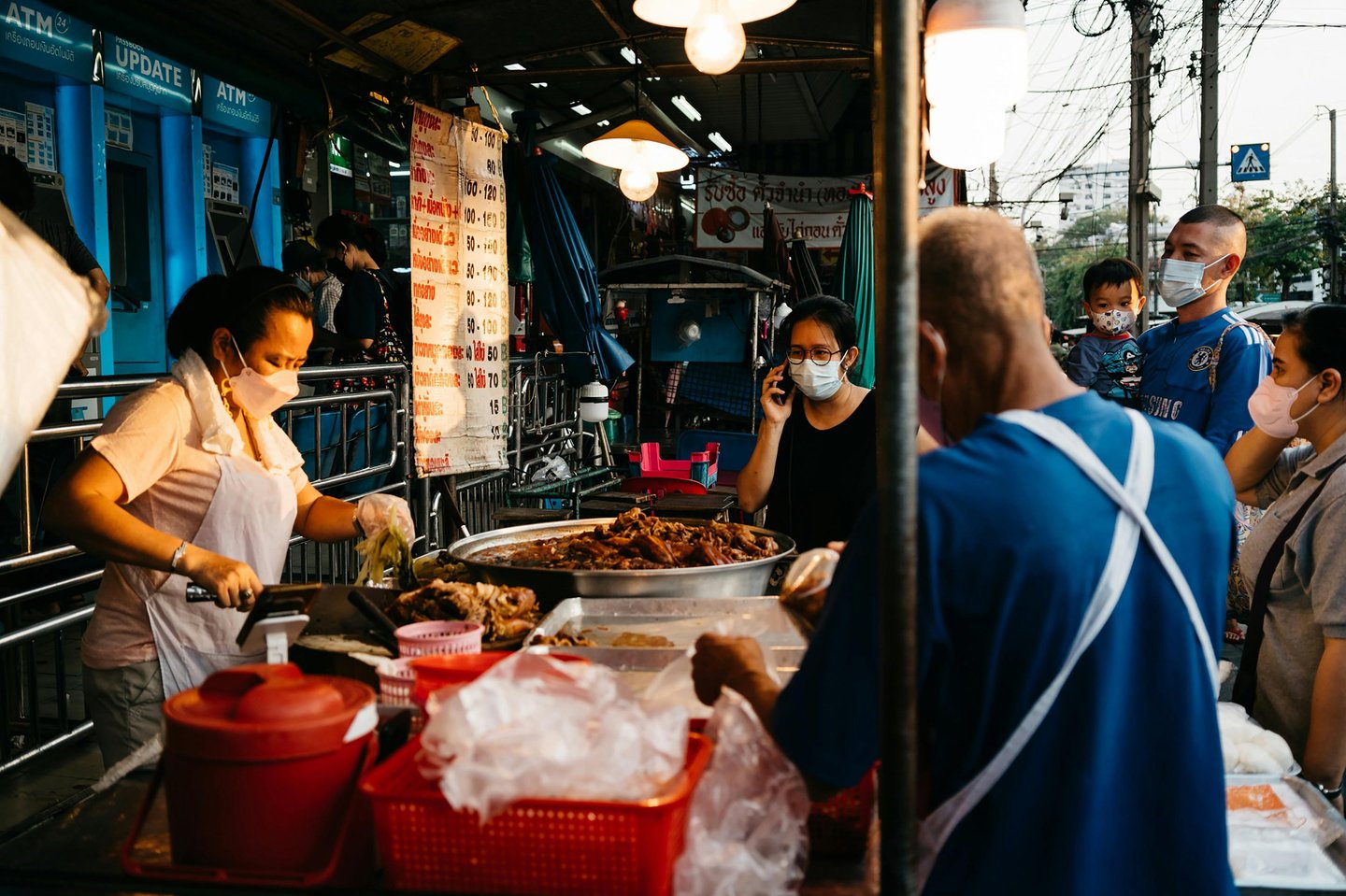
Bangkok's street food culture offers authentic Thai flavors at every corner
Traditional Thai Restaurants
Restaurants like Baan Khanitha, Krua Apsorn, and Somtum Der serve authentic Thai cuisine in comfortable settings with English menus explaining dishes. These establishments bridge street food and fine dining—proper restaurants with air conditioning and service but maintaining authentic flavors and reasonable prices (150-400 baht/$5-12 per dish). Regional specialties appear on menus—Isaan (northeastern) dishes like som tam and grilled chicken, southern curries with coconut milk, northern khao soi curry noodles. The variety demonstrates Thai cuisine's regional diversity beyond the standard tourist dishes.
Michelin-Starred Excellence
Bangkok's Michelin guide recognizes exceptional dining from street stalls to fine restaurants. Gaggan Anand's progressive Indian cuisine earned international acclaim before closing, while establishments like Le Normandie (Mandarin Oriental), Mezzaluna (Lebua), and Sühring (German fine dining) demonstrate Bangkok's culinary sophistication. Thai restaurants like Paste and R-Haan earn Michelin recognition through refined traditional cuisine using premium ingredients and modern presentation while maintaining authentic flavors. The combination of excellent ingredients, skilled chefs, and relatively affordable prices (tasting menus $100-250 versus $300-500 in New York or Paris) makes Bangkok excellent destination for fine dining on relative budget.
Food Courts and Markets
Mall food courts like those in Terminal 21 (themed by country/city), MBK Center, and Siam Paragon offer exceptional variety and quality at cheap prices. These air-conditioned spaces provide comfortable introduction to Thai food for timid eaters while serving locals rushing lunch breaks—the authenticity and affordability make them legitimate food destinations, not just mall amenities. Or Tor Kor Market next to Chatuchak offers premium produce and prepared foods. The food court system demonstrates Thai appreciation for food across social classes—everyone eats well in Bangkok regardless of budget.
International Cuisine
Bangkok's international community and tourism create demand for diverse cuisines served authentically. Little India (Phahurat area) offers South Indian and vegetarian options, Chinatown provides Cantonese specialties, and international neighborhoods like Thonglor feature Japanese, Korean, Italian, and Middle Eastern restaurants. The global range with authentic quality reflects Bangkok's cosmopolitan reality—you can eat better Japanese food in Bangkok than most American cities, at fraction of Tokyo prices.
Practical Bangkok Tips
Visa and Entry Requirements
Most nationalities receive 30-day visa exemption on arrival by air (15 days by land) with proof of onward travel. Extensions possible at immigration offices. Long-term visitors can obtain 60-day tourist visas from Thai embassies abroad. Overstaying results in daily fines and potential entry bans. Verify current requirements before booking as policies change occasionally. Thailand maintains relatively open tourism policy making arrival straightforward for most visitors.
Getting Around Bangkok
The BTS Skytrain and MRT subway provide air-conditioned, efficient transport connecting major districts—buy single-journey tickets or day passes at stations. River ferries offer scenic alternative on the Chao Phraya (15-40 baht). Metered taxis are cheap ($3-8 most trips) but insist on meter use; Grab app provides transparency and English interface. Tuk-tuks are tourist experiences, not efficient transport—negotiate prices firmly before boarding. Bangkok traffic is notorious—allow extra time during rush hours (7-10 AM, 5-8 PM) or use elevated BTS/MRT systems avoiding road congestion. Motorcycle taxi queues at intersections offer quick short-distance transport for the brave.
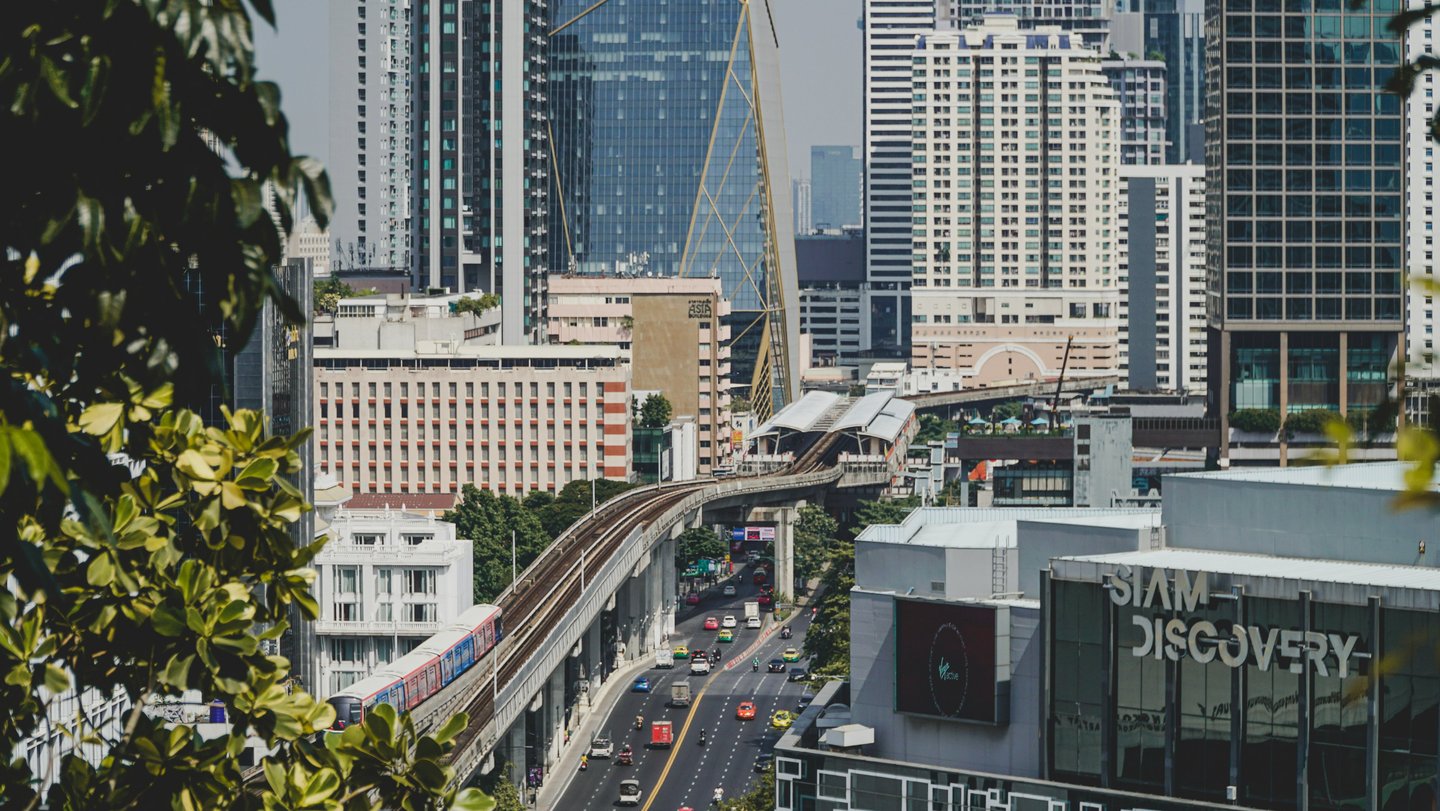
The BTS Skytrain makes navigating Bangkok surprisingly easy
Temple Etiquette and Dress Codes
Temples require modest dress—shoulders and knees covered, no see-through clothing. Rental scarves/pants available at major temples. Remove shoes before entering temple buildings. Don't point feet at Buddha images. Women shouldn't touch monks. Photography generally allowed except where posted otherwise. These aren't arbitrary tourist rules but respect for active religious sites. Many temples close main buildings midday or early afternoon—verify hours before traveling across the city.
Money and Costs
Thai Baht (THB) is the currency with exchange rates around 35 baht to $1 USD (rates fluctuate). ATMs widely available dispensing maximum 20,000-30,000 baht per transaction with fees around 220 baht per withdrawal. Exchange booths often provide better rates than ATMs for larger sums. Credit cards accepted at hotels, malls, and tourist restaurants but most street vendors, markets, and local restaurants operate cash-only. Bangkok remains remarkably affordable—budget travelers manage on $30-50 daily, mid-range $60-100, with luxury available at all levels above. Tipping is not traditionally Thai but appreciated in tourist areas—10% at restaurants if service charge not included, 20-40 baht for helpful service.
Scams and Common Tourist Traps
Common scams include tuk-tuk drivers claiming the Grand Palace is closed (directing you to gem shops), gem scam (convincing tourists to buy "investment" gems at inflated prices), and meter-less taxis demanding flat rates. Always insist metered taxis use meter or use Grab app. Be wary of overly friendly strangers offering sightseeing help—often leads to tailors or gem shops. Ping pong shows in red-light areas frequently overcharge through bill padding. Use common sense—if it seems too good to be true (amazing tour, unbelievable deal), it probably is. Despite scams targeting tourists, Bangkok is generally safe with low violent crime.
Health and Safety
Bangkok tap water is not safe to drink—use bottled or filtered water exclusively. Street food is generally safe if busy (high turnover) and freshly cooked. Dengue fever occurs—use mosquito repellent especially in parks and outdoor areas. Heat exhaustion is real—stay hydrated, seek air conditioning during peak afternoon heat, and don't overschedule outdoor activities. Pollution can be problematic especially March-April—sensitive individuals may want masks on heavily polluted days. Healthcare is excellent with international hospitals (Bumrungrad, Samitivej, Bangkok Hospital) offering world-class care at fraction of Western costs. Travel insurance recommended though medical costs are manageable even without insurance.
Cultural Sensitivity
Thais revere the monarchy—never disrespect the king or royal family (legally prohibited and culturally offensive). The head is considered sacred, feet unclean—don't touch heads or point feet at people or Buddha images. The traditional wai greeting (hands together, slight bow) is respectful when receiving service or thanks, though tourists aren't expected to wai service workers. Public displays of affection should be minimal—hand-holding acceptable, kissing not. Maintain calm demeanor—loud, angry behavior causes loss of face. Remove shoes when entering homes. Thais are remarkably tolerant and forgiving of tourist cultural errors, but appreciation of customs enhances experiences and interactions.
Weather and What to Pack
Bangkok is hot year-round—bring light, breathable clothing, quality sunscreen, hat, and sunglasses. Pack modest clothing (covering shoulders/knees) for temple visits or bring large scarf/wrap. Sandals or easy-to-remove shoes help with frequent shoe removal. Rain jacket or small umbrella useful rainy season but sudden afternoon storms occur year-round. Most time spent moving between air-conditioned spaces—light layers help with temperature transitions. Power adapters for Type A/B/C sockets (220V). Hand sanitizer and tissues useful as public restrooms vary in cleanliness and sometimes lack toilet paper.
Bangkok rewards every type of traveler—whether you seek spiritual experiences at golden temples, culinary adventures through street food markets, luxury spa treatments and rooftop cocktails, or energetic nightlife and shopping marathons. This remarkable city's combination of ancient traditions and modern ambitions, sacred devotion and hedonistic pleasures, affordability and luxury creates a destination that exceeds expectations. From your first glimpse of the Grand Palace's glittering spires to your final pad thai from a street cart, from sunrise alms-giving to sunset river cruises, Bangkok delivers moments of beauty, flavor, and energy that transform visitors into devoted fans of Thailand's dynamic capital.
Compare hotels on Booking.com | Browse curated tours on GetYourGuide
Hotels • Flights • Tours • Activities
“© 2025-2026. All rights reserved.
This blog may contain affiliate links, which means I might earn a small commission, at no extra cost to you, if you decide to make a booking through one of these links. I only recommend products and services I actually use or genuinely believe will bring value. For more information visit http://paidforadvertising.com. Thank you for your support!
Affiliate Disclosure

Important Links
Continents
Find Us Here
Follow Us
Welcome to The Gilded Globe, your premier guide to crafting journeys that are seamless as they are extraordinary. We believe that travel is not just about the destination, it's about the richness of the experience - from the first spark of inspiration to the memories you bring home.