
BARCELONA: WHERE GAUDÍ'S DREAMS MEET MEDITERRANEAN CHARM
Catalonia's Captivating Capital
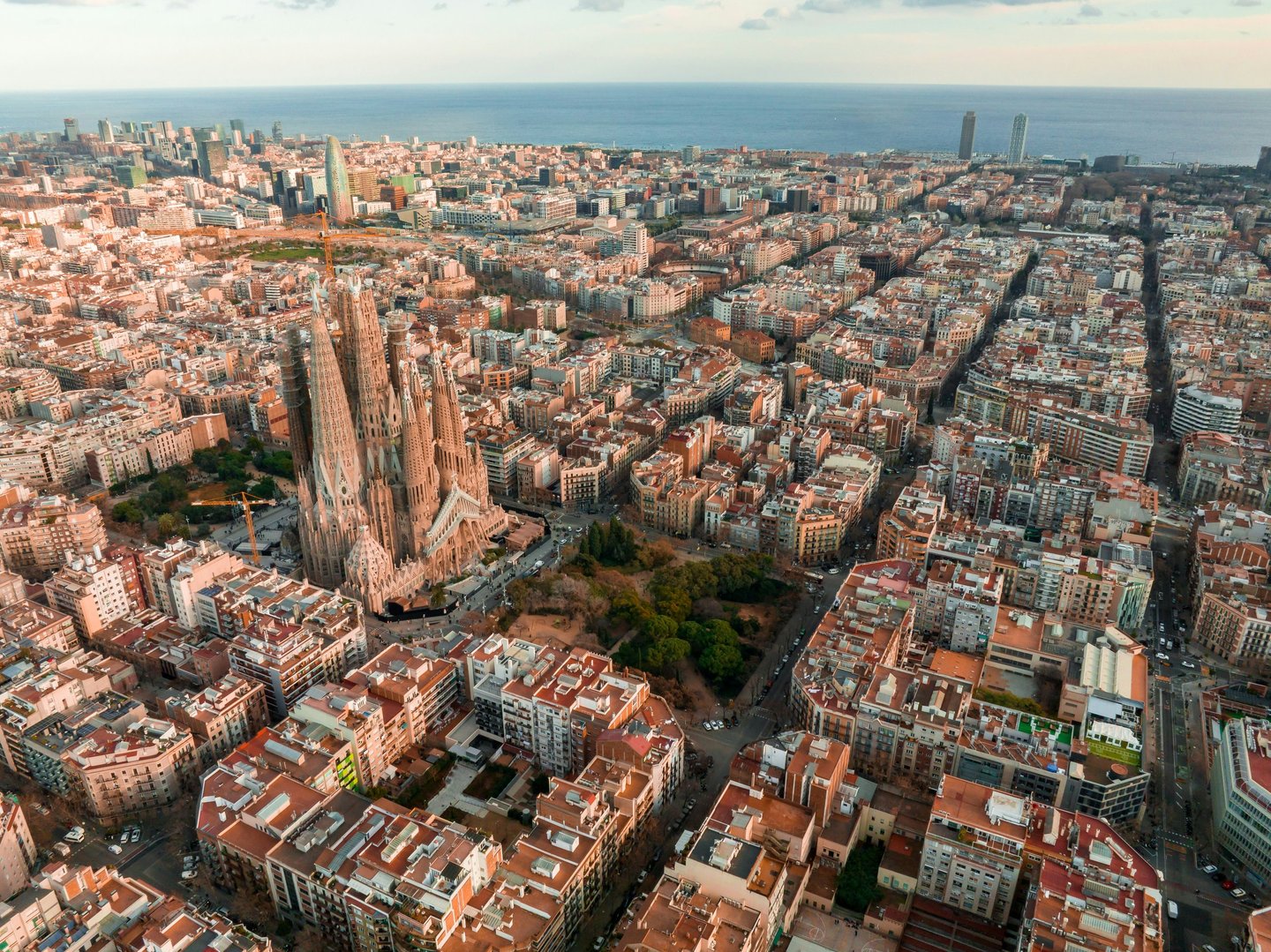
Barcelona enchants as Europe's most distinctive metropolis, a city where Antoni Gaudí's fantastical architecture transforms streetscapes into art, where Gothic cathedrals anchor winding medieval lanes, and where Mediterranean beaches meet cosmopolitan sophistication. This extraordinary Catalan capital of 1.6 million people seamlessly blends artistic innovation with centuries of history, creating experiences that captivate the imagination. Here, you can marvel at the unfinished Sagrada Família basilica at sunrise, wander Las Ramblas' lively promenade by midday, savor tapas and vermouth in centuries-old bodegas by evening, and dance until dawn in beachfront clubs—all while surrounded by masterpieces of modernist architecture.
Beyond its architectural wonders, Barcelona captivates with vibrant cultural traditions, culinary excellence, and an unmistakable Mediterranean spirit. The city pulses with Catalan pride, expressed through language, festivals, and fierce independence. Parks designed by Gaudí offer whimsical escapes, while countless museums showcase Picasso, Miró, and contemporary art. The waterfront's transformation from industrial port to recreational paradise provides beaches, seafood restaurants, and sunset strolls. From the medieval charm of the Gothic Quarter to the modernist splendor of Eixample, from Montjuïc's hilltop museums to Gràcia's bohemian squares, Barcelona delivers artistic depth, coastal beauty, and unforgettable moments that make it one of Europe's most beloved destinations.
Or compare on Expedia
Why Visit Barcelona
Gaudí's Architectural Masterpieces
Barcelona functions as an open-air museum showcasing Antoni Gaudí's revolutionary architecture. The Sagrada Família—his unfinished basilica begun in 1882—soars with organic forms, intricate facades, and stained glass that transforms light into rainbows. Park Güell's mosaic serpent bench, gingerbread houses, and Mediterranean views demonstrate Gaudí's playful genius. Casa Batlló's undulating facade resembles dragon scales, while Casa Milà's wavy stone exterior defies architectural convention. These UNESCO World Heritage sites represent Catalan modernisme at its finest, creating dreamlike experiences unique to Barcelona. Beyond Gaudí, the city showcases modernist masterpieces by Domènech i Montaner and Puig i Cadafalch throughout the elegant Eixample district.
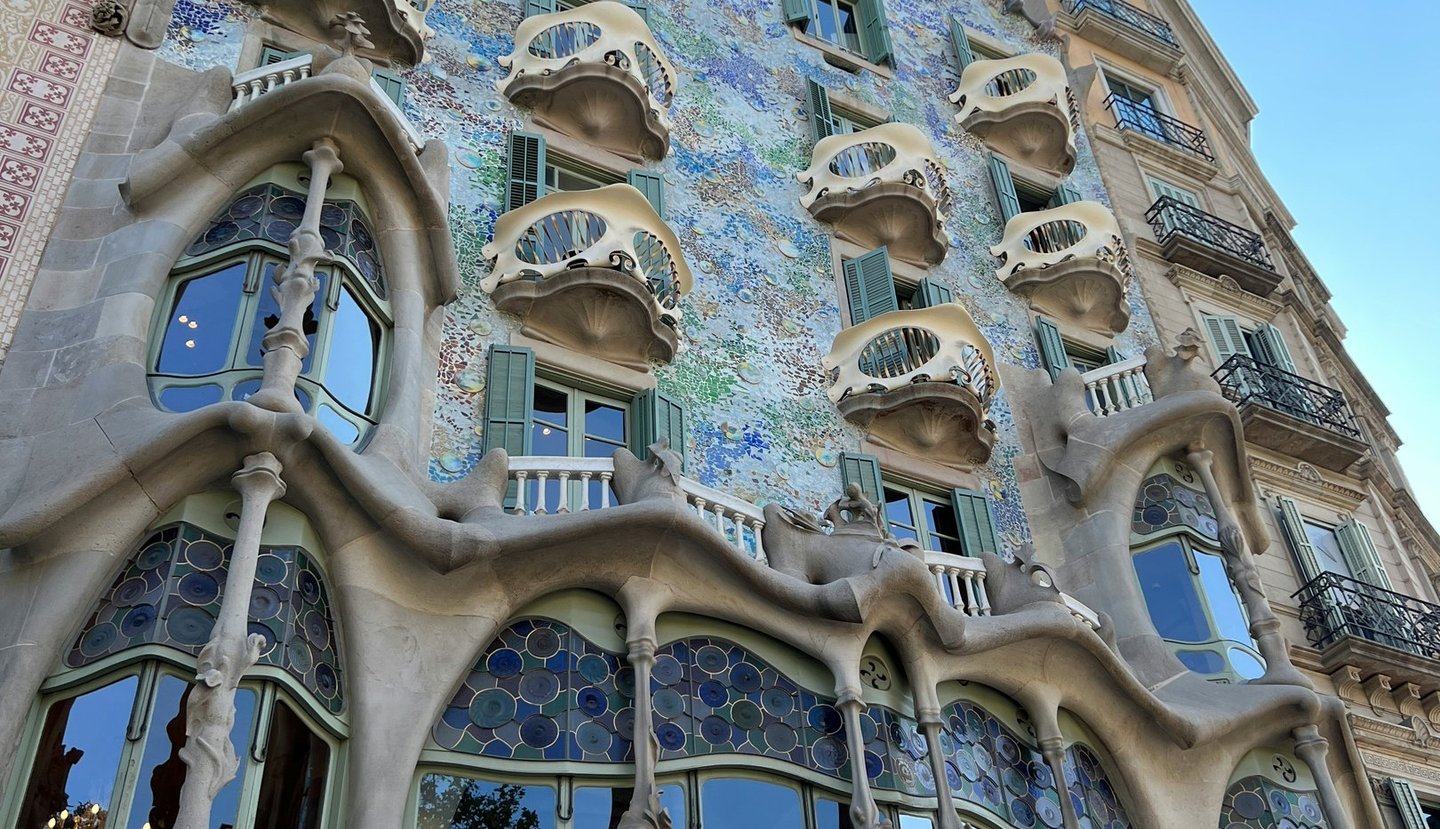
Casa Batlló's undulating dragon-scale facade, one of Gaudí's masterpieces
Medieval Gothic Quarter and Historic Neighborhoods
The Barri Gòtic's labyrinthine alleys preserve Barcelona's Roman and medieval heritage through Gothic churches, hidden plazas, and atmospheric lanes where centuries of history echo from ancient stones. The Barcelona Cathedral's Gothic grandeur anchors the quarter, while Plaça Reial's elegant arcades and palm trees provide gathering spaces. El Born's trendy boutiques, tapas bars, and the magnificent Santa Maria del Mar basilica blend history with contemporary energy. Gràcia's village-like squares, independent shops, and local atmosphere offer authentic Barcelona away from tourist crowds. These historic neighborhoods reward wandering, revealing artisan workshops, family-run bakeries, and unexpected architectural details at every turn.
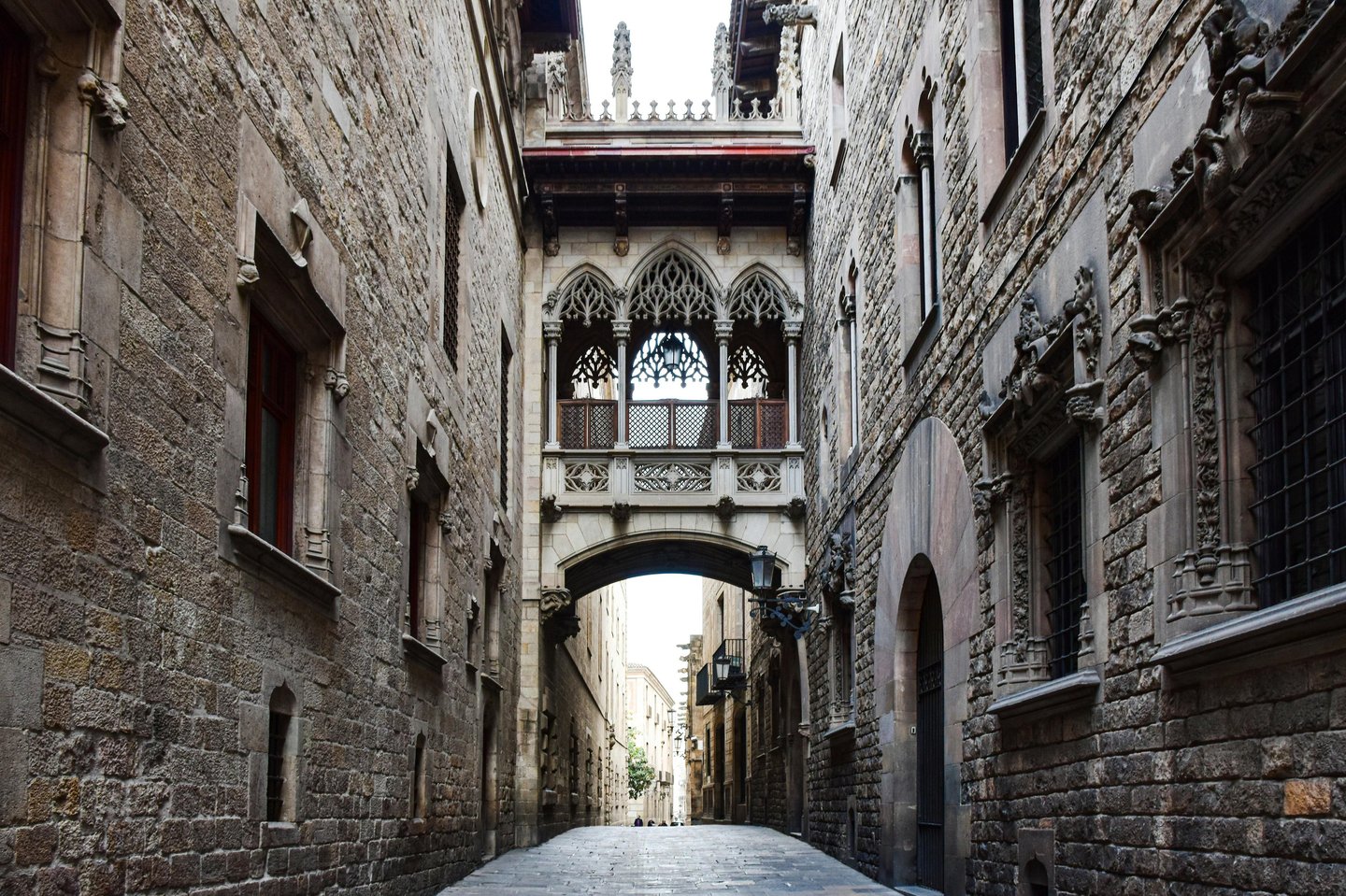
Medieval lanes in the Gothic Quarter preserve centuries of history
Mediterranean Beaches and Waterfront Promenades
Barcelona uniquely combines major European city culture with genuine Mediterranean beach life. The 4.5 kilometers of sandy beaches—from Barceloneta to Mar Bella—provide urban beach experiences with clean sands, beach bars (chiringuitos), water sports, and year-round strolling opportunities. The Port Vell waterfront transformation includes the wooden boardwalk, modern W Hotel landmark, and countless seafood restaurants serving paella, grilled fish, and fresh shellfish. Beach clubs blend lounging, cocktails, and music, while the waterfront bike path connects neighborhoods. Summer brings beach volleyball, paddleboarding, and Mediterranean swimming, while autumn and winter offer peaceful seaside walks with mountain backdrops.
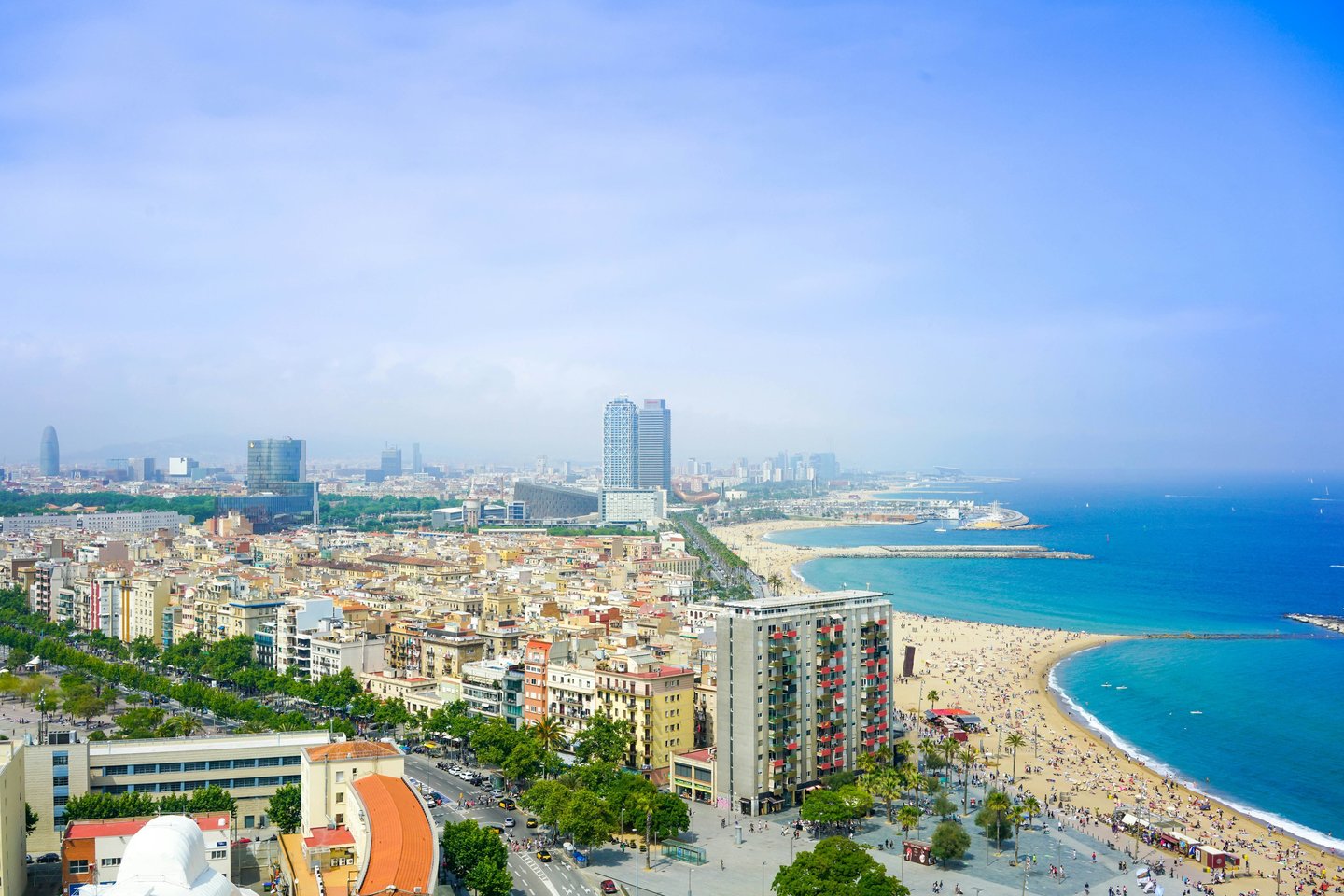
Barceloneta Beach offers 4.5 kilometers of Mediterranean coastline
Culinary Excellence from Tapas to Michelin Stars
Barcelona's food scene celebrates Catalan cuisine while embracing innovation and international influences. Traditional tapas bars serve jamón ibérico, patatas bravas, pan con tomate, and croquetas alongside local wines and vermouth. La Boqueria market's vibrant stalls overflow with fresh produce, seafood, cured meats, and prepared foods. Michelin-starred restaurants like Moments and Lasarte deliver innovative Catalan cuisine, while casual spots excel at seafood rice dishes, grilled calcots (spring onions), and butifarra sausages. The city's 24,000+ restaurants ensure culinary adventures at every budget, from hole-in-the-wall tapas joints to elegant tasting menus showcasing Catalonia's gastronomic heritage and contemporary creativity.
World-Class Museums and Artistic Heritage
Barcelona's museums showcase extraordinary artistic collections and cultural depth. The Picasso Museum traces the master's formative years through extensive holdings in Gothic palaces. The Joan Miró Foundation celebrates the Catalan surrealist's whimsical works atop Montjuïc mountain with city views. MNAC (National Art Museum of Catalonia) houses world-class Romanesque frescoes, Gothic altarpieces, and Catalan art spanning centuries. Contemporary art thrives at MACBA, while the Fundació Antoni Tàpies and countless galleries demonstrate Barcelona's ongoing artistic vitality. The combination of medieval, modernist, and contemporary art creates cultural richness that rewards art lovers and casual visitors alike.
Vibrant Street Life and Festival Culture
Barcelona's Mediterranean spirit manifests through animated street life, outdoor dining culture, and passionate festivals. Las Ramblas pulses with street performers, flower stalls, and endless human parade despite tourist crowds. Neighborhood plazas fill with families, elderly Catalans playing cards, and children playing football as locals socialize outdoors year-round. Festivals like La Mercè (September) bring giant papier-mâché figures, castellers (human towers), concerts, and fireworks citywide. Sant Jordi's Day (April 23) transforms streets into book and rose markets. The Catalan passion for life—expressed through language, food, art, and celebration—creates infectious energy that makes Barcelona feel perpetually festive.
Best Time to Visit Barcelona
Spring (April-May) - Ideal Season
Barcelona's spring offers perfect conditions with temperatures of 60-70°F (16-21°C), blooming flowers in parks, and comfortable weather for walking and sightseeing. Easter week brings religious processions and family gatherings, while Sant Jordi's Day (April 23) fills streets with book and rose vendors in Catalonia's most romantic festival. May sees fewer tourists than summer, pleasant beach weather, and outdoor terraces filling with locals enjoying vermut (vermouth) hour. Hotel rates remain reasonable, major attractions have manageable crowds, and the city feels vibrant without summer's intensity. Spring provides optimal Barcelona experiences with excellent weather and authentic local atmosphere.
Summer (June-August) - Peak Beach Season
Summer brings hot temperatures between 75-85°F (24-30°C), peak tourism, and full-on beach season with Mediterranean swimming, beach clubs, and waterfront energy. While crowds swell at major attractions and hotel rates increase, summer delivers Barcelona's most festive atmosphere with outdoor concerts, neighborhood festivals, and extended evening hours at restaurants and bars. Many locals escape August heat for vacation, creating a unique dynamic where tourists dominate but beach life thrives. Book accommodations months ahead for July-August, expect lines at popular sites, but enjoy long sunny days, warm evenings, and vibrant street life extending past midnight.
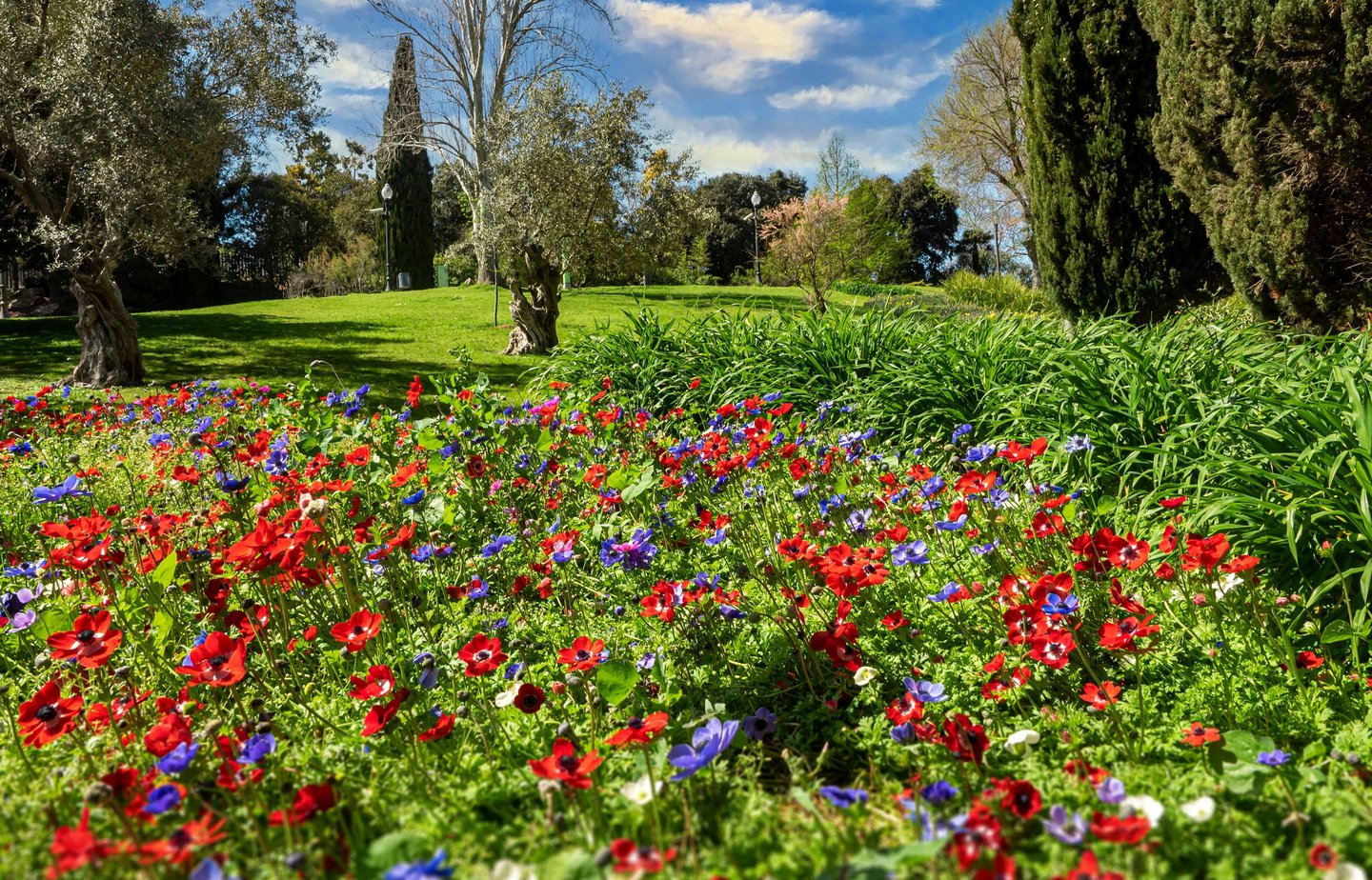
Spring brings perfect weather and blooming parks across Barcelona
Autumn (September-November) - Perfect Weather and Fewer Crowds
Fall rivals spring as Barcelona's ideal season, offering warm temperatures of 60-75°F (50-65°C) in September, cooling to 50-65°F (10-18°C) by November), fewer tourists post-summer, and the city's biggest festival—La Mercè in late September—featuring human towers, giant figures, concerts, and fireworks celebrating Barcelona's patron saint. October brings perfect conditions for sightseeing without summer heat or crowds, while November sees occasional rain but excellent hotel values. Beach weather remains pleasant through October, outdoor dining continues year-round, and autumn light beautifully illuminates Gaudí's architecture. This season offers Barcelona's best balance of weather, value, and authentic local experience.
Winter (December-February) - Budget-Friendly and Authentic
Barcelona's mild Mediterranean winters with temperatures of 45-55°F (7-13°C) rarely see snow, making year-round exploration feasible with occasional rainy days. This low season offers exceptional hotel values, short lines at major attractions, and authentic local atmosphere without tourist crowds. Christmas brings festive markets, Nativity scene displays (pessebre), and special holiday foods, while Three Kings Day (January 6) features elaborate parades. While beach swimming is unlikely and some establishments reduce hours, museums, restaurants, and most attractions operate normally. Winter provides budget-conscious travelers with Barcelona's cultural riches minus summer's heat and crowds, though pack layers for cooler evenings.
Iconic Barcelona Attractions
Sagrada Família
Gaudí's unfinished masterpiece dominates Barcelona's skyline with extraordinary basilica combining Gothic and Art Nouveau forms into organic architecture unlike anything else on Earth. Construction began in 1882 and continues today with completion projected for 2026—the centenary of Gaudí's death. The three facades tell biblical stories through intricate stone carving, while the interior's forest of columns and spectacular stained glass windows create otherworldly atmosphere where light transforms into rainbows. Visit early morning or late afternoon for the best light, book tickets online weeks in advance to avoid disappointment, and consider the audio guide explaining Gaudí's revolutionary vision. The combination of architectural innovation, spiritual grandeur, and ongoing construction creates Barcelona's most essential experience—a living testament to artistic ambition spanning generations.
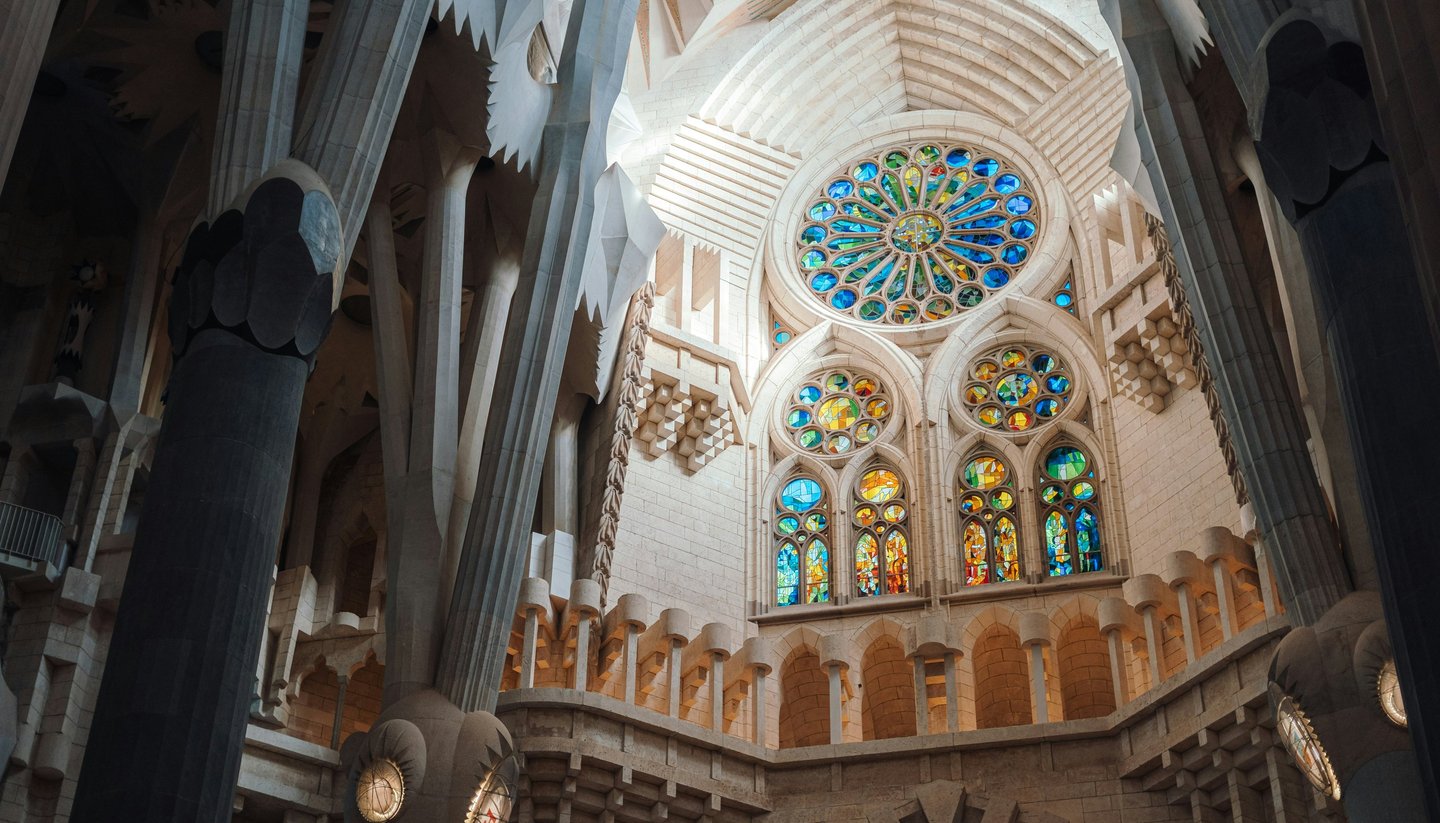
Sagrada Família's interior features forest-like columns and rainbow light
Park Güell
Gaudí's whimsical park overlooking Barcelona showcases the architect's playful genius through mosaic-covered serpent bench, gingerbread-house gatehouses, and organic architecture harmonizing with Mediterranean landscape. Originally conceived as residential development, the park became public space offering stunning city views, artistic innovation, and gardens providing escape from urban intensity. The Monumental Zone (requiring tickets) contains Gaudí's most famous works including the mosaic bench and Hypostyle Hall with its forest of columns. The free park areas offer additional exploration, viewpoints, and walking paths. Visit early morning to avoid crowds and enjoy the best light for photography. The combination of art, architecture, and panoramic views makes Park Güell essential Barcelona, though advance booking is mandatory for the Monumental Zone.
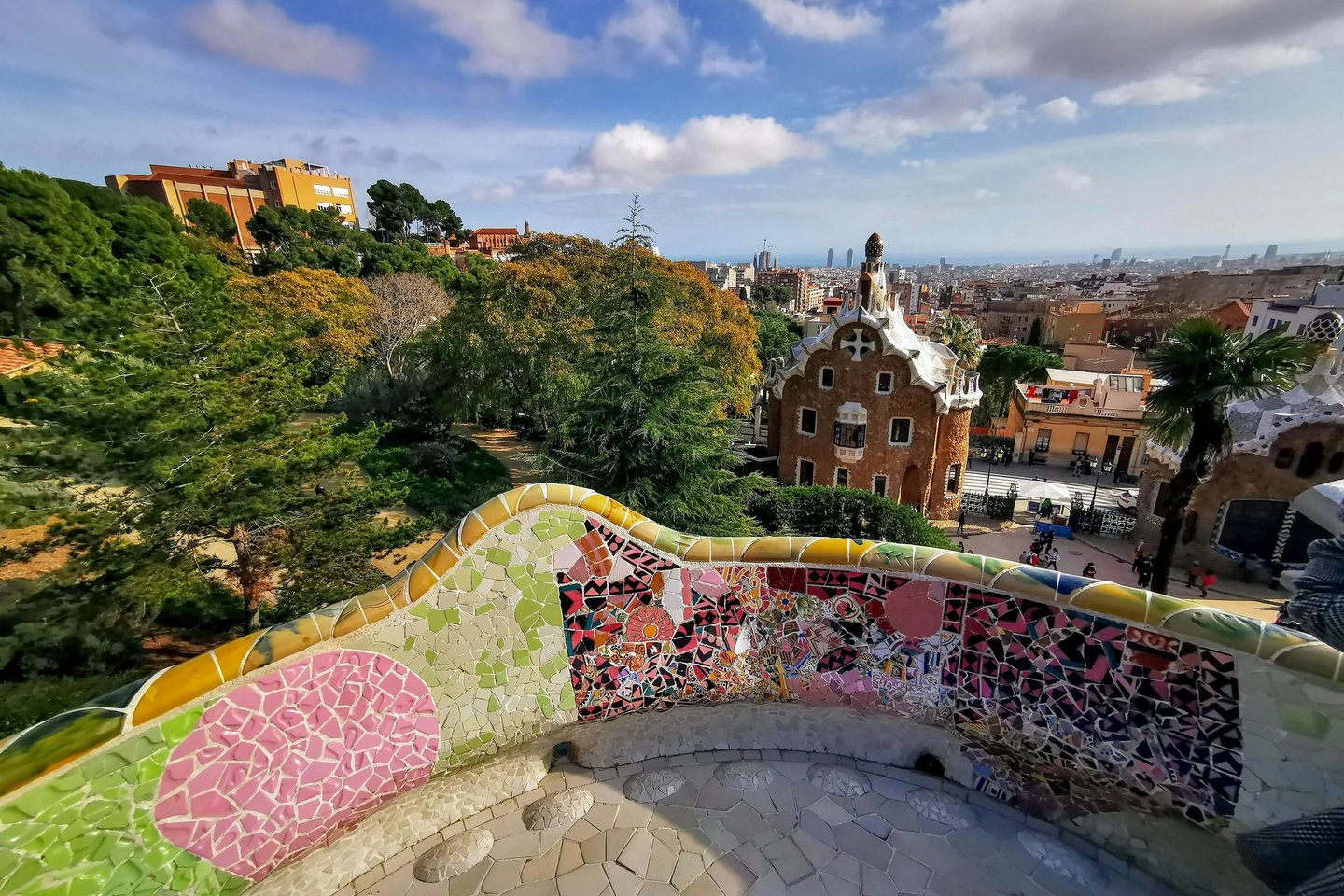
Park Güell's iconic mosaic serpent bench with city views
Gothic Quarter (Barri Gòtic)
Barcelona's medieval heart preserves 2,000 years of history through Roman walls, Gothic churches, hidden plazas, and atmospheric lanes where modern boutiques occupy centuries-old buildings. The Barcelona Cathedral's Gothic grandeur and cloister with 13 white geese anchor the quarter, while Plaça del Rei showcases medieval palaces housing the city's history museum with Roman ruins beneath. Carrer del Bisbe's neo-Gothic bridge creates one of Barcelona's most photographed scenes. The quarter rewards aimless wandering—ducking down tiny alleys reveals artisan workshops, family-run shops selling traditional products, and squares where locals gather at café terraces. While tourist crowds fill major streets, side lanes maintain authentic atmosphere and architectural surprises around every corner.
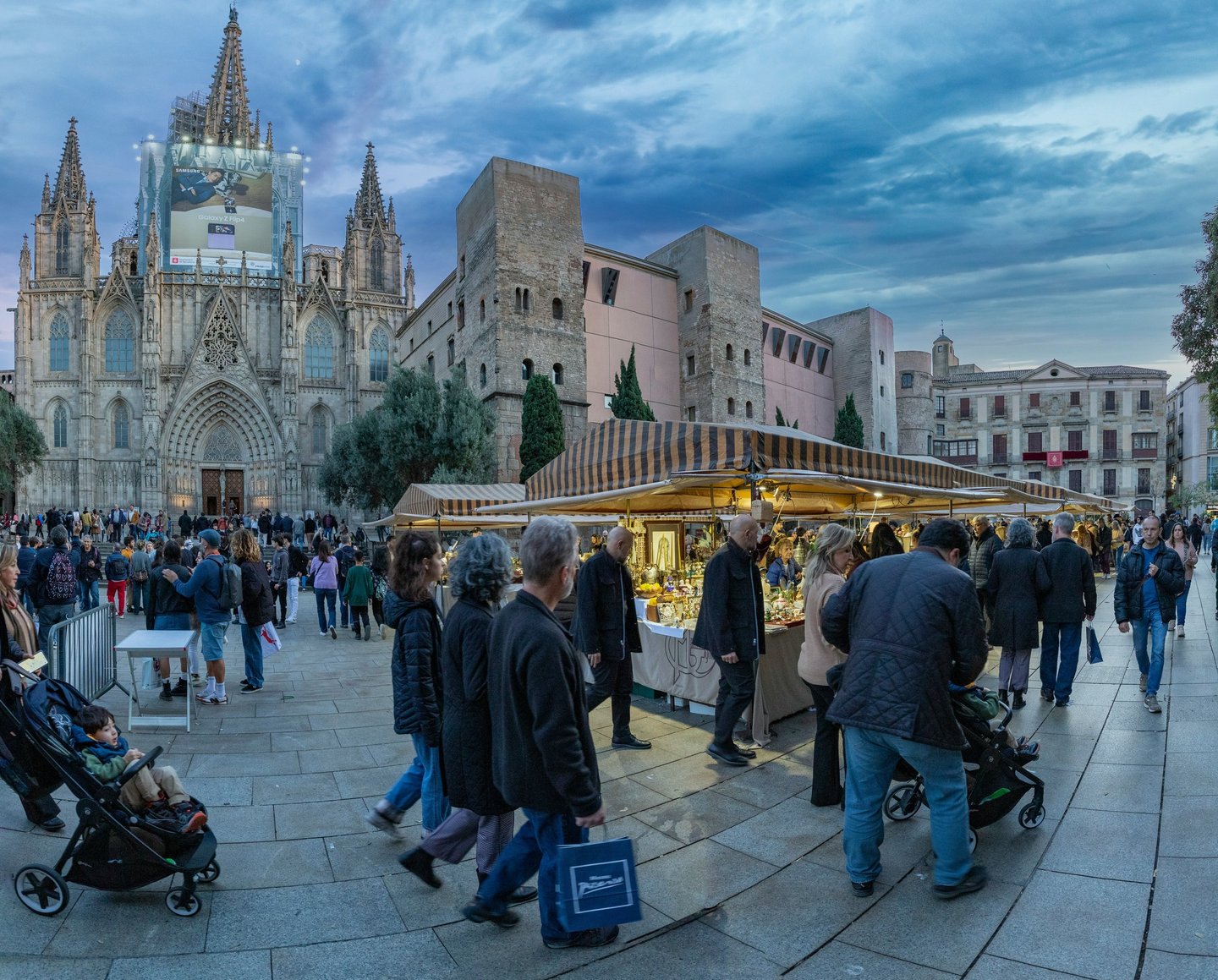
Barcelona Cathedral anchors the historic Gothic Quarter
La Rambla and La Boqueria Market
Barcelona's most famous boulevard stretches from Plaça de Catalunya to the waterfront, lined with plane trees, flower stalls, street performers, and endless human parade. While overtouristed and occasionally pickpocket-prone, Las Ramblas remains essential Barcelona for its energy, people-watching, and access to Gothic Quarter lanes branching from both sides. La Boqueria market—one of Europe's greatest food markets—overflows with vibrant produce displays, fresh seafood, cured meats, artisan cheeses, and prepared foods from fruit juices to seafood tapas. Visit early morning (before 10 AM) when locals shop and vendors prepare displays, creating more authentic atmosphere than midday tourist crowds. The market's sensory overload—colors, aromas, energy—captures Barcelona's culinary passion perfectly.
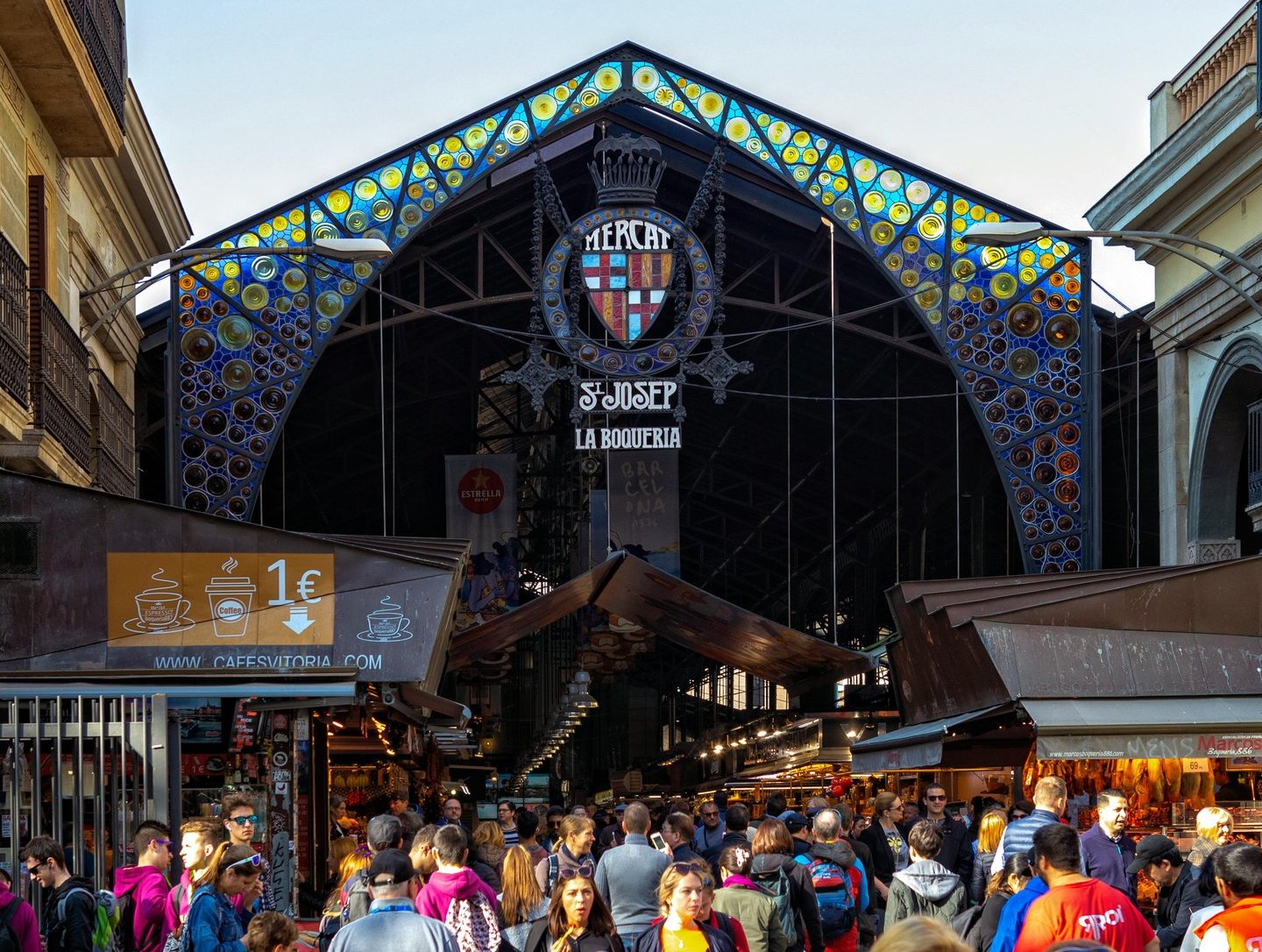
La Boqueria market showcases Barcelona's vibrant food culture
Casa Batlló and Casa Milà
These two Gaudí masterpieces on Passeig de Gràcia showcase modernist architecture at its most innovative. Casa Batlló's undulating facade resembles dragon scales with skeletal balconies, colorful mosaics, and organic forms creating fairytale appearance. The interior tour reveals Gaudí's attention to detail—from light wells maximizing illumination to furniture designed for the space—while the rooftop's chimneys and city views provide photographic opportunities. Casa Milà (La Pedrera) presents a wavy stone exterior without straight lines, while the rooftop terrace's warrior-like chimneys and panoramic views make it Barcelona's most distinctive roofscape. Both buildings offer audio-guided tours explaining Gaudí's innovations. While expensive (€25-35 each), these masterpieces justify admission through their architectural significance and immersive experiences showcasing modernist genius.
Montjuïc
This hill overlooking Barcelona's port offers museums, gardens, Olympic venues, and spectacular city views accessible by cable car or funicular. The National Art Museum of Catalonia (MNAC) houses extraordinary Romanesque frescoes and Catalan art in a magnificent palace with fountain and plaza providing iconic Barcelona photo opportunities. The Joan Miró Foundation celebrates the Catalan artist's playful works in a modernist building designed by Josep Lluís Sert. Montjuïc Castle crowns the hill with fortress history and 360-degree views, while the Olympic Stadium and surrounding venues recall Barcelona's 1992 games. The Magic Fountain's evening light and music shows (free) attract crowds, and multiple gardens provide peaceful escapes. Allocate a half-day to explore Montjuïc's cultural riches and viewpoints.
Barceloneta Beach and Waterfront
Barcelona's most famous beach combines urban accessibility with Mediterranean appeal—sandy shoreline, beach bars serving paella and sangria, water sports rentals, and promenade perfect for strolling, cycling, or rollerblading. While busy in summer, the beach offers year-round appeal with locals walking dogs, practicing beach volleyball, and swimming in warmer months. The surrounding neighborhood preserves working-class character with narrow streets, local seafood restaurants, and authentic atmosphere contrasting with waterfront's modern development. The W Hotel's distinctive sail shape marks the coastline, while Port Vell's Maremagnum shopping center and aquarium provide additional entertainment. The wooden boardwalk extending to Forum area offers several kilometers of seaside walking with mountain backdrops creating Barcelona's unique urban-beach combination.
Camp Nou and FC Barcelona Experience
The legendary stadium home to FC Barcelona—one of world football's most successful clubs—offers tours allowing visitors to walk through tunnels, visit the press room, see the chapel, and stand pitchside imagining match-day atmosphere. The FC Barcelona Museum showcases trophies, interactive exhibits, and club history celebrating legends like Messi, Cruyff, and Ronaldinho. While expensive and focused on football enthusiasts, the experience reveals Barcelona's passionate relationship with their club—"Més que un club" (More than a club)—representing Catalan identity. Match tickets (when available) provide unforgettable experiences witnessing devoted fans and world-class football. Non-football fans can skip this, but sports enthusiasts find it essential Barcelona despite the hefty admission price.
Where to Stay in Barcelona
Luxury: El Palace Barcelona (Eixample)
This 1919 landmark hotel epitomizes Barcelona elegance with Art Deco details, sophisticated rooms featuring marble bathrooms and luxury amenities, rooftop pool with city views, and Michelin-starred Moments restaurant celebrating Catalan cuisine. The central Eixample location provides walking access to Passeig de Gràcia's modernist architecture while maintaining quiet residential atmosphere. Impeccable service, historic grandeur, and contemporary comfort create quintessential luxury Barcelona experience. The rooftop terrace and bar offer spectacular sunset views over the city. Rates from €400-700 per night reflect five-star excellence and prime location.
Luxury: Hotel Arts Barcelona (Waterfront)
This 44-story beachfront tower offers contemporary luxury with spectacular Mediterranean and city views, two Michelin-starred restaurants including Enoteca (Paco Pérez's celebrated spot), six swimming pools including rooftop infinity pool, direct beach access, and stylish rooms featuring floor-to-ceiling windows. The location between beach and city provides the best of both worlds—seaside tranquility with quick metro access to attractions. Frank Gehry's golden fish sculpture marks the waterfront nearby. The hotel attracts international sophisticates seeking modern luxury and beach proximity. Rates from €450-800 per night deliver exceptional service, design, and location.
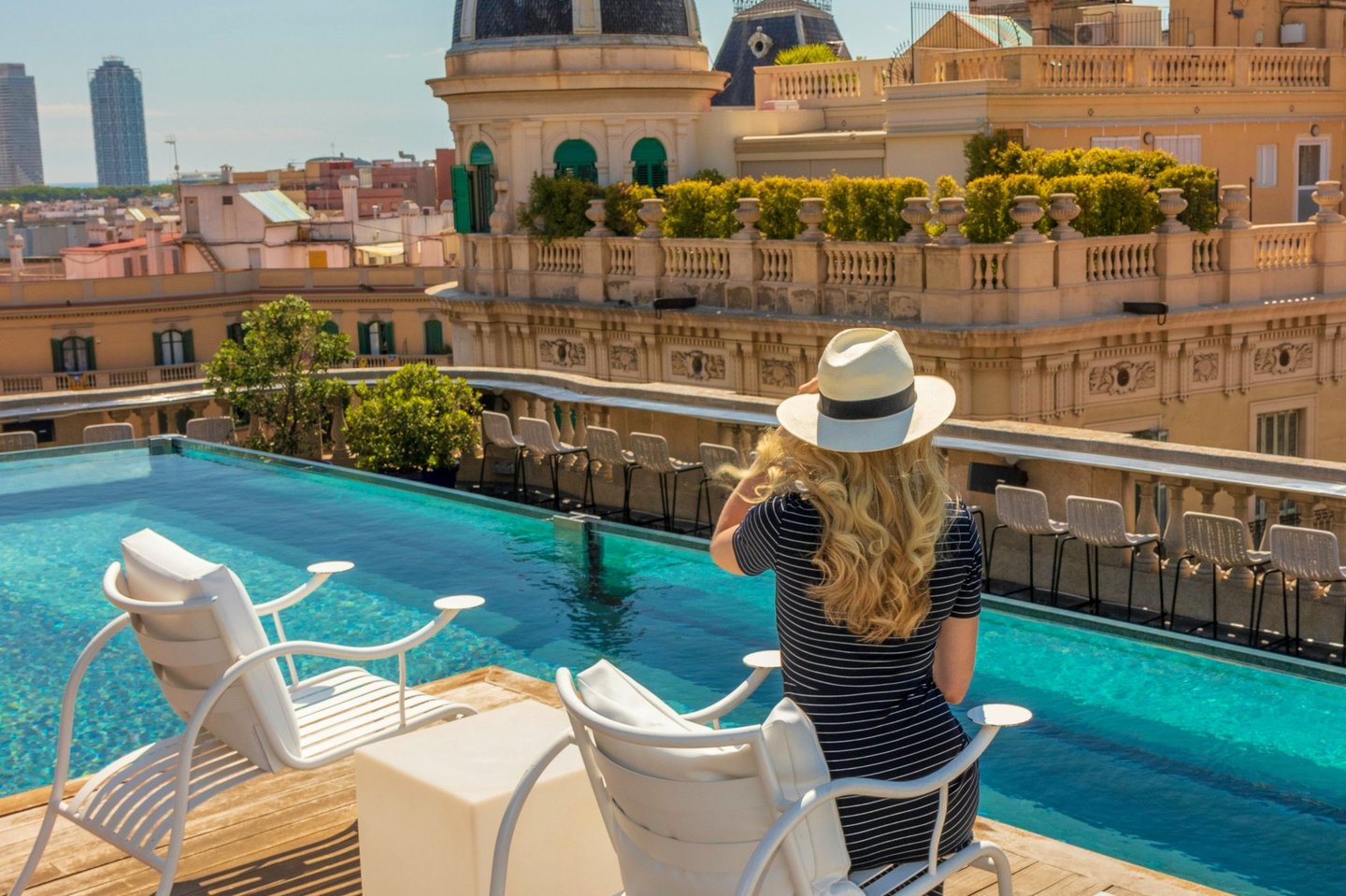
Luxury Barcelona hotels offer stunning city and Mediterranean views
Mid-Range: Hotel Praktik Rambla (Gothic Quarter Edge)
This design-forward boutique hotel near Plaça de Catalunya combines contemporary style with excellent value through compact but well-designed rooms, rooftop terrace providing Gothic Quarter views, complimentary wine hour, and perfect location accessing both old city and modernist Eixample. The decor showcases Catalan design with local artwork and modern amenities. Staff provide excellent local recommendations, breakfast (extra) features quality products, and the overall vibe attracts design-conscious travelers seeking character without luxury prices. Rates from €120-200 per night offer style and location rarely found at this price point.
Mid-Range: Hotel Pulitzer Barcelona (Near Plaça de Catalunya)
This contemporary hotel's central location provides walking access to Las Ramblas, Gothic Quarter, and Passeig de Gràcia while maintaining modern comfort through sleek rooms, rooftop terrace with small pool and bar, fitness center, and stylish public spaces. The neutral design, efficient service, and practical amenities appeal to travelers prioritizing location and comfort over historic charm or design experimentation. The rooftop becomes social hub with city views and cocktails. Breakfast buffet offers quality international options. Rates from €140-220 per night deliver reliable four-star comfort in prime location.
Budget-Friendly: Sant Jordi Hostels Rock Palace (Gràcia)
This highly-rated hostel in bohemian Gràcia neighborhood offers private rooms alongside dorms, rooftop terrace with city views, organized activities including tapas tours and club nights, communal kitchen, and social atmosphere attracting young international travelers. The location in residential Gràcia provides authentic Barcelona experience away from tourist center while maintaining good metro connections. While basic, the facilities are clean, staff friendly, and vibe fun. Private rooms with ensuite bathrooms (€60-90) provide budget accommodation, while dorms (€25-35 per bed) offer ultra-affordable Barcelona access.
Budget-Friendly: Hotel Jazz (Eixample)
This practical three-star hotel near Plaça de Catalunya delivers surprising value through rooftop pool with city views, modern rooms with air conditioning and decent bathrooms, included breakfast buffet, and location providing easy access to major attractions. While lacking charm or design distinction, it offers clean comfort, reliable service, and excellent amenities (the rooftop pool!) at budget-friendly rates. The surrounding Eixample neighborhood provides authentic dining options and architectural interest. Rates from €80-140 per night make it excellent value for Barcelona's high-season pricing.
Book on Booking.com | Expedia | Trip.com
Find tours on GetYourGuide
Barcelona Culinary Highlights
Barcelona's culinary scene celebrates Catalan cuisine's unique character while embracing innovation and international influences. The city's 24,000+ restaurants ensure extraordinary food at every budget, from traditional tapas bars to avant-garde tasting menus.
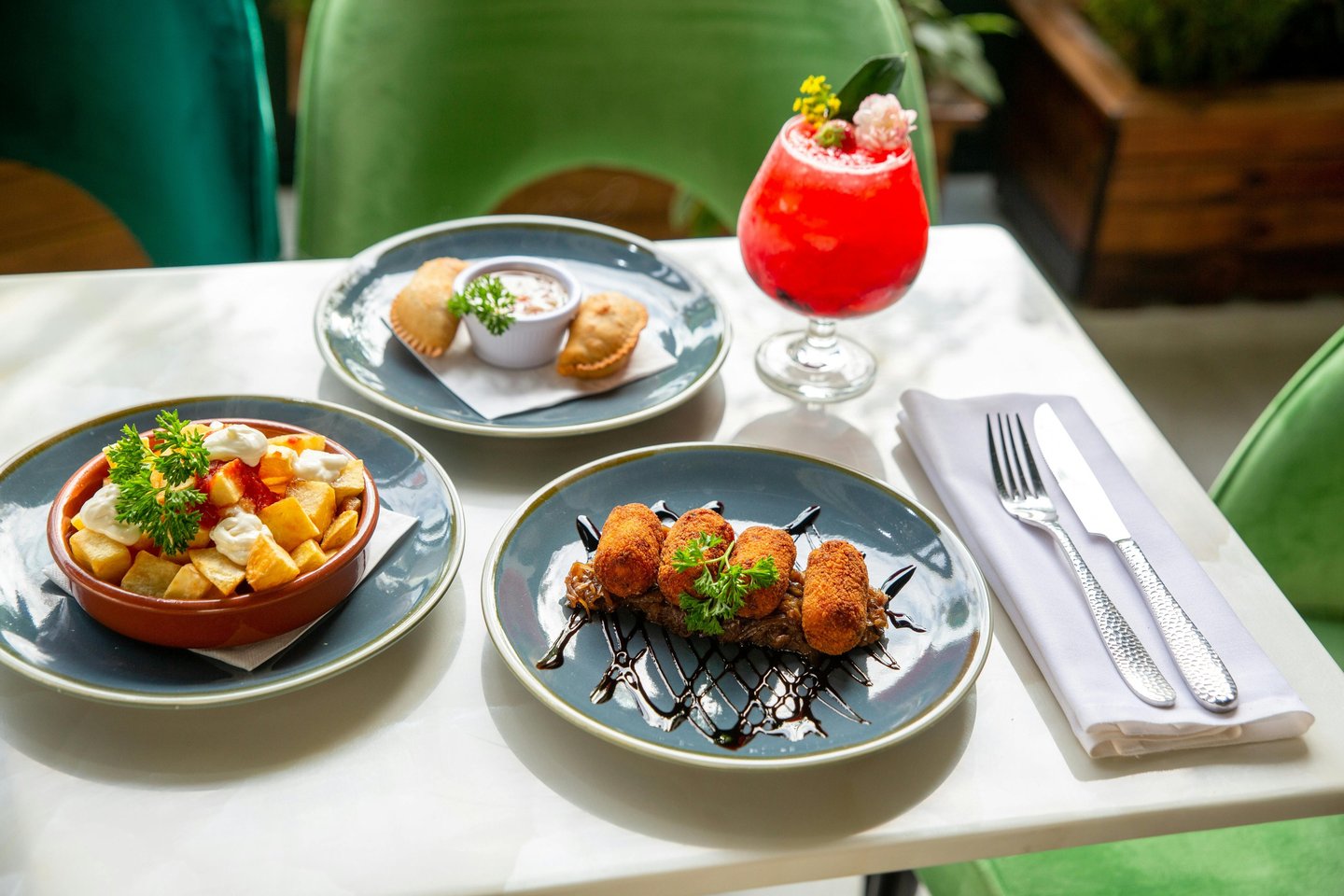
Traditional Catalan tapas showcase the region's culinary heritage
Tapas and Pintxos Culture
Experience Barcelona's social eating tradition through small plates shared over drinks at countless tapas bars. Classic offerings include patatas bravas (fried potatoes with spicy sauce), pan con tomate (tomato-rubbed bread with olive oil), jamón ibérico (acorn-fed ham), pulpo a la gallega (Galician octopus), boquerones (marinated anchovies), and croquetas (creamy croquettes). Pintxos bars serve Basque-style small bites on bread skewers. Outstanding traditional spots include Cal Pep in El Born for seafood tapas, Quimet & Quimet near Montjuïc for creative montaditos, and Bodega Montferry for authentic neighborhood atmosphere. Order several dishes to share, embrace standing at crowded bars, and enjoy Barcelona's convivial eating culture where food fuels conversation.
Vermouth and Bodega Culture
Barcelona's vermouth renaissance celebrates this fortified wine through dedicated vermuteries and traditional bodegas. Vermut hour (typically noon-2 PM on weekends) brings locals to neighborhood bars for glasses of sweet or dry vermouth served with siphon soda, ice, and olives alongside tapas or tinned seafood. Bodega Montferry, La Vinya del Senyor, and Morro Fi preserve atmospheric traditions with aged bottles, marble bars, and local clientele. This quintessentially Barcelonan ritual provides authentic cultural experience and introduction to Catalan social customs.
La Boqueria and Market Culture
Barcelona's markets showcase Catalan food culture through vibrant displays and quality products. La Boqueria—La Rambla's famous market—offers prepared foods at central stands (huevos con setas, fresh juice, seafood tapas) alongside vendors selling pristine produce, seafood, cured meats, and cheeses. Santa Caterina market in El Born provides similar experience with less tourist density, while Mercat de Sant Antoni (recently renovated) attracts locals shopping for daily ingredients. Visit markets before 10 AM for authentic atmosphere, sample seasonal produce, and observe Barcelona's food obsession in action.
Catalan Cuisine Specialties
Discover Catalonia's unique dishes including calcots (spring onions) grilled over flames and dipped in romesco sauce (seasonal winter/spring), butifarra amb mongetes (pork sausage with white beans), suquet de peix (Catalan fish stew), escalivada (roasted vegetables), and crema catalana (custard with caramelized sugar topping resembling crème brûlée). Restaurants like 7 Portes (established 1836) and Can Culleretes (Barcelona's oldest, from 1786) preserve traditional recipes, while modern spots like Moments and Cinc Sentits elevate Catalan cuisine through innovative techniques. Sunday lunch traditions include paella or fideuà (similar dish with noodles instead of rice) at beachfront restaurants.
Michelin-Starred Innovation
Barcelona's fine dining scene earned 25 Michelin stars across numerous restaurants demonstrating Catalan cuisine's evolution. Moments (two stars) at El Palace Hotel celebrates Catalan traditions through seasonal tasting menus showcasing regional products. Lasarte (three stars) delivers Martín Berasategui's Basque-influenced perfection. Disfrutar (two stars) brings avant-garde creativity from former El Bulli chefs. These experiences justify €150-300 per person prices through ingredient quality, technical precision, and creative ambition demonstrating Barcelona's position in global gastronomy. For special occasions, these restaurants deliver unforgettable culinary experiences.
Practical Barcelona Tips
Language
Catalan and Spanish are both official languages, with Catalan preferred by locals demonstrating regional pride. Most Barcelona residents speak some English in tourist areas, though learning basic Spanish or Catalan phrases (bon dia for "good morning," gràcies for "thank you") earns appreciation. Catalonia's independence movement influences local attitudes—avoid calling the language "Spanish" (it's "Catalan" and "Castilian Spanish"), and show respect for regional identity. Restaurant menus increasingly appear in Catalan first, though staff assist with translations.
Transportation
The metro system efficiently connects major attractions with six color-coded lines operating 5 AM-midnight weekdays (later on weekends). Purchase T-Casual cards (10 rides for ~€12) or unlimited Hola Barcelona passes (2-5 days) for best value. Buses complement metro service, while historic trams serve Montjuïc area. The city is very walkable—central attractions span reasonable distances for on-foot exploration. Taxis are abundant and reasonably priced for late nights or tired feet. Avoid driving in Barcelona—parking is expensive, traffic challenging, and public transport more efficient.
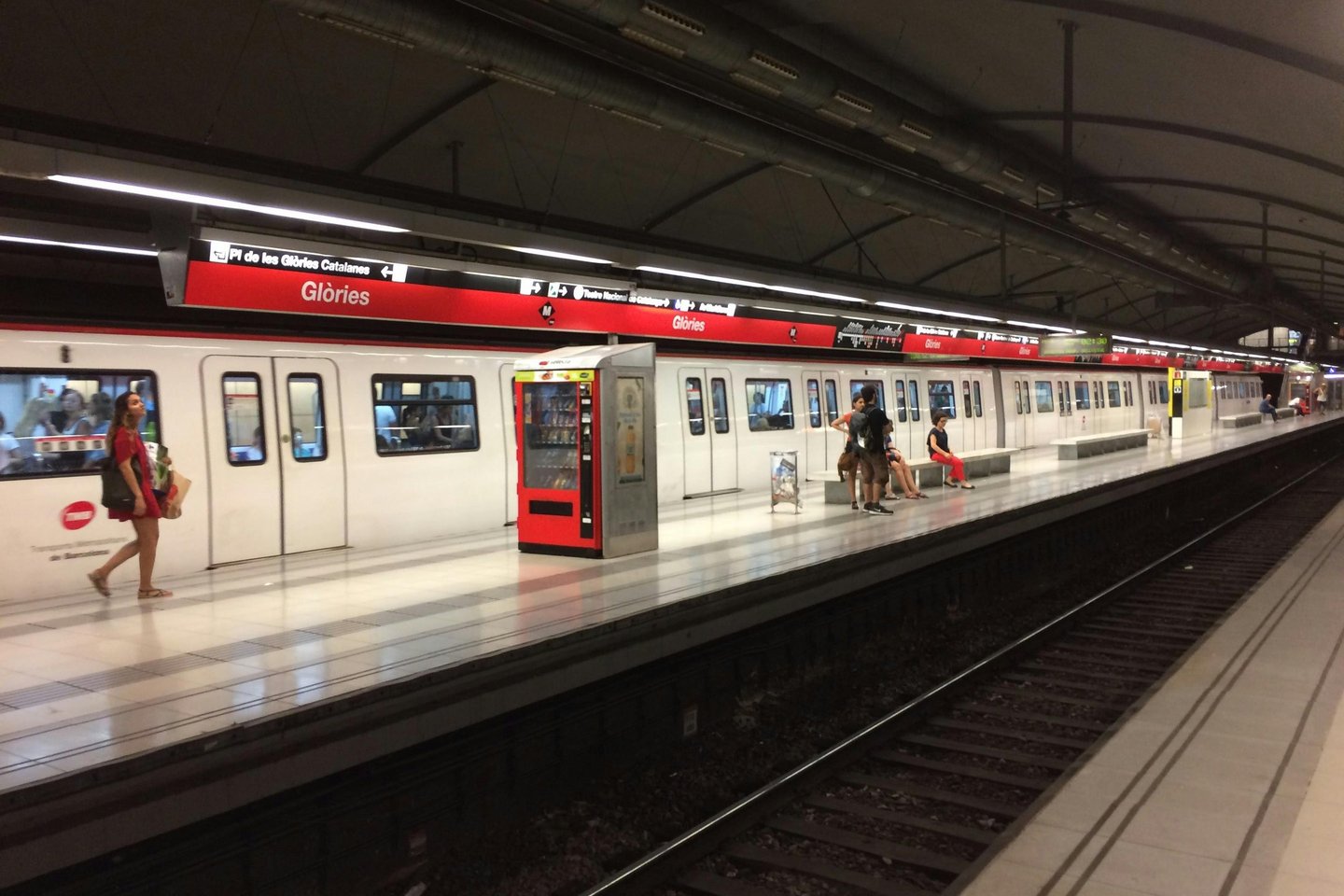
Barcelona's efficient metro system connects all major attractions
Safety and Pickpockets
Barcelona remains generally safe but suffers from endemic pickpocketing targeting tourists in crowded areas like Las Ramblas, metro stations, and major attractions. Use anti-theft bags or money belts, keep valuables secure, stay alert in crowds, and avoid displaying expensive cameras, phones, or jewelry unnecessarily. Common scams include distraction techniques, fake petition signers, and card game con artists. Report thefts to police immediately for insurance purposes. Most locals are honest and helpful, but tourist concentration attracts opportunistic criminals. Simple precautions prevent most incidents.
Siesta and Dining Hours
Many shops close 2-5 PM for siesta, particularly in residential neighborhoods, though tourist areas maintain continuous hours. Restaurants serve lunch 1-4 PM and dinner 8:30-11 PM, with Barcelonans eating later than most Europeans (9 PM is normal dinner time). Many restaurants close Sunday evenings and Mondays. Bars and cafés operate throughout the day. Adjust to local schedules—breakfast is light (coffee and pastry), lunch is the main meal, and dinner starts late. Attempting early dinner (6 PM) finds many restaurants closed or empty except for tourists.
Festivals and Closures
Barcelona's numerous festivals bring street celebrations but may affect opening hours. La Mercè (late September) features citywide festivities with closures for parade routes. Sant Jordi (April 23) fills streets with book and rose vendors. Christmas and August see many restaurants and shops close as locals vacation. Check major festival dates before booking, as they either enhance visits with cultural experiences or create crowds and closures. Most museums close Mondays, while some attractions require advance booking (Sagrada Família, Park Güell's Monumental Zone).
Money
Spain uses the euro, with ATMs widely available. Credit cards work at most restaurants and shops, though small establishments and markets prefer cash. Tipping is not mandatory—rounding up bills or leaving 5-10% for good service is appreciated but not expected. Barcelona is moderately expensive compared to other Spanish cities but reasonable compared to Northern Europe. Budget €40-60 daily for food (mid-range), €15-25 for attraction tickets, plus accommodation costs.
Beach Etiquette and Nudity
Barcelona's beaches welcome everyone with relaxed Mediterranean atmosphere. Topless sunbathing is common and accepted, while nude sunbathing occurs at specific beaches (Mar Bella has designated nude area). Beach bars serve alcohol and food—perfectly acceptable to have beer or sangria while sunbathing. Watch belongings on beaches as theft occurs, use beach lockers when swimming, and never leave valuables unattended. Beaches provide showers, bathrooms, and water sports rentals. Lifeguards patrol main beaches during summer season.
Respecting Catalan Identity
Understanding Catalonia's complex relationship with Spain enriches Barcelona experiences. Catalans speak Catalan (not a dialect but distinct language), celebrate separate traditions, and many support independence from Spain. Respect these sensitivities by not assuming everything "Spanish"—Catalonia has unique culture, history, and identity. The 2017 independence referendum and subsequent Spanish government response created tensions visible in yellow ribbons and political graffiti. Stay neutral in political discussions, but appreciate that regional pride runs deep and influences everything from language to festivals to football rivalries (FC Barcelona vs Real Madrid represents Catalonia vs Spain).
Barcelona rewards every type of traveler—whether you seek architectural masterpieces, Mediterranean beaches, culinary adventures, artistic treasures, or simply the vibrant energy of Catalonia's captivating capital. The city's combination of Gaudí's whimsical modernism and Gothic grandeur, coastal beauty and cosmopolitan sophistication, Catalan tradition and contemporary creativity creates a destination that consistently exceeds expectations. From your first glimpse of Sagrada Família's otherworldly spires to your final sunset over the Mediterranean, from tapas-hopping through El Born to dancing until dawn in beachfront clubs, Barcelona delivers moments of wonder, beauty, and joy that will draw you back again and again to this remarkable corner of the Mediterranean.
Hotels • Apartments • Vacation Rentals • Travel
Compare hotels on Expedia | Find curated tours on GetYourGuide
“© 2025-2026. All rights reserved.
This blog may contain affiliate links, which means I might earn a small commission, at no extra cost to you, if you decide to make a booking through one of these links. I only recommend products and services I actually use or genuinely believe will bring value. For more information visit http://paidforadvertising.com. Thank you for your support!
Affiliate Disclosure

Important Links
Continents
Find Us Here
Follow Us
Welcome to The Gilded Globe, your premier guide to crafting journeys that are seamless as they are extraordinary. We believe that travel is not just about the destination, it's about the richness of the experience - from the first spark of inspiration to the memories you bring home.