
SINGAPORE: WHERE FUTURISTIC VISION MEETS CULTURAL HARMONY
Asia's Modern Garden City-State
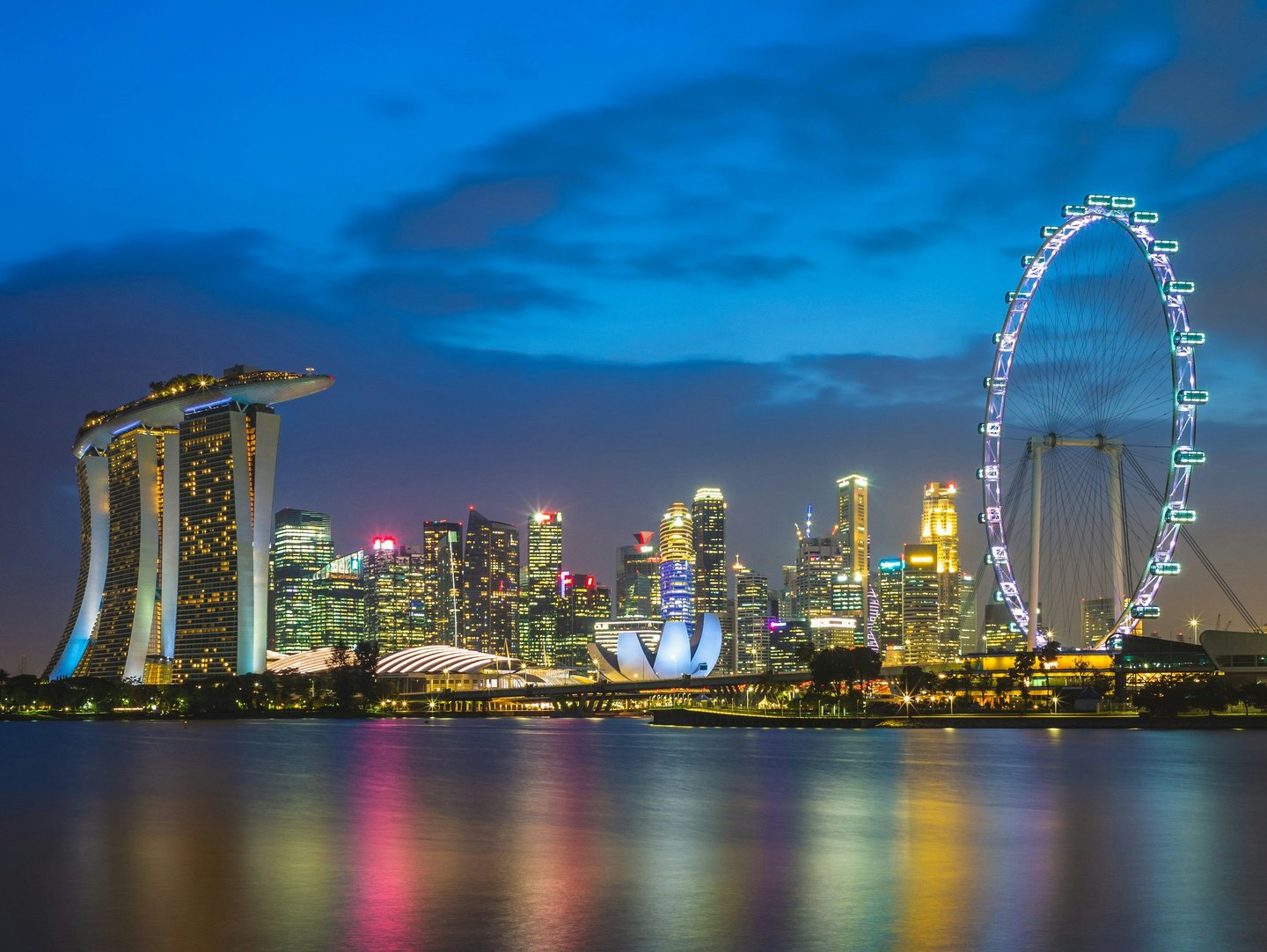
Singapore dazzles as one of the world's most remarkable urban achievements, where a tiny island nation of just 734 square kilometers has transformed itself into a gleaming metropolis that seamlessly blends futuristic architecture with lush tropical gardens, ancient temples with ultramodern shopping malls, and diverse Asian cultures within spotless, efficient, safe environment. This extraordinary city-state of 5.9 million people offers the iconic Marina Bay Sands with its rooftop infinity pool overlooking the skyline, Gardens by the Bay's Supertrees creating science-fiction landscapes, colonial architecture preserving British heritage, vibrant ethnic neighborhoods showcasing Chinese, Malay, Indian, and Peranakan cultures, and hawker centers serving world-class street food at budget prices—all governed by systems that make Singapore one of the world's safest, cleanest, most organized cities.
Beyond its famous skyline and tourist attractions, Singapore captivates with genuine multiculturalism where Buddhist temples stand beside mosques and Hindu shrines, where Mandarin, Malay, Tamil, and English all hold official status, and where Chinese New Year, Hari Raya, Deepavali, and Christmas all receive public holiday status. The tropical island maintains extensive green spaces earning its "Garden City" nickname through comprehensive urban planning, while the efficient MRT system, walkable neighborhoods, and English proficiency make navigation effortless. From the colonial elegance of Raffles Hotel to the neon-lit streets of Chinatown, from Michelin-starred hawker stalls to rooftop bars overlooking the spectacular skyline, Singapore delivers first-world infrastructure and safety with Asian soul and flavors, creating a destination that works beautifully for families, first-time Asia visitors, luxury travelers, and food enthusiasts alike.
Or compare on Booking.com
Why Visit Singapore
Iconic Modern Architecture and Urban Design
Singapore's skyline showcases architectural ambition through buildings that have become global icons. Marina Bay Sands—three towers connected by a rooftop SkyPark featuring the world's highest infinity pool—defines contemporary Singapore and offers 360-degree city views from 57 floors up. Gardens by the Bay's climate-controlled conservatories (Flower Dome and Cloud Forest) and 18-story Supertrees covered in vertical gardens create landscapes from science fiction. The ArtScience Museum's lotus-inspired design, the durian-shaped Esplanade theaters, and Jewel Changi Airport's indoor waterfall and forest demonstrate Singapore's commitment to architecture as art. The skyline particularly impresses at night when buildings illuminate and the nightly light show (Spectra) projects across Marina Bay. The combination of cutting-edge design, engineering excellence, and visual spectacle makes Singapore a showcase for 21st-century urbanism.
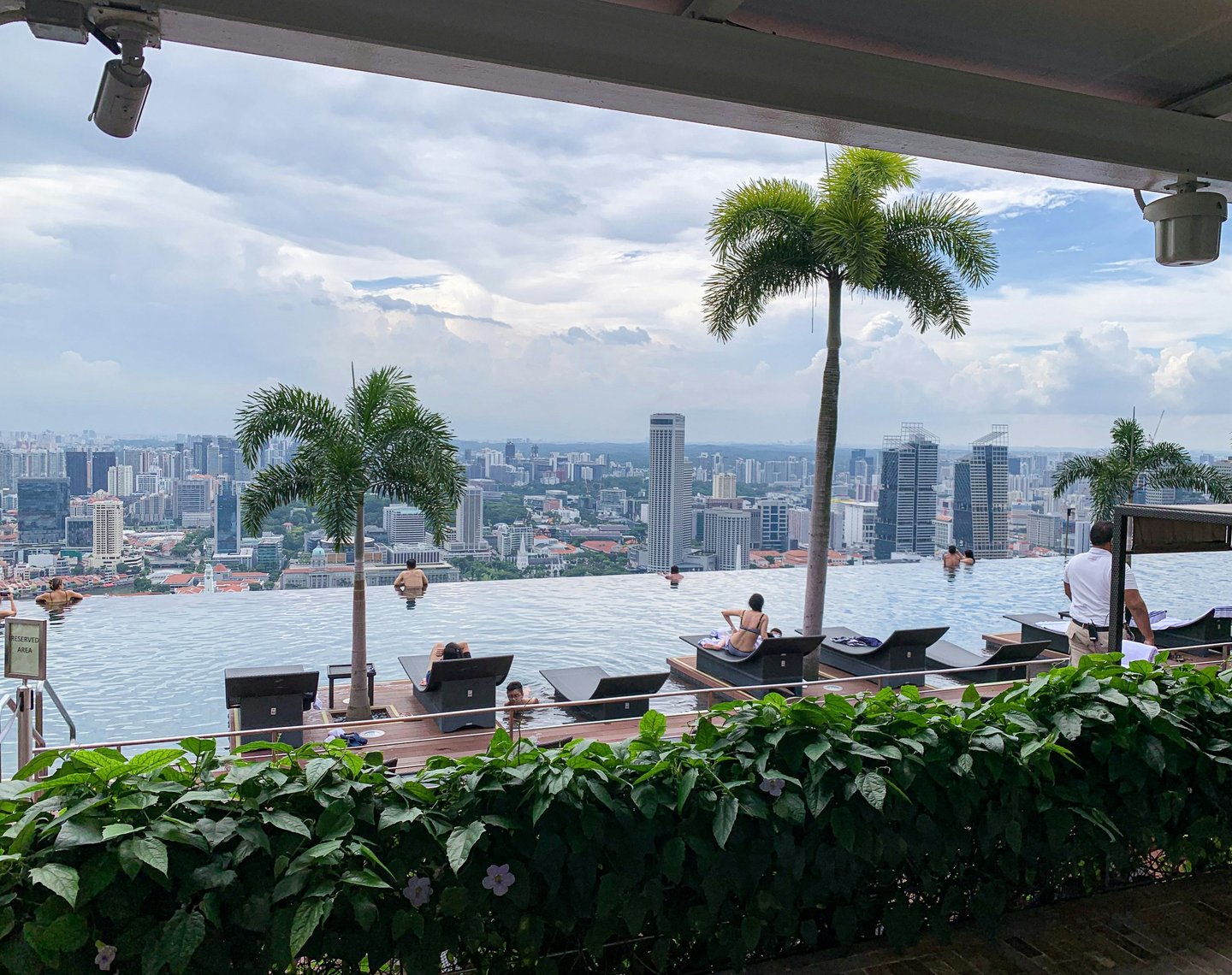
MarinaBay Sands' rooftop infinity pool offers spectacular views
World-Class Hawker Food and Culinary Excellence
Singapore earned UNESCO Intangible Cultural Heritage status for its hawker culture, where independent stalls in government-run centers serve exceptional food at $3-6 per dish. Hawker Chan Soya Sauce Chicken Rice became the world's cheapest Michelin-starred meal at $2 per plate. Hawker centers offer incredible variety—Chinese, Malay, Indian, Peranakan (Straits Chinese), and fusion cuisines all competing for customers through quality and value. Signature dishes include Hainanese chicken rice, chili crab, laksa (spicy coconut noodle soup), char kway teow (fried noodles), roti prata (Indian flatbread), and satay (grilled meat skewers). Beyond hawker food, Singapore boasts numerous Michelin-starred restaurants, innovative fusion cuisine, and dining experiences from rooftop restaurants to restaurants-in-parks. The combination of diversity, quality, affordability, and cleanliness makes Singapore a food paradise.
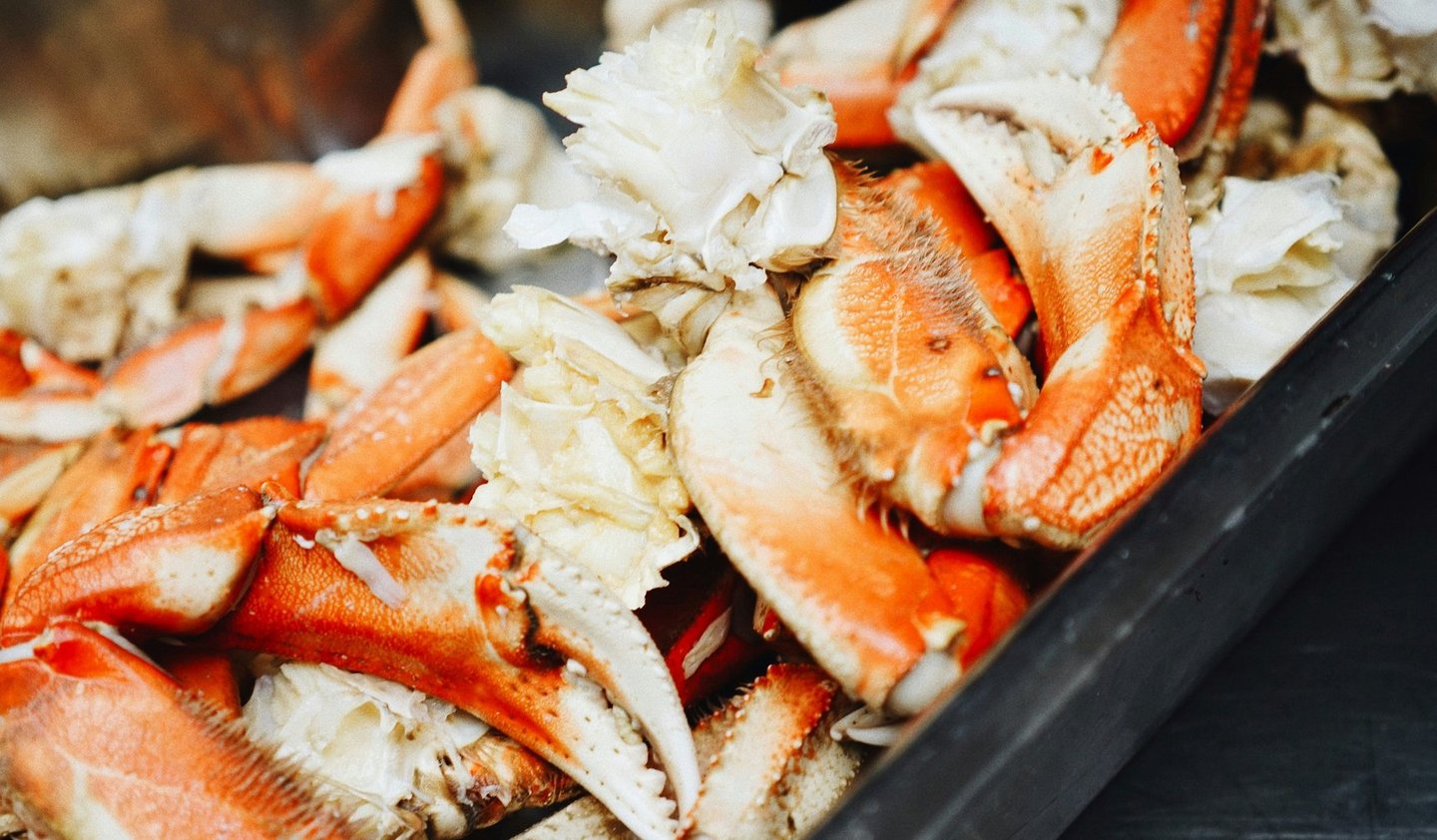
Hawker centers serve world-class food at budget prices
Safety, Cleanliness, and Efficiency
Singapore consistently ranks among the world's safest cities with extremely low crime rates making solo travel, family travel, and late-night activities comfortable. The famous strict laws (chewing gum restrictions, littering fines, drug penalties) create immaculately clean public spaces, functioning systems, and orderly society. The MRT subway system runs efficiently with air conditioning, clear signage in English, and connections to all major areas. Taxis are honest and metered, Grab app provides ride-hailing convenience, and walking infrastructure includes covered walkways protecting from tropical sun and rain. English as an official language and lingua franca means communication poses minimal challenges. The reliability, cleanliness, and ease make Singapore ideal for travelers who want Asian experiences without chaotic developing-world challenges—perfect for first-time Asia visitors, families with children, or those valuing convenience.
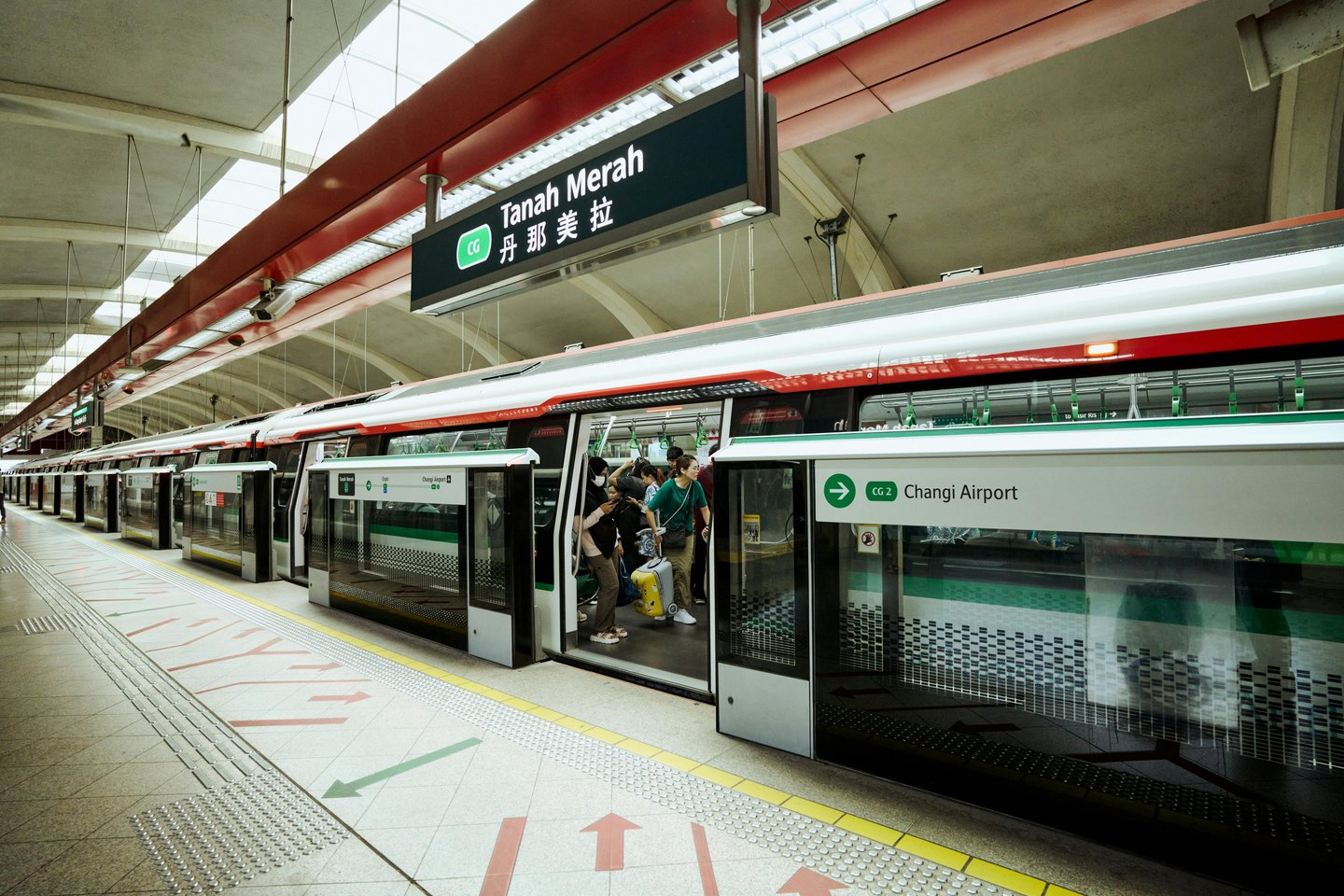
Singapore's efficient MRT system and clean streets make exploration effortless
Multicultural Neighborhoods and Heritage
Singapore's ethnic diversity creates distinct neighborhoods each preserving unique cultural character. Chinatown features Chinese temples, traditional medicine shops, and colonial shophouses now housing trendy bars and restaurants. Little India explodes with color through sari shops, flower garlands, Hindu temples, and aromatic spices. Kampong Glam (Arab Quarter) centers on Sultan Mosque with Malay and Middle Eastern influences through textiles, cafés, and street art. The Peranakan (Straits Chinese) culture showcased in Katong and museums demonstrates unique Southeast Asian fusion. These neighborhoods aren't Disney recreations but living communities where temples function for worship, shops serve locals, and traditional businesses continue alongside modern cafés. The authentic multiculturalism—people actually living these cultures, not performing for tourists—provides genuine cultural experiences.
Family-Friendly Attractions and Activities
Singapore excels as family destination through attractions designed for children without sacrificing adult interest. Universal Studios Singapore offers thrill rides and shows on Sentosa Island. The Singapore Zoo, Night Safari, and River Wander showcase wildlife in naturalistic settings with excellent educational programming. Gardens by the Bay's children's garden provides water play and educational exhibits. Science Centre Singapore offers interactive exhibits. Sentosa Island combines beaches, hotels, attractions, and cable car access. The ease of transport, safety, English language, and clean facilities make traveling with children stress-free compared to many Asian destinations. The combination of education, entertainment, and convenience explains Singapore's popularity with families.
Strategic Hub for Southeast Asian Exploration
Singapore's Changi Airport—consistently ranked world's best—and location make it ideal base or stopover for Southeast Asian adventures. Cheap flights and short flight times connect to Bangkok (2.5 hours), Bali (2.5 hours), Vietnam, Malaysia, Philippines, and Myanmar. The efficient airport, transit facilities, and even a free city tour for long layovers make Singapore excellent stopover destination. Many travelers use Singapore to bookend beach vacations in Indonesia or Thailand, or as comfortable contrast to more chaotic regional cities. The combination of easy connections, world-class airport, and comfortable urban environment makes Singapore natural Southeast Asian hub.
Best Time to Visit Singapore
Year-Round Tropical Climate
Singapore sits just 1 degree north of the equator delivering consistently hot and humid weather year-round with temperatures 25-32°C (77-90°F) and high humidity (75-90%). The tropical climate means no dramatic seasonal variations—Singapore stays warm, humid, and periodically rainy throughout the year. This consistency makes Singapore a year-round destination where timing matters less than in seasonal climates. The heat and humidity feel intense for visitors from temperate climates, but comprehensive air conditioning in hotels, malls, MRT trains, and restaurants provides constant cool refuge. Covered walkways connect many downtown areas allowing comfortable walking despite tropical conditions.
Northeast Monsoon (December-March) - Wetter Season
The northeast monsoon brings more frequent afternoon thunderstorms and occasional prolonged rainy periods, though "rainy season" doesn't mean constant rain—most days feature sunshine with afternoon showers. December-January see highest rainfall but also coincide with Western winter holidays making this peak tourist season despite weather. Chinese New Year (late January to mid-February, dates vary) brings festive atmosphere, decorations, and special foods but also means some shops close for several days and hotels raise rates. The combination of holiday periods and school vacations keeps December-February busy despite increased rainfall. Rain typically arrives as intense but brief tropical downpours rather than all-day drizzle—indoor attractions, shopping malls, and covered areas provide plenty to do during storms.
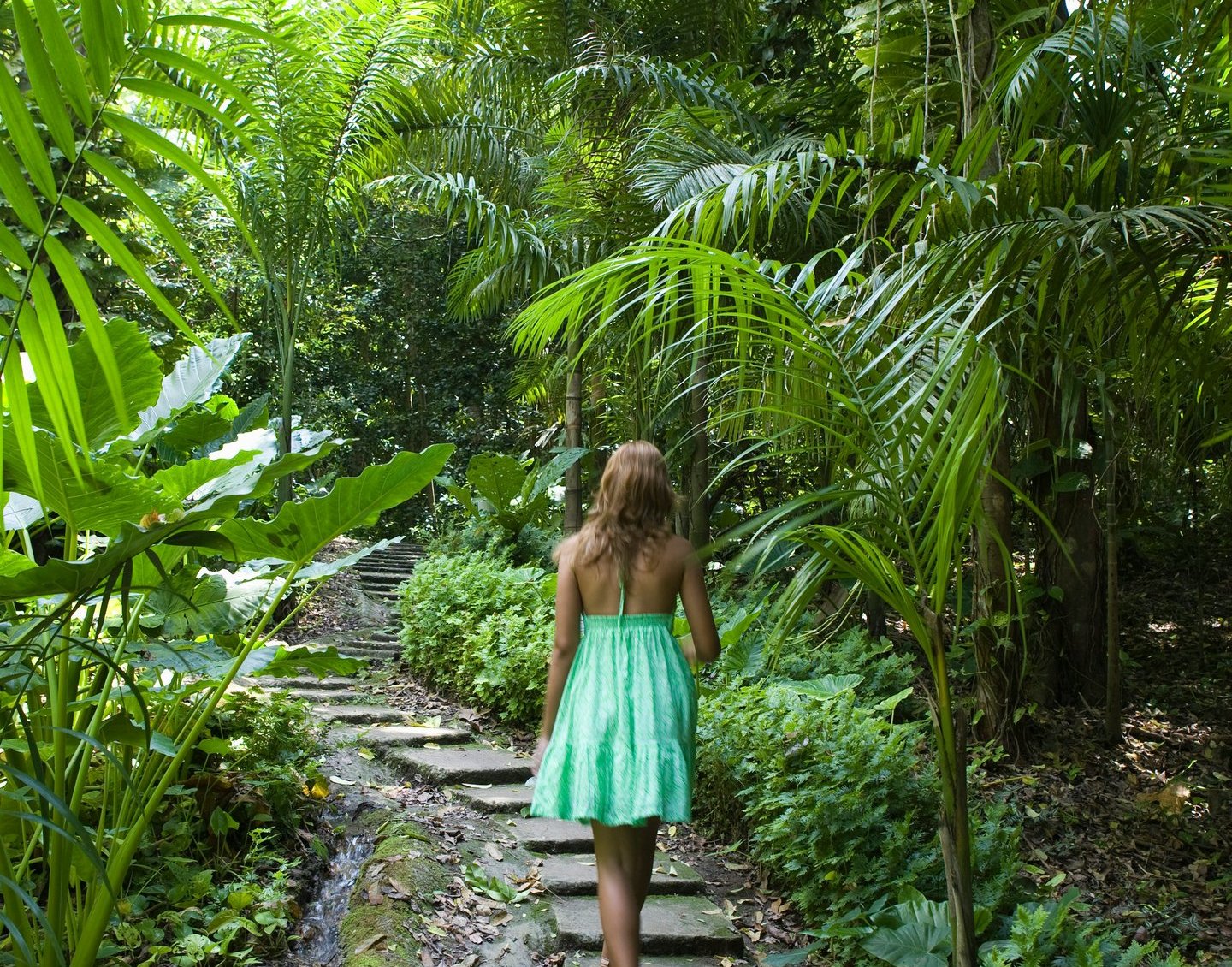
Singapore's tropical climate remains consistently warm year-round
Southwest Monsoon (June-September) - Drier Season
The southwest monsoon brings relatively drier conditions with less frequent rain, though afternoon thunderstorms still occur regularly. The "dry" designation is relative in tropical climate—you'll still experience rain, just less frequently than monsoon season. This period sees fewer tourists than December-February, slightly better hotel rates, and all attractions fully operational. The consistently warm temperatures (25-32°C / 77-90°F) and humidity (75-90%) feel similar year-round with no significant temperature variations between seasons. The slightly lower rainfall and fewer crowds make June-September marginally preferable for visitors who can choose timing.
Best Overall Time
Singapore works year-round with minimal seasonal variation making "best time" largely personal preference. Avoid Chinese New Year if you want all restaurants and shops open (though the festive atmosphere has appeal). June-September offer marginally drier conditions and fewer crowds. December-February bring holiday atmosphere and festive decorations despite higher tourist numbers. The consistent climate means Singapore fits into travel plans any time without weather concerns—just expect tropical heat, humidity, and possibility of afternoon thunderstorms regardless of season. The excellent indoor attractions, air conditioning everywhere, and covered walkways make weather a minor consideration compared to destinations with dramatic seasonal variations.
Iconic Singapore Attractions
Marina Bay Sands and SkyPark
This iconic integrated resort dominates Singapore's skyline through three 55-story towers connected by a rooftop SkyPark shaped like a ship. The 150-meter-long infinity pool on the 57th floor (hotel guests only) offers spectacular city views while swimming. The SkyPark Observation Deck ($26 SGD, open to public) provides 360-degree views of Marina Bay, Gardens by the Bay, and downtown skyline. Below, the resort includes luxury shopping, celebrity chef restaurants, nightclubs, theaters, and casino. The nightly light and water show Spectra projects from Event Plaza in front of the hotel. The architecture by Moshe Safdie makes Marina Bay Sands Singapore's most recognizable building and Instagram-famous location. Visit observation deck at sunset to see the city transition from day to night, or book hotel stay for infinity pool access—the views justify the premium room rates.
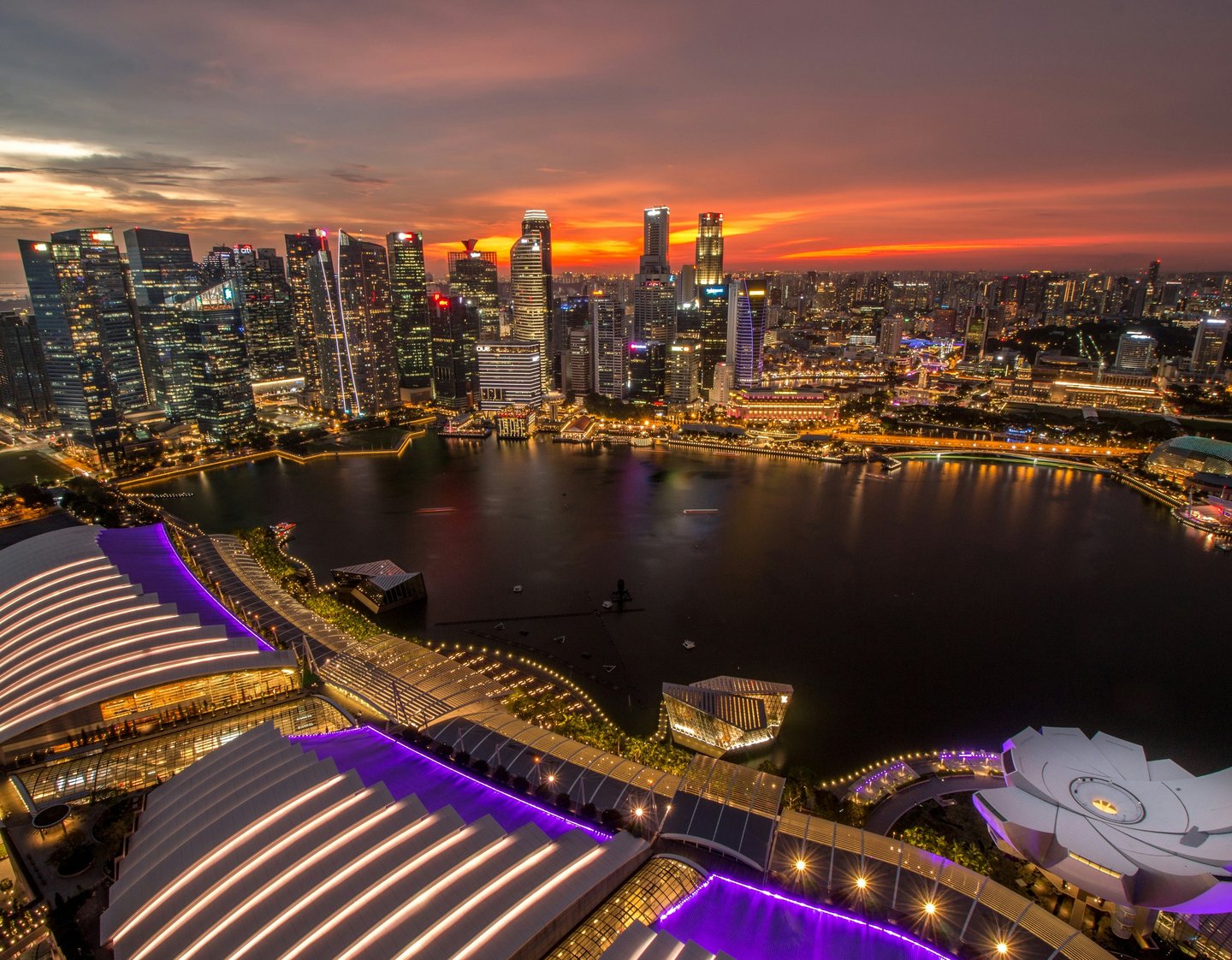
Marina Bay Sands defines Singapore's modern skyline
Gardens by the Bay
This 101-hectare park represents Singapore's "Garden City" vision through futuristic displays combining nature and technology. The iconic Supertrees—18-story vertical gardens covered in ferns, vines, and flowers—create otherworldly landscape especially spectacular when illuminated nightly (Garden Rhapsody light show at 7:45 PM and 8:45 PM). The Flower Dome (world's largest glass greenhouse) displays Mediterranean and semi-arid plants in climate-controlled comfort, while the Cloud Forest conservatory features 35-meter indoor waterfall and mountain covered in plants from tropical highlands. The OCBC Skyway suspended walkway between Supertrees provides elevated views. Entry to outdoor gardens is free; conservatories charge admission ($28 SGD for both). The combination of innovative design, engineering, botanical diversity, and free access makes Gardens by the Bay essential Singapore experience. Visit late afternoon to see gardens in daylight, stay for evening light show.
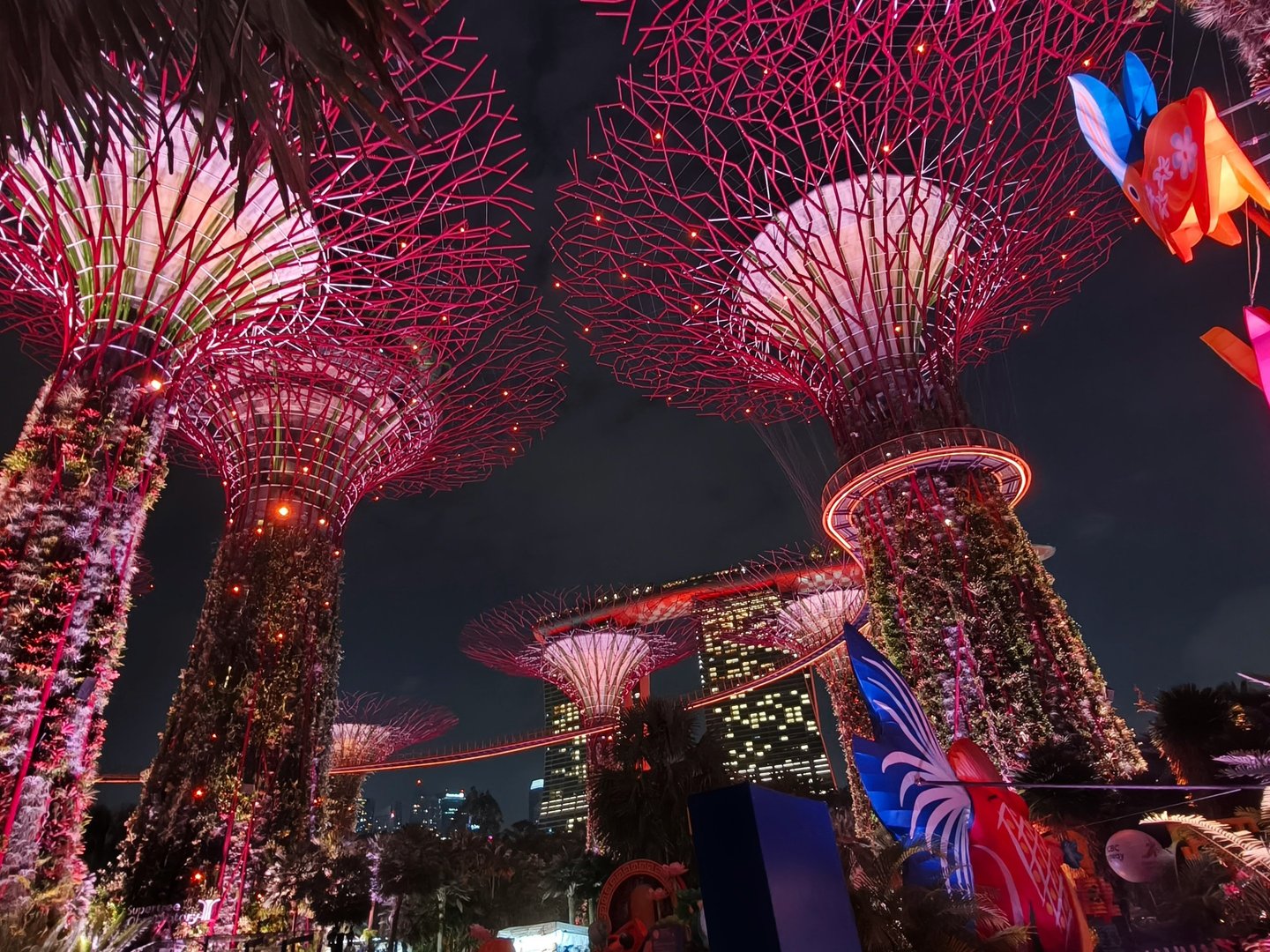
Gardens by the Bay's Supertrees create futuristic landscapes
Sentosa Island
This resort island off Singapore's southern coast combines beaches, hotels, attractions, and entertainment creating comprehensive leisure destination. Universal Studios Singapore offers thrill rides and shows based on movies and characters. S.E.A. Aquarium displays over 100,000 marine animals in massive oceanarium. Adventure Cove Waterpark provides pools, slides, and snorkeling with tropical fish. Beaches (Siloso, Palawan, Tanjong) offer swimming and water sports though Singapore's beaches don't compare to Thailand or Indonesia. Cable car access from mainland provides scenic arrival. Sentosa works well for families wanting multiple attractions in one location and for visitors seeking resort atmosphere without leaving Singapore. Budget full day or overnight stay—the island offers enough to fill extended visit.
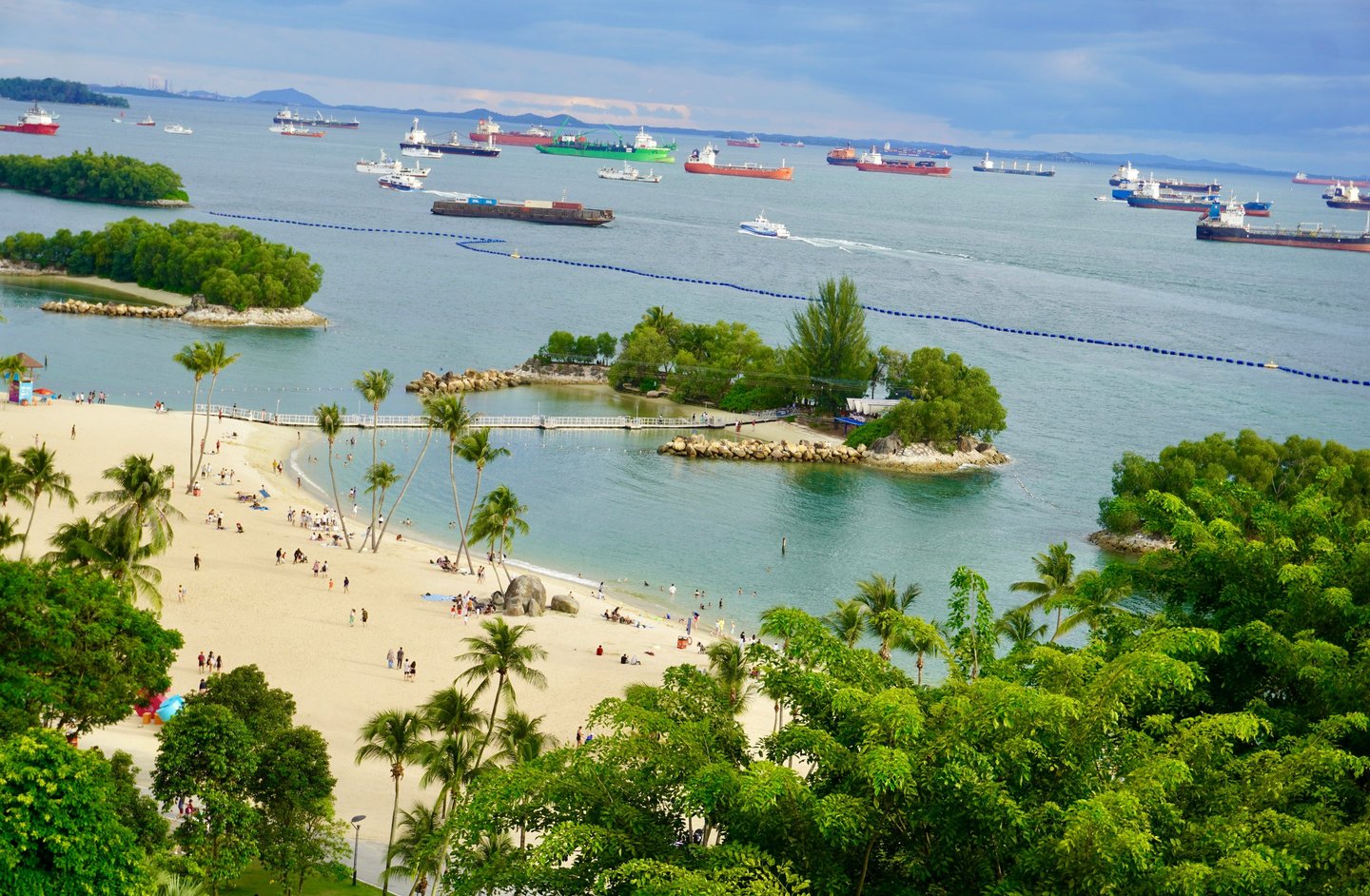
Sentosa Island offers beaches and family attractions
Chinatown and Heritage Districts
Singapore's Chinatown preserves Chinese heritage through temples, traditional shops, and colonial shophouses now housing restaurants and bars. The Buddha Tooth Relic Temple displays sacred Buddhist relics in ornate building with rooftop garden. The Chinatown Heritage Centre museum reveals immigrant life in restored shophouses. Nearby Little India explodes with color through sari shops, spice vendors, and temples—the Sri Veeramakaliamman Temple demonstrates South Indian architecture. Kampong Glam (Arab Quarter) centers on golden-domed Sultan Mosque with Malay and Middle Eastern influences through textiles, shisha cafés, and Haji Lane's street art and boutiques. These neighborhoods provide cultural depth beyond Singapore's modern facade, showcasing the multiculturalism that defines the city-state. Walking tours reveal details and history, while independent exploration allows discovering shops, temples, and eateries.
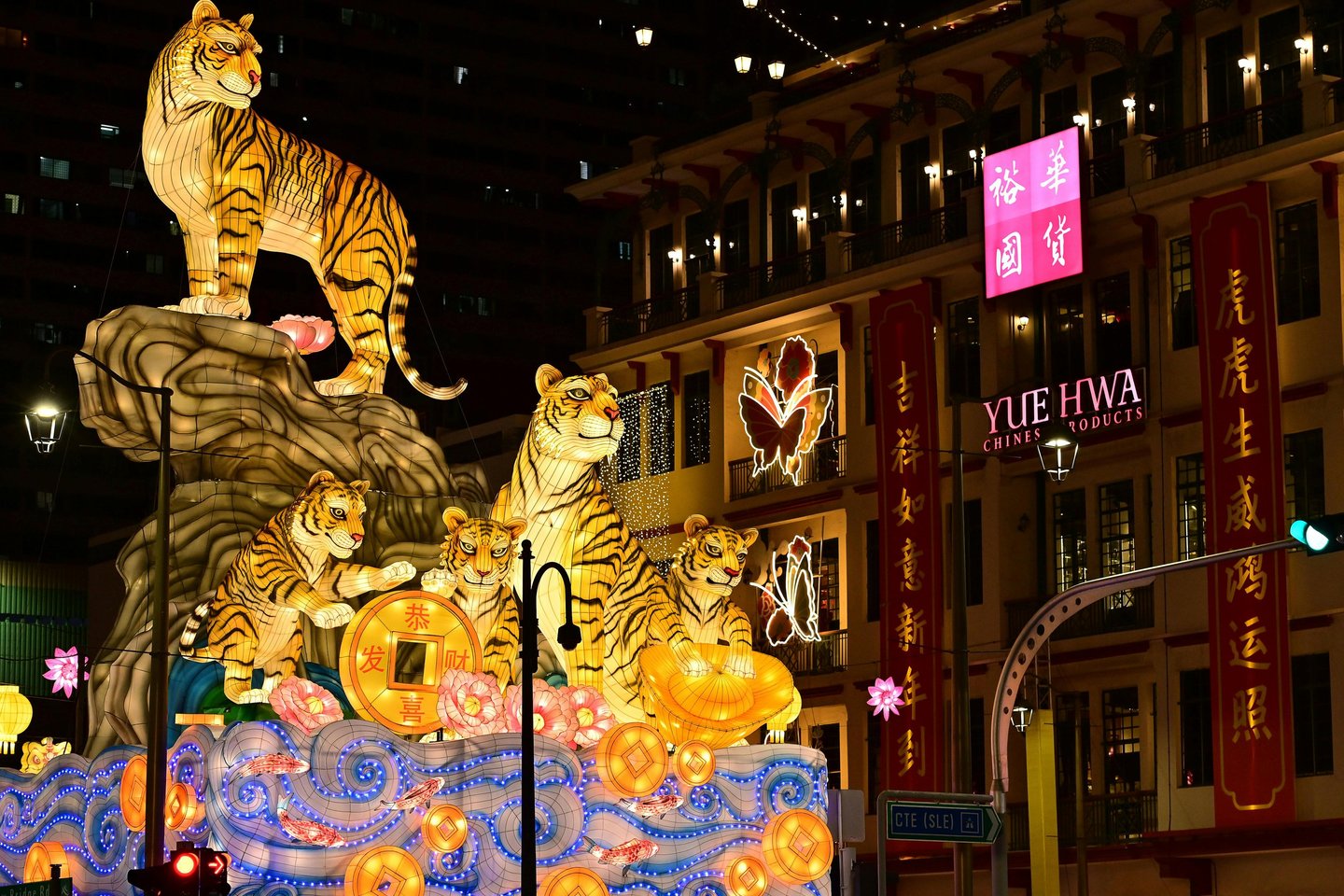
Historic neighborhoods showcase Singapore's multicultural heritage
Singapore Zoo and Night Safari
Widely considered among the world's best zoos, Singapore Zoo showcases over 2,800 animals in naturalistic enclosures emphasizing open concepts rather than cages. The tropical setting allows outdoor exhibits year-round. Animal shows (elephants, sea lions, rainforest creatures) provide education and entertainment. The adjacent Night Safari (world's first nocturnal zoo) opens 7:15 PM for tram rides through habitats showing animals in nighttime activity. River Wonders (formerly River Safari) displays freshwater species including giant pandas. The combination of animal welfare, natural settings, educational programming, and family-friendly facilities makes the zoo complex worth half-day or full-day visit. Located in northern Singapore (30 minutes from downtown by MRT and bus), the zoo suits families and animal lovers willing to venture beyond city center.
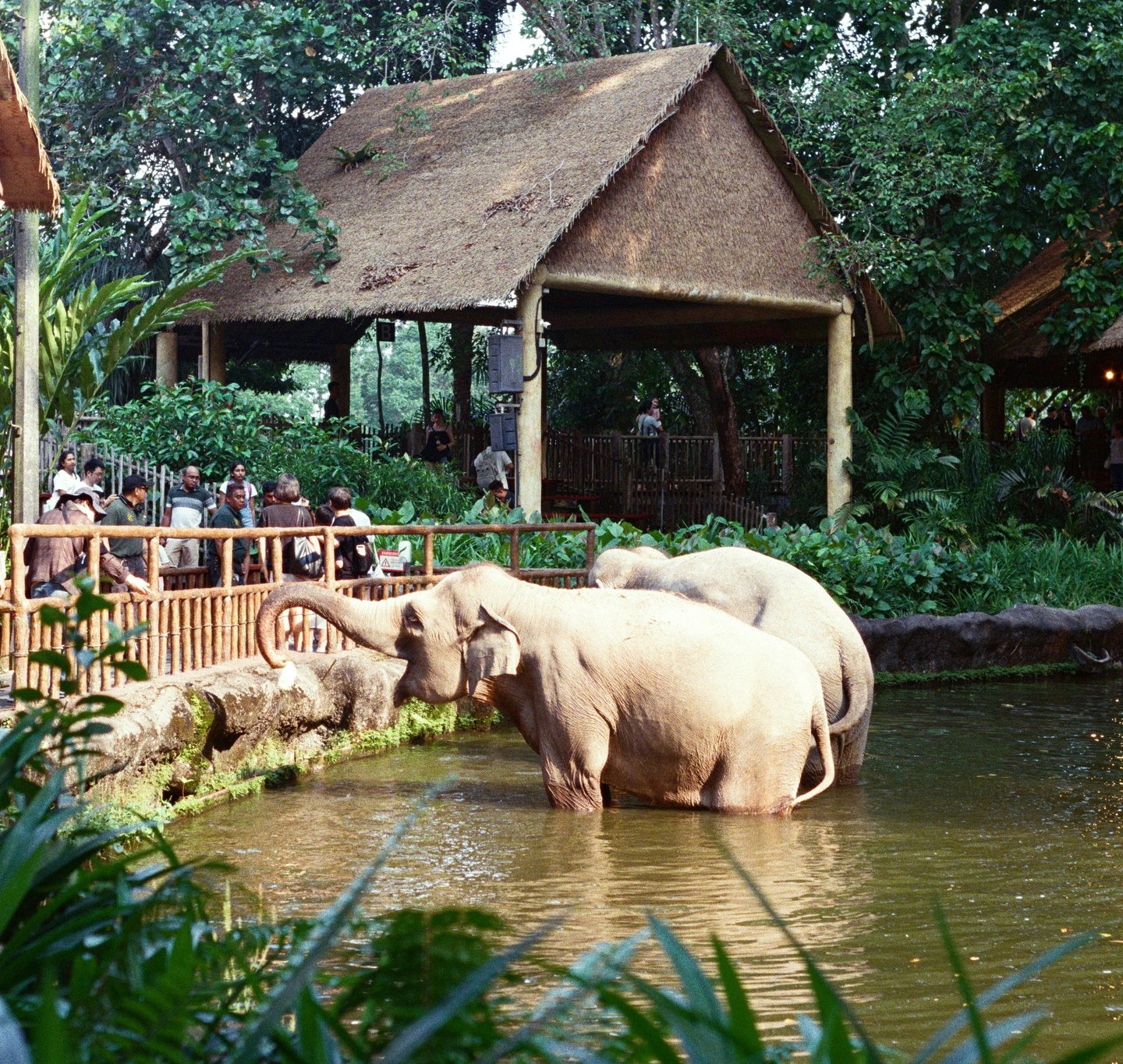
Opened in 1973, the Singapore Zoological Gardens, now known as Singapore Zoo
Raffles Hotel and Colonial District
The legendary Raffles Hotel embodies colonial-era luxury where the Singapore Sling cocktail was invented in 1915. The beautifully restored property maintains old-world elegance through architecture, tropical courtyards, and white-uniformed staff—visit the Long Bar for the famous cocktail even without staying overnight. The surrounding Colonial District preserves British-era government buildings including City Hall, Supreme Court, and the Padang cricket ground. The National Gallery Singapore occupies former Supreme Court and City Hall buildings displaying Southeast Asian art. The Asian Civilisations Museum explores regional cultures through artifacts. This area provides historical context for Singapore's development from colonial trading post to modern metropolis, with architecture demonstrating British influence on the city's built environment.
Orchard Road
Singapore's premier shopping district stretches 2.2 kilometers lined with malls, department stores, luxury boutiques, and restaurants. Major malls include ION Orchard (luxury brands), Takashimaya (Japanese department store), Paragon (designer labels), and Ngee Ann City. The sheer concentration of retail—over 20 major malls along one street—creates shopping paradise especially during Great Singapore Sale (June-July) when discounts reach 70%. Beyond shopping, Orchard Road offers people-watching, air-conditioned escape from heat, food courts and restaurants, and architectural variety in mall designs. The underground passages and overhead bridges create comprehensive pedestrian system allowing mall-to-mall movement without surface street crossing. For those who enjoy shopping or simply want air-conditioned activity, Orchard Road delivers hours of entertainment.
Clarke Quay and Singapore River
This riverside entertainment district transforms 19th-century warehouses into colorful complex housing restaurants, bars, clubs, and river cruises. The area buzzes evenings and weekends with locals and tourists dining, drinking, and enjoying riverside atmosphere. River cruises depart from Clarke Quay showcasing colonial buildings, modern skyscrapers, and bridges from water level—the 40-minute cruises provide relaxing way to see Singapore River's development. Nearby Robertson Quay offers more sophisticated dining and bars in converted warehouses. The Singapore River historically served as the commercial artery where goods were loaded and traded—the restored warehouses preserve architectural heritage while adapting to contemporary entertainment uses. Visit evening for maximum atmosphere, outdoor seating, and illuminated buildings.
Where to Stay in Singapore
Luxury: Marina Bay Sands
Singapore's most iconic hotel offers 2,561 rooms across three towers with direct access to the famous SkyPark infinity pool, spectacular city and bay views, luxury shopping, celebrity chef restaurants (including CUT by Wolfgang Puck, Bread Street Kitchen by Gordon Ramsay), nightlife venues, and casino. The architectural landmark status, SkyPark pool exclusivity, and comprehensive facilities justify premium rates. The location provides easy access to Gardens by the Bay, Merlion, and business district. Rooms feature floor-to-ceiling windows, modern design, and marble bathrooms. The hotel attracts guests seeking Singapore's ultimate luxury address and that Instagram-famous infinity pool experience. Rates from $400-800+ per night reflect iconic status and unparalleled facilities.
Luxury: Raffles Singapore
This legendary colonial hotel, opened in 1887, embodies old-world elegance through 115 suites, tropical courtyards, teak floors, and white-gloved service. The recent multi-year restoration updated facilities while preserving heritage character. Suites feature separate living areas, antique furniture, and modern amenities. The Long Bar (birthplace of the Singapore Sling), multiple restaurants, spa, and museum attract guests and day visitors. The location in Colonial District provides cultural attractions within walking distance. The hotel suits travelers seeking historic luxury over contemporary glitz, colonial atmosphere over modern design. Rates from $600-1,500+ per night reflect legendary status and intimate luxury.
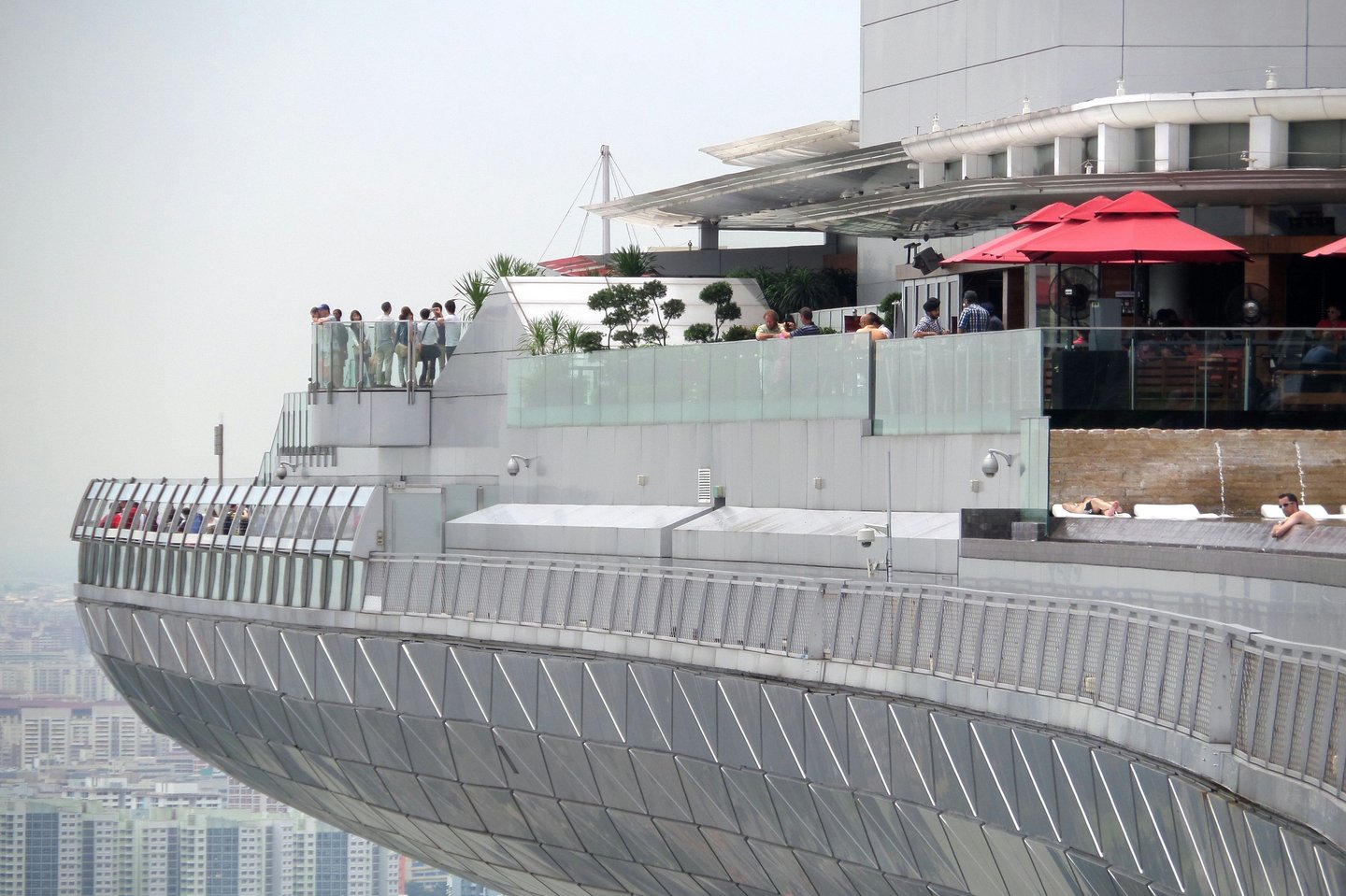
Singapore hotels range from colonial elegance to modern luxury
Mid-Range: Hotel Fort Canning
This boutique hotel in Fort Canning Park offers 86 rooms in former British military administration building, combining heritage architecture with contemporary design. The hilltop location provides green surroundings and views while remaining walking distance from Clarke Quay and Orchard Road. The rooftop bar, outdoor pool, and park setting create urban retreat atmosphere. Rooms feature high ceilings, large windows, modern bathrooms, and design respecting the building's colonial heritage. The property demonstrates that mid-range Singapore hotels can deliver character and location at reasonable prices. Rates from $150-300 per night offer excellent value for boutique quality and central location.
Mid-Range: Lloyd's Inn
This design hotel in Somerset features 34 minimalist rooms opening onto lush courtyards, creating zen atmosphere through concrete, wood, and tropical plants. The architecture—geometric concrete buildings surrounding green spaces—earned design awards while providing peaceful escape from urban intensity. The location near Orchard Road shopping and Somerset MRT station offers convenience. Rooms include rainfall showers, quality beds, and simple modern design. The small pool and courtyard gardens provide relaxation space. The hotel attracts design-conscious travelers and those seeking boutique experience without luxury prices. Rates from $120-200 per night deliver style at accessible prices.
Budget: The Pod Boutique Capsule Hotel
This modern capsule hotel near Chinatown and Kampong Glam offers efficient accommodation in designer pods featuring comfortable mattresses, privacy curtains, reading lights, power outlets, and shared bathroom facilities. Common areas include rooftop terrace, kitchen, and social spaces. The concept—inspired by Japanese capsule hotels but with Singapore comfort standards—appeals to budget travelers valuing design and social atmosphere. The location provides easy access to heritage districts and MRT stations. Capsules from $25-45 per night offer remarkable value for clean, safe, well-designed accommodation in expensive Singapore.
Budget: Bunc Hostel
This design hostel in Little India features dorms and private rooms with industrial-chic aesthetic, quality beds, individual reading lights, power outlets, and modern bathrooms. The rooftop bar, café, and common areas facilitate meeting other travelers. The Little India location provides authentic neighborhood experience and easy MRT access. The hostel demonstrates that budget accommodation needn't sacrifice cleanliness, design, or comfort. Staff organize social events and provide travel advice. Dorms from $20-35 per bed, private rooms from $70-120 per night offer excellent value for quality and location in expensive city.
Book on Trip.com | Booking.com | Hotels.com | GetYourGuide
Singapore Culinary Highlights
Singapore's food scene combines Chinese, Malay, Indian, and Peranakan cuisines creating unique culinary culture where hawker centers deliver world-class food at budget prices alongside Michelin-starred fine dining.
Hawker Centers and Street Food
Government-run hawker centers house multiple independent stalls where cooks specialize in specific dishes perfected over decades. Maxwell Food Centre, Lau Pa Sat, Newton Food Centre, and Old Airport Road Food Centre represent just few of the dozens of hawker centers across Singapore. Signature dishes include Hainanese chicken rice (poached chicken with fragrant rice), chili crab (spicy tomato-based sauce, eaten with mantou bread), laksa (spicy coconut curry noodles), char kway teow (fried flat noodles), bak kut teh (pork rib soup), roti prata (Indian flatbread with curry), and satay (grilled meat skewers with peanut sauce). Meals cost $3-6 per dish with drinks under $2. The combination of quality, variety, and affordability makes hawker food essential Singapore experience—Michelin now awards stars to exceptional hawker stalls including Hawker Chan's $2 chicken rice.
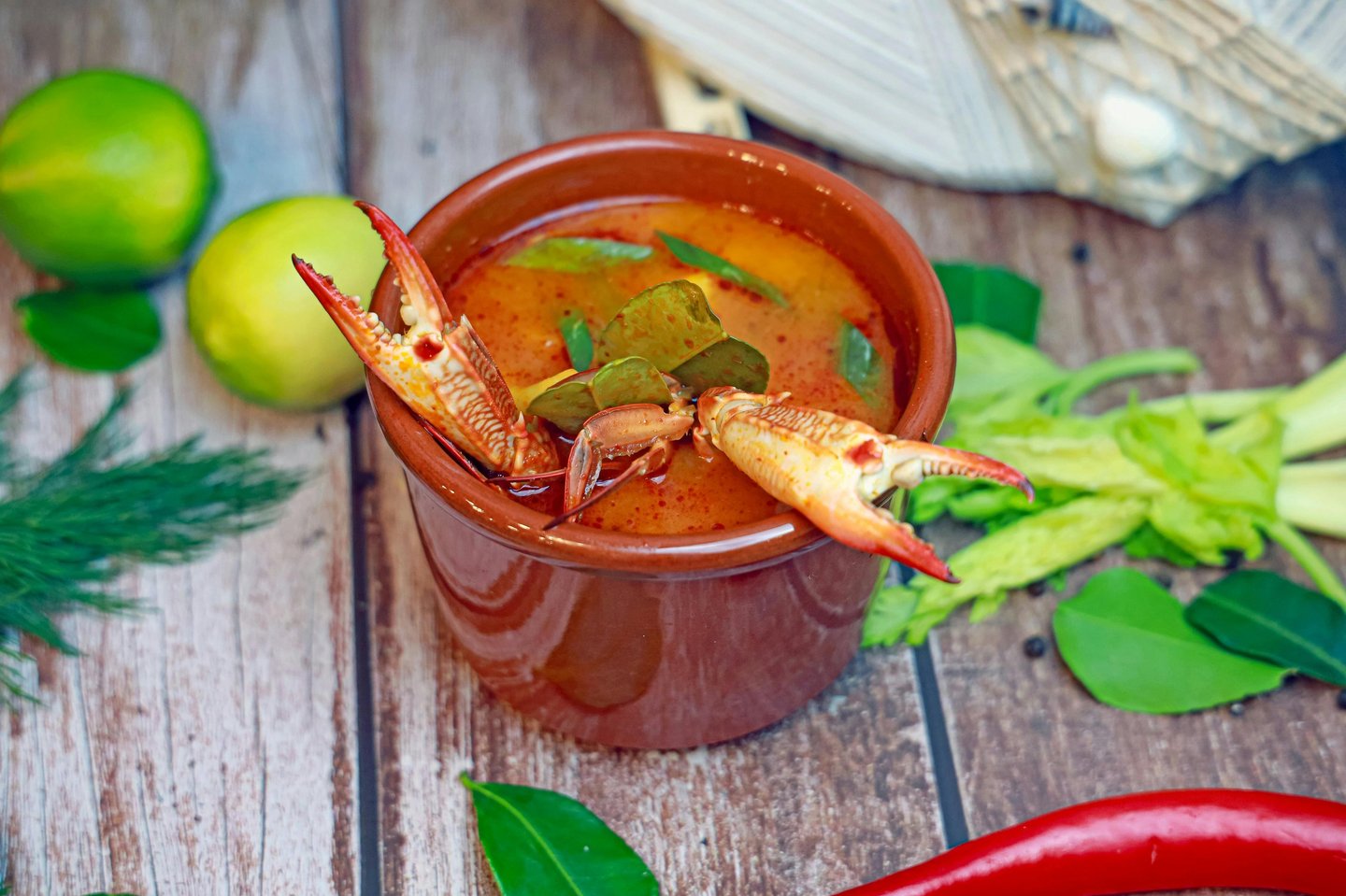
Signature dishes like chili crab ans Hainanese chicken rice are must-tries
Peranakan Cuisine
This unique Straits Chinese cuisine blends Chinese ingredients with Malay spices and cooking techniques creating dishes unavailable elsewhere. Restaurants like Candlenut (Michelin-starred), Blue Ginger, and True Blue Cuisine serve laksa lemak (coconut curry laksa), ayam buah keluak (chicken with Indonesian black nut), otak-otak (spicy fish cake), and kueh (colorful desserts). The complex flavors—combining sweetness, spiciness, sourness, and umami—demonstrate Southeast Asian culinary fusion. The Peranakan culture represents generations of Chinese settlers who married Malay women, creating distinct cultural identity with unique language, customs, and cuisine preserved in Singapore better than anywhere else.
Fine Dining and Michelin Stars
Singapore boasts over 50 Michelin-starred establishments from hawker stalls to fine dining restaurants. Odette (3 Michelin stars) serves modern French cuisine, while Zen (3 stars) delivers Nordic-influenced dishes. Burnt Ends (1 star) offers Australian barbecue, Les Amis (2 stars) serves French cuisine, and numerous other starred restaurants span Japanese, Italian, Chinese, and fusion cuisines. The relatively affordable prices compared to other major cities (tasting menus often $150-250 versus $300-500+ in New York or Paris) and concentration of quality make Singapore excellent destination for fine dining exploration. Advance reservations essential for popular restaurants.
Chinese, Indian, and Malay Specialties
Singapore's multicultural reality means authentic regional cuisines coexist. Chinatown offers Cantonese dim sum, Sichuan hot pot, and Hokkien prawn mee. Little India serves authentic South Indian dosas, biryanis, and vegetarian thalis in restaurants and simple cafés. Malay cuisine appears in Kampong Glam and Geylang through nasi lemak (coconut rice with accompaniments), rendang (spicy meat stew), and mee goreng (fried noodles). The accessibility of diverse authentic cuisines—Chinese, Malay, Indian, Indonesian—within one compact city makes Singapore unique food destination.
Rooftop Bars and Cocktail Scene
Singapore's skyline creates backdrop for sophisticated rooftop bars serving creative cocktails. CE LA VI atop Marina Bay Sands, 1-Altitude (world's highest al fresco bar), Atlas Bar (Art Deco interior with enormous gin collection), and numerous other venues offer drinks with views. The cocktail scene emphasizes quality, presentation, and Southeast Asian ingredients—look for drinks incorporating lemongrass, ginger, pandan, and tropical fruits. Prices run high ($15-25+ per cocktail) but the views, atmosphere, and quality justify splurges. Many bars enforce dress codes (no flip-flops, no shorts) and require reservations.
Practical Singapore Tips
Visa and Entry Requirements
Most nationalities receive 30 or 90-day visa exemption on arrival with proof of onward travel. Singapore maintains strict entry standards—criminal records, drug offenses, or overstays in other countries may result in entry denial. Visitors must show sufficient funds and accommodation. Verify current requirements before booking as policies change. Singapore's tight immigration control means following rules carefully and having documentation organized.
Getting Around Singapore
The MRT (Mass Rapid Transit) subway system provides efficient, air-conditioned transport throughout Singapore with clear English signage and station announcements. Buy EZ-Link card (rechargeable transit card) at stations for convenience. Buses complement MRT reaching all neighborhoods. Taxis are honest, metered, and relatively affordable ($8-15 for most trips) but can be hard to find during rush hour or rain. Grab app (Southeast Asian Uber) works excellently in Singapore. Walking is viable for downtown areas with covered walkways protecting from sun and rain. The compact size means nowhere is truly far—the country spans just 50km east-west and 27km north-south.
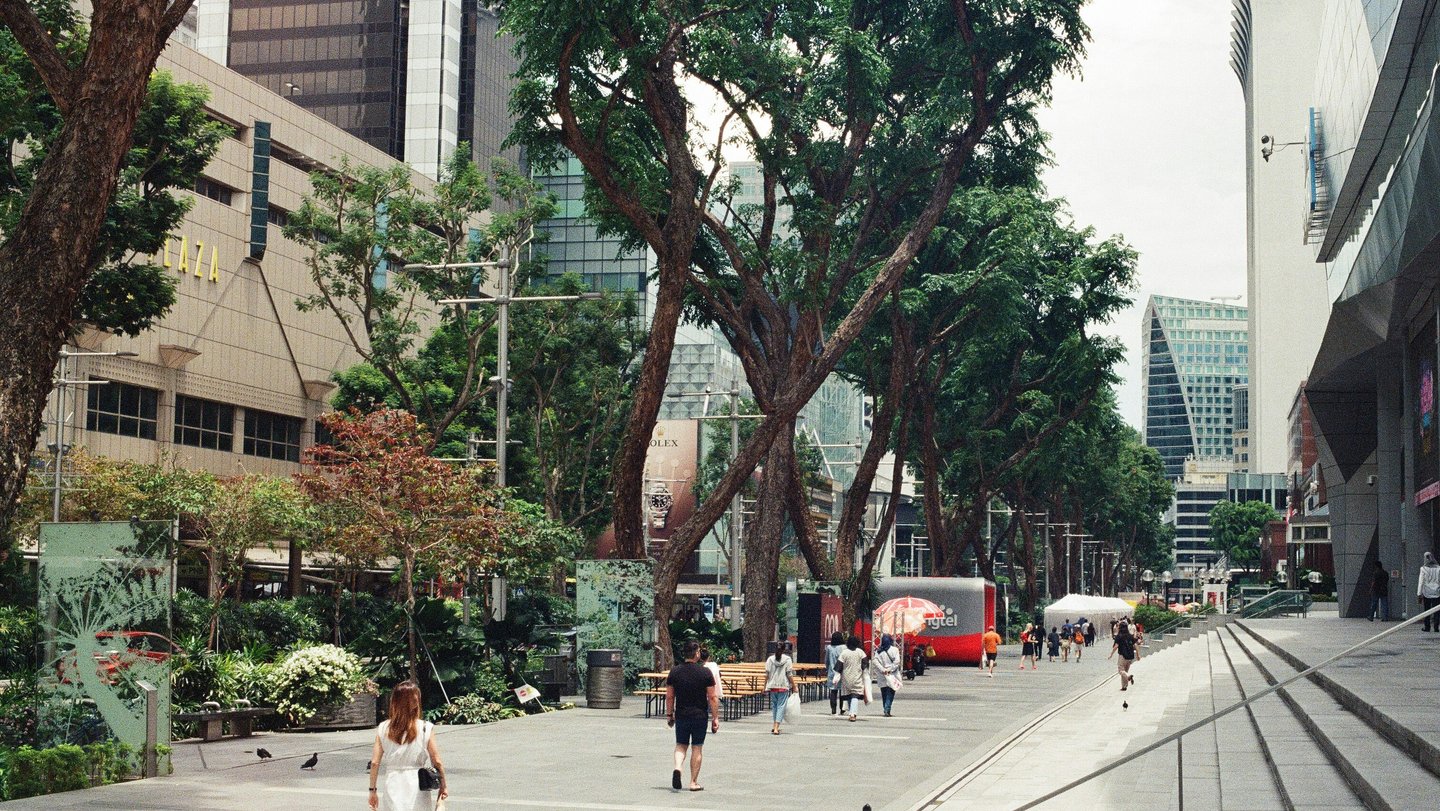
Singapore's cleanliness and efficiency create stress-free travel
Laws and Regulations
Singapore's strict laws maintain cleanliness and order but require visitor awareness. Chewing gum is mostly banned (except medical gum). Littering carries $300-1,000 fines. Jaywalking is illegal with fines. Smoking is prohibited in most public places including bars, restaurants, and shopping malls—designated smoking areas exist. Drugs carry severe penalties including death penalty for trafficking. Vandalism means caning and imprisonment. E-cigarettes and vaping devices are completely banned. While enforcement targets egregious violations rather than tourists making minor mistakes, respecting laws avoids problems. The strict regulations create safe, clean environment that most visitors appreciate.
Money and Costs
Singapore Dollar (SGD) is the currency with exchange rates around 1.35 SGD to $1 USD (rates fluctuate). ATMs widely available, credit cards accepted nearly everywhere including hawker centers (increasingly). Singapore is expensive compared to neighboring Southeast Asian countries—budget travelers need $60-80 daily for hostel, hawker food, and transport; mid-range travelers $120-180; luxury travelers $250+. Accommodation and alcohol cost most (beer $8-12, cocktails $15-25). Hawker food ($3-6) and public transport ($1-3 per trip) remain affordable. Many attractions are free or low-cost (Gardens by the Bay outdoor areas, temples, neighborhoods, river walks). Tipping is not expected or required—service charges included in hotel and restaurant bills.
Weather and What to Pack
Singapore is hot (25-32°C / 77-90°F) and humid (75-90%) year-round—pack light, breathable clothing and prepare to sweat when outdoors. Air conditioning everywhere means bringing light jacket or cardigan for cold indoor spaces (MRT trains, malls, restaurants). Rain jacket or travel umbrella essential for afternoon thunderstorms. Comfortable walking shoes for extensive walking. Modest clothing for temples (shoulders and knees covered). Singapore's modernity means no special packing requirements—anything needed can be purchased in malls. Power adapters for British-style three-pin sockets (230V).
Health and Safety
Singapore is exceptionally safe with extremely low crime—women can walk alone at night, scams are minimal, violent crime is rare. The main health concern is heat exhaustion in tropical climate—stay hydrated, seek air conditioning regularly, don't overbook outdoor activities. Dengue fever occurs—use mosquito repellent in parks and gardens. Tap water is safe to drink. Healthcare is world-class with excellent hospitals but expensive without insurance—comprehensive travel insurance recommended. The combination of safety, cleanliness, and healthcare quality makes Singapore one of Asia's lowest-risk destinations.
Cultural Sensitivity
Singapore's multiculturalism requires respecting diverse cultures and religions. Remove shoes when entering mosques, temples, and some homes. Dress modestly at religious sites. Don't photograph worshippers without permission. Public displays of affection should be moderate—hand-holding acceptable but excessive kissing not. Singapore maintains conservative social values despite modern appearance. The diversity means being respectful of all ethnic groups—avoid stereotyping or insensitive comments about Chinese, Malay, Indian, or other communities. LGBTQ+ laws remain conservative with gay sex technically illegal (unenforced) though attitudes are gradually liberalizing especially among young people.
Best Value Experiences
Despite expensive reputation, Singapore offers excellent value through free or cheap attractions—Gardens by the Bay outdoor areas (free), walking heritage neighborhoods (free), hawker center meals ($3-6), public transport ($1-3), temples (free or small donation), Marina Bay light shows (free), Botanic Gardens (free except orchid garden), museums on certain evenings (free or discounted), and beautiful public parks. Strategic planning allows experiencing Singapore without breaking budgets—the expensive aspects (alcohol, hotels, Western food, attractions) can be balanced with affordable experiences.
Singapore rewards every type of traveler—whether you seek futuristic architecture and luxury shopping, diverse street food and cultural heritage, family attractions and safe exploration, or sophisticated dining and nightlife. This remarkable city-state's combination of efficiency and multiculturalism, modern ambitions and preserved traditions, Asian soul and global outlook creates a destination that exceeds expectations. From your first glimpse of Marina Bay Sands' iconic silhouette to your final hawker center feast, from swimming in the SkyPark infinity pool to exploring colorful temples in Little India, Singapore delivers moments of innovation, flavor, and cultural richness that transform visitors into admirers of this tiny nation that thinks big.
Hotels • Tours • Activities • Travel
Compare hotels on Booking.com | Browse curated tours on GetYourGuide
“© 2025-2026. All rights reserved.
This blog may contain affiliate links, which means I might earn a small commission, at no extra cost to you, if you decide to make a booking through one of these links. I only recommend products and services I actually use or genuinely believe will bring value. For more information visit http://paidforadvertising.com. Thank you for your support!
Affiliate Disclosure

Important Links
Continents
Find Us Here
Follow Us
Welcome to The Gilded Globe, your premier guide to crafting journeys that are seamless as they are extraordinary. We believe that travel is not just about the destination, it's about the richness of the experience - from the first spark of inspiration to the memories you bring home.