
AMSTERDAM: WHERE GOLDEN AGE GRANDEUR MEETS MODERN CREATIVITY
The Netherlands' Canal-Laced Cultural Capital
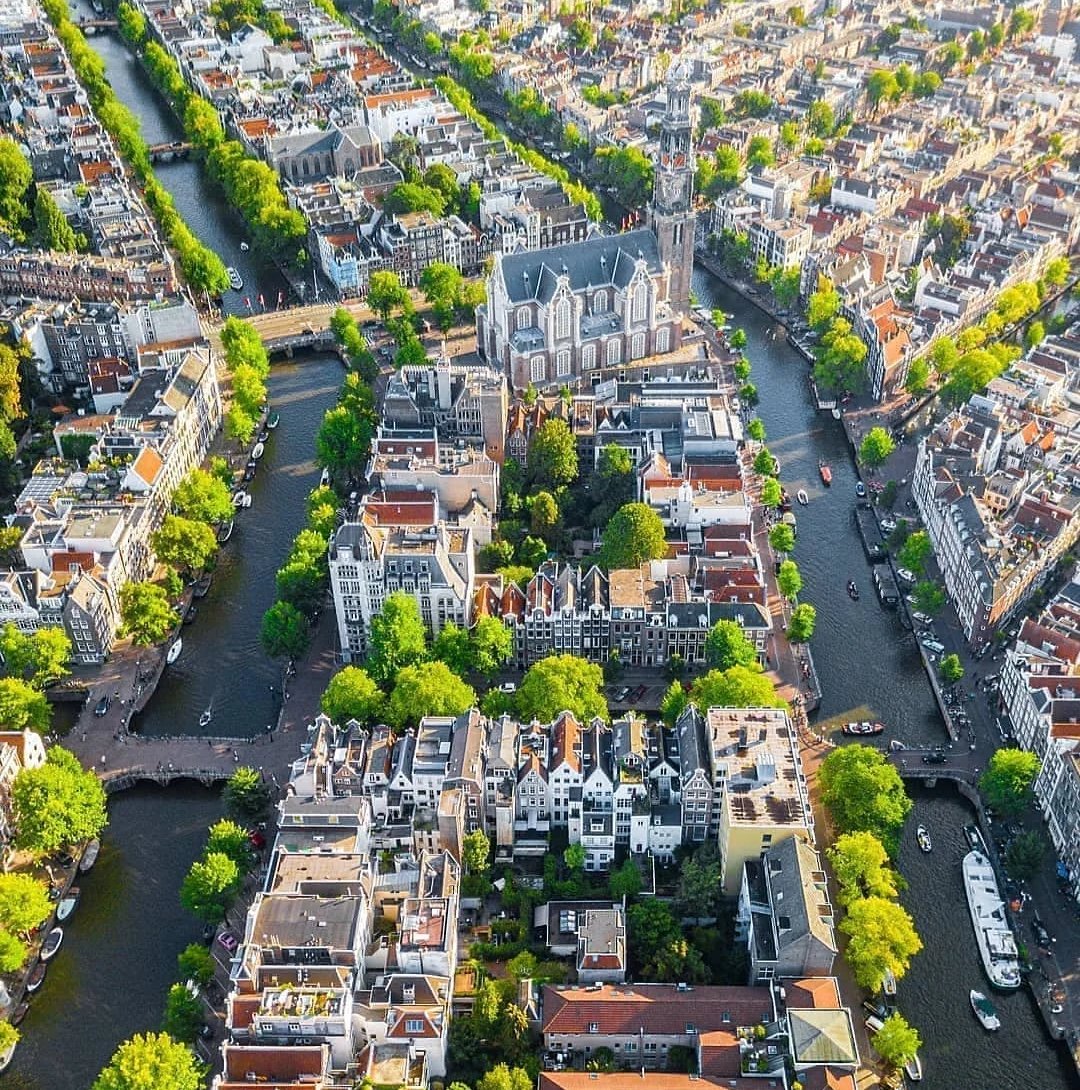
Amsterdam enchants as Europe's most distinctive capital, where 17th-century canal houses line waterways creating UNESCO-protected urban beauty, world-class museums showcase artistic masterpieces, and progressive culture embraces both centuries-old traditions and cutting-edge creativity. This extraordinary city of 850,000 people built on wooden pilings below sea level seamlessly blends historic architecture with modern design, intimate neighborhoods with cosmopolitan energy, and Dutch pragmatism with artistic passion. Here, you can cycle along tree-lined canals at sunrise, explore museums housing Van Gogh and Rembrandt masterpieces by midday, discover Anne Frank's hidden refuge in the afternoon, and dine on innovative cuisine as sunset illuminates gabled facades—all while experiencing the warmth and directness that define Dutch culture.
Beyond its postcard-perfect canals, Amsterdam captivates with exceptional museums, vibrant neighborhoods each with distinct character, and quality of life that consistently ranks among the world's highest. The compact, walkable city center means you can explore the medieval core, canal belt, museum district, and trendy neighborhoods all within hours, while the extensive cycling infrastructure makes two-wheeled exploration the authentic local experience. From the flower markets floating on canals to brown cafés serving jenever and bitterballen, from houseboats converted into homes to the tolerance and openness defining Dutch society, Amsterdam delivers cultural richness, architectural beauty, and memorable experiences that make it one of Europe's most beloved destinations.
Or compare on Expedia
Why Visit the Amsterdam
Iconic Canals and Golden Age Architecture
Amsterdam's 165 canals lined with 1,550 monumental buildings create one of Europe's most beautiful and unique cityscapes. The 17th-century Canal Belt (Grachtengordel)—concentric semicircles of canals including Herengracht, Keizersgracht, and Prinsengracht—earned UNESCO World Heritage status for its exceptional urban planning and architecture. The narrow canal houses with ornate gables, large windows (taxed by width, hence the tall, narrow designs), and hook beams for hoisting goods demonstrate Golden Age prosperity when Amsterdam dominated global trade. Canal cruises provide perspective from water level, while walking or cycling along canals reveals architectural details, hidden courtyards (hofjes), and the interplay of water, light, and historic buildings that gives Amsterdam its distinctive character.
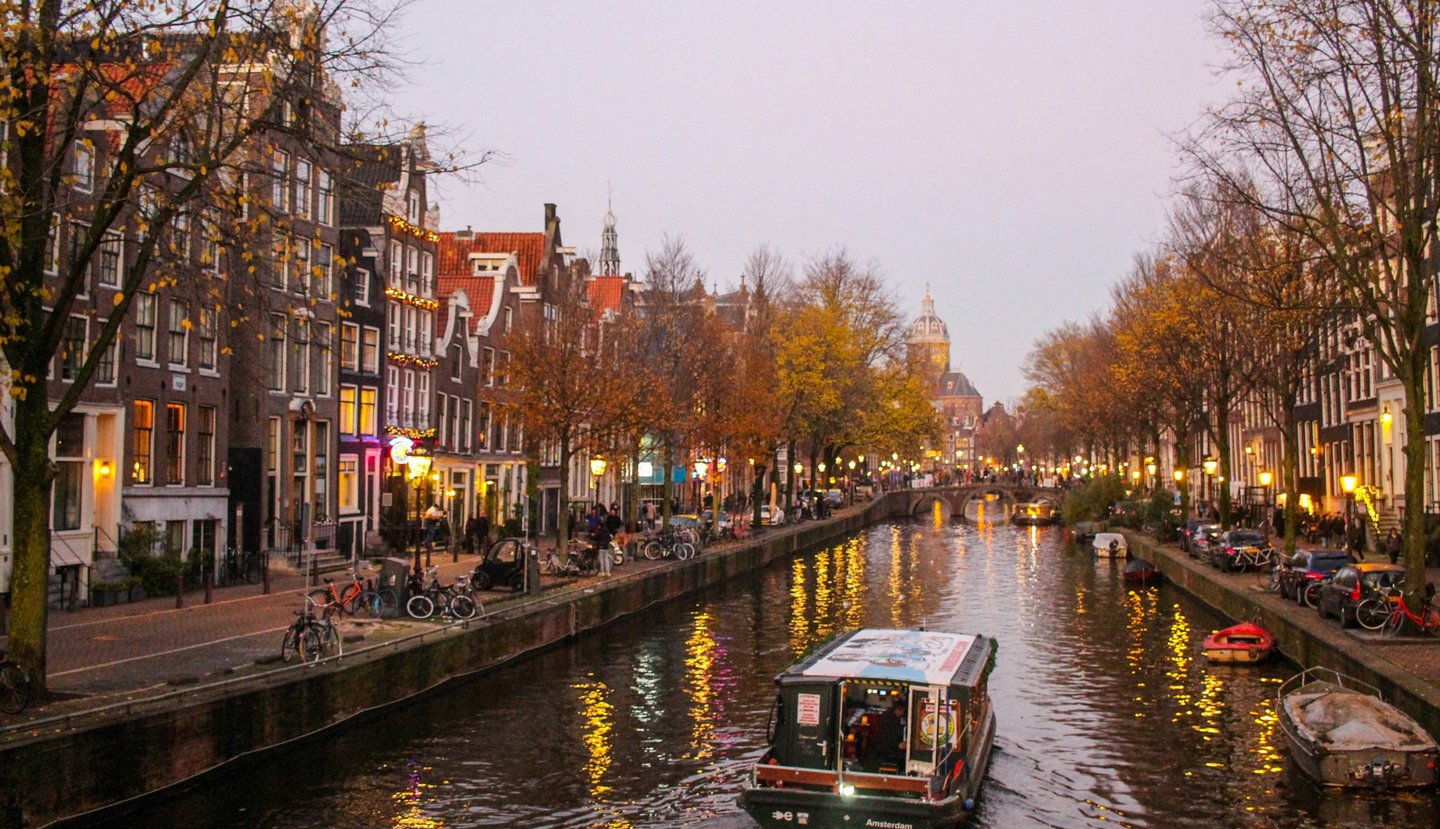
Amsterdam's 17th-century canal houses create UNESCO-protected urban beauty
World-Class Museums and Artistic Legacy
Amsterdam houses extraordinary art collections spanning Old Masters to contemporary works. The Rijksmuseum, Netherlands' national museum, showcases Dutch Golden Age masterpieces including Rembrandt's Night Watch, Vermeer's intimate interiors, and comprehensive collections of applied arts, Asian art, and Dutch history. The Van Gogh Museum holds the world's largest collection of Vincent van Gogh's paintings and letters, chronicling his artistic evolution and tragic life. The Stedelijk Museum presents modern and contemporary art from Mondrian to Warhol. The Anne Frank House preserves the secret annex where Anne Frank wrote her diary during Nazi occupation, offering profound historical testimony. Smaller museums covering photography, film, maritime history, and niche subjects complement the major institutions, creating cultural richness rivaling much larger cities.
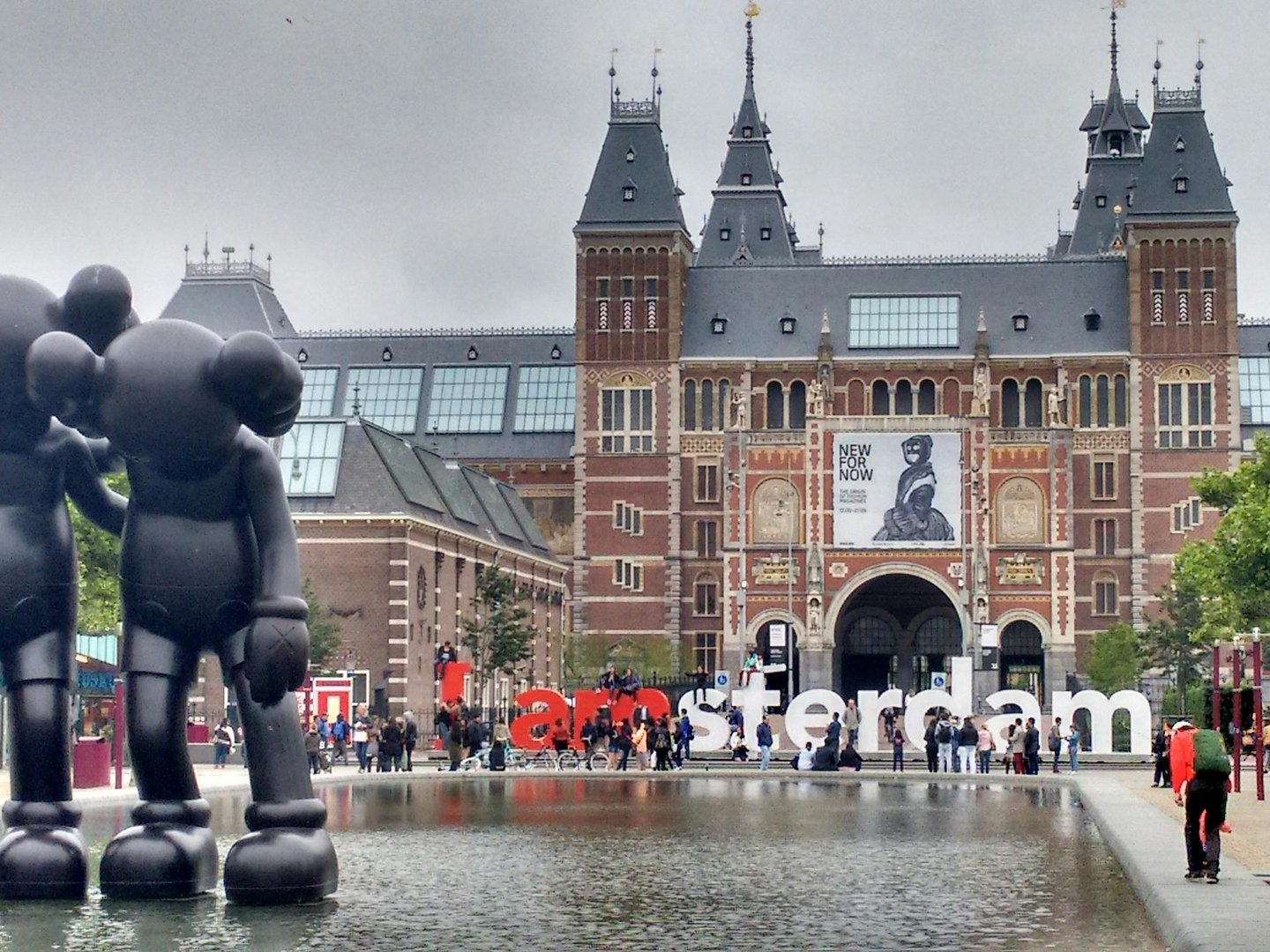
World-class museums showcase Dutch Masters and artistic treasures
Cycling Culture and Urban Livability
Amsterdam's cycling infrastructure—800,000 bikes for 850,000 residents, 500 kilometers of bike paths, multi-story bike parking—makes two-wheeled exploration the authentic and efficient way to experience the city. Cycling like a local means discovering neighborhoods beyond tourist zones, accessing destinations faster than public transport, and experiencing Amsterdam at the pace that reveals hidden gems. The flat topography, protected bike lanes, and cycling-priority traffic lights create ideal conditions even for inexperienced urban cyclists. Rental bikes (including cargo bikes and electric bikes) are ubiquitous and affordable. The cycling culture reflects broader Dutch emphasis on quality of life, environmental consciousness, and democratic urban planning where pedestrians and cyclists take priority over cars.
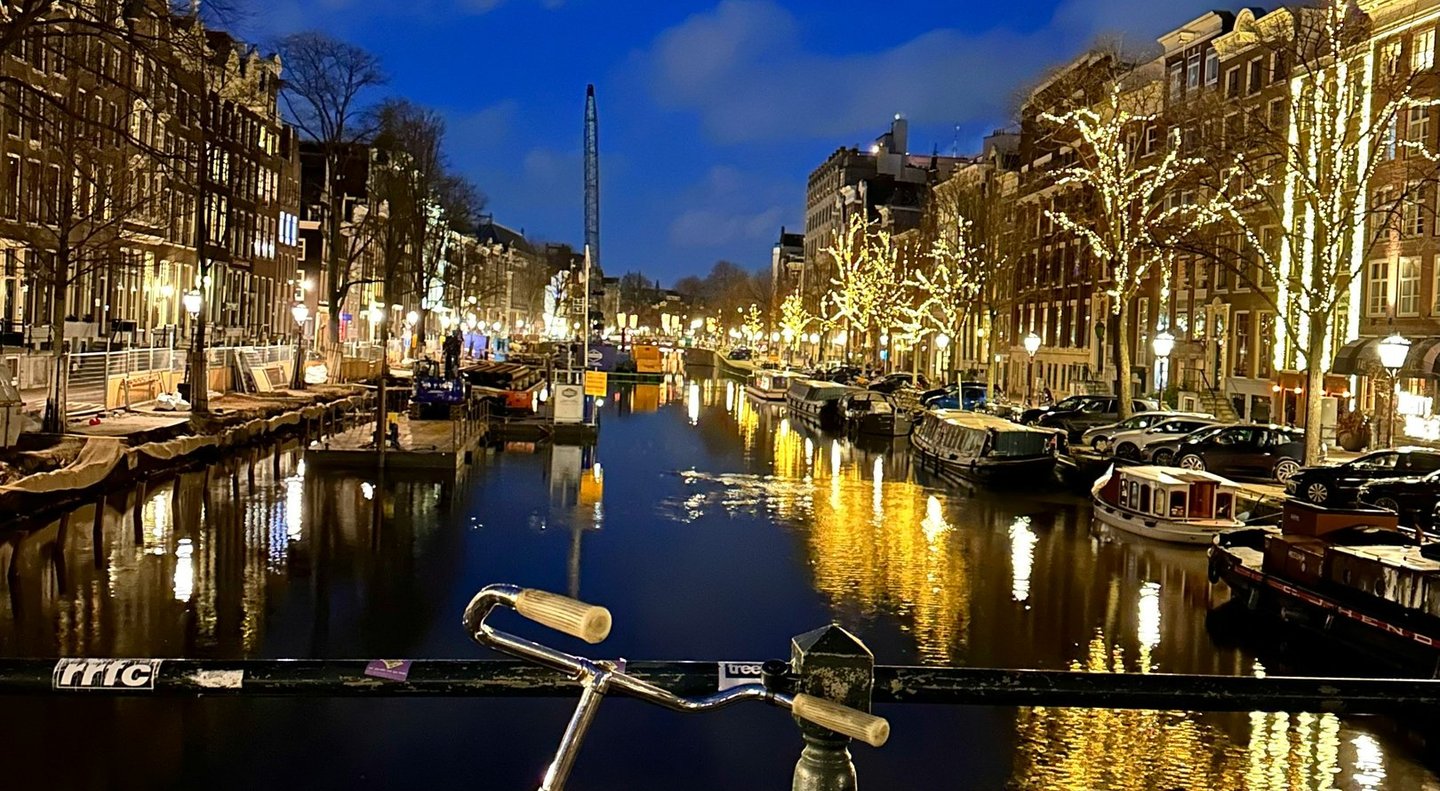
Cycling is the authentic way to explore Amsterdam like a local
Distinct Neighborhoods with Unique Character
Amsterdam's neighborhoods offer diverse experiences beyond the tourist-heavy center. The Jordaan features narrow streets, quirky shops, cozy cafés, and weekly markets, having transformed from working-class quarter to bohemian enclave to sought-after neighborhood while maintaining authentic character. De Pijp, the "Latin Quarter," buzzes with international restaurants, the famous Albert Cuyp Market, and young, diverse population. Amsterdam Noord across the IJ river showcases post-industrial transformation with creative spaces, waterfront terraces, and contemporary architecture. The Nine Streets (De Negen Straatjes) offers boutique shopping in historic surroundings. Each neighborhood maintains distinct identity while contributing to Amsterdam's cosmopolitan whole.
Innovative Food Scene and Dutch Traditions
Amsterdam's culinary landscape combines traditional Dutch dishes with international influences and contemporary innovation. Indonesian cuisine—legacy of colonial history—appears throughout the city in rijsttafel (rice table) restaurants. Traditional brown cafés serve stamppot (mashed potatoes with vegetables), bitterballen (deep-fried meat croquettes), and Dutch cheeses paired with local beers. The food hall trend brings diverse cuisines under historic roofs, while Michelin-starred restaurants demonstrate Dutch culinary creativity. Street food includes herring served with onions and pickles, stroopwafels (syrup waffles) from market stalls, and frites with dozens of sauce options. The quality-focused approach applies equally to casual eetcafés and fine dining, creating satisfying eating experiences at all price points.
Tolerance, Progressiveness, and Quality of Life
Amsterdam embodies Dutch values of tolerance, pragmatism, and social progressiveness through policies and culture that prioritize individual freedom within social responsibility. The famous coffeeshops (cannabis cafés) and Red Light District demonstrate pragmatic harm-reduction approaches to social issues rather than prohibition. The city's LGBTQ+ friendliness—hosting major Pride celebrations and maintaining welcoming atmosphere year-round—attracts diverse international communities. The emphasis on work-life balance, extensive green spaces, comprehensive public transport, and human-scale urban planning creates livability that residents and visitors appreciate. This combination of historic beauty and progressive modernity makes Amsterdam feel simultaneously timeless and forward-thinking.
Best Time to Visit Amsterdam
Spring (March-May) - Tulip Season
Spring brings Amsterdam's most beautiful weather and famous tulip displays. Keukenhof Gardens (mid-March to mid-May) showcases millions of tulips in spectacular displays, easily accessible on day trips. City parks bloom with spring flowers, outdoor terraces reopen, and pleasant temperatures of 10 to 18°C (50 to 64°F) make walking and cycling comfortable. April especially offers ideal conditions with longer days, warming weather, and fewer crowds than summer. King's Day (April 27) transforms the entire city into an orange-clad street party with markets, music, and celebrations—extraordinary cultural experience but requiring advance accommodation booking and patience with crowds. May provides excellent weather as summer approaches without peak-season pricing.
Summer (June-August) - Festival Season
Summer delivers warmest weather of 17 to 22°C (63 to 72°F), longest days, and most vibrant street life but also maximum tourists and highest prices. Outdoor festivals, open-air concerts, canal-side terraces, and beach clubs along artificial beaches create energetic atmosphere. The mild summer temperatures, rarely exceeding 25°C (77°F), keep conditions pleasant without oppressive heat. However, popular museums require advance tickets, canal cruises fill quickly, and accommodation costs peak. July-August see many Amsterdammers vacation elsewhere, with some local shops closing but tourist facilities fully operational. Despite crowds, summer's energy and extended daylight (sunset near 10 PM) create memorable atmosphere if you accept the tourist density.
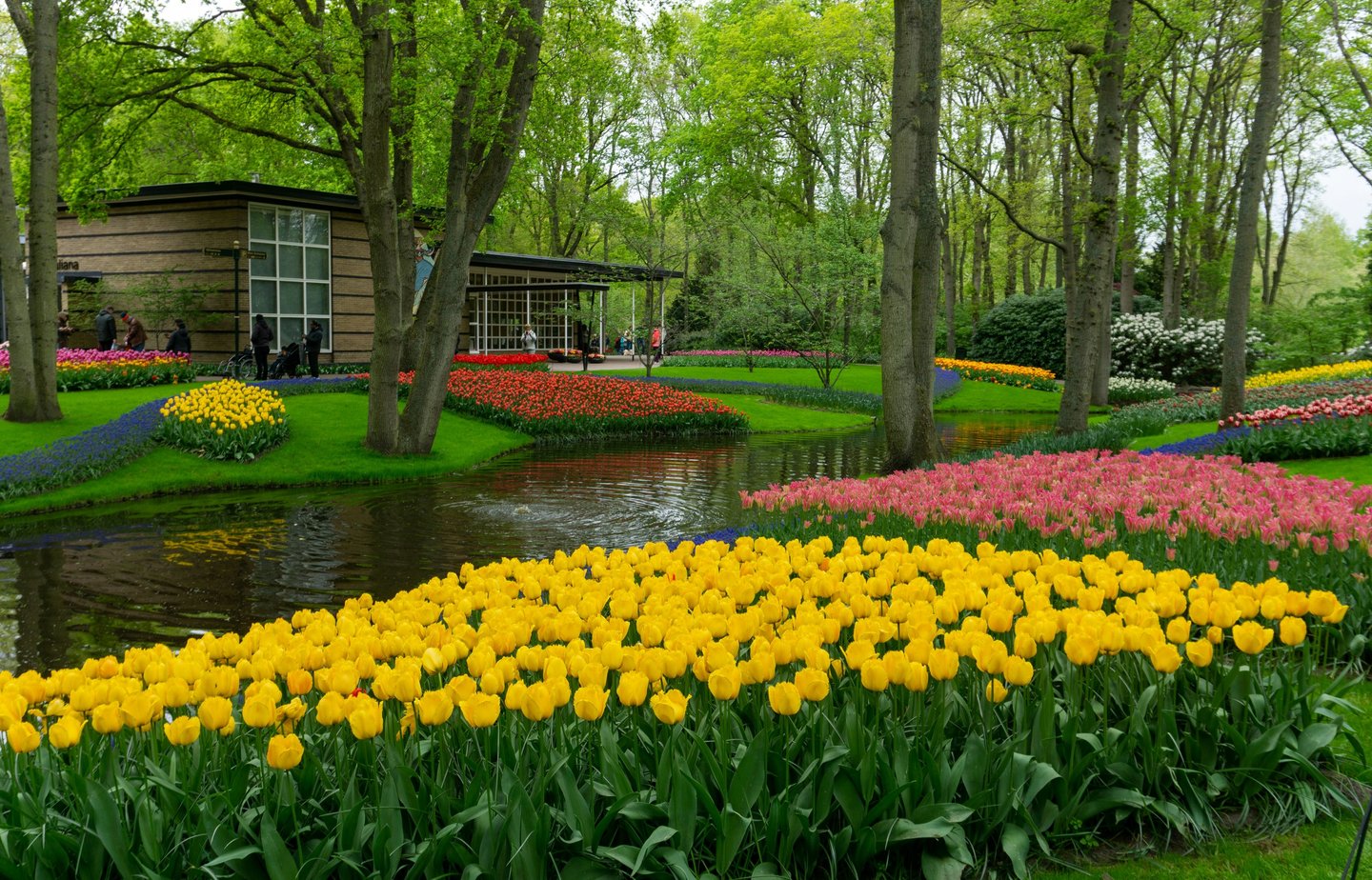
Spring brings spectacular tulip displays at Keukenhof Gardens
Autumn (September-November) - Cultural Season
Autumn offers excellent value and cultural events with fewer tourists and mild weather. September extends summer's pleasant conditions while crowds diminish, making it arguably the best month for balanced weather and manageable tourism. The cultural season launches with museum exhibitions, theater performances, and Amsterdam Dance Event (October—world's largest electronic music conference and festival). Fall colours transform parks and canal-side trees, while cozy brown cafés become particularly inviting as temperatures cool to between 7 and 14°C (45 and 57°F). November brings shorter, greyer days but also significantly lower accommodation costs and intimate city atmosphere.
Winter (December-February) - Festive Charm
Winter transforms Amsterdam into atmospheric destination with holiday markets, ice skating rinks, and cozy gezelligheid (Dutch concept of warmth and conviviality). December features Christmas markets, festive lights, and New Year's Eve fireworks over canals. The relatively mild winter with temperatures between 1 and 6°C (34 and 43°F), rarely below freezing, makes exploration feasible with proper layers, though rain and wind require waterproof gear. Museums, restaurants, and cafés provide warm refuges between outdoor excursions. The winter months offer lowest prices, no crowds at attractions, and authentic local atmosphere as tourism slows. If canals freeze solid (rare but possible), ice skating on canals creates magical Dutch experience.
Best Overall Time
April-May and September-October offer optimal balance of pleasant weather, manageable crowds, reasonable prices, and cultural events. However, Amsterdam rewards visitors year-round—even winter's grey days can't diminish the beauty of canal-lit evenings and museum treasures.
Iconic Amsterdam Attractions
Rijksmuseum
The Netherlands' premier museum occupies a magnificent Gothic Revival building housing 8,000 objects telling Dutch art and history from the Middle Ages to present. The Gallery of Honour leads to Rembrandt's massive Night Watch—the masterpiece requiring its own gallery—while Vermeer's serene domestic scenes demonstrate Golden Age intimacy. The extensive collection includes Delftware, ship models, weaponry, dollhouses, and Asian art pavilion. The museum underwent decade-long renovation completing in 2013, creating light-filled spaces showcasing art to maximum advantage. The architecture itself—designed by Pierre Cuypers and originally opened in 1885—merits appreciation. Plan 3-4 hours minimum, book timed tickets online to avoid lines, and consider guided tours highlighting masterpieces and historical context.
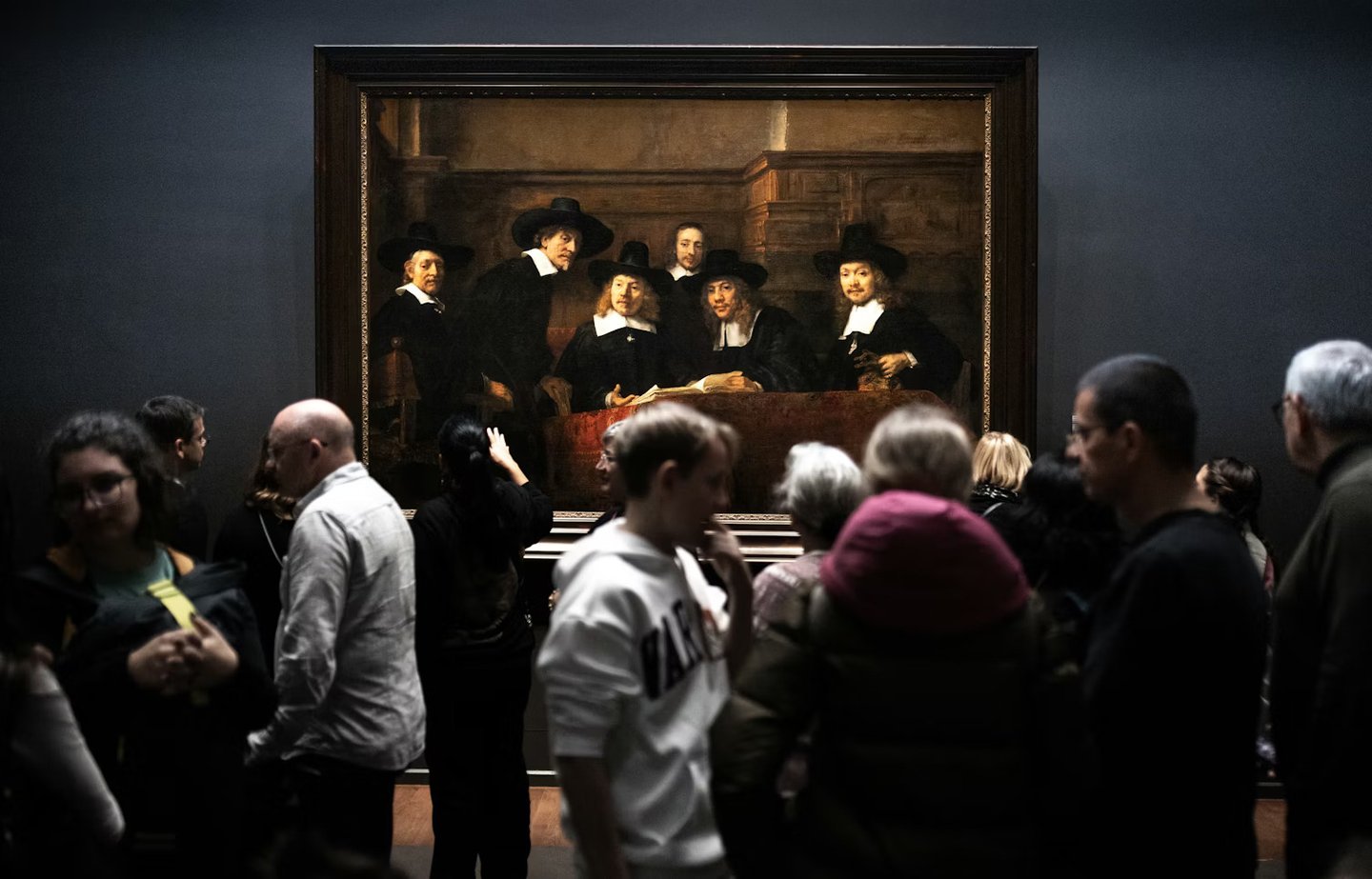
The Rijksmuseum houses Rembrandt's Night Watch and Dutch Golden Age masterpieces
Van Gogh Museum
This purpose-built museum houses the world's largest Van Gogh collection with over 200 paintings, 500 drawings, and 750 letters chronicling the artist's brief but prolific career. The chronological arrangement follows Van Gogh's artistic development from dark Dutch period through vibrant French works to final troubled months. Sunflowers, Bedroom in Arles, Almond Blossoms, and Wheatfield with Crows showcase his distinctive style and emotional intensity. The museum contextualizes Van Gogh among contemporaries and influences, while letters (often to brother Theo) provide insight into his thoughts and struggles. The adjacent exhibition wing hosts temporary shows exploring Van Gogh's impact and related themes. Book timed tickets weeks in advance during peak season—this is Amsterdam's most popular museum requiring advanced planning.
Anne Frank House
The preserved hiding place where Anne Frank and her family spent over two years during Nazi occupation provides profoundly moving historical experience. The museum guides visitors through the secret annex behind the bookcase, now empty of furniture (per Otto Frank's wish) to highlight the absence and loss. Anne's original diary displays alongside photographs and artifacts. The experience emphasizes both the specific Frank family story and broader Holocaust history. The emotional impact comes from the intimate space where a teenage girl wrote her famous diary, combined with awareness of the tragedy that followed their discovery. Book online months in advance—walk-up tickets no longer available. Plan 60-90 minutes and prepare for emotional experience.
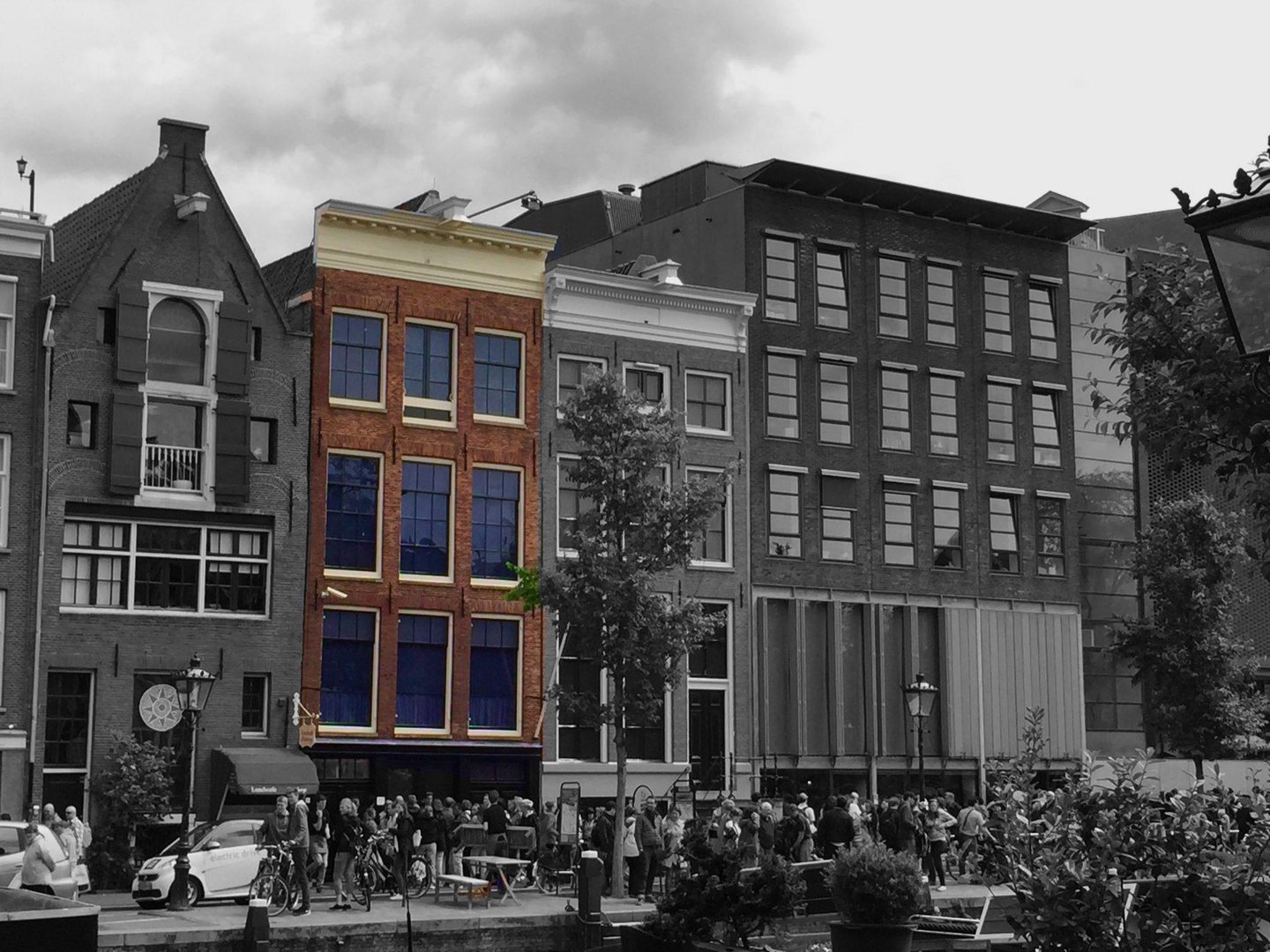
The Anne Frank House preserves the secret annex and Anne's powerful story
Canal Cruise
Viewing Amsterdam from water level provides essential perspective on the city's unique geography and architecture. Standard hour-long cruises circuit the main canals with multilingual audio guides explaining history and pointing out significant buildings. Evening cruises showcasing illuminated bridges and canal houses create romantic atmosphere. Smaller boats navigate narrower canals reaching areas larger vessels can't access. Specialized cruises focus on architecture, history, food/wine, or private charters. While touristy, canal cruises genuinely reveal aspects of Amsterdam invisible from streets—the engineering feat of the city built on pilings, the variety of gables, the relationship between water and urban life, and the sheer beauty of the interlocking waterways.
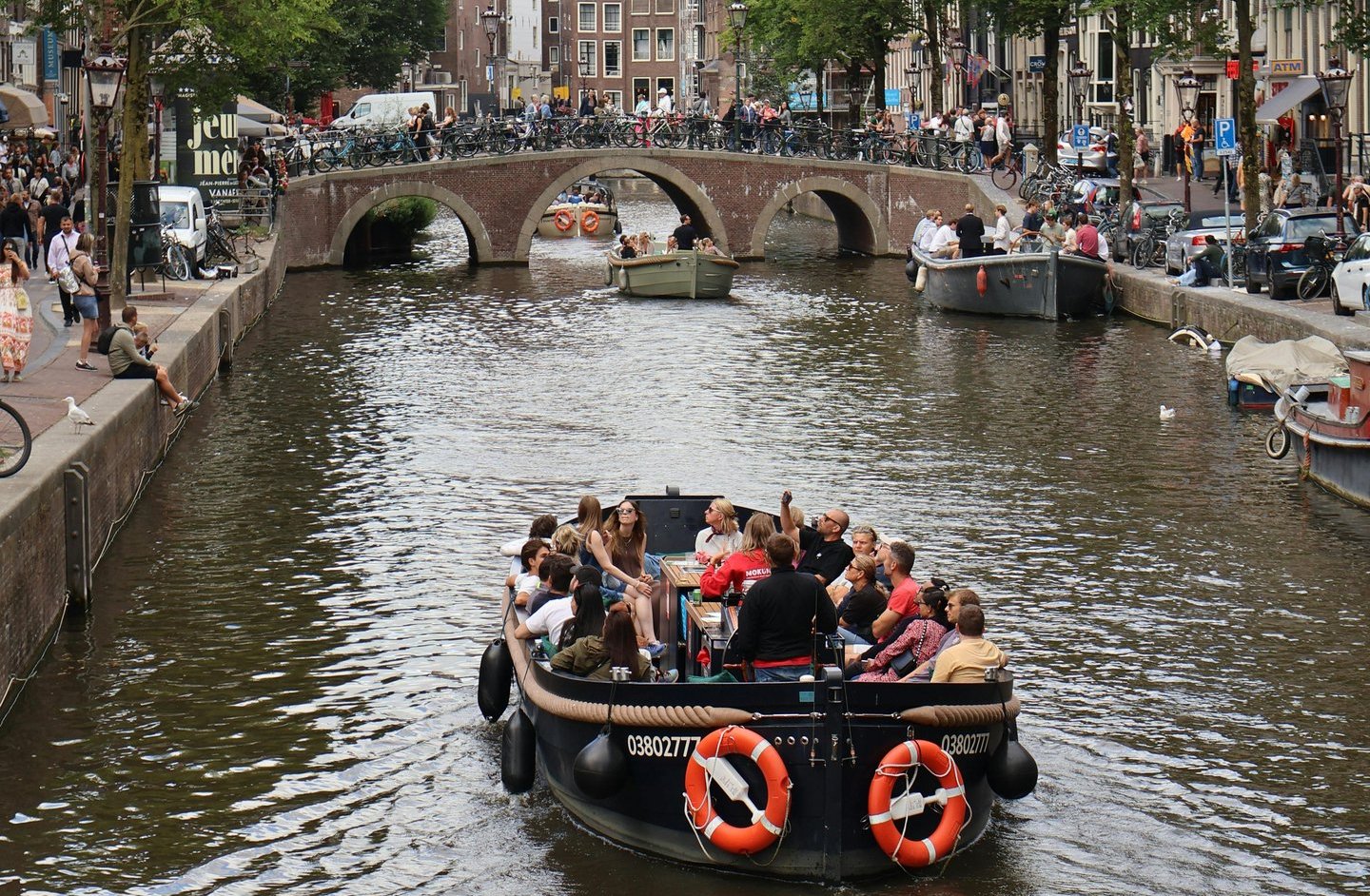
Canal cruises reveal Amsterdam's beauty from water level
Jordaan District
This former working-class neighborhood northwest of the canal belt has transformed into Amsterdam's most charming quarter while maintaining authentic character. Narrow streets, small canals (like Bloemgracht and Egelantiersgracht), independent shops, art galleries, vintage stores, cozy cafés, and weekly markets (Noordermarkt on Monday mornings and Saturdays) create village-like atmosphere within the city. The hofjes—hidden courtyards originally housing elderly poor, now peaceful semi-public spaces—offer tranquil escapes. Café 't Smalle and Café de Reiger exemplify brown café culture. The Jordaan rewards aimless wandering, discovering quirky shops, stopping for coffee at corner cafés, and experiencing Amsterdam beyond major tourist routes.
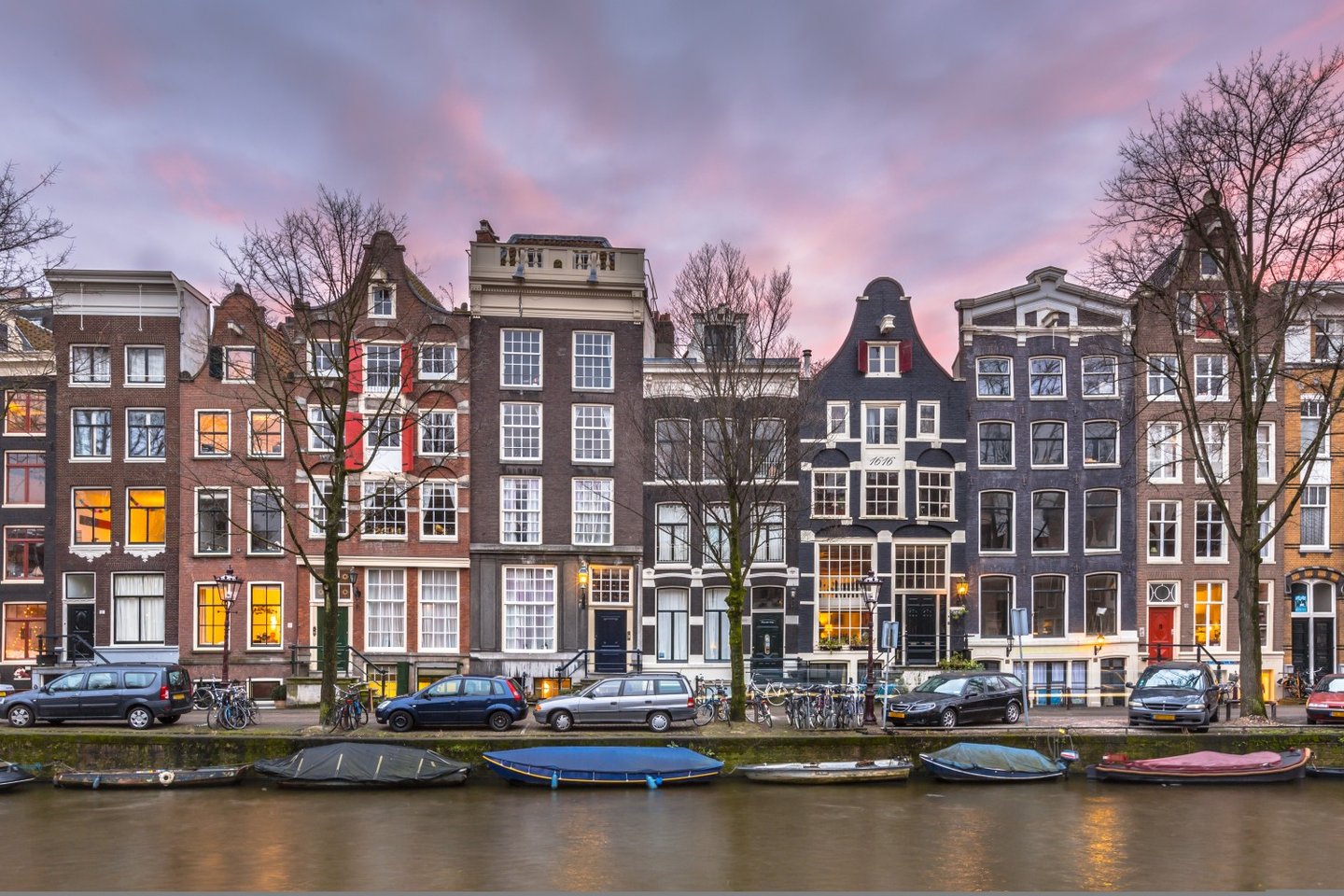
The Jordaan's charming streets and cafés offer authentic Amsterdam atmosphere
A'dam Lookout
This observation deck atop the A'dam Tower in Amsterdam Noord provides 360-degree views across the city and surrounding countryside from 100 meters high. The Over The Edge swing—Europe's highest swing—dangles riders over the tower's edge (not for the acrophobic). The rooftop bar/restaurant offers drinks and dining with views. The location in Noord requires brief (free) ferry ride behind Central Station, but the journey introduces visitors to Amsterdam's post-industrial northern district. The modern tower contrasts with historic center visible across the IJ river, demonstrating Amsterdam's evolution. Best visited late afternoon for daytime and sunset views, though evening's illuminated bridges and canals create magic too.
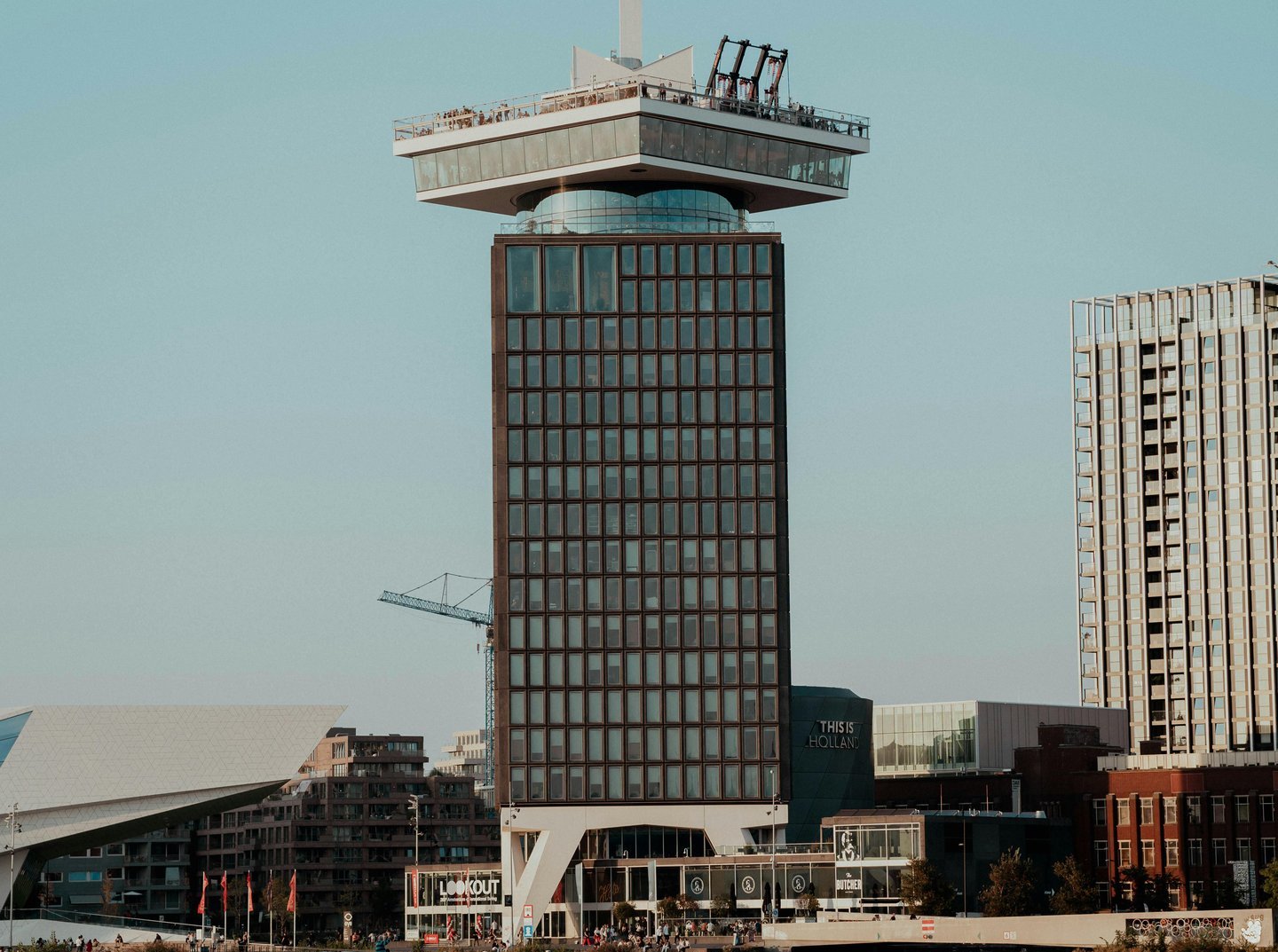
Observation deck atop the A'dam Tower in Amsterdam Noord provides 360-degree views across the city
Vondelpark
Amsterdam's most famous park provides 120 acres of green space where locals and visitors cycle, jog, picnic, and relax. Named after 17th-century poet Joost van den Vondel, the English-style landscape park features ponds, meadows, winding paths, and outdoor theater hosting free concerts during summer. Cafés—particularly the iconic Blauwe Theehuis (Blue Teahouse)—offer refreshment and people-watching. The park connects museum district to residential neighborhoods, making it natural inclusion in many itineraries. Early morning or late afternoon visits reveal locals' relationship with the space—dog walkers, runners, families, and everyone embracing outdoor recreation that defines Amsterdam's quality of life.
Albert Cuyp Market
Europe's largest daytime market (Monday-Saturday) stretches along Albert Cuypstraat in De Pijp neighborhood with 260 stalls selling everything from fresh stroopwafels and herring to clothing, flowers, cheese, and international foods. The market reflects Amsterdam's multicultural reality with Dutch, Surinamese, Turkish, and Moroccan vendors creating diverse atmosphere. The energy, colors, smells, and sounds provide authentic local experience far from tourist-zone sterility. Surrounding streets offer international restaurants, vintage shops, and cafés—De Pijp functions as Amsterdam's food quarter with exceptional dining density. Visit mid-morning for best selection and energy, bring cash (many stalls card-averse), and come hungry to sample Dutch and international specialties.
Where to Stay in Amsterdam
Luxury: Waldorf Astoria Amsterdam
Six restored 17th-century canal palaces on Herengracht combine to create Amsterdam's most prestigious hotel, with rooms and suites featuring original details like ceiling frescoes, marble fireplaces, and monumental staircases alongside modern luxury amenities. The Michelin-starred Spectrum restaurant delivers exceptional dining, the Guerlain Spa occupies a former ballroom, and service maintains Waldorf Astoria's global standards. The canal-side location provides quiet elegance while remaining walking distance from museums, shopping, and restaurants. Afternoon tea in the drawing room and private canal-side garden demonstrate refined luxury. The property attracts discerning travelers seeking historic atmosphere with contemporary comfort and impeccable service. Rates from €500-1,500+ per night reflect exceptional quality and prime location.
Luxury: The Hoxton, Amsterdam
This design-focused hotel in five 17th-century canal houses along Herengracht combines historic architecture with contemporary style, Hoxton's signature approach making luxury accessible to younger travelers. The 111 rooms feature vintage furniture, rainfall showers, and quirky touches, while common spaces encourage social interaction. The ground-floor restaurant/bar Lotti's serves all-day dining, the canal-side location provides quiet, and the Hoxton's international presence attracts global creative travelers. The property demonstrates that canal house hotels need not be stuffy—this maintains historic character while feeling fresh and welcoming. Rates from €200-500 per night deliver canal-house experience at lower prices than traditional luxury properties.
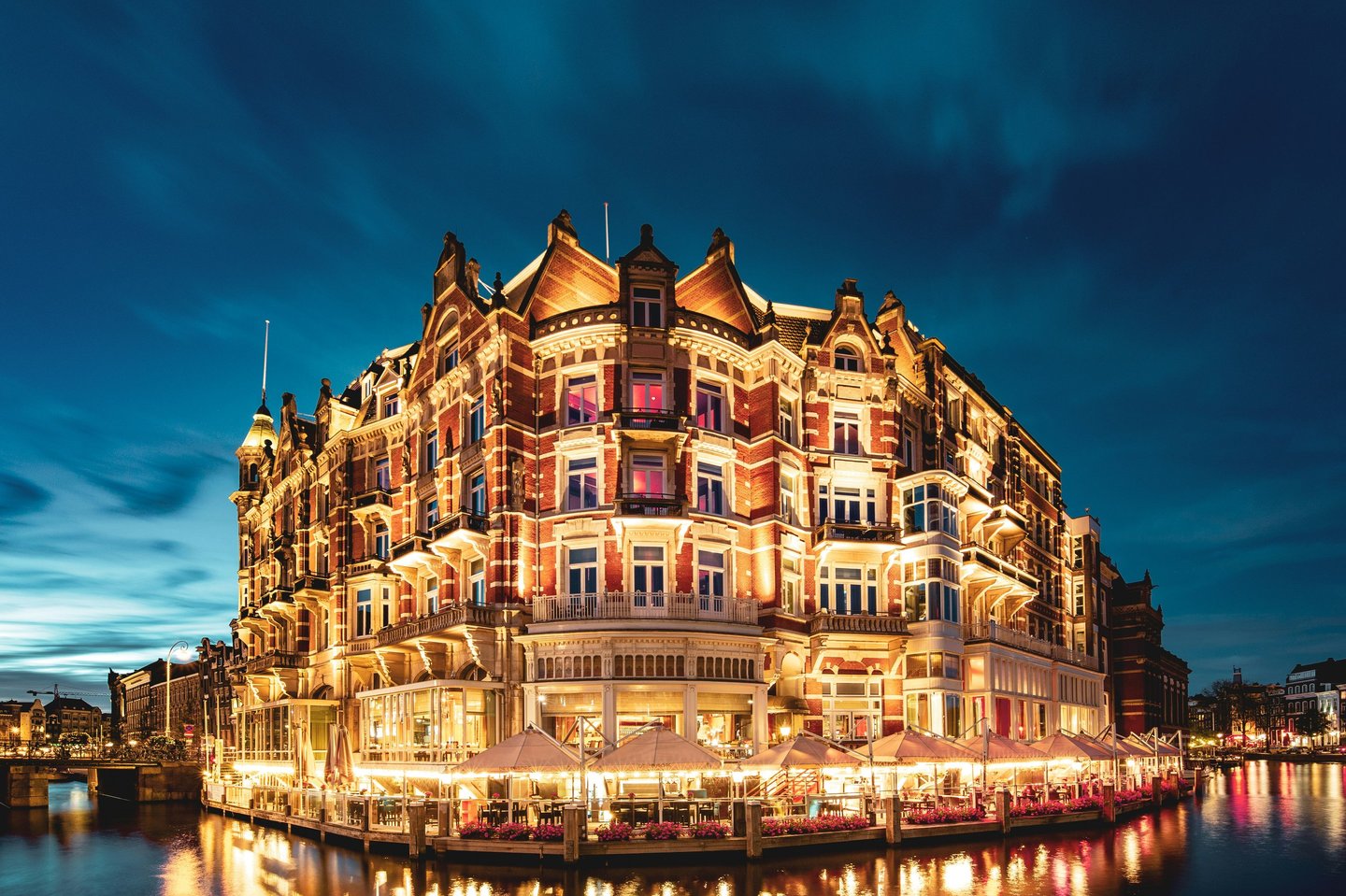
Canal-house hotels combine historic architecture with modern comfort
Mid-Range: Hotel Sebastian's
This boutique hotel in the Jordaan occupies a renovated warehouse with 29 individually designed rooms blending vintage and contemporary elements. The ground-floor restaurant serves excellent bistro cuisine, the bar attracts local designers and creatives, and the location provides immediate access to Jordaan's cafés and shops while remaining peaceful. The owners' attention to detail—curated art, quality linens, thoughtful amenities—creates intimate atmosphere impossible in larger hotels. The property suits travelers seeking authentic neighborhood experience over tourist-zone convenience. Rates from €150-300 per night offer excellent value for quality, design, and location.
Mid-Range: Hotel V Nesplein
Located on bustling Rembrandtplein, this design hotel features 47 rooms with bold patterns, designer furniture, and modern bathrooms in a building dating to 1620. The central location provides easy access to everything—museums, restaurants, nightlife, canals—while double-glazed windows minimize noise. The ground-floor bar attracts stylish locals, breakfast is excellent, and staff provide genuine service. The Hotel V mini-chain (three Amsterdam locations) consistently delivers good design at reasonable prices. Rates from €120-250 per night balance location, quality, and value.
Budget: ClinkNOORD
This hostel in Amsterdam Noord occupies a former Shell laboratory building transformed into industrial-chic accommodation with dorms and private rooms, rooftop bar with city views, restaurant, and creative programming. The free ferry ride from Central Station adds minimal inconvenience while drastically reducing costs. The property attracts international travelers seeking social atmosphere and budget savings. Facilities exceed typical hostel standards—quality beds, good showers, functional design, and genuine attempt to create community. The Noord location reveals Amsterdam beyond tourist center. Dorms from €25-40 per bed, private rooms from €80-120 per night.
Budget: Cocomama
This boutique hostel near Vondelpark and museums occupies a converted hotel with private rooms and dorms featuring colorful design, quality mattresses, and cleanliness exceeding budget accommodation expectations. The common spaces encourage interaction, breakfast is included, and staff offer genuine helpfulness. The location provides easy museum access while maintaining residential neighborhood quiet. The property demonstrates budget accommodation need not sacrifice style or cleanliness. Mixed dorms from €30-45 per bed, private rooms from €90-150 per night offer excellent value for location and quality.
Book on Booking.com | Expedia | Trip.com
Find tours on GetYourGuide
Amsterdam Culinary Highlights
Amsterdam's food scene combines traditional Dutch dishes, Indonesian colonial legacy, international immigration influences, and contemporary innovation, creating diverse culinary landscape from casual to Michelin-starred.
Traditional Dutch Food
Classic dishes include stamppot (mashed potatoes with vegetables like kale, sauerkraut, or carrots, served with smoked sausage), erwtensoep (thick split pea soup perfect for cold days), and bitterballen (deep-fried meat croquettes served with mustard—essential bar snack). Cheese appears everywhere—from old Gouda to young, mild varieties, best sampled at specialty shops or markets. Herring served raw with onions and pickles from herring carts demonstrates acquired taste beloved by Dutch. Stroopwafels (thin waffle cookies with syrup filling) from market stalls beat packaged versions. Poffertjes (mini fluffy pancakes) with butter and powdered sugar offer sweet treat. Brown cafés serve these traditional dishes in historic settings.
Fresh seafood caught daily features prominently in Maldivian cuisine
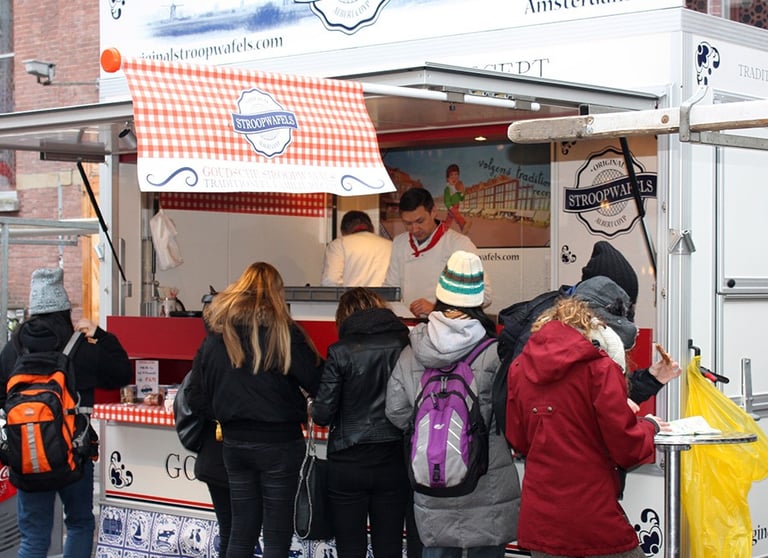


Stroopwafels (thin waffle cookies with syrup filling) is sold from market stalls
Indonesian Cuisine
The colonial connection with Indonesia left culinary legacy throughout Amsterdam in rijsttafel restaurants serving "rice table"—multi-dish banquet showcasing Indonesian diversity. Dishes include satay (grilled meat skewers with peanut sauce), rendang (spicy meat stew), gado-gado (vegetable salad with peanut sauce), and sambals (chili pastes). Restaurant Blauw serves modern Indonesian cuisine, while traditional spots in the Pijp offer authentic preparations. The Indonesian influence makes Amsterdam excellent destination for this cuisine outside Indonesia.
Innovative Fine Dining
Amsterdam's Michelin-starred restaurants demonstrate Dutch creativity and international influences. Restaurant Vermeer (one Michelin star), De Kas (farm-to-table in converted greenhouse), and Ciel Bleu (two Michelin stars, 23rd floor with city views) showcase ingredient-focused contemporary cuisine. The emphasis on seasonal, local, and sustainable ingredients reflects Dutch pragmatism applied to fine dining. Reservations essential weeks or months ahead, with prices €100-250+ per person for tasting menus.
Food Halls and Street Food
Foodhallen in Oud-West occupies converted tram depot with 20+ food stalls offering everything from oysters to Korean BBQ to Dutch croquettes in hip, industrial setting. De Hallen complex includes cinema and hotel. Similar concepts have spread across Amsterdam. Street food includes frites (fries) with mayo, peanut sauce, or specialty sauces from shops like Vleminckx, and Turkish/Middle Eastern options reflecting Amsterdam's diversity. The casualness and quality demonstrate Dutch approach—no food snobbery, just good eating at appropriate prices.
Café Culture
Brown cafés (bruine kroegen)—traditional pubs named for tobacco-stained walls—serve as Amsterdam's living rooms where locals nurse beers, read newspapers, and socialize. Café Hoppe, Café 't Smalle, and In 't Aepjen (one of two remaining wooden buildings in the center) offer authentic atmosphere. Modern cafés serve excellent coffee—Dutch coffee culture has evolved significantly with specialty roasters and skilled baristas. The café culture—whether traditional or contemporary—provides essential Amsterdam experience and insight into Dutch social life.
Practical Amsterdam Tips
Transportation and Getting Around
Amsterdam's compact center is highly walkable, with most attractions within 30 minutes' walk. Cycling is the authentic local transport—rental bikes €10-15 per day from numerous shops, deposit required. Follow bike lane rules strictly—Dutch cyclists are efficient and unforgiving of tourist mistakes. Trams efficiently connect neighborhoods—buy GVB day passes or OV-chipkaart (rechargeable transit card) at Central Station. Taxis are expensive and unnecessary for most journeys. The free ferry behind Central Station to Noord runs 24/7 and provides quick escape to less-touristy areas. Canal buses operate tourist-focused routes but cost more than trams.
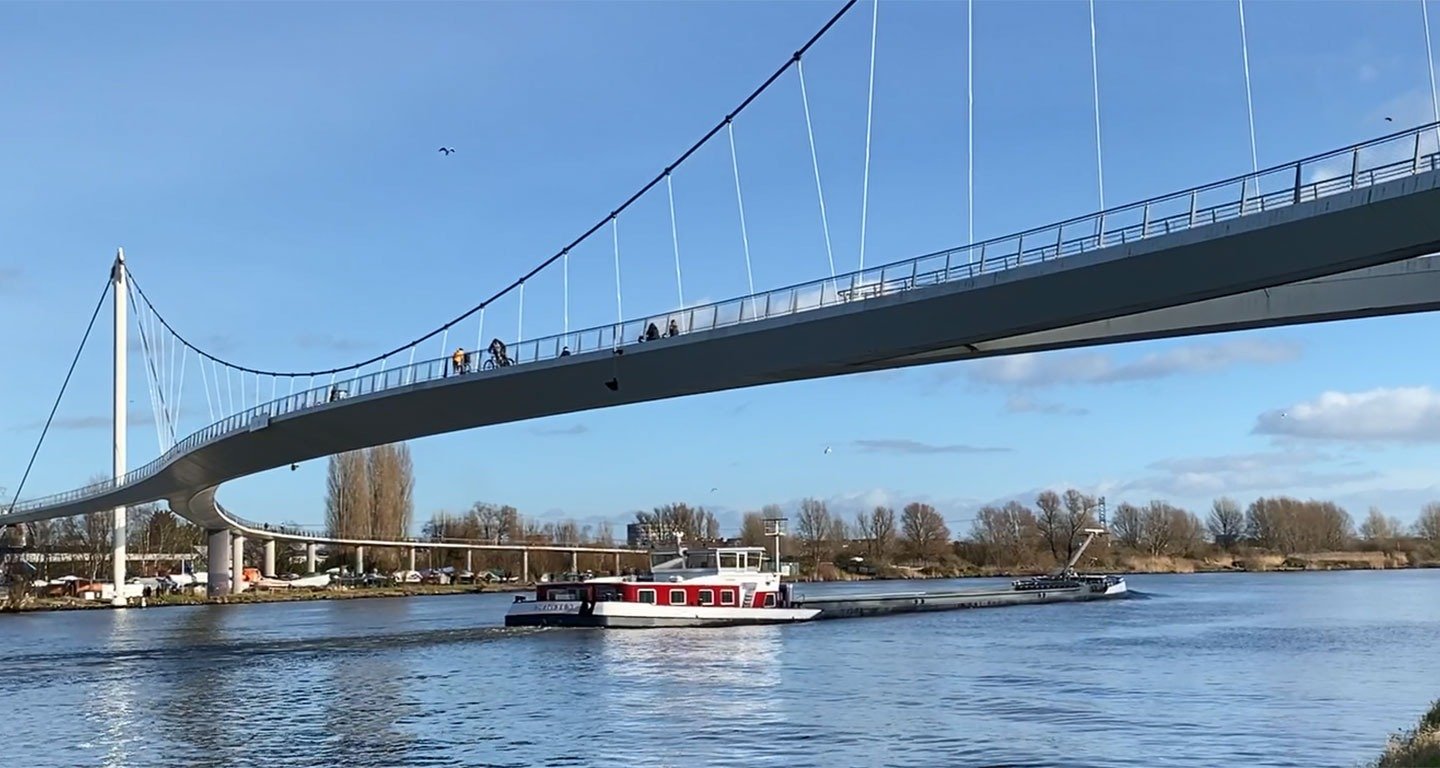
Nescio Bridge, a 780-meter steel suspension bridge specifically for cyclists and pedestrians that connects Ijburg with Amsterdam East
Amsterdam Card and Museum Reservations
The I Amsterdam City Card provides free museum entry, free public transport, and discounts on attractions—calculate whether your itinerary justifies cost (€60-90+ depending on duration). Many museums require advance timed-entry tickets, particularly Van Gogh Museum and Anne Frank House. Book weeks or months ahead during peak season. The Museumkaart (Museum Card, €65) offers year-long access to 400+ Dutch museums—excellent value if staying longer or returning within year. Planning museum visits requires advance booking to avoid disappointment.
Bike Safety and Etiquette
Stay in bike lanes (marked red pavement), signal turns with hand gestures, follow traffic lights, lock bikes properly (frame and front wheel to fixed object), and never bike drunk (fines apply). Be aware of tram tracks (cross at angles to avoid tire catching), watch for car doors opening, and give right of way to pedestrians. Dutch cyclists are fast and direct—keep right, pass on left, and don't stop suddenly. Thousands of bikes are stolen annually—use provided locks properly and don't leave anything valuable attached to bike.
Cannabis Coffeeshops and Red Light District
Coffeeshops (distinct from cafés) selling cannabis operate under tolerance policy—purchase and consumption allowed but not promoted. Quality establishments check ID (18+), explain products, and maintain respectful atmosphere. Don't photograph workers in Red Light District (illegal and disrespectful), don't stop in middle of narrow streets, and be aware this working neighborhood has residents who didn't choose tourist zone status. The district is safe but pickpocketing occurs—keep valuables secure, decline offers from street dealers, and respect that this represents complex approach to social issues.
Dutch Culture and Etiquette
The Dutch value directness—what can seem blunt to other cultures is simply honest, clear communication. Bike infrastructure and social programs reflect egalitarian values where even prime minister cycles to work. English is widely spoken (often fluently), making Amsterdam highly accessible, though learning basic Dutch phrases is appreciated. Tipping is less expected than US but 5-10% or rounding up shows appreciation. Dutch punctuality means being on time, not fashionably late. The concept of gezelligheid (coziness, conviviality, feeling of belonging) explains why Amsterdammers prioritize quality of life, social connection, and work-life balance.
Money and Costs
The Netherlands uses euros. ATMs widely available, credit cards accepted at most establishments though some cafés and markets prefer cash or mandate minimum card purchases. Amsterdam is expensive compared to many European cities—budget €80-120 daily for accommodation, meals, and transport for mid-range travel. Museum costs add up quickly—plan accordingly. Albert Heijn and Jumbo supermarkets offer affordable meal options. Many restaurants offer affordable two or three-course early dinner menus (usually 5-6 PM) providing excellent value.
Safety and Common Scams
Amsterdam is safe with low violent crime, but pickpocketing targets tourists in crowded areas—keep valuables secure, wear bags in front, and be aware in busy squares and trams. Bike theft is epidemic—use provided locks properly. Scams include fake police asking to check wallets (real police don't do this), overpriced drugs from street dealers (avoid entirely), and inflated bar bills in sketchy establishments (stick to recommended places). Common sense and awareness prevent most issues—Amsterdam is generally trustworthy city where biggest danger is errant cyclists.
Weather and What to Pack
Amsterdam's maritime climate brings year-round rain possibility—pack waterproof jacket regardless of season. Layering works better than heavy coats except winter. Comfortable walking shoes essential for cobblestones and extensive exploring. Summers rarely exceed 25°C, winters rarely below freezing—pack accordingly. Bring adapter for European electrical sockets (Type C/F). In summer, sunset near 10 PM makes light jacket useful for evening. The weather changes quickly—"sun, rain, and clouds in one day" is standard Amsterdam forecast.
Amsterdam rewards every type of traveler—whether you seek world-class art in magnificent museums, cycling through canal-lined streets discovering hidden neighborhoods, sampling Dutch specialties in cozy brown cafés, or experiencing progressive culture in historic setting. This remarkable city's combination of Golden Age beauty and modern creativity, intimate scale and cosmopolitan energy, tradition and innovation creates a destination that exceeds expectations. From your first canal cruise revealing architectural wonders to your final stroopwafel from a market stall, from contemplating Van Gogh's brushstrokes to cycling past flower-laden bridges, Amsterdam delivers moments of beauty, insight, and connection that transform visitors into devotees of this extraordinary Dutch capital.
Hotels • Apartments • Vacation Rentals • Travel
Compare hotels on Expedia | Find curated tours on GetYourGuide
“© 2025-2026. All rights reserved.
This blog may contain affiliate links, which means I might earn a small commission, at no extra cost to you, if you decide to make a booking through one of these links. I only recommend products and services I actually use or genuinely believe will bring value. For more information visit http://paidforadvertising.com. Thank you for your support!
Affiliate Disclosure


Important Links
Continents
Find Us Here
Follow Us
Welcome to The Gilded Globe, your premier guide to crafting journeys that are seamless as they are extraordinary. We believe that travel is not just about the destination, it's about the richness of the experience - from the first spark of inspiration to the memories you bring home.